Wildfire Damage Car Coverage in Montana
Wildfire damage to your car in Montana is covered under comprehensive coverage, the part of your policy that pays for damage from fire, smoke, and falling debris rather than a collision.
What this coverage pays for
Covers
- Direct fire damage If flames reach your car, scorch the paint, melt trim, or damage the interior, comprehensive pays to repair or replace it.
- Smoke damage Smoke can settle into upholstery, carpet, and the ventilation system, and that cleanup or repair is covered even without visible flames.
- Falling ash and debris Embers and burning debris that land on your car and cause pitting, melting, or scorching are treated the same as fire damage.
- Total loss from fire If the car burns badly enough that repair doesn't make sense, comprehensive pays out its value instead of fixing it.
- Evacuation-related damage If your car is damaged while you're fleeing an advancing fire, from road debris or heat exposure, that damage falls under comprehensive too.
- Rental car while it's fixed If you added rental coverage to your policy, it can cover a replacement car while yours is being repaired after a fire.
Doesn't cover
- Collision while evacuating If you hit another car or a guardrail while driving away from a fire, that's collision coverage, not comprehensive.
- Your belongings inside the car Personal items that burn along with the car are usually covered under your home or renters policy, not your auto policy.
- Medical bills from smoke exposure Injuries or health effects from smoke are handled through health insurance or medical payments coverage, not this one.
- Damage from your own negligence If you left the car somewhere you were told to evacuate and it burns, the claim still works the same, but repeated disregard for warnings can affect future rates.
- Cars without comprehensive at all If you only carry liability coverage, there's nothing here to pay a wildfire claim, since comprehensive has to be added separately.
- A newer or better car as replacement The payout is based on what your car was worth right before the fire, not what a similar new one costs today.
For most older drivers in fire-prone parts of Montana, this coverage is worth keeping
Start with what the car is worth. If you're driving a car that's older and mostly paid off, the payout on a total loss might be modest, and it's fair to ask whether the coverage cost is still worth it against that number. A newer or more valuable car changes that math quickly.
Think about what you could absorb yourself. Losing a car to fire is sudden and total, not a fender bender you can put off fixing. If replacing the car entirely would strain your savings or your ability to get around, that's a strong reason to keep this coverage rather than self-insure.
Where you live and park matters more here than almost anywhere else. A car parked in a garage in town faces different risk than one parked near dry grass, timber, or an exposed rural property. If your home insurance already flags you as being in a higher wildfire risk area, your car shares that exposure every time it's parked outside.
How much you drive barely factors into this one. Wildfire risk isn't about miles, it's about where the car sits when it's not moving. A car that's driven rarely but parked outdoors in a fire-prone area carries real risk even if the odometer barely moves.
What happens when you file a wildfire claim
Your deductible applies first, meaning you pay that amount and the insurer covers the rest up to the car's value. Comprehensive claims don't affect your rate the way an at-fault accident does, since fire isn't considered something you caused.
An adjuster will look at the car, often through photos if the damage area is still unsafe to enter, and assess whether it's repairable or a total loss. If it's repairable, you'll get an estimate and a shop to use. If it's a total loss, the payout is based on what the car was worth right before the fire, not what you originally paid for it.
Have your registration, loan information if you still owe money on the car, and any photos of the car's condition beforehand ready to speed things along. If the car is a total loss and there's still a loan balance, the payout goes toward that first.
If evacuation orders were in place, keep any documentation of that timeline, since it can help establish what happened and when, especially if the claim is one of many from the same fire.
Comprehensive coverage versus collision coverage
Comprehensive coverage
This pays for damage from fire, smoke, falling objects, animals, and other events that aren't a collision with another vehicle. It's the coverage that responds to wildfire damage specifically.
Collision coverage
This pays for damage from hitting another car or object, regardless of fire. If you crash while evacuating a fire area, this is the coverage that applies, not comprehensive.
If your main worry is fire itself, comprehensive is what protects you, but if you're also worried about a crash while fleeing, you need both.
Real situations
You park at church for a morning service, and while you're inside, a nearby grass fire spreads through the lot and scorches your car's hood and side panel.
This pays, since fire damage to a parked car is a textbook comprehensive claim.
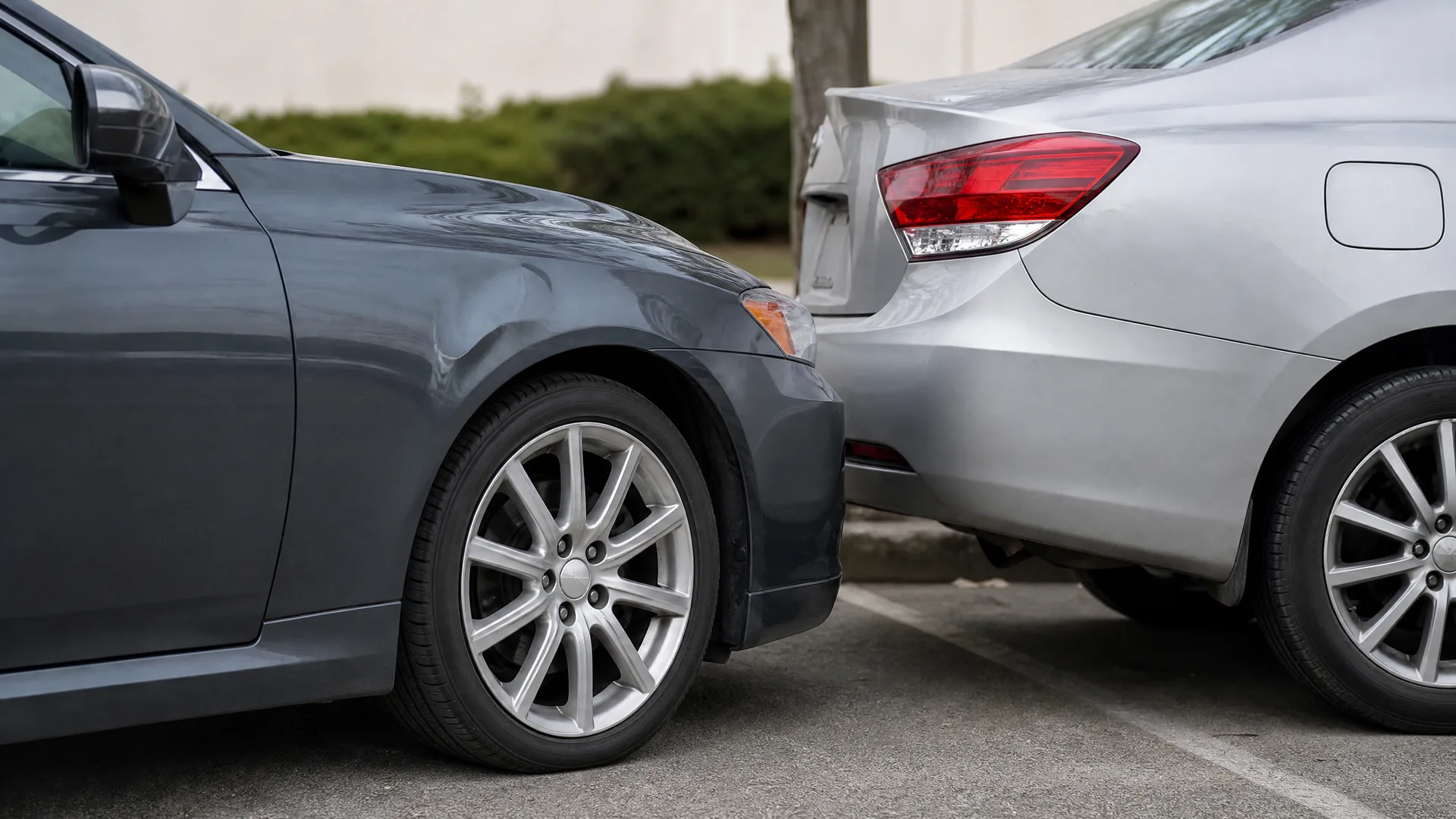
While evacuating ahead of an approaching wildfire, you rear-end another car in heavy traffic on the way out of town.
This doesn't pay for that impact, since a collision with another vehicle falls under collision coverage instead.
Your car is parked in your driveway overnight and windblown embers from a fire several miles away land on it and melt part of the dashboard through an open window.
This pays, since ember and smoke damage to the car is covered the same as direct fire contact.
Now that you know what wildfire damage coverage actually does, compare quotes with your coverage choice already decided instead of guessing at it.
Questions people ask about this
Does home insurance cover a car damaged by wildfire?
No, home insurance generally doesn't cover vehicles, even ones parked on your property. Your auto policy's comprehensive coverage is what responds to fire damage to a car, regardless of where it was parked. Check your auto policy's declarations page to confirm comprehensive is included.
What happens if my car is destroyed by wildfire and I still owe money on it?
The insurance payout goes first toward whatever you still owe the lender, and you receive any amount left over. If the car's value was less than the loan balance, you could owe the difference unless you have gap coverage. Check your loan agreement and policy for whether gap coverage was ever added.
Can I be dropped from my car insurance after a wildfire claim?
It's possible, since insurers can choose not to renew policies after claims, though a single fire-related claim alone usually isn't an automatic trigger. This varies by insurer and by state rules on non-renewal. Check with your agent about your insurer's specific history with weather-related claims in your area.
Do I need to move my car during a wildfire evacuation to be covered?
No, coverage applies whether the car is damaged while parked or while you're driving it away. The claim process is the same either way, based on what caused the damage. Focus on following evacuation orders for safety rather than worrying about coverage status.
Will filing a wildfire claim raise my car insurance rate?
It can, even though the fire wasn't your fault, since some insurers factor in any claim history when setting renewal rates. This varies by insurer and by state rules on how weather claims are treated. Ask your agent directly how a comprehensive claim would affect your specific policy at renewal.