Wildfire Damage Car Coverage in Colorado
Wildfire damage to your car is paid through comprehensive coverage, the part of your policy that handles damage from fire, smoke, and falling debris rather than a collision.
What comprehensive pays for in a wildfire
Covers
- Direct fire damage If flames reach the car, the body, interior, and mechanical parts are covered under comprehensive.
- Smoke damage Smoke that seeps into the cabin and ruins seats, carpet, or the smell of the car is treated the same as fire damage.
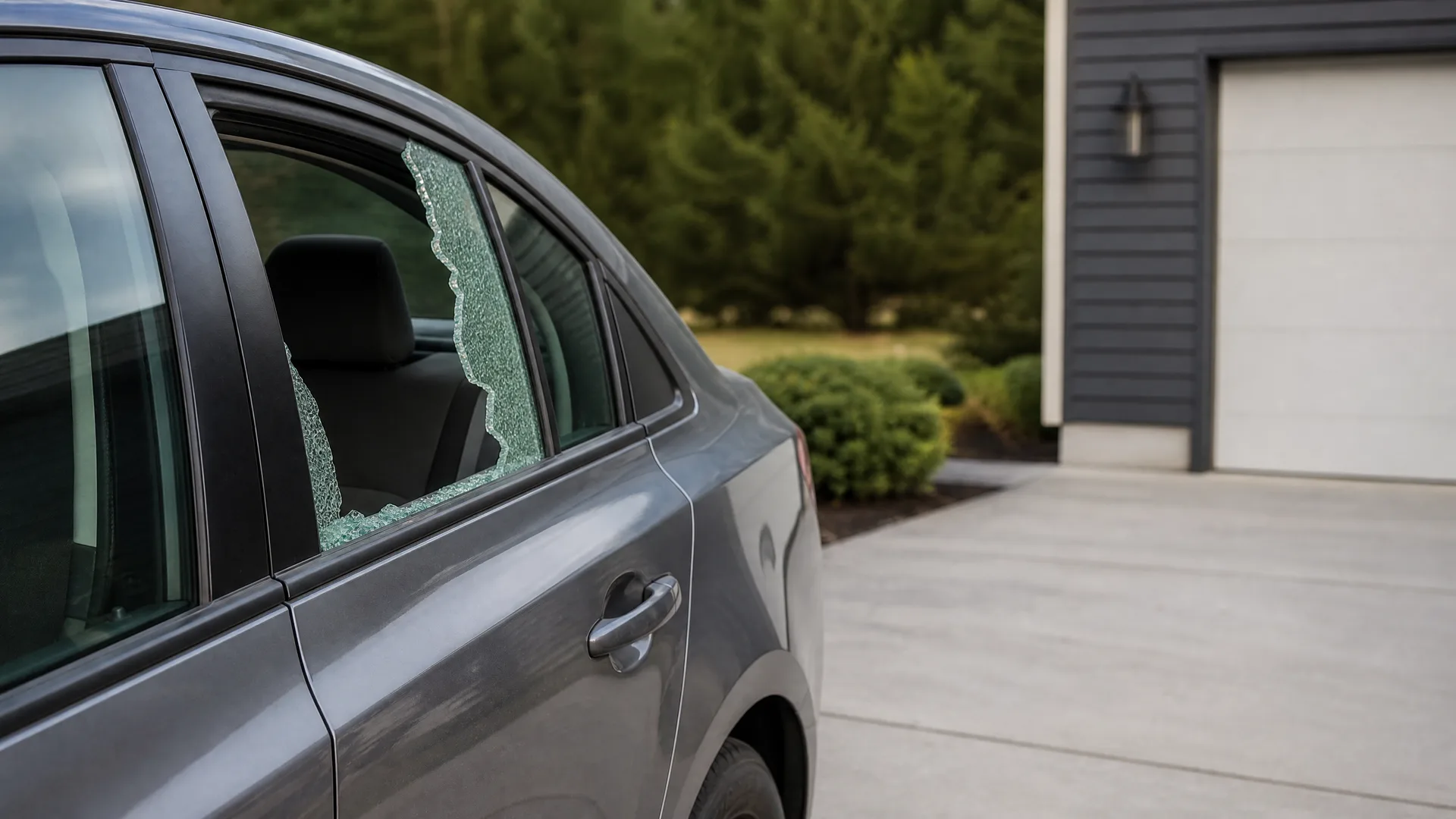
- Falling debris or ash Branches, embers, or structural debris that fall on the car during a fire are covered, including the dents and broken glass that come with it.
- Melted parts from heat Tires, trim, or badges that melt or warp from nearby heat count as fire-related damage even without direct flame contact.
- Total loss from fire If the car burns beyond repair, comprehensive pays out its value rather than the cost of fixing it.
- Evacuation-related damage If the car is damaged while you're driving away from a fire, such as debris in the road, that's still comprehensive, not collision.
Doesn't cover
- Collision while fleeing If you hit another car or a guardrail while evacuating, that part of the damage falls under collision coverage instead.
- Your medical bills Comprehensive only pays for the car. Injuries from smoke inhalation or an evacuation accident go through health insurance or your auto policy's medical payments coverage.
- A rental car automatically You only get a rental car paid for if you added rental reimbursement coverage ahead of time.
- Belongings inside the car Personal items that burn with the car, like a phone or papers, usually aren't covered by auto insurance at all. That typically falls to homeowners or renters insurance.
- Diminished value after repair Even a well-repaired car can be worth less once it has a fire claim on its history, and comprehensive doesn't pay for that drop in value.
For most older drivers in Colorado, this coverage is worth keeping
The question isn't really about wildfire. It's about whether you want comprehensive coverage at all, since wildfire is just one of the things it handles alongside hail, theft, and animal strikes. Once you look at it that way, the math gets simpler.
What matters most is what the car is worth and whether you could absorb losing it. If the car is older and nearly worthless on a trade-in lot, comprehensive may cost more over the years than it would ever pay out, and dropping it is a reasonable choice. If the car still has real value, or you're still making payments on it, comprehensive is doing real work.
Where you live and park matters too. A car that sits in a garage in a dense suburb faces a different risk than one parked outdoors near open land or mountain forest, where wildfire risk runs higher. If you're in or near those areas, this is one of the few coverages that directly addresses a real local threat.
Also think about what you could cover yourself. If you have enough set aside to simply replace the car in cash without much strain, you could self-insure that risk. Most people in their sixties, seventies, and eighties living on fixed incomes would rather not test that, which is why most keep this coverage even as they drop other things.
How a wildfire claim actually plays out
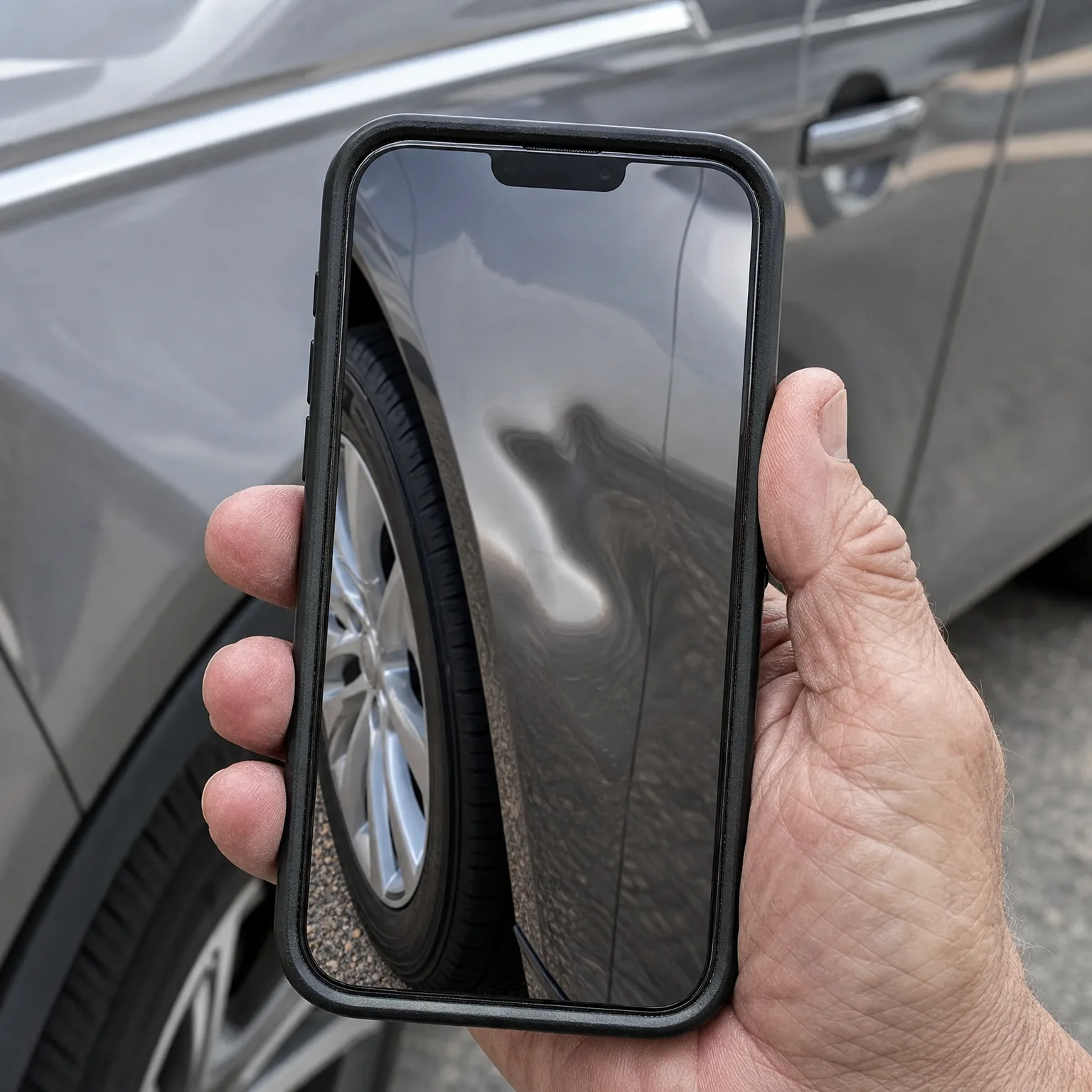
Comprehensive claims work differently from fault-based claims. There's no other driver to argue with, so the process is usually faster and more straightforward. You'll pay your deductible first, and the insurer covers the rest up to the car's value.
After a wildfire, you'll likely be filing alongside many other people in the same area, which can slow things down even though the process itself is simple. An adjuster will look at the car in person or from photos, note the extent of fire, smoke, or heat damage, and decide whether it's repairable or a total loss.
If it's a total loss, the payout is based on what the car was worth right before the fire, not what you paid for it originally or what it would cost to replace with something newer. If it's repairable, the payment covers the repair shop's estimate, minus your deductible.
Have your registration, a sense of the car's mileage and condition before the fire, and any photos you can gather ready to go. If the car was damaged near home, photos of the surrounding damage can help support your claim.
Comprehensive vs. collision coverage
Comprehensive coverage
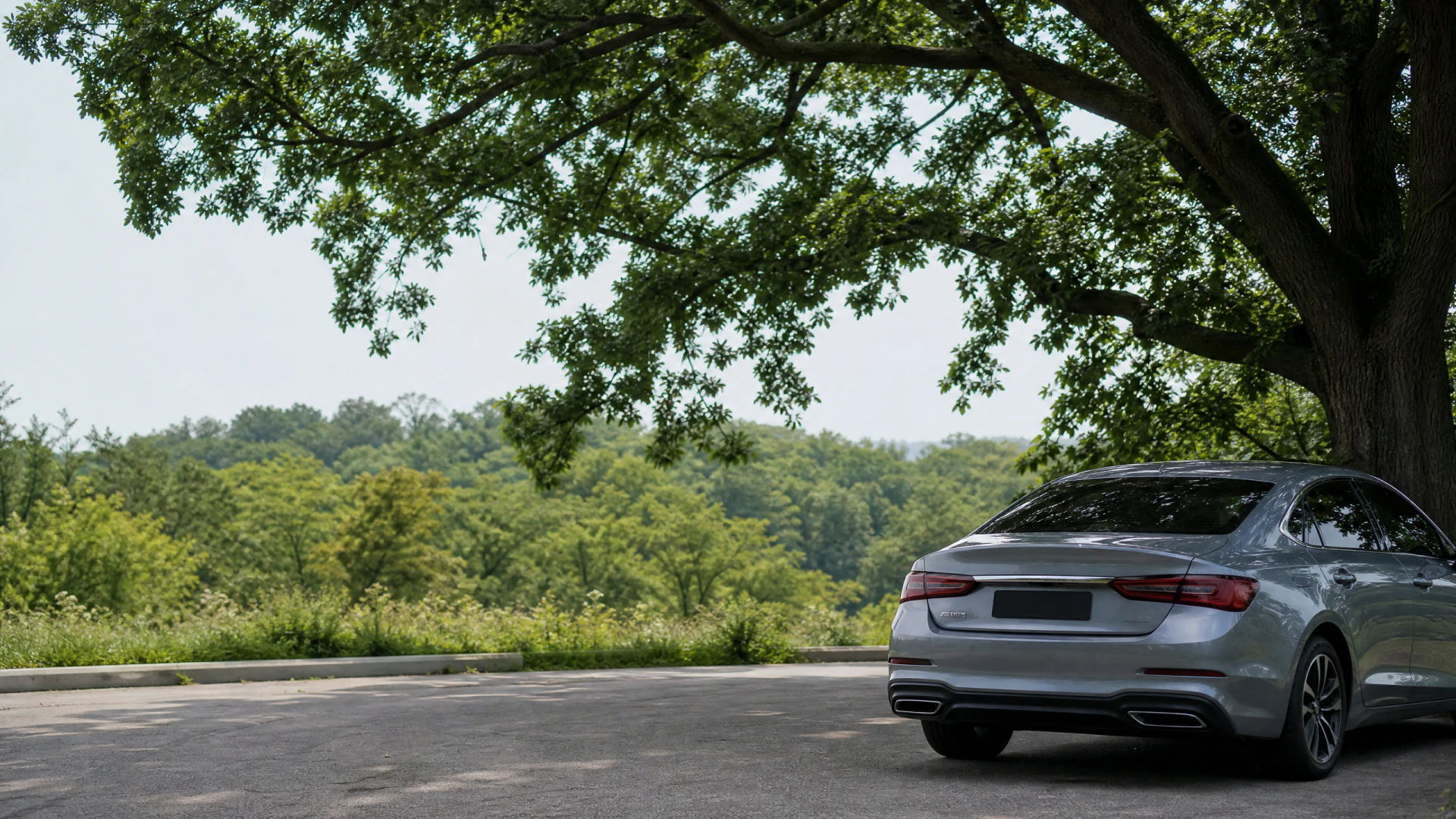
This is what pays for wildfire, hail, theft, vandalism, and animal strikes. It covers damage that happens to the car when you're not driving it into something.
Collision coverage
This pays for damage from hitting another car, a fence, a tree, or anything else, regardless of whether a fire was involved. It's what covers an evacuation fender-bender.
If wildfire risk is your main concern, comprehensive is the one doing that work, but most people carry both together rather than picking one.
Real situations
Your car is parked in the driveway when a wildfire moves through the area and the paint and one tire melt from the heat before it's driven to safety.
This pays, since heat and fire damage to a parked car falls under comprehensive.
While evacuating ahead of a fire, you rear-end another car in traffic that stopped short.
This doesn't pay for the collision itself. That damage falls under collision coverage, not comprehensive.
Ash and falling embers from a nearby fire scorch the hood and crack the windshield while the car sits in a church parking lot.
This pays, since debris and fire-related damage to a parked car is a standard comprehensive claim.
Once you know whether you're keeping, adjusting, or dropping this coverage, you're ready to compare quotes with that decision already settled.
Questions people ask about this
Does my car insurance go up after a wildfire claim?
It can, though not always, and not usually as sharply as an at-fault accident. Insurers look at your full claims history, so one weather-related claim in an area with a known wildfire event is often treated more gently than a pattern of claims. Ask your agent directly how this particular claim was coded.
What happens if my car is destroyed by wildfire and I still owe money on it?
The insurer pays out the car's value at the time of the fire, and that payment goes toward your loan balance first. If you owe more than the car was worth, you could be left paying the difference out of pocket unless you also carry gap coverage, which is a separate add-on some lenders require.
Can I still get comprehensive coverage if I live in a high wildfire risk area in Colorado?
In most cases yes, though availability and terms can vary by state and even by specific area within a state. Some insurers may adjust pricing or ask about defensible space around your home. Check with your own agent about how your specific location is treated.
Will my insurance company drop me after a wildfire claim?
A single comprehensive claim rarely leads to non-renewal on its own. Insurers are more likely to reassess pricing or terms at renewal than to drop a longtime policyholder outright. Ask your agent what your insurer's specific practice has been after regional wildfire events.
Does comprehensive coverage pay for a rental car while mine is being repaired after fire damage?
Only if you added rental reimbursement coverage separately, since it isn't automatically bundled into comprehensive. Without it, you'd cover a rental yourself during repairs. It's worth checking your policy now rather than finding out during a claim.