Collision Coverage for Seniors
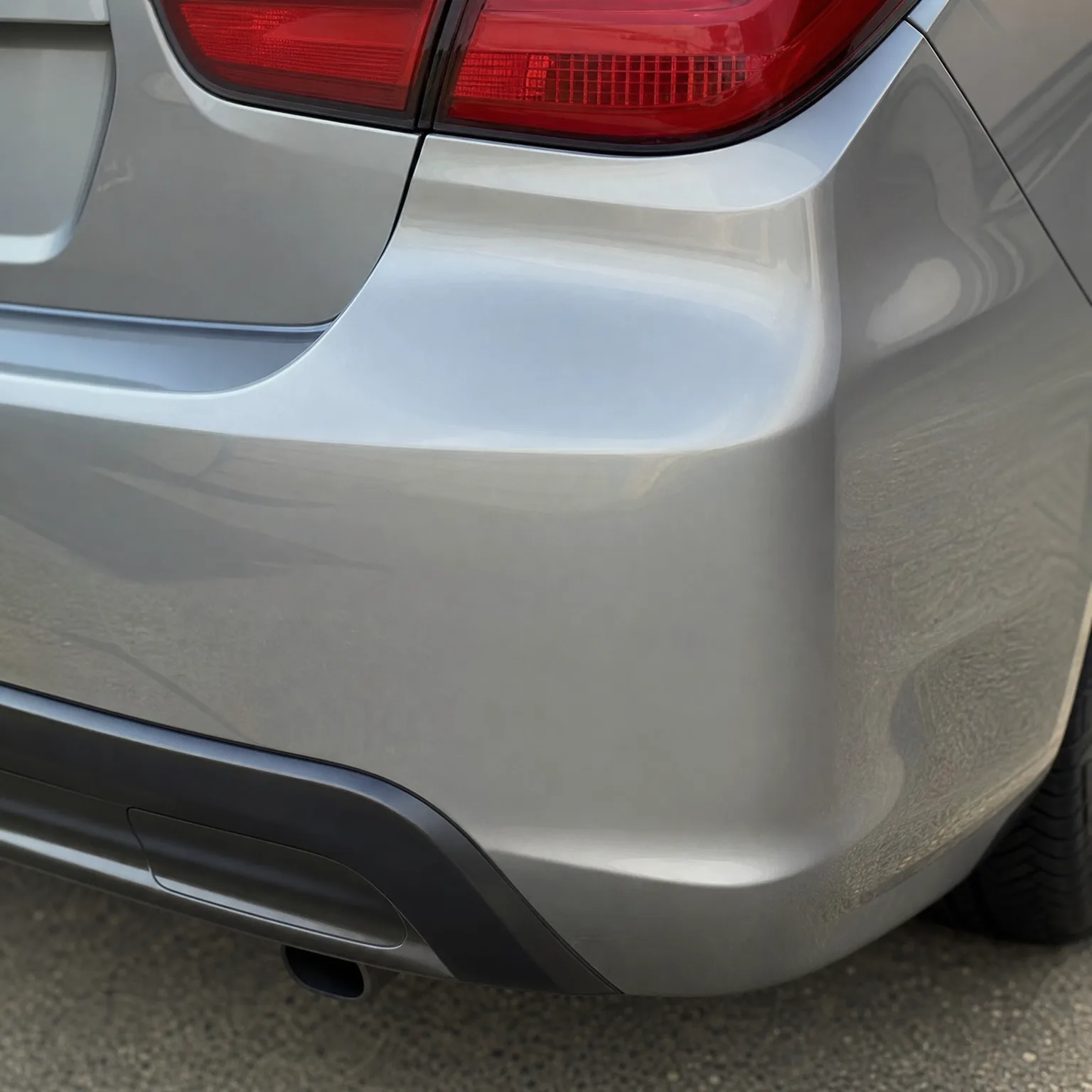
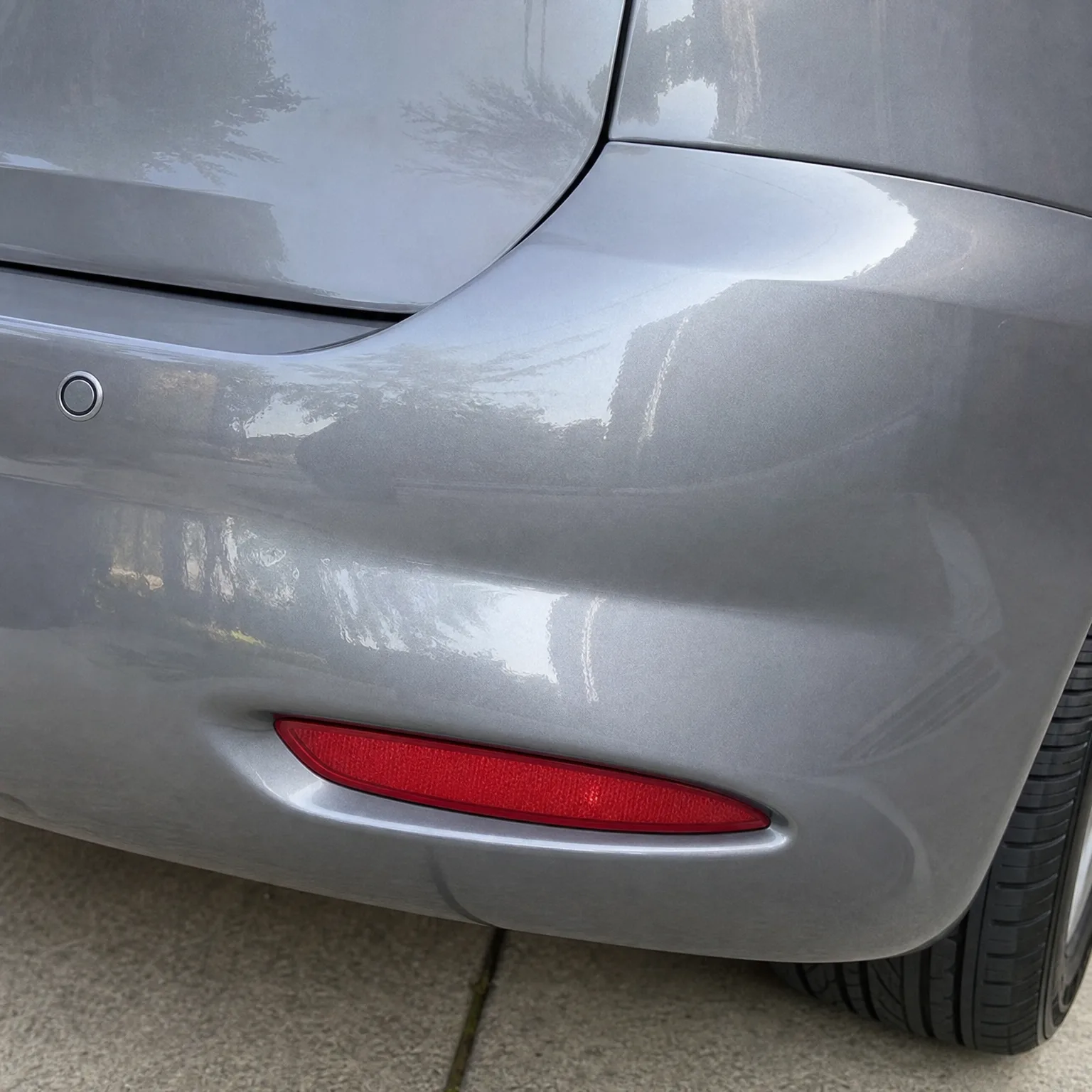
Collision coverage pays to repair or replace your car when it hits another car or object, or flips over, no matter who caused the crash.
What collision coverage pays for
Covers
- Crashes with another vehicle If you hit another car, or they hit you, this pays for your car's damage regardless of fault.
- Hitting a fixed object A mailbox, a guardrail, a parked trailer, a light pole in a lot, all count.
- Single car rollovers If you lose control and the car rolls or lands in a ditch, the damage is covered.
- Potholes and road damage Hitting a deep pothole or a piece of debris in the road falls under this coverage.
- Hit and run damage to your car If the other driver takes off and can't be identified, this still pays for your car.
Doesn't cover
- Hitting a deer or animal That's a comprehensive claim, not collision, since no other vehicle or fixed object was involved in the usual sense.
- Hail, flooding or fire damage Weather and other non-crash events are also handled by comprehensive coverage.
- Your medical bills after a crash Those are handled by medical payments coverage, personal injury protection, or health insurance depending on your state.
- Damage to the other driver's car That's paid by your liability coverage, which is a separate part of your policy.
- Mechanical breakdown A transmission failure or engine trouble isn't a collision and isn't covered here at all.
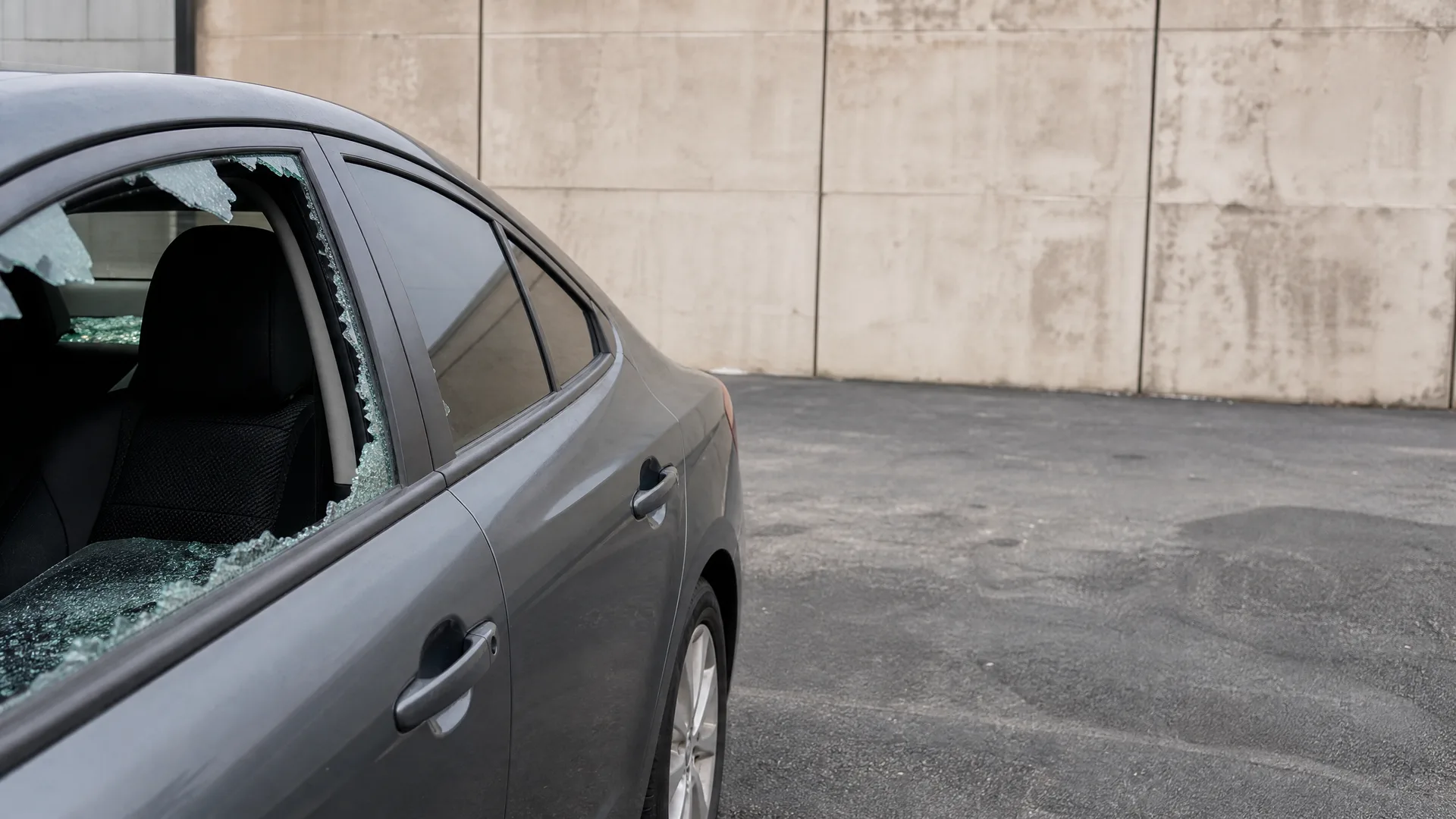
For a lot of older drivers, this coverage costs more than it's likely to pay back
Start with what the car is worth right now, not what you paid for it years ago. If the car is older and worth a modest amount, the most this coverage can ever pay is that value, minus your deductible. At some point the math stops making sense no matter how carefully you drive.
If the car is paid off, nobody is requiring you to carry this coverage. That changes the decision entirely from "do I need this" to "do I want this," and the honest answer depends on what you could absorb from savings if the car were totaled tomorrow. Some drivers would rather self-insure an older car and only keep liability coverage.
How much you drive matters too. A car that mostly sits in the driveway and makes short trips to church, the pharmacy and a grandchild's house has fewer chances to be in a collision than a car that commutes daily on the highway. Where the car sits overnight, in a garage versus on a street, also shifts the risk somewhat, though it matters less for collision than for comprehensive claims.
If you're still driving a car with a loan on it, this isn't really optional yet. Lenders require it, and your insurer can confirm whether your loan or lease agreement still calls for it.

How a collision claim actually goes
You pay a deductible first, and the coverage pays the rest of the repair cost up to the car's value. If the repair would cost more than the car is worth, the insurer typically declares it a total loss and pays you the car's value instead of fixing it, minus your deductible.
After an accident, you report the claim, an adjuster or appraiser looks at the damage, and you get an estimate for repairs or a settlement offer if it's totaled. Have your policy number, photos of the damage, and a description of what happened ready when you call. If another driver was clearly at fault, your insurer may pursue their insurer afterward to recover what it paid out.
The payment covers the physical damage to your car. It doesn't cover a rental car, towing, or your own injuries, unless you've added those separately to your policy. Worn-out tires, existing dents, or deferred maintenance also won't be folded into a collision claim.
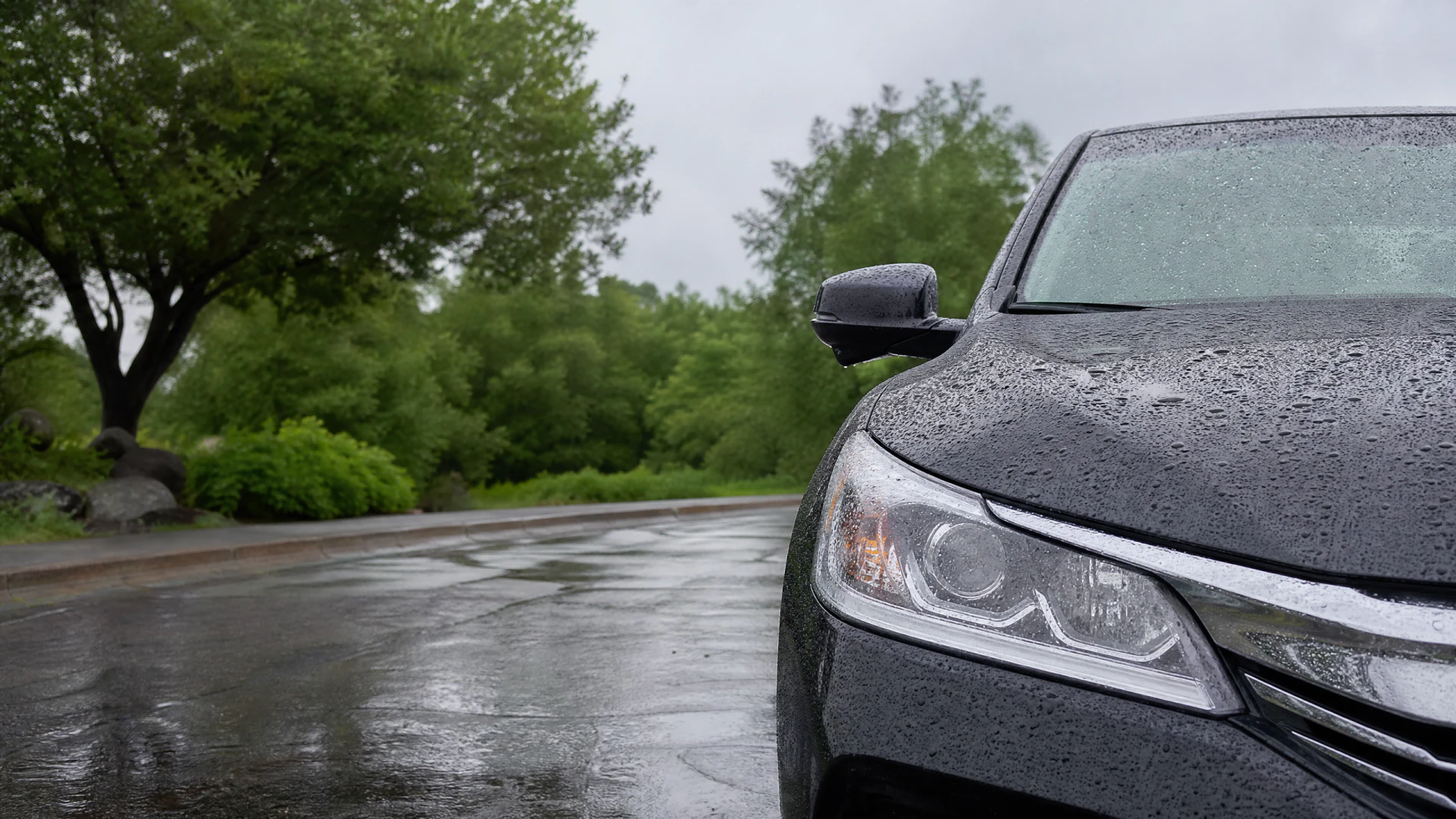
Collision versus comprehensive coverage
Collision coverage
This pays for damage from hitting another car, an object, or rolling your vehicle. Fault doesn't matter. It's about impact.
Comprehensive coverage
This pays for damage from things other than a collision, like weather, animals, theft, vandalism or a cracked windshield. Many drivers carry both together.
If your car is old enough that you'd drop collision, it's worth asking separately whether comprehensive still makes sense, since the two decisions don't have to match.
Real situations
You're pulling out of a church parking lot and clip a stone pillar at the edge of the driveway.
Collision pays for this, since it's damage from hitting a fixed object, minus your deductible.
A hailstorm hits while your car is parked at the grocery store and leaves dents across the hood and roof.
This doesn't pay, since hail is a comprehensive claim rather than a collision.
A deer steps onto a county road at dusk and you can't stop in time.
This doesn't pay either, since hitting an animal falls under comprehensive coverage, not collision.
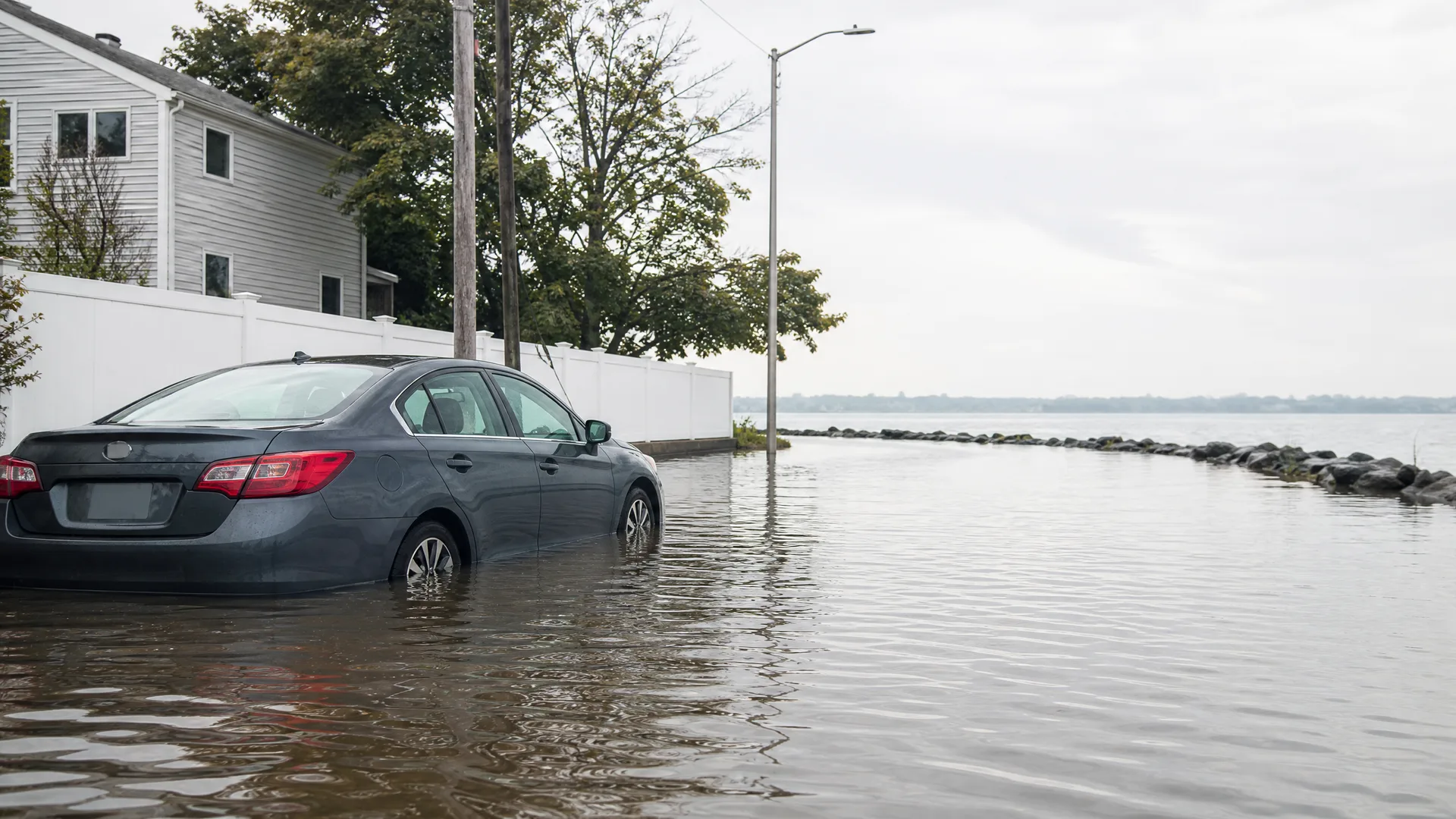
Once you've decided whether to keep, drop or adjust this coverage, you can compare quotes with that figured out and focus on finding the right price for the rest of your policy.
Questions people ask about this
What happens to collision coverage if I pay off my car?
Nothing changes automatically, since collision coverage stays on your policy until you remove it yourself. Once a loan is paid off, the requirement to carry it ends, and it becomes your choice whether to keep it. Check with your insurer about removing it if you decide the car isn't worth insuring for collision anymore.
Can I drop collision coverage but keep comprehensive?
Yes, these are two separate coverages and you can carry either one without the other, once there's no loan requiring both. Some older drivers do exactly this, keeping comprehensive for theft or weather while dropping collision on a car that's no longer worth much to repair. Your insurer can adjust this at your next renewal or sooner.
Does collision coverage follow the car or the driver?
It generally follows the car named on your policy, so if you lend your car to someone else and they crash it, your collision coverage still applies. If you drive someone else's car with their permission, their policy is usually primary. Rules can vary by state, so it's worth checking your own policy's language on this.
Will my collision claim go up if the other driver was at fault?
It depends on your insurer's policies, since some protect you from a rate increase if you weren't at fault and it can be documented. Ask your insurer directly how they handle not at fault claims before you file, if that's a concern. A police report or other driver's admission can help establish fault clearly.
Is collision coverage required by law?
No state requires collision coverage by law, since legal requirements focus on liability coverage for others, not your own car. Lenders and lease companies are the ones who typically require it, not the state. Whether it's offered or structured differently can vary by state, so check your own policy for specifics.