Deer Collision Coverage for Seniors in Montana
Deer collision coverage is simply comprehensive coverage doing its job when your car hits a deer or a deer hits you, paying to repair or replace the car minus your deductible.
What it pays for
Covers
- Vehicle damage from the strike Dents, broken glass, bent frames and anything else the deer did to the body or mechanics of the car.
- Swerving-related crashes in some cases If you swerved to avoid the deer and hit a tree or guardrail instead, this is usually still the coverage that applies, not liability.
- Total loss payout If the car is damaged beyond what it's worth to repair, this pays out the car's value instead of fixing it.
- Towing after the collision Getting the car off a rural road and to a shop is generally included as part of handling the claim.
- Rental car costs, if you added that This isn't automatic, but if you carry rental reimbursement alongside it, a deer claim is exactly what triggers it.
Doesn't cover
- Your own injuries Medical costs for you or your passengers come from medical payments coverage or personal injury protection, not this one.
- Hitting another car while swerving If you swerve and hit another vehicle, that's generally handled by liability coverage, since another driver is involved.
- Mechanical problems unrelated to the hit If something else on the car fails around the same time, that's a separate repair and not part of the deer claim.
- The deer's injuries or any other animal's owner Wild animals aren't owned property, so there's no liability to anyone for the animal itself.
- Routine wear the inspection turns up An adjuster may note existing wear or prior damage, and that part of the estimate won't be paid as part of this claim.
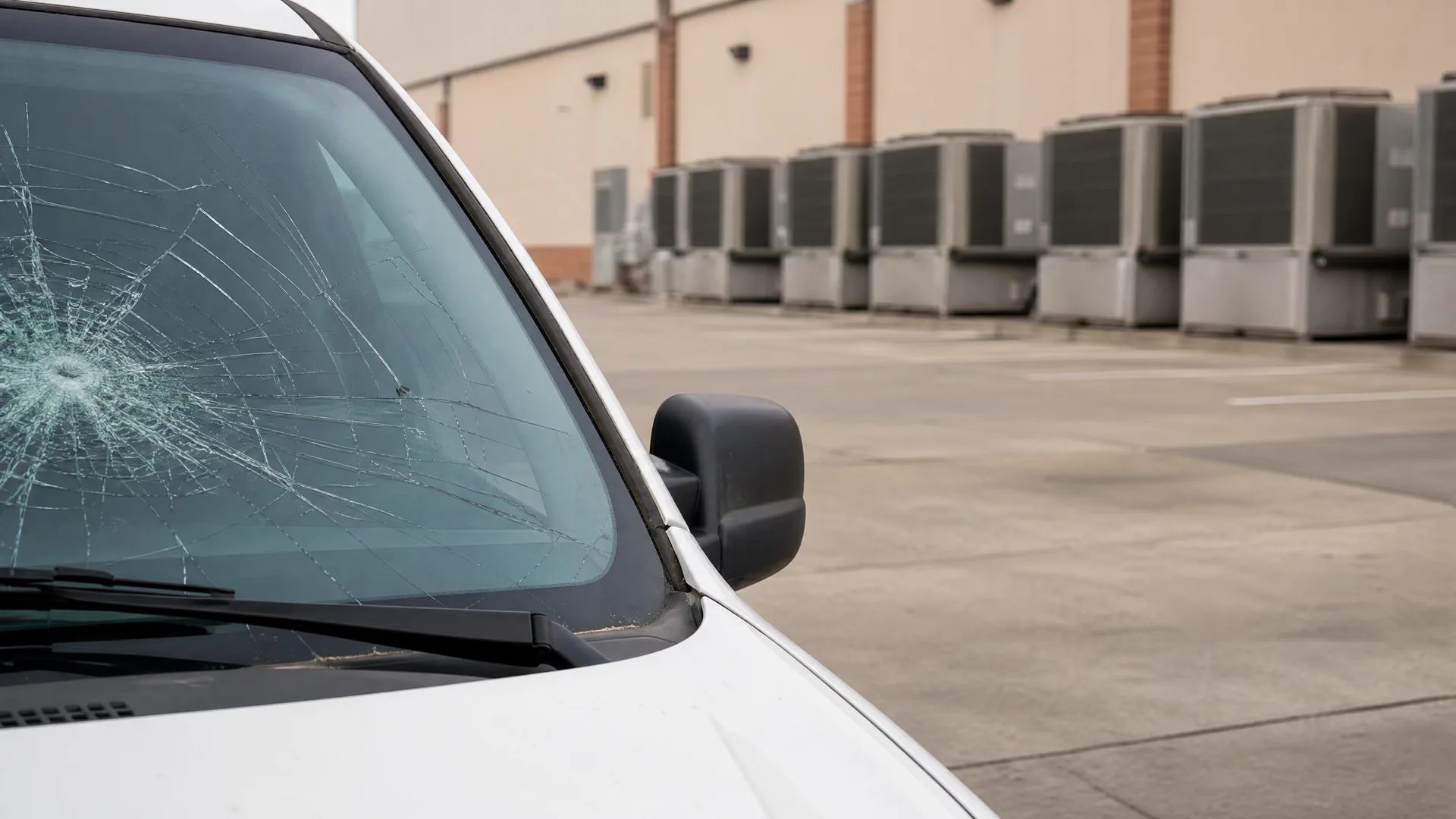
For most older drivers who still drive a car worth something, yes, this is worth keeping
The math on this one is simpler than people expect. If your car is worth a meaningful amount and you couldn't comfortably pay to replace it out of savings, keeping this coverage protects you from a cost you can't easily absorb. The flip side matters too, if the car is old enough that it's barely worth anything, the most this coverage could ever pay you is small, and you may be paying more over time than you'd ever recover.
Whether the car is paid off changes the calculation less than people assume. People assume once a loan is gone, this coverage becomes optional in a way it wasn't before. That's true in the sense that no lender is requiring it anymore, but the car's value to you didn't change just because the loan did.
How much you drive and where matters more in Montana than in a lot of places, since deer activity is a real and recurring risk here, not a rare event. If your daily driving includes rural roads, tree-lined routes, or dusk and dawn trips, your odds of an eventual claim are higher than someone who mostly drives short trips in town.
Where the car sits overnight plays a smaller role for this specific coverage than it does for theft or vandalism coverage, since deer strikes happen on the road, not in your driveway. Don't let that detail push your decision either way on its own.
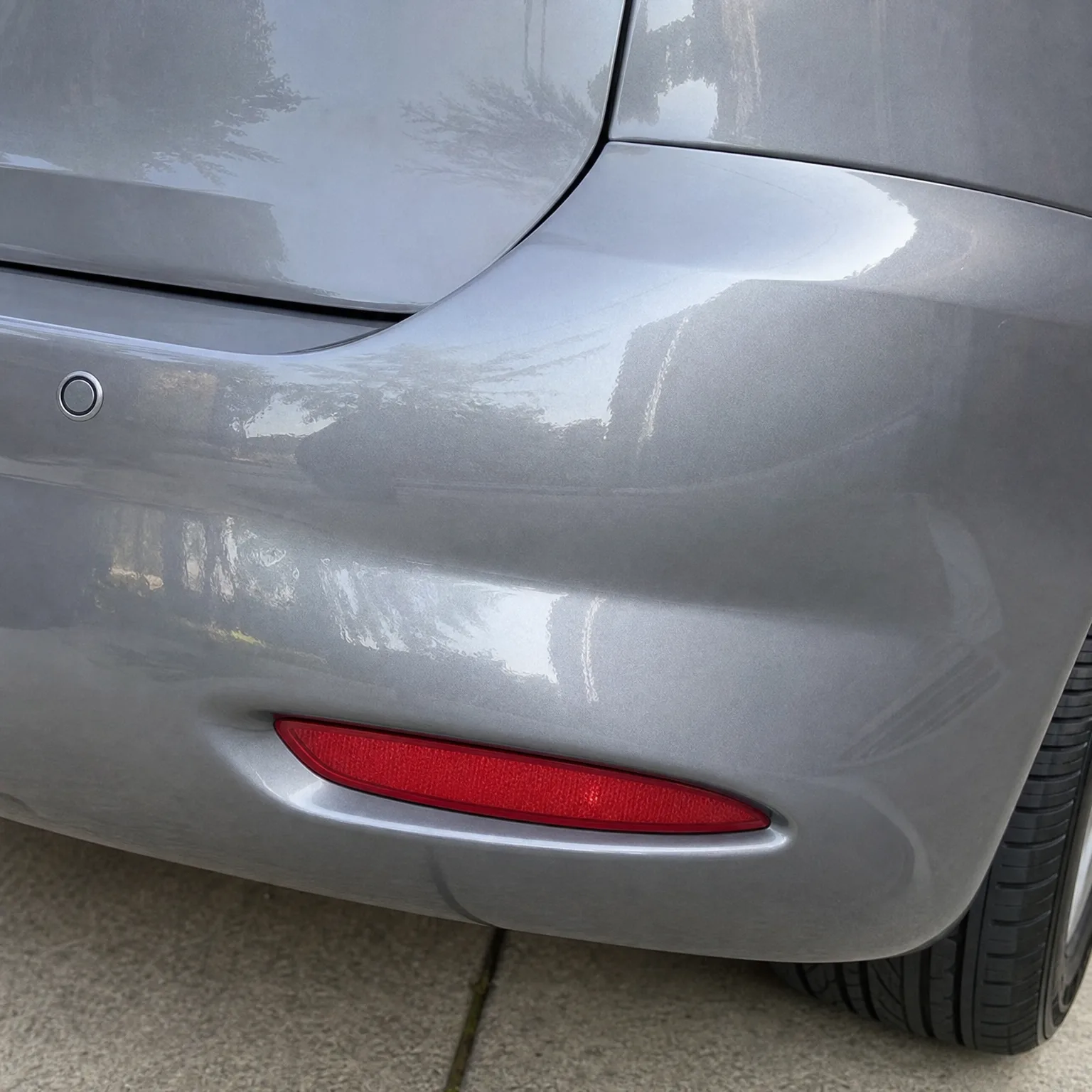
How a claim actually goes
You report the collision like any other claim, and an adjuster either inspects the car in person or reviews photos, depending on how the damage looks. Your deductible is subtracted from whatever the repair or replacement is worth, and you pay that amount while the coverage pays the rest. If the repair cost comes close to or exceeds what the car is worth, the insurer will likely declare it a total loss and pay you the car's value instead of fixing it.
Have your policy number, the date, time and location of the collision ready, along with photos of the damage and the road if you can safely take them. If you filed a police report, which is often worth doing even when it feels unnecessary, have that report number on hand too.
What the payment covers is the damage itself, not any inconvenience around it. If you need a replacement vehicle while yours is in the shop, that only happens if you separately carry rental reimbursement, so it's worth checking your policy for that line before you need it.
Deer collision coverage vs. liability coverage
Comprehensive (deer collision) coverage
This pays for damage to your own car when a deer or other animal causes it, regardless of who's at fault, since there's no other driver to blame. It also typically covers glass, weather damage and theft, so a deer strike is really just one of the things it responds to.
Liability coverage
Liability coverage pays for damage or injury you cause to someone else, their car or their property. It has nothing to do with damage to your own vehicle, deer-related or otherwise.
If your main worry is paying to fix your own car after a deer strike, that's comprehensive coverage's job, and liability coverage won't help with it at all.
Real situations
You're driving a county road at dusk and a deer runs into the side of your car, damaging the door and front quarter panel.
This pays, since it's a direct collision with an animal and exactly what the coverage is for.
You swerve to avoid a deer in the road and end up in a ditch, damaging the front end of the car on the embankment.
This usually pays too, since the swerve and resulting damage trace directly back to avoiding the animal.
Your car's transmission starts slipping a few weeks after a minor deer strike, and you're not sure if it's related.
This likely doesn't pay unless an adjuster can connect the mechanical issue directly to the impact, since unrelated wear isn't covered.
Once you know whether you're keeping, adjusting or dropping this coverage, you can compare quotes with that decision already settled.
Questions people ask about this
Does hitting a deer raise my car insurance rates in Montana?
It can, but typically less than an at-fault accident would, since the collision isn't considered your fault. How much, if anything, changes depends on your claims history and your specific policy, so it's worth asking your agent directly.
What should I do right after hitting a deer on the road?
Pull over safely, turn on your hazards, and check yourself and any passengers before looking at the car. Don't approach the animal if it's still alive, since an injured deer can be dangerous, and call for help if the car isn't driveable.
Is it legal to keep a deer I hit in Montana?
Rules about this vary by state and sometimes by situation, so check with local wildlife authorities rather than assuming. This isn't something your insurance policy addresses either way.
Will my insurance go up more for a deer claim than for other claims?
Generally no, since most insurers treat animal collisions as not-at-fault events and rate them differently than a crash you caused. Ask your agent how your specific insurer handles it, since practices do vary.
Can I still file a claim if the deer ran off after I hit it?
Yes, the claim is based on the damage to your car, not on what happened to the animal afterward. You don't need to locate or document the deer itself for the claim to go through.