Deer Collision Coverage for Seniors in South Dakota
Deer collision coverage is simply comprehensive coverage doing its job when your car hits a deer, paying to repair or replace the car minus your deductible.
What it pays for
Covers
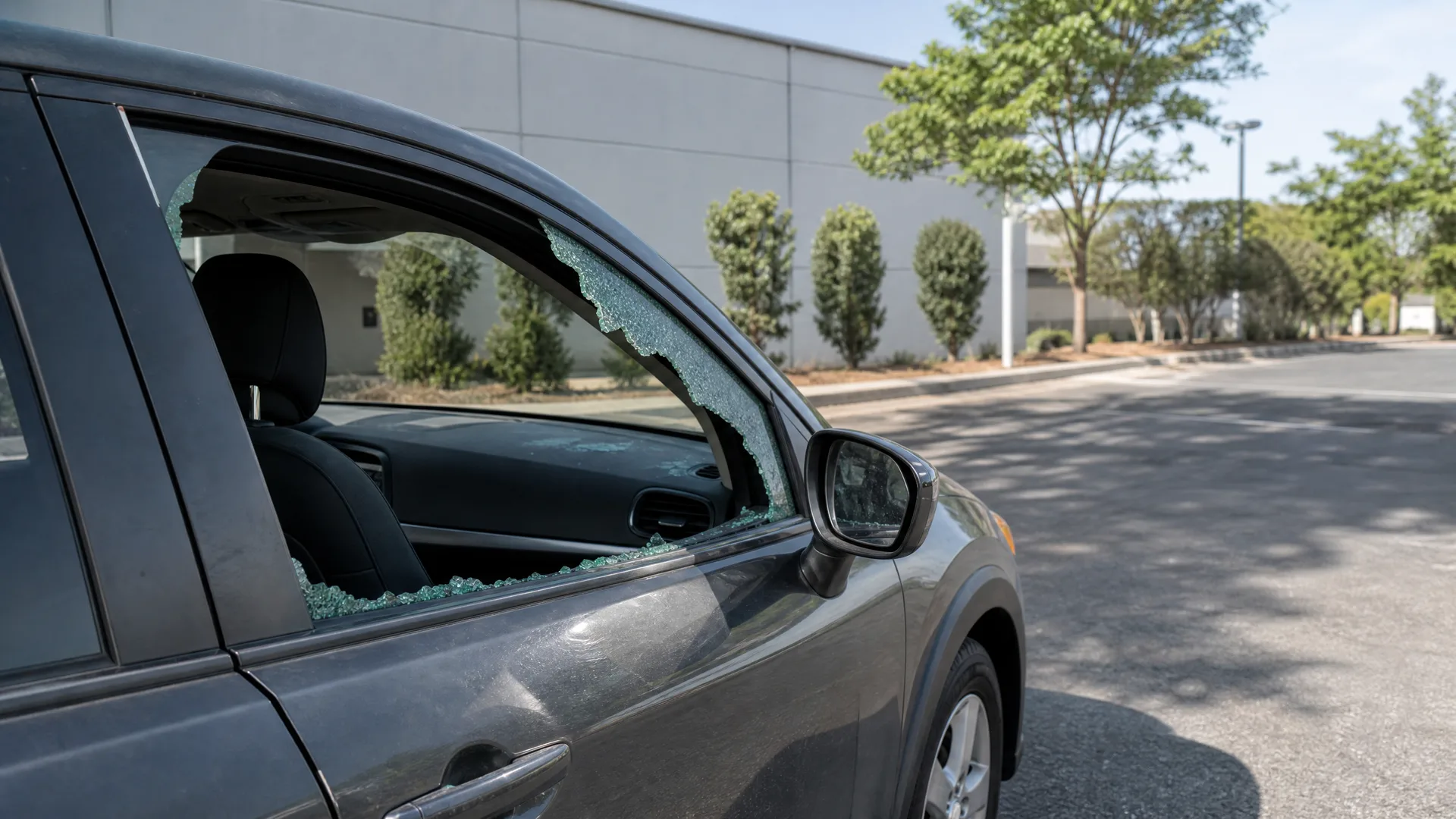
- Vehicle damage from impact Dents, broken glass, bent panels and frame damage from hitting the deer get repaired or the car gets paid out if it's totaled.
- Swerve related damage If you swerve to avoid the deer and hit a tree, ditch, or guardrail instead, that's still a comprehensive claim, not collision.
- Total loss payout If repair costs exceed what the car is worth, you get a payout based on the car's value instead of a repair bill.
- Rental car costs If you added rental reimbursement to your policy, it can cover a temporary vehicle while yours is being fixed.
- Towing from the scene If you carry towing coverage, getting the car off the road after the collision is usually included.
Doesn't cover
- Your own injuries Medical costs from the collision are handled by medical payments coverage, personal injury protection, or health insurance, not this coverage.
- Hitting another vehicle to avoid the deer If you strike another car while avoiding the deer, that's a liability or collision matter involving both drivers, not a deer claim.
- Mechanical problems unrelated to the hit A belt, hose, or battery that happens to fail around the same time isn't part of the claim unless the impact caused it.
- Cosmetic wear you had before Adjusters note pre-existing scratches, rust, or dents and won't pay to fix damage the deer didn't cause.
- The deer itself or its removal from the road Carcass removal is typically a matter for the county or state road crew, not your insurance policy.
For most older drivers who still drive regularly, this is worth keeping
The decision usually comes down to what the car is worth and what you could absorb yourself. If the car is paid off and worth very little, a deer strike might cost more to fix than the car is worth, and you'd be paying premiums for coverage that mostly just totals the car out. In that case dropping comprehensive, and this with it, can make sense. If the car still has real value or you'd struggle to replace it out of pocket, keeping the coverage protects you from a single bad evening on a dark road. Where you drive matters too. Rural roads, especially around dusk and dawn, carry more deer activity than a short in-town commute. If your driving is mostly a town loop to the store and back, your exposure is lower than someone who drives county highways after dark. How much you drive overall also shifts the odds. Fewer miles generally means fewer chances to meet a deer, but it only takes one encounter for the coverage to matter. Where the car sits at night counts for less than people think, since deer strikes happen on the road, not in the driveway, but a garaged car does avoid some other comprehensive claims like hail or theft, which can make the whole package feel more worthwhile.
What happens when you actually use it
After a deer strike, you report the claim and an adjuster either inspects the car in person or reviews photos you send in. You pay your deductible and the policy covers the rest of the approved repair cost, or if the car is totaled, you get the car's value minus that deductible. Have your policy number, the date and location of the collision, and photos of the damage ready before you call, since that speeds things along. If there's a police report, especially one documenting the deer strike, keep a copy, since some insurers ask for it to confirm what happened. The repair shop works directly with the adjuster on cost, and you're usually free to choose your own shop rather than one the insurer suggests, though using a recommended shop can sometimes speed up approval.
Deer collision coverage versus collision coverage
Comprehensive coverage (deer strikes)
This pays for damage from hitting an animal, along with other events like hail, falling objects, fire, and theft. It's what actually responds when a deer is involved, regardless of who's at fault.
Collision coverage
This pays for damage from hitting another vehicle or a fixed object like a guardrail or tree, including when you swerve off the road on your own. It applies no matter who caused the crash.
If deer are a real risk on your regular roads, comprehensive coverage is the one doing the work, but most drivers carry both together since either kind of crash can happen.
Real situations
You're driving a county road at dusk and a deer runs out, you hit it, and the front end of your car is badly damaged.
This pays, since a direct collision with an animal is exactly what comprehensive coverage handles.
A deer steps into your lane, you swerve to miss it, and your car slides into a ditch without ever touching the deer.
This still pays, because the event was triggered by the deer even though there was no direct impact.
Your car has been sitting in the driveway and a neighbor mentions deer have been eating plants in the yard, but your car is untouched.
This doesn't pay, since no collision or damage occurred, there's simply nothing to claim.
Once you know whether you want to keep, adjust, or drop this coverage, you're ready to compare quotes that reflect that choice.
Questions people ask about this
Does hitting a deer raise my insurance rates?
It can, though rules on this vary by insurer and policy, so check your own policy or ask your agent directly. Many insurers treat animal collision claims differently from at-fault accidents since you didn't cause the deer to run into the road. Still, frequent claims of any kind can affect your rate over time.
What should I do right after hitting a deer?
Pull over safely, check yourself and any passengers for injuries, and call for help if needed. Avoid approaching the deer, since an injured animal can be dangerous, and take photos of the damage and the scene if it's safe to do so. Report the collision to your insurer as soon as you reasonably can.
Does this coverage apply to hitting other animals besides deer?
Yes, comprehensive coverage applies to collisions with any animal, not just deer, including things like livestock or large birds. The deer is simply the most common example because of how often it happens on rural roads. The claim process works the same regardless of which animal was involved.
Can I still get this coverage if my car is older?
Yes, comprehensive coverage is generally available regardless of the car's age, though whether it makes financial sense depends on the car's value. Some older drivers choose to drop it on an older car once the potential payout no longer justifies the ongoing cost. Check your car's current value before deciding either way.
Will my insurance drop me for filing a deer collision claim?
A single animal collision claim is unlikely to cause a nonrenewal on its own, since insurers generally treat it as something outside your control. Patterns of frequent claims of any kind can draw more scrutiny over time. If you're concerned, ask your agent how your specific insurer handles this.