Deer Collision Coverage for Seniors in Iowa
Deer collision coverage is the part of comprehensive coverage that pays to repair or replace your car after it hits a deer or a deer hits it.
What this coverage actually pays for
Covers
- Body and frame damage Dents, broken panels, and frame damage from the impact are repaired or the car is paid out if it's totaled.
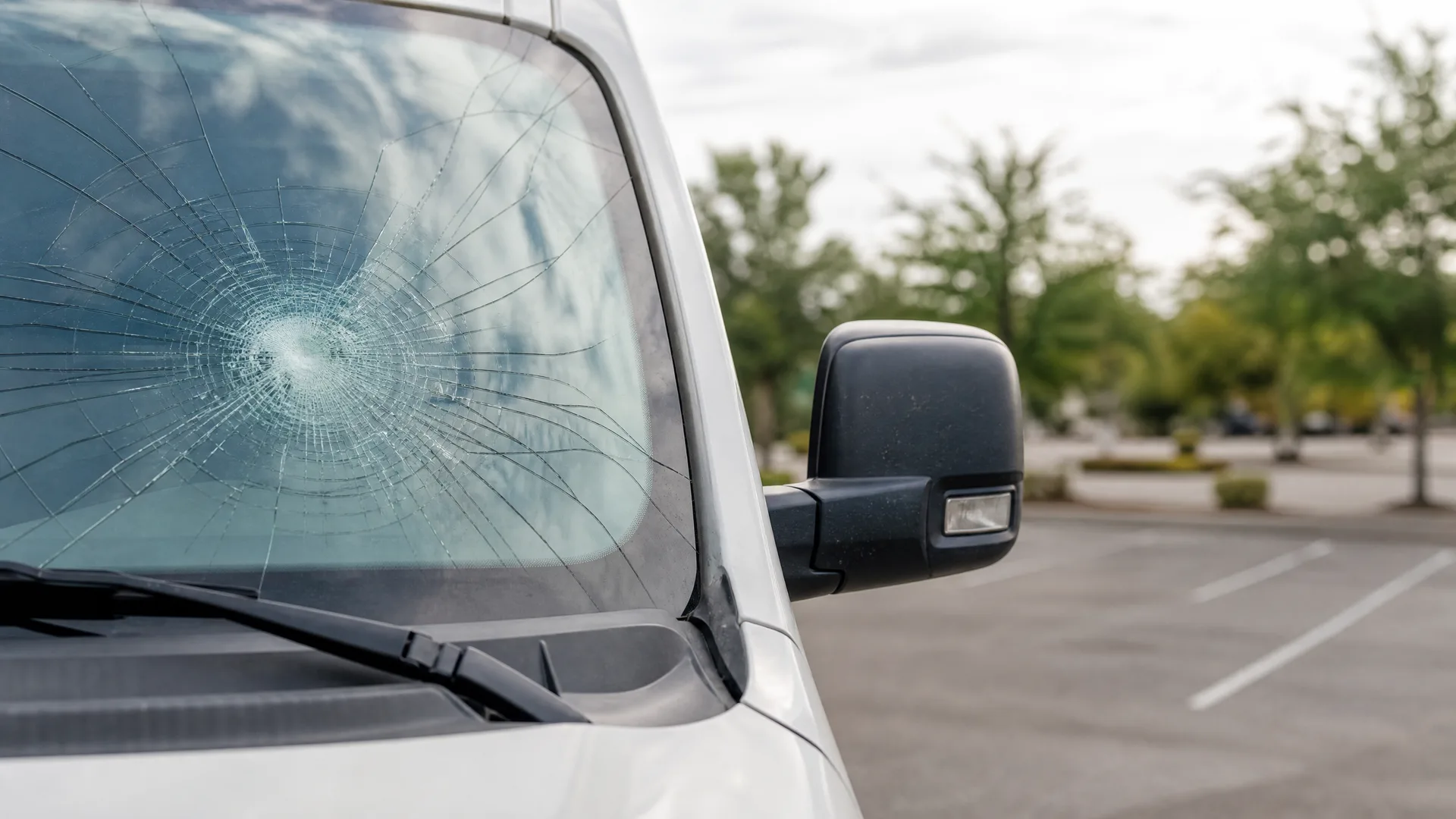
- Windshield and glass A cracked or shattered windshield from the collision is covered under the same comprehensive claim.
- Headlights and grille Front-end parts that take the brunt of a deer strike are included in the repair estimate.
- Rental car costs If you added rental reimbursement to your policy, it covers a car while yours is in the shop.
- Total loss payout If repairs would cost more than the car is worth, you're paid the car's value instead of having it fixed.
Doesn't cover
- Your own injuries Medical costs from the crash are handled by medical payments coverage or health insurance, not this one.
- Swerving to avoid a deer If you swerve and hit a tree or guardrail without touching the deer, that's usually a collision claim instead.
- Mechanical wear afterward If something unrelated breaks down weeks later, that's not tied to the deer strike and isn't covered here.
- The deer itself There's no payment for the animal or for reporting it, only for the damage it caused your car.
- A rental car upgrade You get a comparable vehicle while yours is fixed, not whatever model you'd prefer.
For most older drivers still on the road regularly, it's worth keeping
The math here comes down to what your car is worth and what you could absorb yourself. If your car is paid off and worth a modest amount, a deer strike that bends a bumper and cracks a headlight can still run into real money, more than many people want to pull from savings on short notice.
How much you drive matters too. If you're mostly on highways at dusk or dawn in rural areas, or you live somewhere deer are common along the roadside, your odds of a strike are higher than someone who drives short trips in town during daylight. A son or daughter helping a parent decide should ask where and when the car actually gets driven, not just how many miles a year.
Where the car sits overnight matters less for this coverage than for theft or vandalism, since deer strikes happen on the road, not in the driveway. What matters more is the route driven regularly.
If the car is old enough that it's worth very little, and you have enough set aside to replace it outright without strain, you can reasonably drop comprehensive coverage altogether and this goes with it. That's a real option, not a consolation prize, and plenty of people with older paid-off cars choose it.
What happens when you actually use it
A deer strike is filed as a comprehensive claim, and you pay your deductible first, with the insurer covering the rest up to the car's value. The deductible amount is something you chose when you set up the policy, so it's worth checking what yours is before you need it.
After you report the claim, an adjuster or a shop you choose gives an estimate for repairs. If the estimate comes in higher than what the car is worth, the insurer will total it and pay you that value instead of fixing it, minus your deductible.
Have your policy number, the date and location of the strike, and photos of the damage ready when you call. If you can, note whether the deer ran off or stayed on the road, since that sometimes matters for the report but rarely changes whether the claim is paid.
One claim for a deer strike generally doesn't affect your rate the way an at-fault accident would, since comprehensive claims aren't treated as your fault. That's worth asking your agent to confirm on your specific policy.
Deer collision coverage versus collision coverage
Comprehensive coverage (includes deer strikes)
This pays for damage from things that happen to your car rather than things you do while driving, like a deer strike, hail, fire, or a falling branch. It's the coverage that applies the moment the deer is involved.
Collision coverage
This pays for damage from an accident you cause, like hitting a guardrail, another car, or a tree. If you swerve to miss a deer and crash without touching it, this is the coverage that applies instead.
If deer are common on your routes, keep both, since which one pays depends entirely on whether you hit the deer or hit something else avoiding it.
Real situations
You're driving a county road at dusk and a deer runs into the side of your car, denting the door and cracking a light.
This pays, since it's a direct collision with an animal covered under comprehensive.
A deer darts into the road, you swerve to miss it, and your car slides into a ditch and hits a fence post.
This doesn't pay, since you didn't hit the deer, so it falls under collision coverage instead.
You're parked in a lot and a deer runs into your parked car while you're inside a store.
This pays, since the coverage applies whether you're driving or the car is parked when the deer makes contact.
Once you know whether to keep, adjust, or drop this coverage, you can compare quotes with that decision already settled.
Questions people ask about this
Does hitting a deer count against you like an at-fault accident?
No, a deer strike is filed as a comprehensive claim and isn't treated as your fault. Rates can still vary by insurer and by how many claims you've filed overall, so it's worth asking your agent how your specific policy handles it.
What should I do right after hitting a deer?
Pull over safely, turn on hazard lights, and check whether the car is drivable before calling it in. Take photos of the damage and the scene if you can, and avoid approaching the animal since an injured deer can be dangerous. Report it to your insurer when you're safe, even if damage looks minor.
Will my insurance drop me after a deer claim?
A single comprehensive claim for a deer strike is unlikely on its own to cause a nonrenewal, since insurers generally treat these as unavoidable rather than a sign of risky driving. Repeated claims of any kind over a short period can affect renewal, so it's worth asking your agent about your insurer's specific policy.
Does a dashcam or deer whistle lower my rate?
Not typically on its own, since these are safety devices rather than factors insurers usually price directly. Some policies offer discounts for safe-driving habits or devices, so it's worth asking your agent whether anything you've added qualifies.
Should I still carry this coverage if I rarely drive at night?
It depends more on where you drive than when, since deer strikes happen during daylight too, just less often. If your routes are mostly urban or your annual mileage is low, your risk is lower, but it isn't zero, so weigh that against what the car is worth.