Deer Collision Coverage for Seniors in Wisconsin
Deer collision coverage pays to repair or replace your car when you hit a deer, and for most policies that protection is just comprehensive coverage doing its job.
What this coverage actually pays for
Covers
- Collision with a deer Repairs to your car after you hit a deer are paid under your comprehensive coverage, not collision.
- Swerving causes a crash If you swerve to avoid a deer and hit a tree or guardrail instead, that part of the damage falls under collision coverage, which works alongside comprehensive.
- Total loss payout If the car is damaged beyond what it's worth to fix, you get paid the car's value instead of a repair bill.
- A rental car gap If you carry rental reimbursement, it kicks in while your car is in the shop after a deer claim.
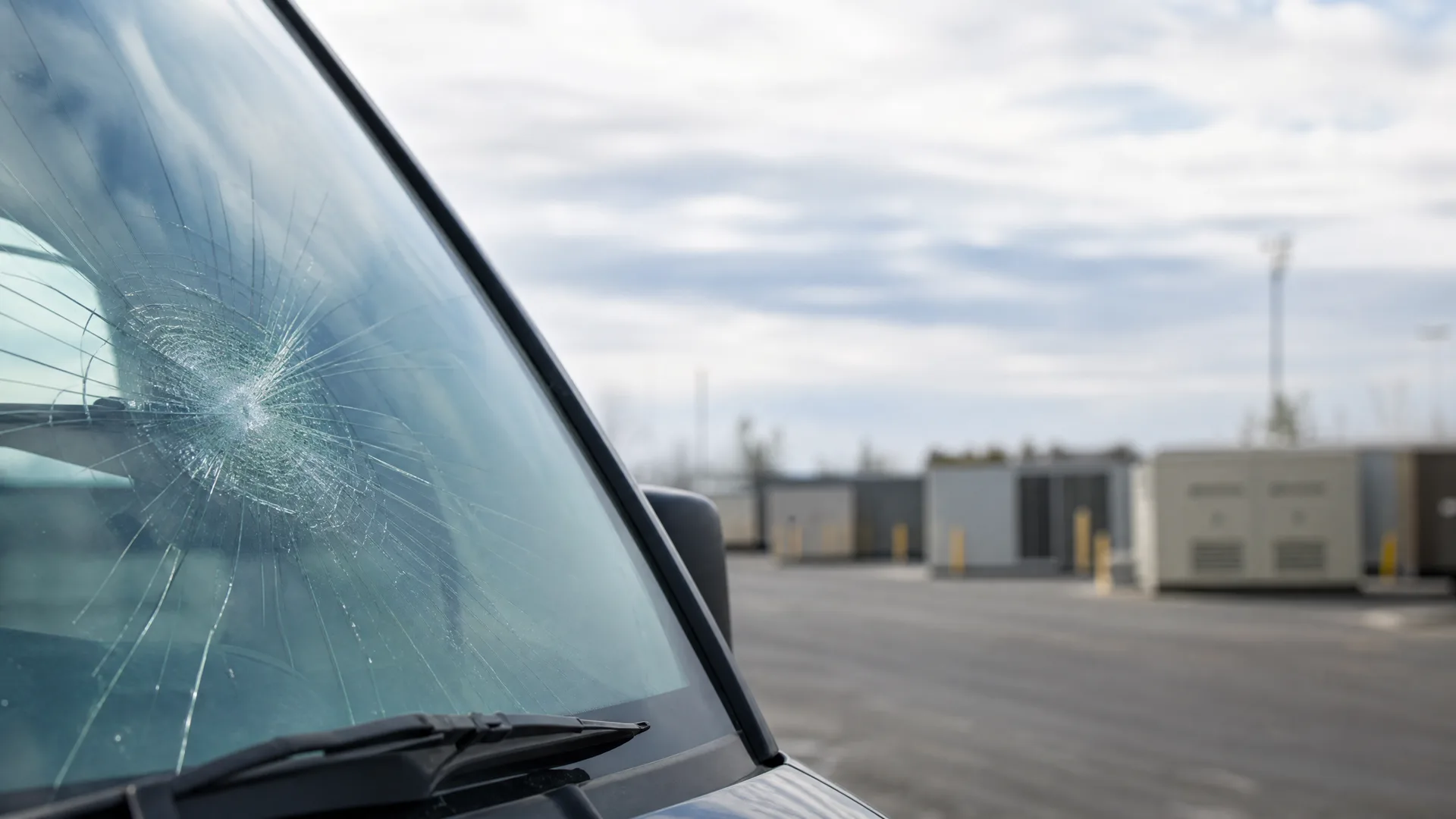
- Glass and lights Broken windshields or headlights from a deer strike are repaired under the same comprehensive claim.
Doesn't cover
- Your own injuries Medical costs from a deer collision are handled by your health insurance or by medical payments coverage, not by comprehensive.
- Normal wear or mechanical failure A belt that snaps or brakes that fail on their own aren't deer related and aren't part of this coverage.
- Hitting another vehicle while avoiding a deer Damage to someone else's car is handled by your liability coverage, a separate part of your policy.
- Rodent or pest damage under the hood That falls under comprehensive too, but it's a different claim and some insurers look at it differently than a deer strike.
- Full replacement value on an older car You're paid what the car was worth right before the crash, which may be far less than what it would cost to replace it.
For most older drivers, this coverage is worth keeping
Start with what the car is worth. If it's an older vehicle that's paid off and worth a modest amount, the math changes because the most you can collect is that value, not what a replacement would cost.
Think about what you could cover yourself. If a sudden repair bill or needing to replace the car quickly would strain your savings, carrying this coverage protects you from that shock. If you could write a check for a new car without much trouble, the coverage matters less.
Where and how much you drive counts too. Deer are most active at dawn and dusk, and rural roads, wooded areas and county highways see far more strikes than city driving. If your daily routine runs through that kind of country, your odds of a claim go up.
Where the car sits overnight matters as well. A car kept in a garage avoids some risk, but once you're driving at dusk on a rural road, the garage doesn't help you.
What happens when you file a claim
You'll choose a deductible when you set up this coverage, and that amount comes out of whatever the claim pays. A higher deductible lowers what you pay for the coverage but means more comes out of your pocket at claim time.
After a deer strike, you report the claim, and an adjuster or an estimate shop looks at the damage. If repairs cost less than the car is worth, they authorize the repair. If the damage exceeds the car's value, they declare it a total loss and pay you that value instead.
Have your policy number, the date and rough location of the collision, and photos of the damage ready when you call. If you can, note whether the deer was struck directly or whether you swerved, since that detail affects whether the claim falls under comprehensive or collision.
The payment covers the vehicle damage itself. It doesn't cover your medical bills, lost wages, or a rental car unless you've added that coverage separately.
Comprehensive versus collision coverage
Comprehensive coverage
This is the coverage that actually pays for a deer strike, along with other sudden events like falling trees, hail, fire or theft. It's not something you hit on purpose and not a crash with another car.
Collision coverage
This pays when your car hits another vehicle or object, or rolls over, regardless of who caused it. If you swerve away from a deer and hit something else, this is the coverage that responds.
Most drivers in deer country want both, since one covers the deer itself and the other covers what happens if you try to avoid it.
Real situations
You're driving a county road at dusk and a deer runs into your path. You hit it directly and the front end of the car is badly damaged.
This pays, since a direct collision with an animal falls under comprehensive coverage.
Hail hits your car overnight while it's parked outside during a storm, leaving dents across the hood and roof.
This doesn't involve a deer, but it's still a comprehensive claim since hail is a similar sudden, non-collision event.
You see a deer ahead, swerve to miss it, and instead strike a mailbox and a fence post.
This doesn't pay on its own, since hitting the mailbox is a collision claim, not a comprehensive one.
Once you know whether to keep, adjust or drop this coverage, you're ready to compare quotes with that decision already settled.
Questions people ask about this
Does hitting a deer raise my insurance rates?
Often it doesn't raise your rates the way an at-fault crash would, since comprehensive claims are typically treated as no-fault events. Insurers vary on this, so it's worth asking yours directly how they handle it. Checking your own policy or asking your agent is the only way to know for sure in your case.
What should I do right after hitting a deer?
Pull over safely and check yourself and any passengers for injuries first. Call for help if the car isn't driveable or if the deer is blocking the road, and take photos of the damage before you leave the scene. Report the claim to your insurer as soon as you reasonably can.
Is deer collision coverage required by law?
Whether any coverage is required varies by state, so check your own policy or your state's rules rather than assuming. Comprehensive coverage, which includes deer strikes, is usually optional unless a lender requires it on a financed car. Once a car is paid off, that requirement disappears.
What if the deer survives and runs off?
The claim still goes through the same way, based on the damage to your car rather than what happened to the deer. You don't need to locate the animal or prove its condition. A written description and photos of your car's damage are what the claim relies on.
Does my coverage pay to repair my car or just replace it?
It can do either, depending on how bad the damage is compared to what the car is worth. If repairs cost less than the car's value, the insurer typically pays for repairs. If the damage exceeds that value, they'll pay you the car's worth instead and treat it as a total loss.