Deer Collision Coverage for Seniors in Minnesota
Deer collision coverage is the part of your policy, usually comprehensive, that pays to repair or replace your car after you hit a deer.
What this coverage pays for
Covers
- Vehicle damage from the strike Dented fenders, broken headlights, a cracked windshield frame, or structural damage from hitting the animal are repaired or paid out.
- Swerve-to-avoid crashes with no contact If you swerve to miss a deer and hit a tree or guardrail instead, this is usually what covers that, not collision coverage.
- Total loss payout If the car is damaged beyond what it's worth to repair, you're paid the car's value instead of a repair bill.
- Rental car while yours is fixed Many policies include this or let you add it, so check your own declarations page for whether it's there.
- Repeat incidents There's no limit on how many times you can use this coverage for separate deer strikes over the life of the policy.
Doesn't cover
- Hitting another vehicle swerving If you swerve and hit another car instead of an object, that's a liability or collision matter between drivers, not this coverage.
- Your own injuries Medical costs from the crash are handled by medical payments coverage, personal injury protection, or health insurance, not this one.
- Mechanical breakdown unrelated to the strike If something else in the car fails around the same time, that's a separate mechanical issue and isn't tied to the deer claim.
- Damage from driving on after the hit If you keep driving and cause further damage to the engine or undercarriage, the insurer may ask when that damage happened and whether it was avoidable.
- Cosmetic wear unrelated to the incident Existing dents, rust, or faded paint nearby won't be rolled into the claim just because you're already getting repairs done.
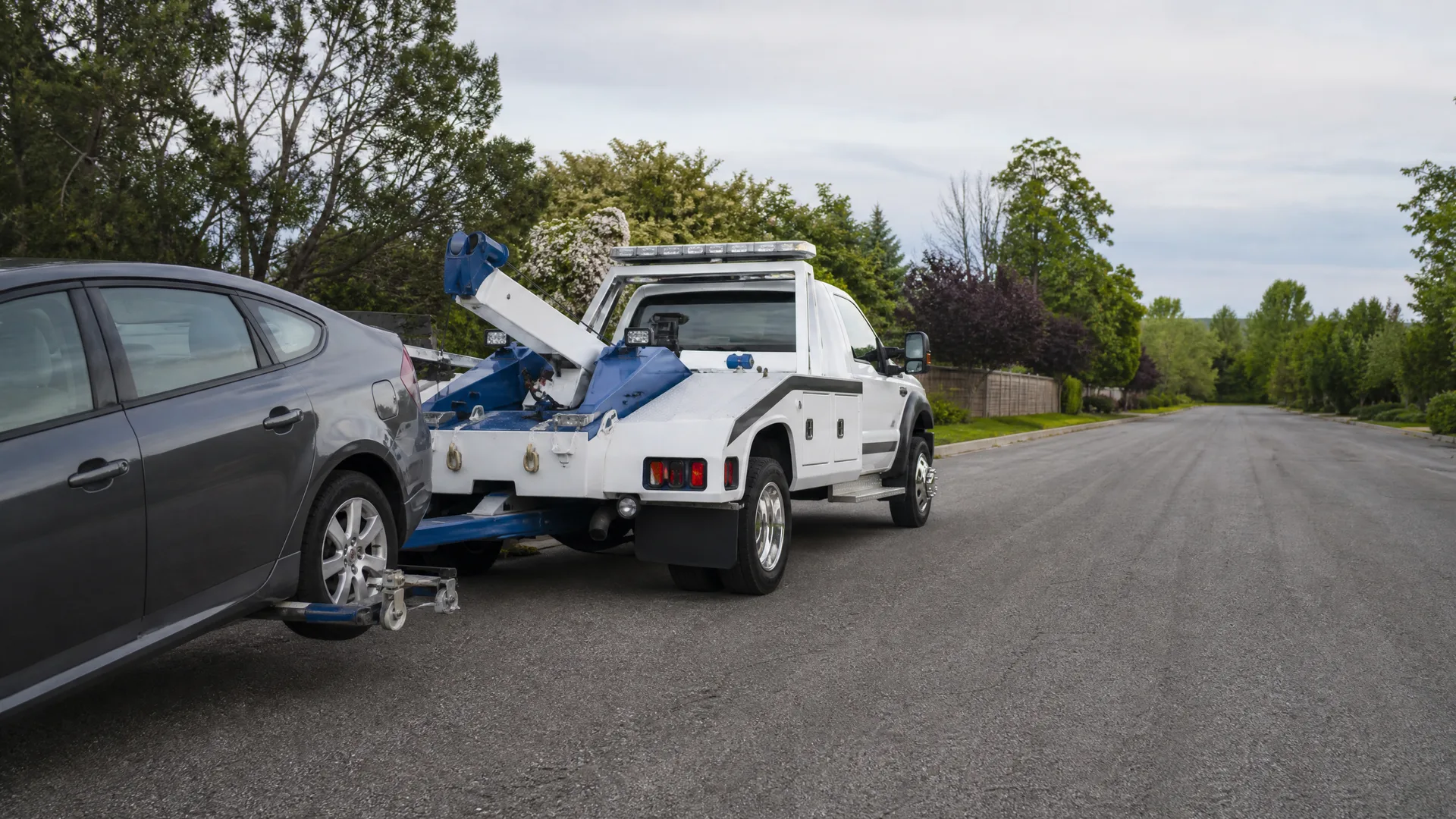
Worth keeping for most older drivers who still drive rural or wooded roads
If your car is paid off and worth a real amount of money, this coverage is doing its job every time you drive somewhere with deer around. The payout replaces a vehicle you couldn't easily afford to replace out of pocket, which is the entire point of carrying it.
If the car is older and worth very little, the math changes. A low vehicle value means a small payout, and at some point the premium you're paying starts to rival what you'd ever collect. That's worth checking against your own car's value rather than assuming.
How much you drive and where matters too. Someone who still drives at dusk on county roads through wooded areas is a different risk than someone who mostly drives in town during daylight. If your driving has shrunk in recent years, your exposure has shrunk with it.
Where the car sits overnight matters less for this coverage than people think, since the risk here is from driving, not parking. What matters more is whether you could absorb a sudden repair bill from savings without it being a real strain. If you could, dropping or lowering this coverage is a reasonable choice. If you couldn't, keeping it is the safer one.
What actually happens when you file a claim
You pay your deductible and the insurer covers the rest of the repair or the vehicle's value, whichever applies. The deductible amount is set on your policy, so check yours rather than assuming it matches what a neighbor has.
Most claims start with a call or online report describing when and where the strike happened. The insurer will usually want to know whether you saw the deer, whether there was any swerve or secondary impact, and whether the car is still drivable.
An adjuster or a photo-based review determines whether the car is repaired or declared a total loss. If it's repaired, the shop deals directly with the insurer on the estimate. If it's a total loss, you're paid the car's value and the insurer typically takes the vehicle.
Have your policy number, the date and location of the strike, and photos of the damage ready before you call. If a police report was filed, have that too, since some insurers ask for it on these claims even when no other vehicle was involved.
Deer collision coverage versus collision coverage
Deer collision coverage (comprehensive)
This pays for damage from hitting an animal, or from swerving to avoid one without hitting anything else. It's part of comprehensive coverage and generally carries a separate, often lower, deductible than collision.
Collision coverage
This pays for damage from hitting another vehicle or an object, including a tree or guardrail you swerved into. It applies regardless of what caused the crash, as long as something was struck.
If you're deciding which one to carry, lean toward keeping comprehensive for deer strikes if you drive rural roads often, and keep collision too if you'd swerve rather than brake.
Real situations
You're driving home at dusk on a county road and a deer runs into the side of your car, denting the door and breaking a light.
This pays, since it's a direct strike covered under comprehensive.
A deer darts out and you swerve to miss it, running off the road into a ditch and hitting a fence post.
This pays, since swerving to avoid the deer without hitting it is treated the same as a direct strike.
You hit a deer, keep driving twenty miles, and the engine seizes up later that night.
This may not pay in full, since the insurer may question whether continuing to drive caused separate damage.
Once you know whether this coverage still fits your car and your driving, compare quotes with that deductible and coverage level already decided.
Questions people ask about this
Does hitting a deer raise your insurance rates?
It can, but it depends on your insurer and your overall claims history, so check how your policy treats comprehensive claims specifically. Some insurers treat animal strikes differently than at-fault accidents since there's no fault involved. Ask your agent directly rather than assuming it works like a collision claim.
What do I do if I hit a deer and it's still alive?
Move your car to safety first and call for help rather than approaching the animal yourself. Local authorities or animal control typically handle the deer itself. Your insurance claim can be filed separately once you and the car are safe.
Do I need a police report after hitting a deer?
Not always, but some insurers ask for one before paying a claim, so it's worth filing one if you can. It also creates a record of the time and location if there's any question later about how the damage happened. Check your policy or ask your agent what your insurer specifically requires.
Will my premium go up if I never file a deer claim?
No, premiums are based on claims you actually file, not on deer activity in your area in general. However, some insurers do factor in regional deer collision rates when setting rates for everyone in that area. That's a pricing factor, not a penalty tied to your own driving.
Can I get deer collision coverage without full comprehensive coverage?
No, this coverage is part of comprehensive coverage and isn't sold as a standalone add-on. If you want protection against deer strikes, you need comprehensive coverage on the policy. Dropping comprehensive to save money means giving up this protection along with everything else it covers.