Deer Collision Coverage for Seniors in Michigan
Deer collision coverage, usually part of comprehensive coverage, pays to repair or replace your car after you hit a deer or another animal on the road.
What it pays for
Covers
- Vehicle damage from the strike Dented fenders, broken headlights, cracked windshields and frame damage from hitting an animal are covered.
- Total loss payouts If the damage costs more to fix than the car is worth, the insurer pays you the car's value instead of repairing it.
- Swerving into an object If you swerve to miss a deer and hit a tree, guardrail or ditch instead, this still counts as the same kind of claim.
- Other animal strikes Coverage applies to collisions with other animals too, like a stray dog or a large bird through the windshield.
- Rental car while yours is fixed If your policy includes rental reimbursement, that benefit applies to a deer claim the same as any other covered claim.
Doesn't cover
- Injuries to you or passengers Medical costs from the crash come from your medical payments or personal injury protection coverage, not this one.
- Damage from avoiding a deer by braking only If you brake hard and are rear-ended, or you lose control and roll without hitting anything, that may fall under collision coverage instead.
- Mechanical breakdowns found later A problem that shows up weeks later and isn't tied to the crash itself is treated as regular wear and isn't part of the claim.
- Damage to someone else's property If you hit a deer and then hit a neighbor's fence, your liability coverage handles the fence, not this coverage.
- Diminished resale value Most policies pay to repair the car to good condition but don't pay extra for the fact that a repaired car is worth less to a buyer.
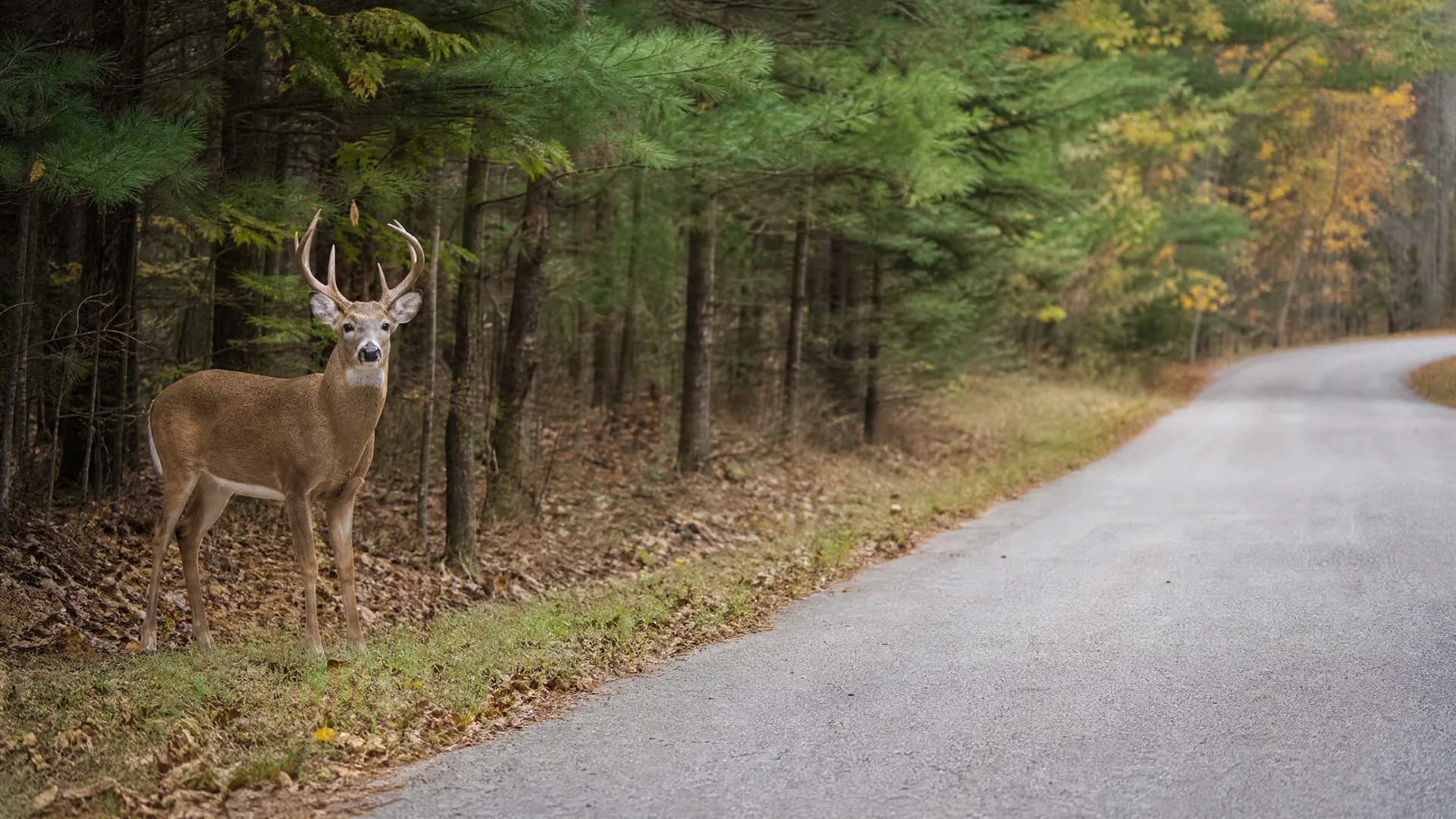
For most older drivers who still drive regularly in deer country, it's worth keeping
The math on this coverage comes down to what your car is worth and what a repair bill would actually cost you. If your car is older and worth very little, a bumper or headlight repair might not clear your deductible by much, and you'd be paying premium for a benefit you'd rarely use. If the car is newer or you still owe money on it, the math flips, since a single strike can total a car that still has years of payments left.
How much you drive matters as much as what you drive. A driver who still commutes daily on rural or wooded roads faces a real and recurring risk, especially around dawn and dusk in fall. A driver who mostly makes short trips around town, or has cut back on driving altogether, faces much less exposure and might reasonably decide the coverage isn't earning its keep.
Where the car sits overnight and during the day also plays a role. A car kept in a garage in a subdivision sees less animal activity than one parked at a farmhouse or near open fields and tree lines. If you've lived in the same place for years, you probably already have a sense of how often deer turn up near your home or along your regular routes.
The last piece is simple: could you cover a repair bill out of savings without it changing your month? If a totaled car or a major repair would strain your finances, keeping this coverage is the safer choice. If you could absorb that cost without much trouble, dropping it on an older, low-value car is a reasonable way to trim your premium.
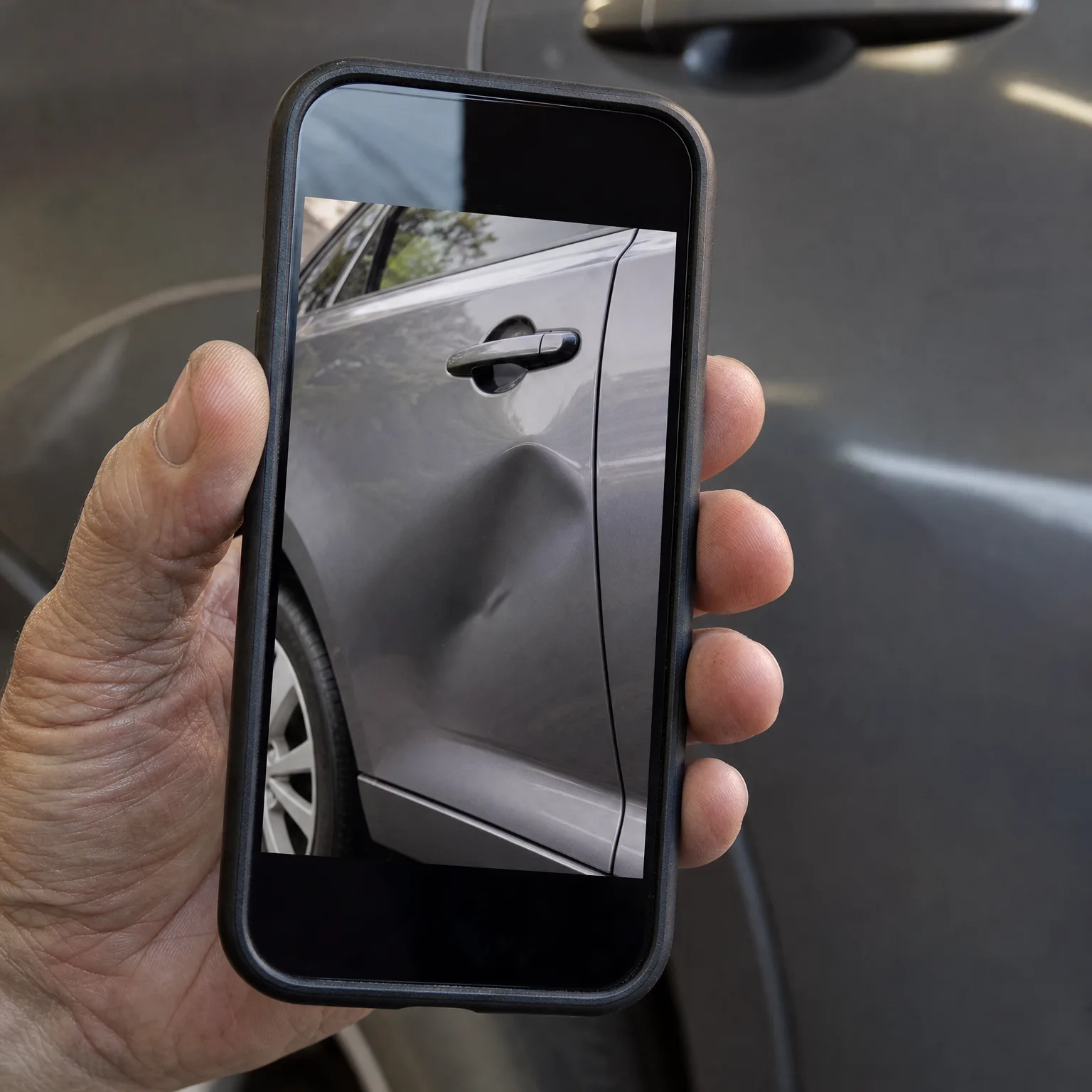
What happens when you actually file a claim
This coverage works like other comprehensive claims. You pay your deductible, and the insurer covers the rest of the repair or the car's value if it's totaled. The deductible amount is something you chose when you set up the policy, so it's worth checking your declarations page to see what yours is before you assume anything.
After a strike, you'll typically file a claim by describing what happened and where, and the insurer may ask whether you filed a police report. Many drivers do file one, partly because it documents the animal strike clearly and keeps the claim from being mistaken for a different kind of accident. The car then goes to a shop for an estimate, and the insurer either approves the repair or determines the car is a total loss.
Have your policy number, the date and location of the strike, and any photos of the damage ready when you call. If the car isn't safely drivable, most policies also cover towing it to a shop, which is worth asking about when you report the claim.
One thing to know going in: filing this kind of claim is typically treated differently from an at-fault accident, since you didn't cause the animal to be there. That doesn't mean it never affects your premium, but it's generally viewed as a different category of claim by insurers.
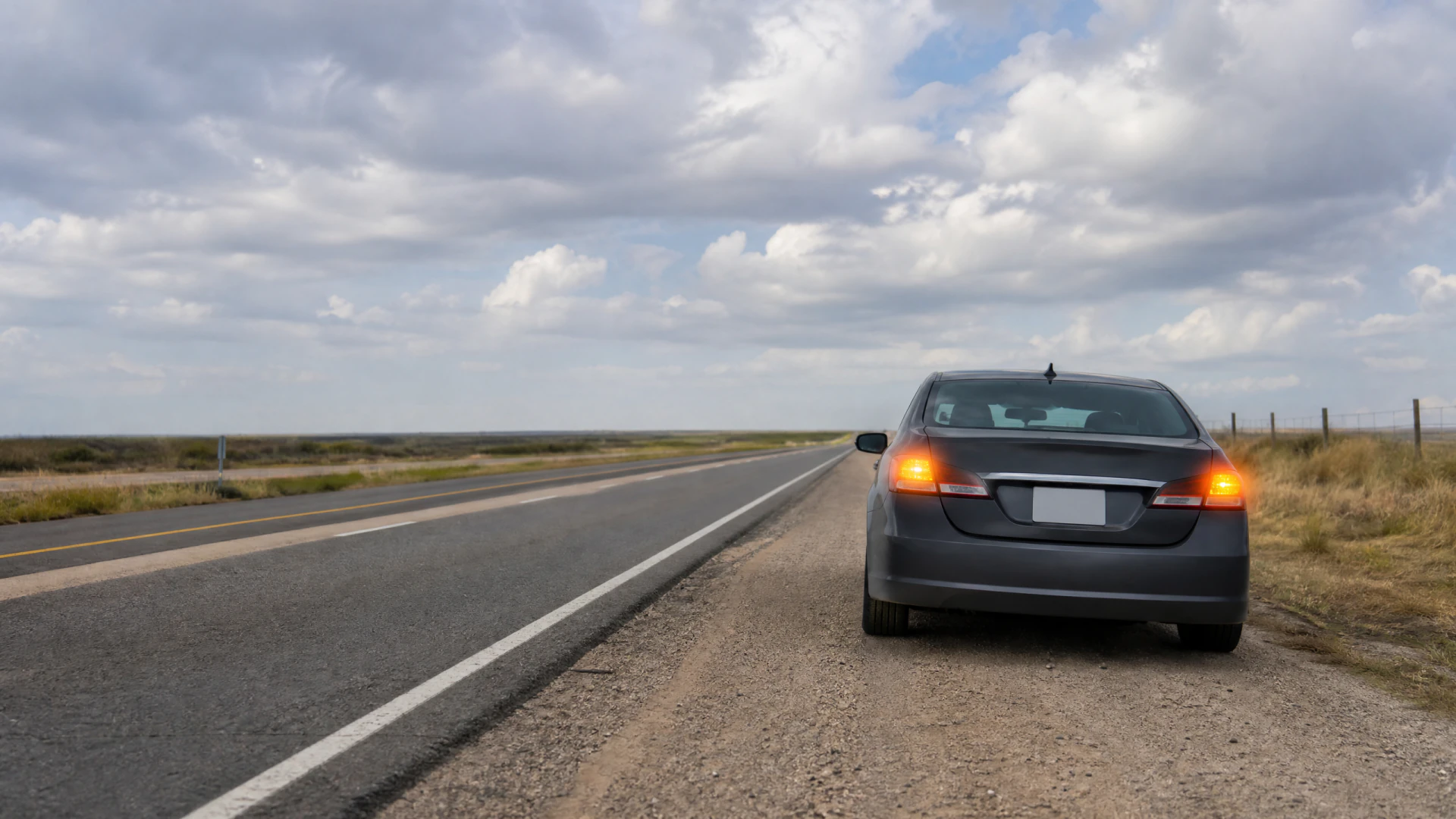
Deer collision coverage versus collision coverage
Deer collision coverage
This pays for damage from hitting an animal, whether you strike it directly or swerve into something else trying to avoid it. It's usually part of comprehensive coverage and often has a separate, often lower, deductible than collision.
Collision coverage
Collision coverage pays for damage from hitting another vehicle or a fixed object, like a guardrail or a tree, when you're at fault. It also covers single-car accidents like sliding off the road in bad weather.
If your accident involved an animal anywhere in the sequence of events, lean on deer collision coverage first, since it often costs less to use.
Real situations
You're driving home at dusk on a county road and a deer runs into your path. You can't stop in time and the front end of your car is badly damaged.
This pays, since it's a direct animal strike covered under comprehensive.
A deer darts out and you swerve to miss it, but you end up in a ditch with a bent axle and no damage from the deer itself.
This still pays, because the crash happened while avoiding the animal.
Your car is parked in the driveway overnight and in the morning you find a large dent and deer hair on the hood, with no idea when it happened.
This usually pays, since the damage is clearly from an animal strike even without a witnessed collision.
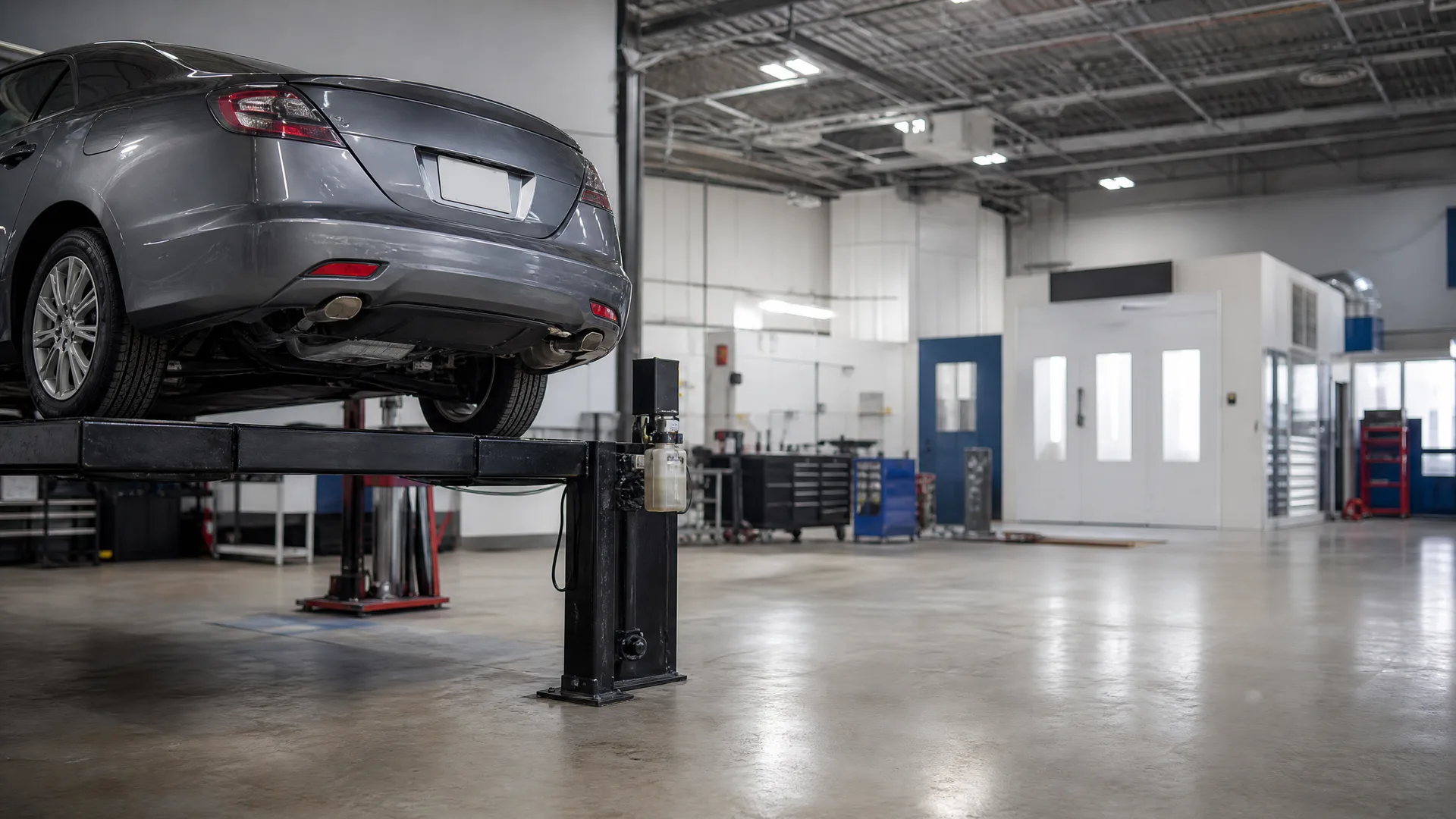
Once you know whether to keep, adjust or drop this coverage, you're ready to compare quotes with that decision already made.
Questions people ask about this
Does my policy automatically include deer collision coverage?
Not automatically. It's generally part of comprehensive coverage, so if you don't carry comprehensive, you likely don't have this protection either. Check your declarations page for a line labeled comprehensive, since that's where this coverage lives on the policy.
Will hitting a deer raise my insurance rates?
It depends on the insurer, since animal strikes are usually treated as not-at-fault claims. Even so, filing any claim can sometimes affect pricing at renewal, so it's worth asking your agent how your specific insurer handles it.
What should I do if I hit a deer and it's still alive?
Stay in the car and keep your distance, since an injured deer can be unpredictable and dangerous. Contact local authorities for guidance on the animal, and once it's safe, document the damage to your car for the claim.
Does this coverage apply if I hit a deer in a parking lot?
Yes, since the coverage applies wherever the strike happens, not just on rural roads. The location matters less than the fact that the damage came from hitting an animal.
Is deer collision coverage required by law?
Whether any related coverage is required varies by state, so check your own policy or state requirements rather than assuming. In many cases it's optional and tied to whether you choose to carry comprehensive coverage at all.