Collision Coverage on an SUV
Collision coverage pays to repair or replace your SUV when it hits another vehicle or object, or rolls, no matter who caused it.
What collision coverage pays for
Covers
- Hitting another vehicle If you're at fault in a crash, this pays to fix your SUV rather than leaving the cost to you.
- Hitting a fixed object A mailbox, a guardrail, a parked car in a lot, a tree you didn't see in time, all fall under this.
- Single vehicle rollover If your SUV rolls or flips without another car involved, collision is what responds.
- Potholes and road damage Hard impact with pavement, a curb, or a pothole deep enough to damage the frame or wheels is covered.
- Hit and run damage to your car When the other driver can't be found, collision covers your SUV since there's no other policy to pursue.
Doesn't cover
- Deer and animal strikes Hitting an animal falls under comprehensive coverage instead, not collision, even though the damage looks the same.
- Hail, flood, and fire Weather and other non collision events are comprehensive claims, a separate coverage with its own deductible.
- Theft of the vehicle If the SUV is stolen outright, that's comprehensive too, not collision.
- Injuries to you or passengers Medical costs are handled by medical payments, personal injury protection, or health insurance, depending on what you carry.
- Mechanical breakdown A transmission failure or engine problem isn't a collision and isn't covered by any part of a standard auto policy.
Worth it if the SUV still has real value, questionable if it doesn't
Start with what the SUV is worth today, not what you paid for it years ago. If it's an older model that's dropped a lot in value, the most collision would ever pay you is close to what you'd get selling it outright, and that number shrinks every year.
If the SUV is paid off, you get to decide how much risk to carry yourself. Some drivers in their sixties and beyond have enough set aside that they could cover a full repair or replacement from savings without much strain, and for them, dropping collision frees up money every month for a risk they can absorb.
How much you drive matters too. A low mileage driver who mostly runs errands close to home has fewer chances to total the car than someone still commuting or driving long distances to see family.
Where the SUV sits overnight also plays a part. A vehicle kept in a garage faces less risk of being backed into or clipped than one parked on a street or in a shared lot.
How a collision claim actually plays out
You pick a deductible when you set up the policy, and that's the amount you pay first before the coverage pays the rest. A higher deductible means a lower premium, but it also means more of a small accident comes out of your pocket before coverage kicks in at all.
After a crash, you report the claim, the insurer sends someone to inspect the SUV or asks you to get an estimate, and they decide whether to repair it or declare it a total loss. If it's repairable, the shop gets paid the repair cost minus your deductible. If it's totaled, you get the vehicle's value minus the deductible, not the cost to replace it with a new one.
Have your policy number, photos of the damage, and a police report if one was filed. If another driver was involved, their information helps too, even though fault doesn't affect whether collision pays.
What it won't cover is a rental car while yours is in the shop, unless you've added that separately, so ask about that before you need it.
Collision versus comprehensive
Collision coverage
This pays for damage from hitting another vehicle or object, or from a rollover. It applies no matter who's at fault.
Comprehensive coverage
This pays for damage that isn't a collision, like hail, fire, theft, vandalism, or hitting an animal. Many policies require you to carry both or neither.
If you're reconsidering collision because the SUV has lost value, look at comprehensive the same way, since the same math about the car's worth applies to both.
Real situations
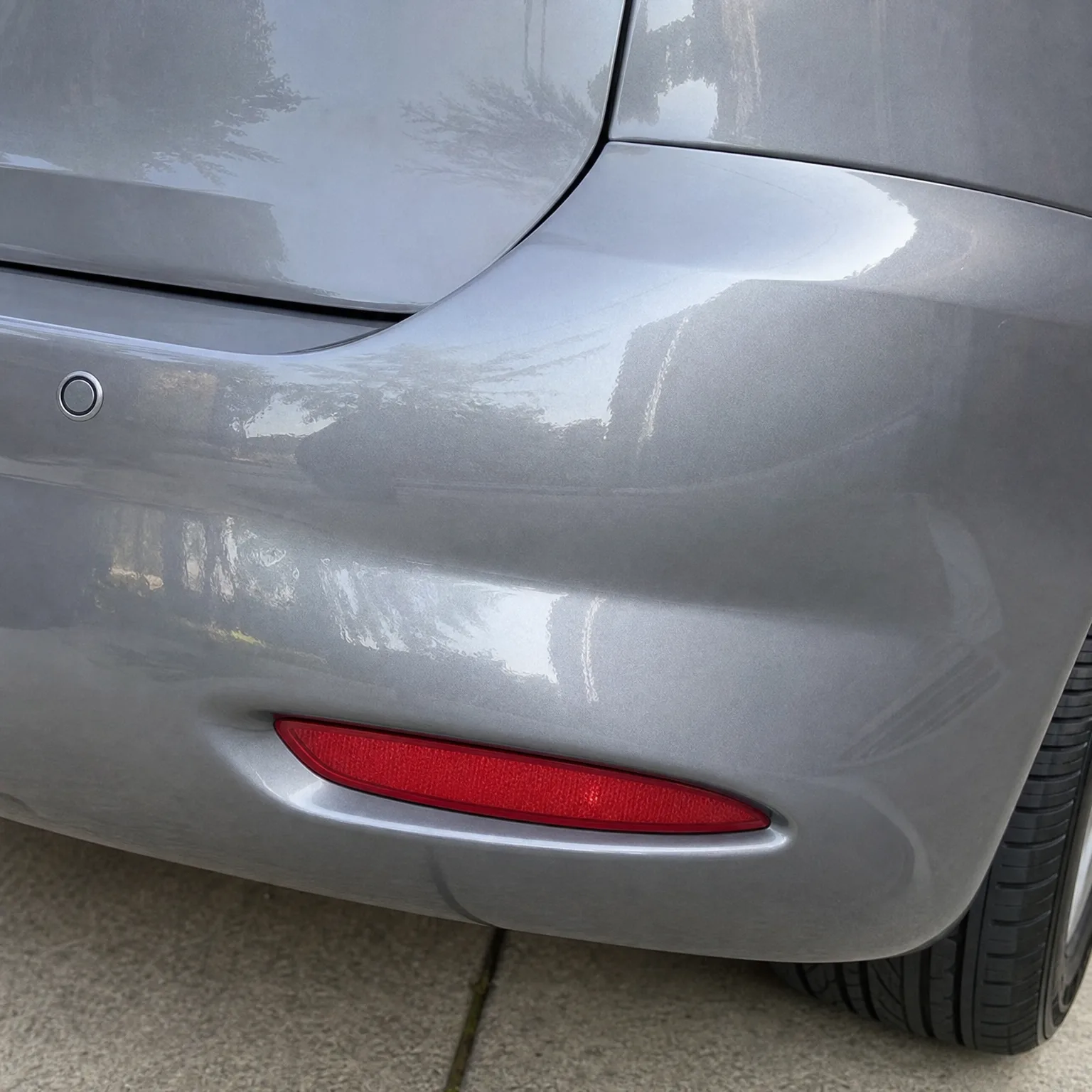
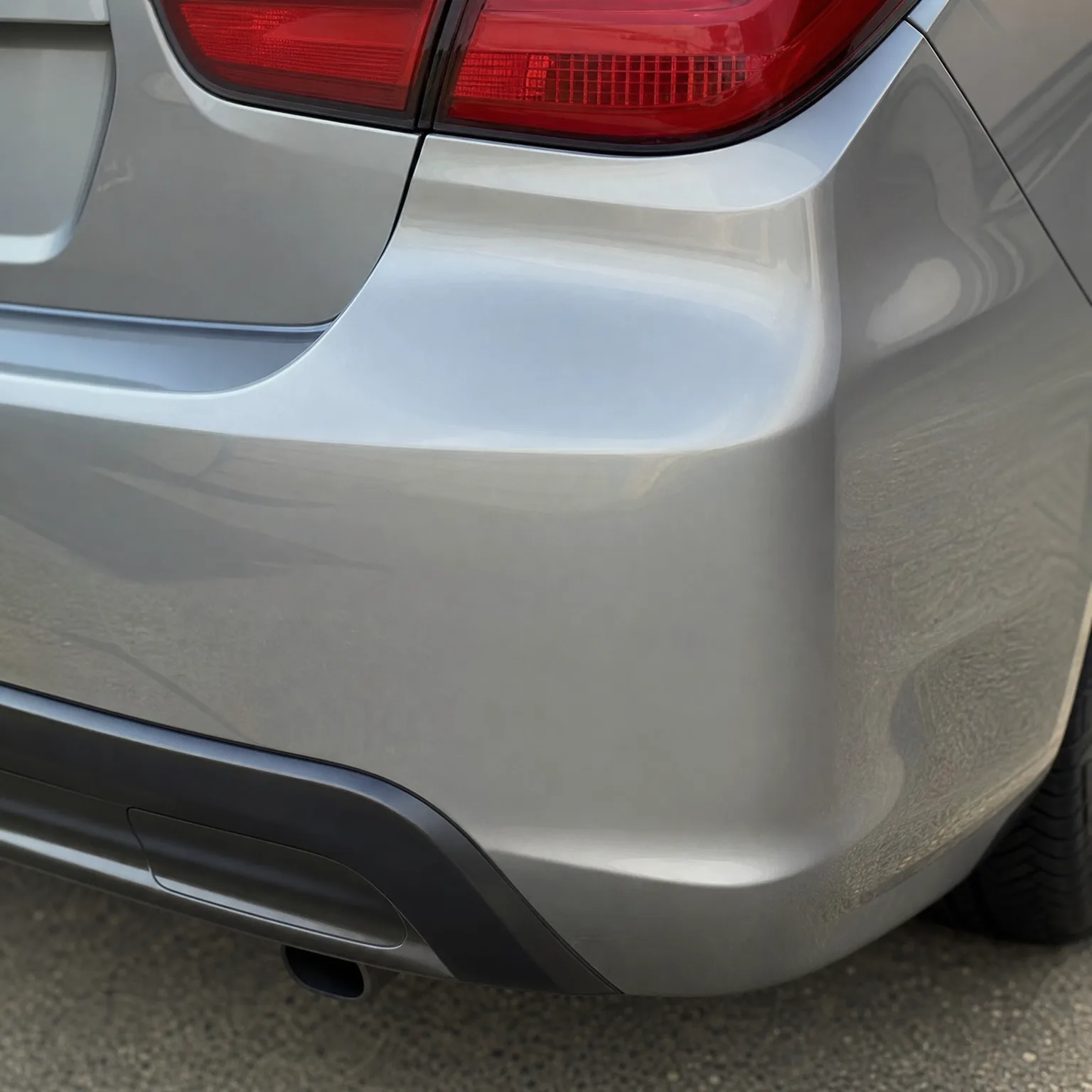
You're backing out of a grocery store parking lot and clip a concrete pillar, denting the rear panel.
Collision pays for the repair, minus your deductible, since this is a crash into a fixed object.
A hailstorm hits while your SUV is parked at church and dents the hood and roof.
Collision doesn't pay here, since hail is a comprehensive claim, not a collision.
A deer steps into the road at dusk on a county highway and you can't stop in time.
Collision doesn't pay for this either, since animal strikes fall under comprehensive coverage.

Once you've decided whether to keep, drop, or adjust collision coverage on your SUV, you're ready to compare quotes with that decision already made.
Questions people ask about this
What is my SUV worth for insurance purposes?
Insurers use the vehicle's current market value, based on its age, mileage, and condition, not what you originally paid. You can get a rough idea from vehicle value guides or by asking your insurer directly what figure they'd use. This number is what determines whether collision coverage still makes financial sense.
Can I drop collision coverage if my SUV is paid off?
Yes, once a vehicle is paid off, you're free to drop collision coverage since there's no lender requiring it. The decision then comes down to whether you could afford to repair or replace the SUV yourself if something happened to it. Check your state's rules too, since minimum coverage requirements vary and are worth confirming with your policy.
Does collision coverage follow the driver or the car?
It follows the car listed on the policy, not any one driver. That means if someone else drives your SUV with your permission and causes a crash, collision coverage still applies. Check your policy for any listed driver exclusions, since those can change this.
Will my collision claim raise my rates?
A collision claim can affect your rates at renewal, especially if you're found at fault, though this varies by insurer and by state. Some policies include forgiveness for a first accident after years of clean driving. It's worth asking your insurer directly how a claim would affect your specific policy before you file.
What happens if the repair costs more than the SUV is worth?
If the estimated repair cost exceeds the vehicle's value, the insurer typically declares it a total loss instead of repairing it. You'd then receive a payout based on the SUV's value minus your deductible, not the repair estimate. This is more common on older vehicles, which is part of why their value matters so much to this decision.