Collision Coverage on a New Car
Collision coverage pays to repair or replace your car when it hits another vehicle or object, or rolls over, no matter who caused it.
What collision coverage actually pays for
Covers
- Hitting another vehicle If you're at fault in a crash, this pays to fix or replace your own car.
- Hitting a fixed object A mailbox, a guardrail, a light pole, a parked car, all of it counts.
- Single car rollovers If you lose control and roll the car without hitting anything else, this still applies.
- Potholes and road damage Damage from hitting a pothole or a chunk of debris in the road is treated as a collision.
- Hit and run damage to your car If the other driver takes off and can't be found, this covers your car as if you were at fault.
Doesn't cover
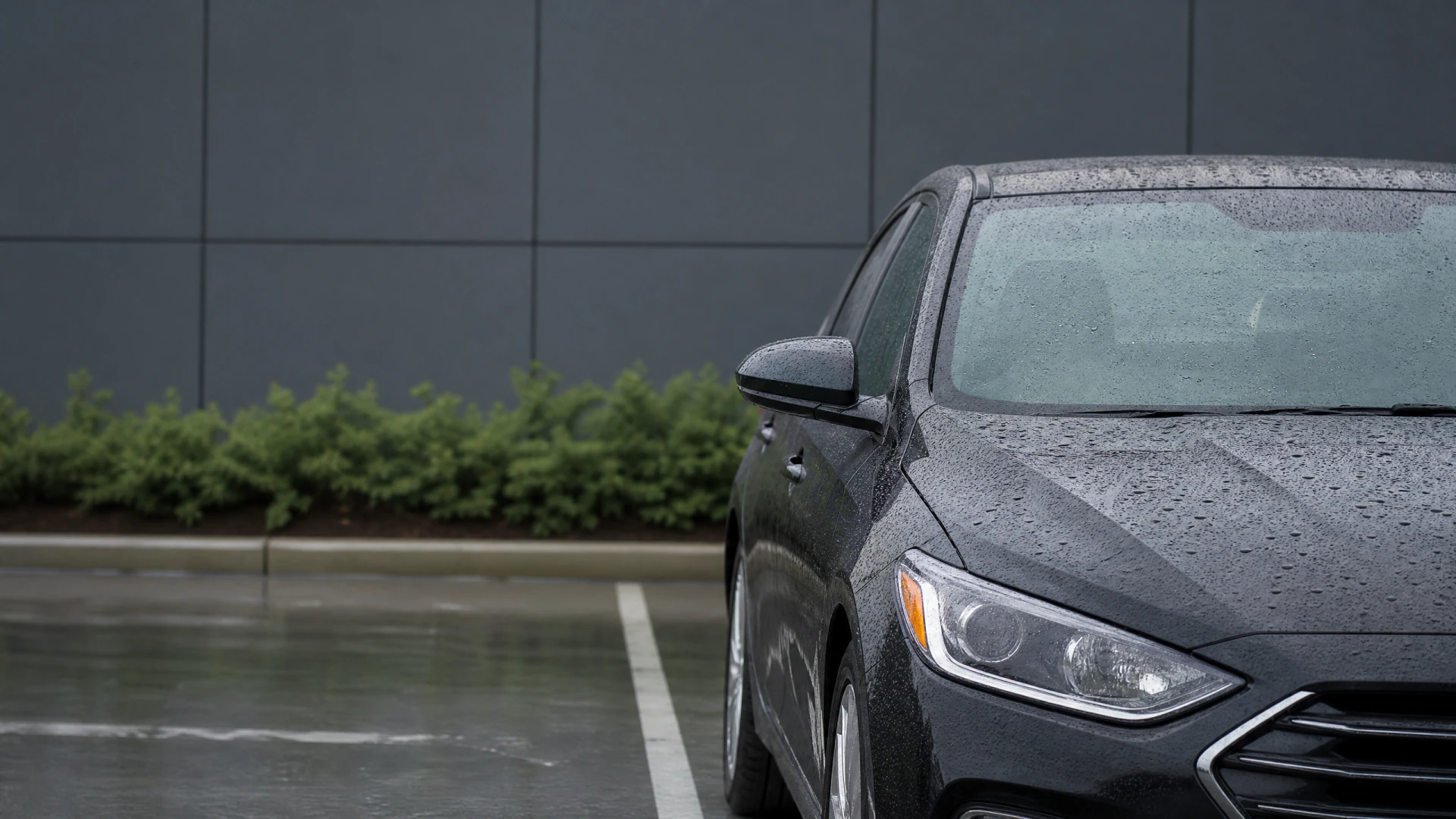
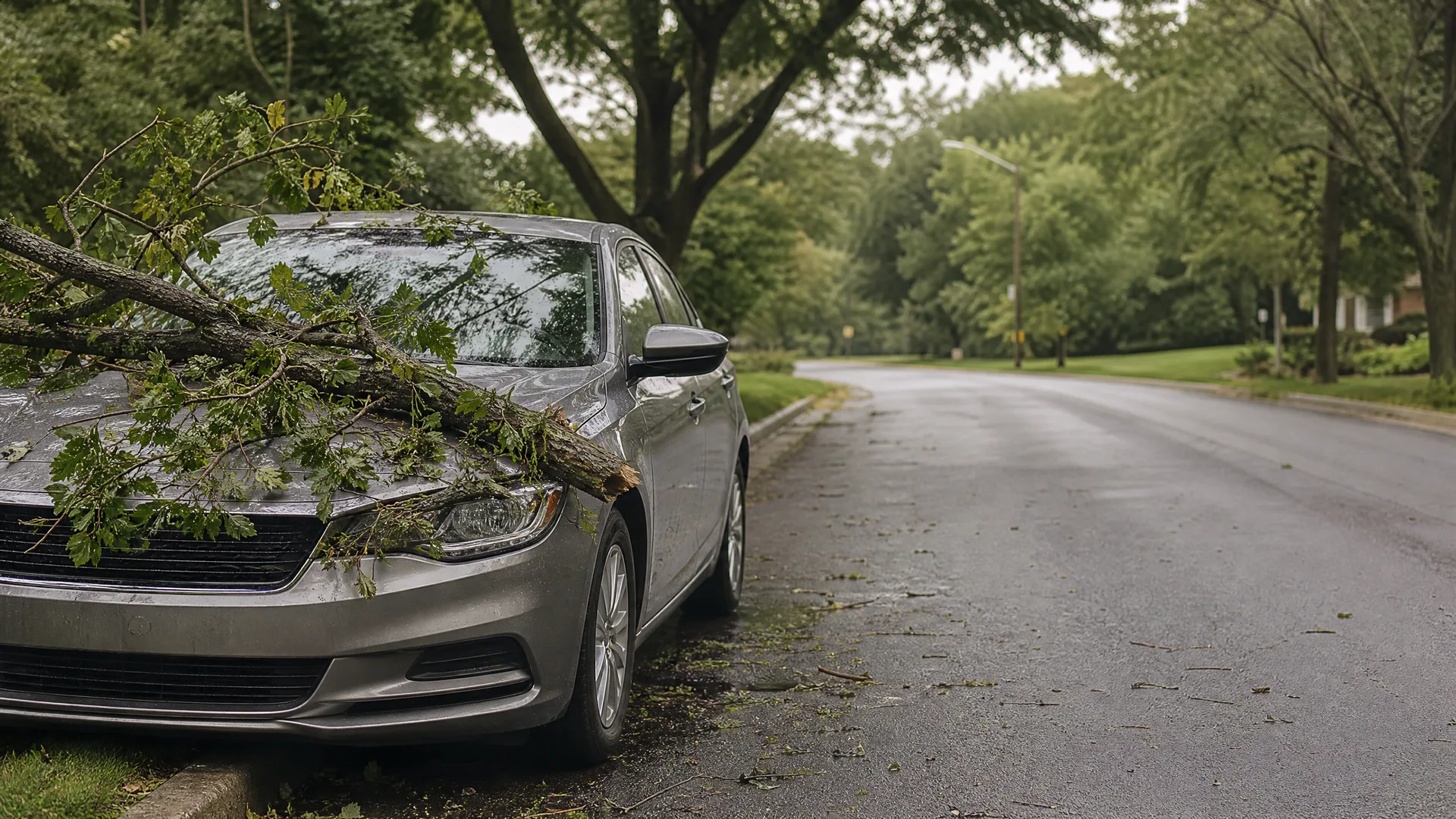
- Hail, storms and falling branches That's weather damage, and it falls under comprehensive coverage instead.
- Theft of the car A stolen vehicle is also a comprehensive claim, not a collision one.
- Deer and other animal strikes Hitting an animal is treated as comprehensive, even though it feels like a collision.
- Mechanical breakdowns A failed transmission or a dead battery has nothing to do with a collision and isn't covered here.
- Injuries to you or your passengers Medical costs are handled by your medical payments, personal injury protection, or health insurance, not this.
On a new car, yes, this is worth paying for
A new car is worth the most it will ever be worth on the day you drive it off the lot. If you total it or badly damage it next month, the repair or replacement cost is the whole reason this coverage exists. Dropping it to save a little each month exposes you to a loss that could run into the thousands.
If the car is financed or leased, the lender almost certainly requires this coverage anyway, so the decision is already made for you. The real question comes later, once the car is paid off and has lost most of its value.
Think about what you could absorb from savings without changing how you live. If a bad accident tomorrow would mean selling investments or skipping other bills, keep the coverage. If you could write a check for a replacement car and not think twice about it, that changes the math, but on a car this new, most people aren't there yet.
How much you drive and where the car sits matters too. A car driven daily on busy roads carries more risk than one parked in a garage and taken out occasionally. Either way, in the first few years of owning a new car, this coverage is doing real work.
How a claim actually works
You pick a deductible when you set up the policy, and that's the amount you pay out of pocket before the coverage kicks in. A higher deductible lowers what you pay for the policy but means more out of your own pocket when something happens.
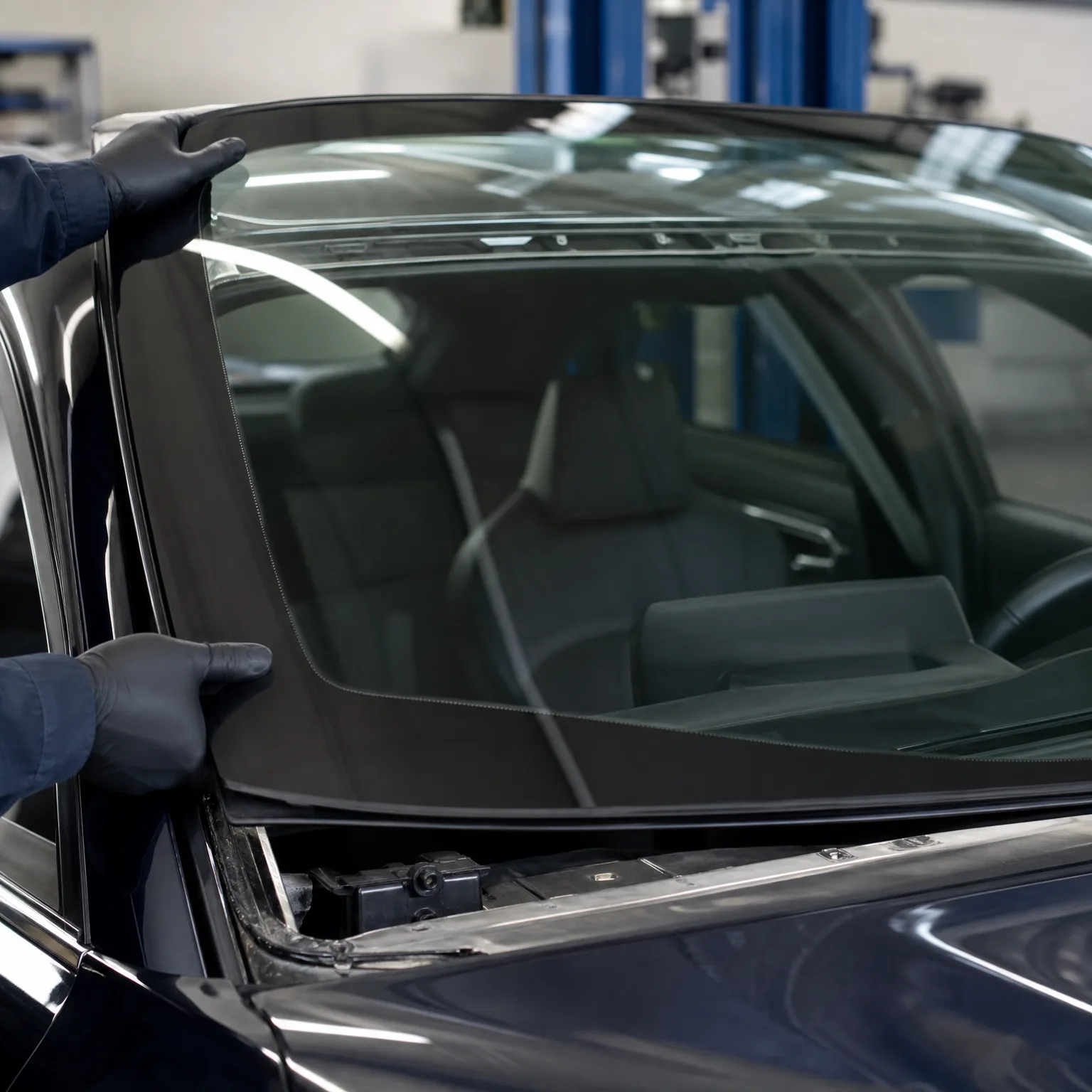
After an accident, you report the claim, the insurer sends someone to look at the damage or asks you to get an estimate, and they pay out based on either the repair cost or the car's value if it's totaled. If the car is still financed, the payment typically goes to the lender first, with any remainder coming to you.
The payment covers the vehicle itself, not anything else. If you were carrying personal items that were damaged or lost, those usually need to be claimed separately through homeowners or renters coverage. If you rent a car while yours is being fixed, that's only covered if you added rental reimbursement separately.
Have your policy number, the other driver's information if there was one, photos of the damage, and a police report if one was filed. The more documentation you have up front, the faster the claim moves.
Collision vs. comprehensive
Collision coverage
This pays for damage from hitting something, whether that's another car, a fence, or the pavement itself after you lose control. It applies regardless of who caused the accident.
Comprehensive coverage
This pays for damage that isn't from a collision, like weather, theft, vandalism, fire, or an animal running into your path. The two are usually sold together but they answer different problems.
If your main worry is an accident you or another driver caused, lean on collision; if it's the car getting damaged while just sitting there or on the road through no fault of a driver, that's comprehensive.
Real situations
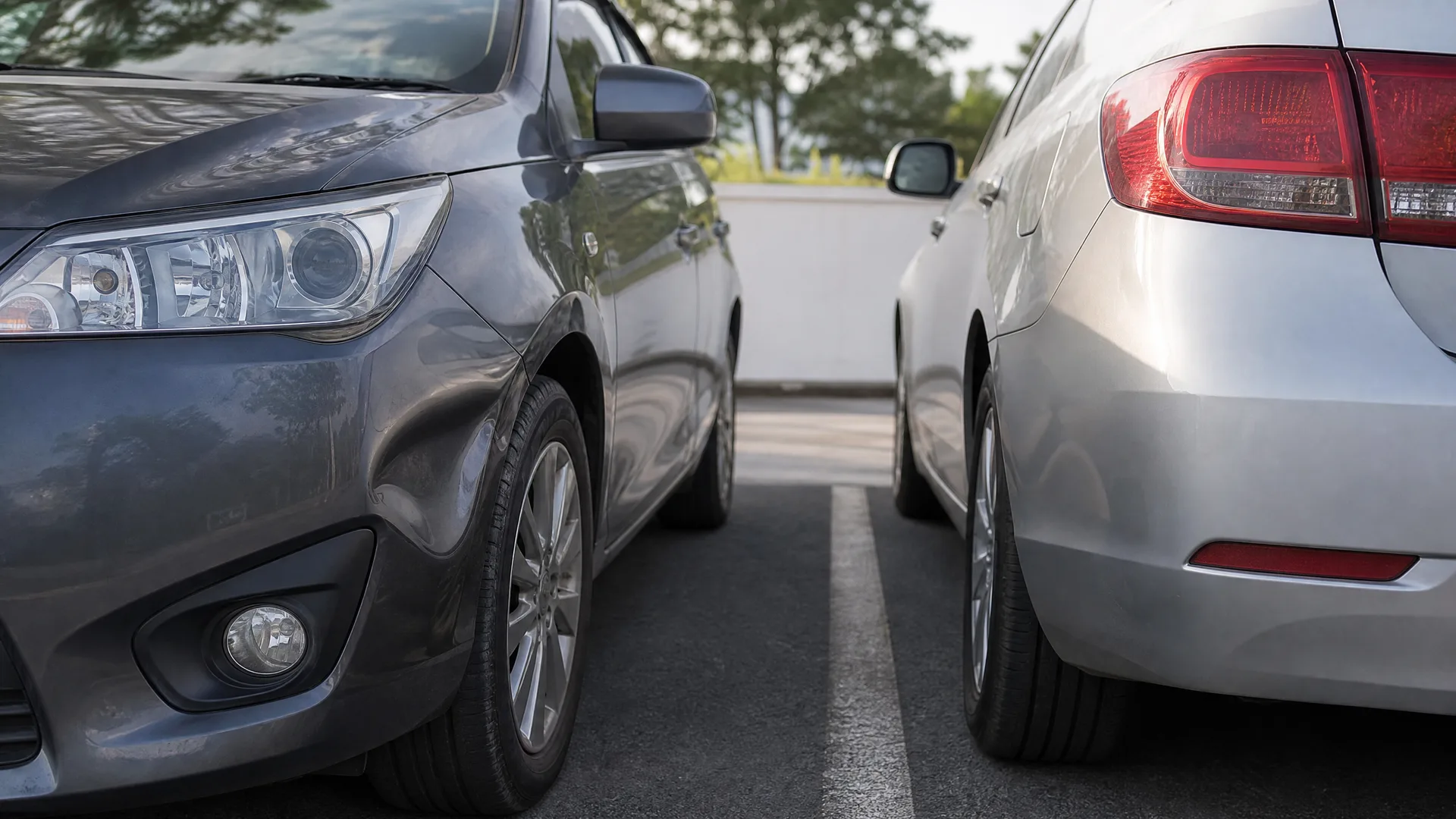
You're pulling out of a grocery store parking lot and clip a cart corral, denting the rear quarter panel.
This pays, since it's damage from hitting a fixed object, minus your deductible.
A hailstorm hits while your car is parked outside church during the service, leaving dents across the hood and roof.
This doesn't pay, because hail is a weather event covered under comprehensive instead.
Driving home at dusk on a county road, a deer runs into the side of your car.
This doesn't pay either, since animal strikes fall under comprehensive, not collision.
Once you know whether you're keeping this coverage and at what deductible, you can compare quotes on equal terms instead of guessing at what's driving the price.
Questions people ask about this
What deductible should I pick for collision coverage?
Pick a deductible you could pay out of pocket without strain, since that's what you'll owe before any payment arrives. A higher deductible lowers your ongoing cost but raises what you'd need on hand after an accident. Many people set it based on what they keep in savings for unplanned expenses.
Does collision coverage follow the car or the driver?
It follows the specific vehicle listed on your policy, not you personally. If you drive a different car, even briefly, you'd need to check whether that vehicle has its own coverage or is added to your policy. Rules on borrowed or rental cars can vary, so it's worth checking your own policy wording.
Will my rates go up if I file a collision claim?
Often yes, especially if you were at fault, though exactly how much depends on your insurer and your history. Some policies offer forgiveness for a first accident, which can soften the impact. It's worth asking your insurer directly how a claim would affect your specific policy before you file.
Can I drop collision coverage once my car loan is paid off?
Yes, once there's no lender requiring it, the choice is entirely yours. At that point it comes down to what the car is worth and what you could cover yourself if it were totaled. Many people keep it on a newer paid off car and drop it only once the car's value has dropped a lot.
Does collision coverage pay to fix cosmetic damage like a scratch or small dent?
Yes, as long as the damage came from a collision, even a minor one like backing into a post. Whether it makes sense to file a claim for something small is a separate question, since a minor repair may cost less than your deductible anyway. Weigh the repair cost against your deductible before filing.