What Can I Put on My Car to Prevent Scratches
A few products and habits reduce scratches, but nothing you put on the car changes what your insurance pays if the paint gets damaged anyway.
Paint protection film and ceramic coating are what actually work
Paint protection film is a clear layer applied to the body panels that takes the scratch instead of your paint. It's the closest thing to real prevention, especially on the front bumper, hood edge and door edges where most scratches start. Ceramic coating helps less with scratches and more with keeping dirt and grit from grinding in when you wash the car, which is where a lot of fine scratching actually comes from.
Neither one is something your insurer cares about. Comprehensive coverage pays for scratch damage the same way whether the car has a coating on it or not, and no insurer lowers a premium because a car has protective film. If the reason you're asking is to avoid a claim or a rate increase, the film and the coating help with that indirectly, by making the scratch never happen in the first place.
What you're trying to prevent changes what you should buy
A scratch from a shopping cart in a parking lot is different from fine swirl marks that build up over years of washing. Film and coating guard against different things, and a lot of the products marketed for scratch prevention are really aimed at one or the other.
If you're worried about parking lot dings and someone else's car door, the film matters most on the areas facing other cars: the front edge of the doors, the rear quarter panels. If you're worried about the slow dulling that comes from years of normal driving, washing technique matters more than any product, and a coating just buys you a little more margin for error there.
Wax and sealant are worth mentioning because they're cheap and easy, but they don't prevent scratches. They fill in very fine marks and add some shine, and that's close to the limit of what they do. Don't expect them to stop a key or a cart from marking the paint.
How you wash and park the car matters as much as anything you apply
Most fine scratching happens during washing, from dirt trapped in a sponge or a dry towel being dragged across the paint. Switching to a two bucket wash method, or just rinsing the car well before you touch it with anything, prevents more scratching over time than most products sold for the purpose.
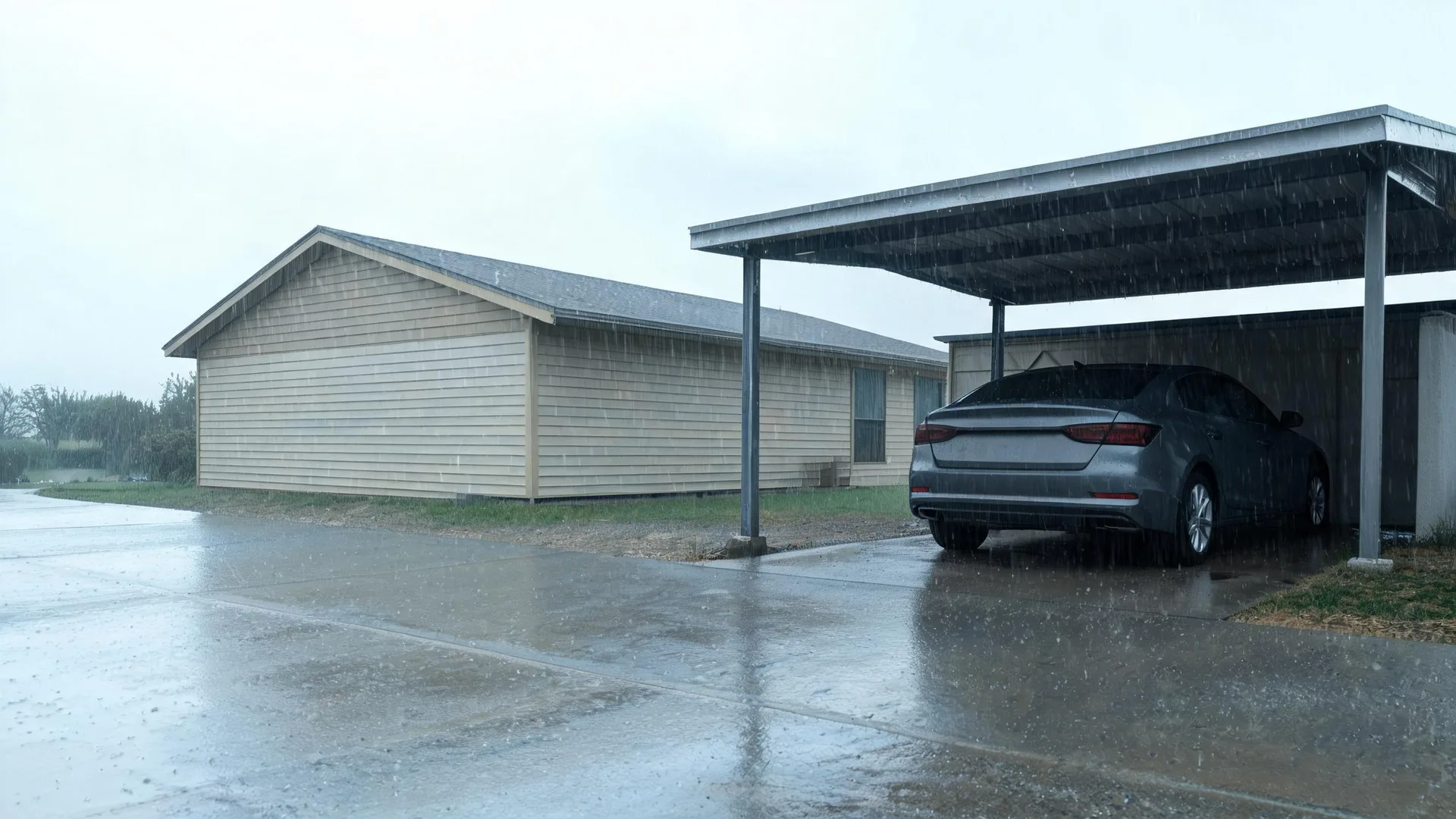
Where you park matters too. Parking at the end of a row, away from shopping carts and other car doors, avoids a large share of the scratches that happen to parked cars. This costs nothing and works as well as most of what you can buy.
If you do get a scratch, how you handle it afterward matters for your insurance even if nothing you'd put on the car could have stopped it. Keep the option of a touch-up pen or a body shop estimate in mind before you decide whether it's worth a claim at all.
Questions people ask about this
Does paint protection film void my car's warranty?
No, applying film doesn't void a manufacturer's warranty on its own. Problems come up only if the film is installed badly and damages the clear coat underneath, which is why it's worth asking the installer what their workmanship guarantee covers.
Will a small scratch raise my insurance rate if I don't file a claim?
No, a scratch you pay for yourself and never report has no effect on your rate. Rates respond to claims filed, not damage that exists but was never submitted to the insurer.
Is it worth filing a claim for a scratch repair?
It depends on your deductible and how much the repair costs. If the repair is close to or less than your deductible, filing a claim usually isn't worth it, since you'd pay most or all of the cost yourself anyway and still have a claim on your record.
Does a dash cam or anti-theft device help with scratch damage?
No, those are separate categories. A dash cam might help you identify who caused a scratch in a parking lot, which matters if you want to pursue the other driver, but it doesn't prevent the scratch itself.
Do insurers treat scratches differently from dents or other cosmetic damage?
Generally comprehensive or collision coverage treats cosmetic damage the same regardless of whether it's a scratch, a dent or a chip, as long as the cause is covered under your policy. Check your specific policy or ask your agent if you're unsure what counts as covered damage.
If you're weighing whether a scratch is worth a claim, it helps to know what your deductible and premium actually look like across insurers.
Pull your current policy and check your comprehensive deductible before anything happens to the car, so you're not guessing later. If you're serious about prevention, get a quote for paint protection film from a local installer and ask what areas of the car they recommend covering for your specific driving. Change how you wash the car if you're still using the same sponge and bucket for rims and paint, since that habit alone causes a lot of fine scratching. If a scratch already happened, get a repair estimate before deciding whether to file a claim, and ask your agent how a claim like this would affect your renewal before you submit it.