How to Prevent Car Sun Damage
Parking in shade, using a windshield shade, and keeping your paint sealed protect a car far more than any product you spray on once and forget.
Shade and a windshield sunshade do most of the work
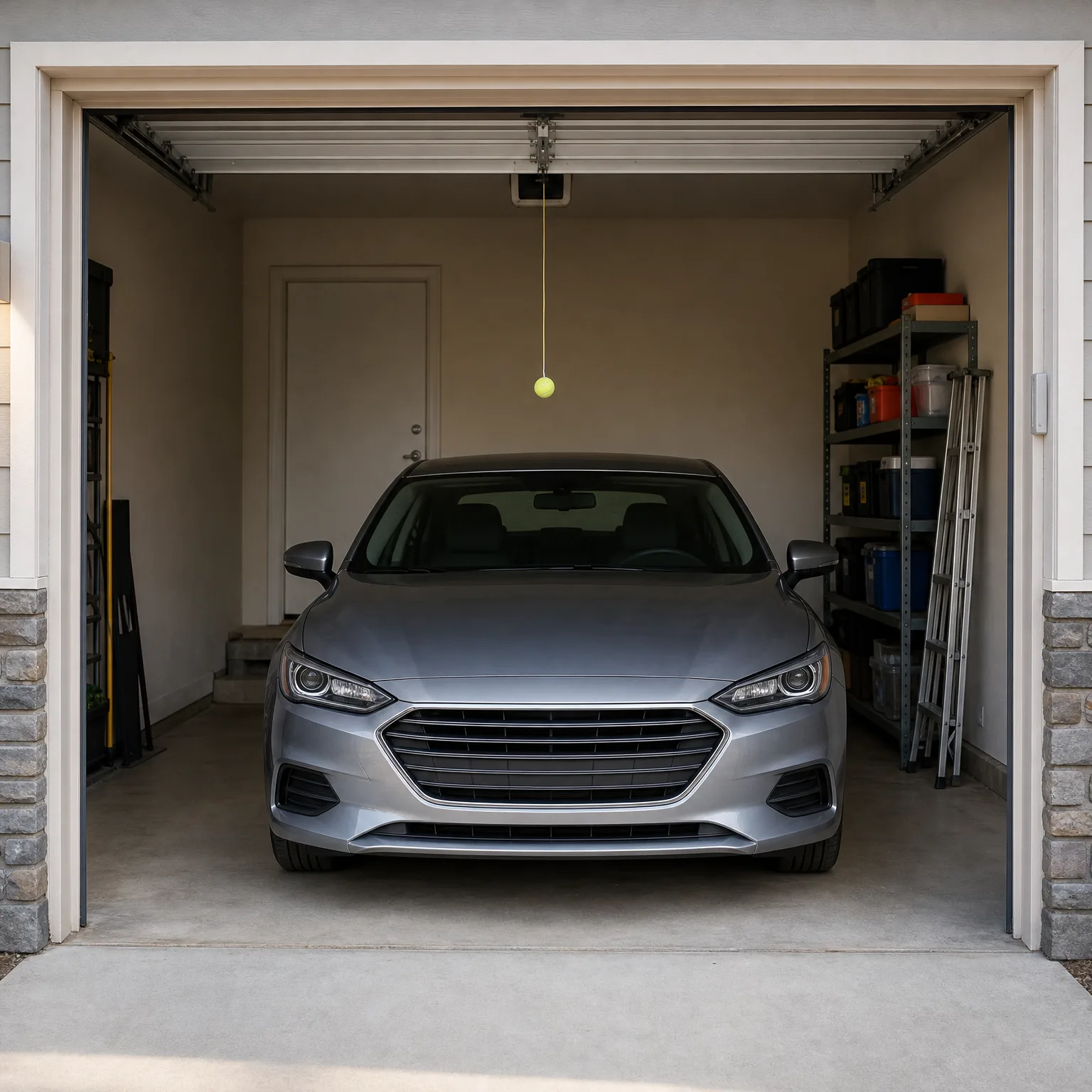
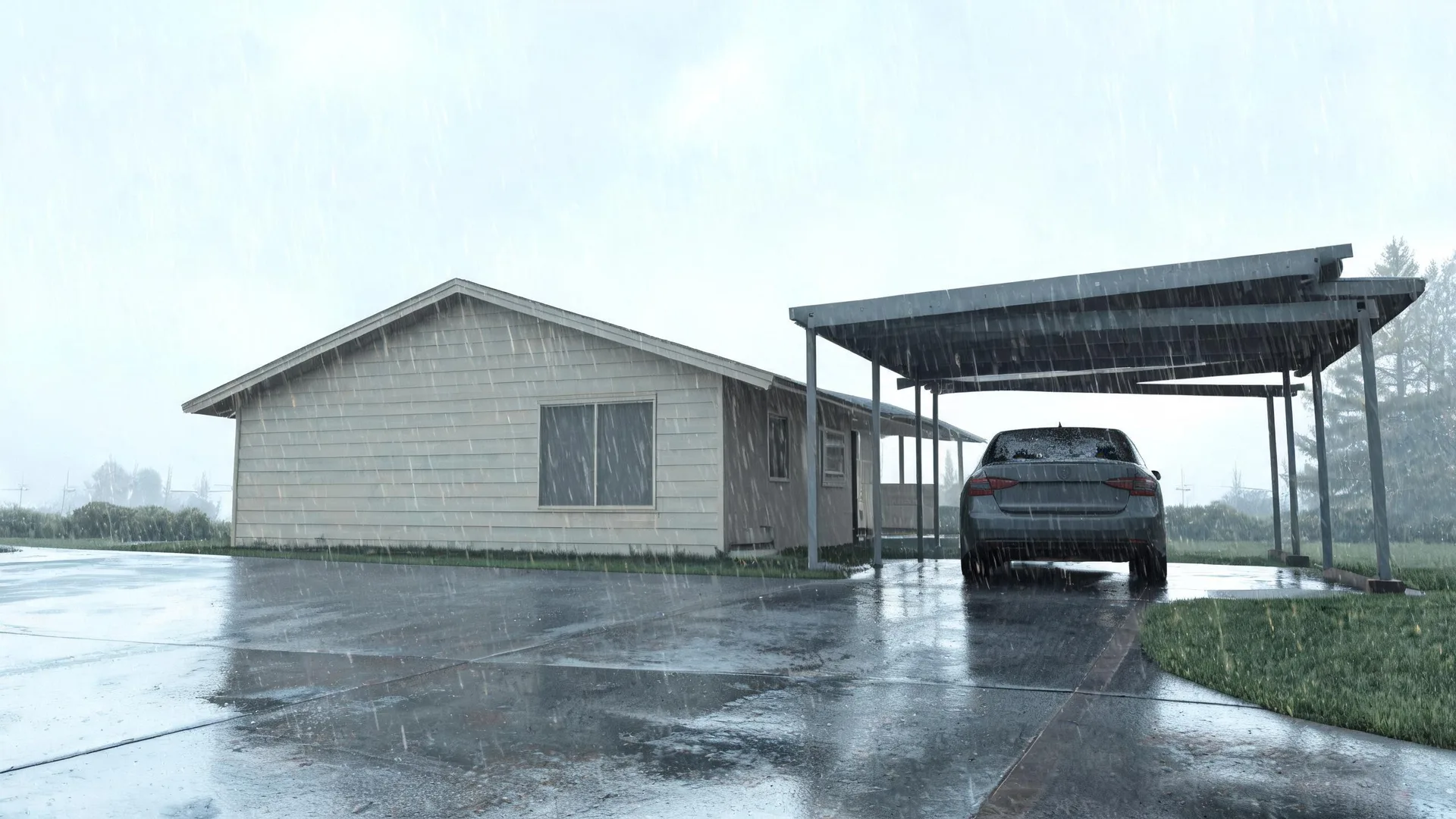
The single biggest thing you can do is keep the car out of direct sun whenever you have a choice. A garage is best. A carport or the shady side of a parking lot is next best. A reflective windshield sunshade placed every time you park outside protects the dashboard, the steering wheel, and the seats closest to the glass, which are the parts that fade and crack first.
Everything else, wax, ceramic coating, tinted windows, helps around the edges. None of it replaces just keeping the car out of direct sun when you can.
Your interior takes the worst damage, and UV is why
Sunlight breaks down the oils and plasticizers in vinyl, leather, and plastic trim. That's what causes the fading, cracking, and that brittle feel on a dashboard that's been baked for a few summers. A windshield sunshade blocks most of this because the windshield is the biggest piece of glass letting light in.
Seat covers and a leather conditioner used on a regular schedule help keep leather from drying out, but they only slow the damage, they don't stop it. If the car is parked outside all day for work, that exposure adds up fast regardless of what products you use.
Tinted windows block a meaningful amount of UV too, but check your state's rules on how dark a tint is allowed before you install any, since limits vary by state.
Cracked dashboards and faded seats aren't usually something insurance covers, since they're considered wear over time rather than sudden damage. Worth asking your insurer directly if you're unsure what your policy treats as a covered loss.
Paint damage comes from both UV and heat buildup
Clear coat on a car's exterior breaks down under constant sun exposure, which is why older cars parked outside for years often show chalky, dull paint or clear coat peeling. Regular washing and waxing, or a ceramic coating if you want something longer lasting, forms a barrier that slows this.
A car cover is useful if you don't have covered parking, though it only helps if you actually use it consistently. One left in the trunk does nothing.
Tires age from UV exposure too, not just from mileage. Sun breaks down the rubber over years and causes small cracks in the sidewall, which is one reason tires get replaced for age even when the tread still looks fine. A tire dressing with UV protection, used occasionally, slows this.
Questions people ask about this
Does tinting your windows actually reduce sun damage inside the car?
Yes, a good quality tint blocks a large share of UV rays and cuts down on fading and heat buildup inside the cabin. How much it helps depends on the tint quality and how dark it's legally allowed to be in your state, so check your state's law before choosing a tint percentage.
Is ceramic coating worth it for sun protection?
It's worth it if you keep the car for years and park outside often, since it protects the clear coat better and lasts longer than wax. It costs more upfront and needs to be applied correctly, so it matters less if the car is garaged most of the time.
Can sun damage lower my car's trade-in or resale value?
Yes, faded or cracked interior trim and dull, oxidized paint are both things a buyer or dealer will note and use to negotiate the price down. Keeping the interior out of direct sun and maintaining the paint protects resale value as much as it protects the look of the car.
Does a car cover trap moisture and cause other damage?
It can if the cover isn't breathable or if you cover a wet car, which traps moisture against the paint and can lead to water spots or mildew. Look for a cover designed for your climate and make sure the car is dry before covering it.
Will sun damage affect my car's safety inspection or emissions test?
Cosmetic sun damage like faded paint or a cracked dashboard typically doesn't affect inspection results, since those tests focus on mechanical and safety components. Cracked windshields or windows from long term UV and heat stress are a separate issue and could be flagged, so it's worth asking your inspection station what they check if you're unsure.
If sun damage has you thinking about what your policy actually covers, it helps to see what other insurers offer before your next renewal.
Start by parking in shade or a garage whenever it's an option, and keep a windshield sunshade in the car so you actually use it. If you drive an older car with sun exposed tires, run your fingers along the sidewalls for small cracks and ask a tire shop to check them at your next oil change. Call your insurer and ask directly whether cosmetic wear like a cracked dashboard or faded paint is ever covered under your policy, so you know what you're on the hook for. If you're in a state with strict tint laws, look up the legal limit before you pay for any window tinting.