Protecting Your Car From Damage
The right coverage and a few habits around where and how you park and drive do most of the work of protecting your car.
Comprehensive and collision coverage protect the car itself
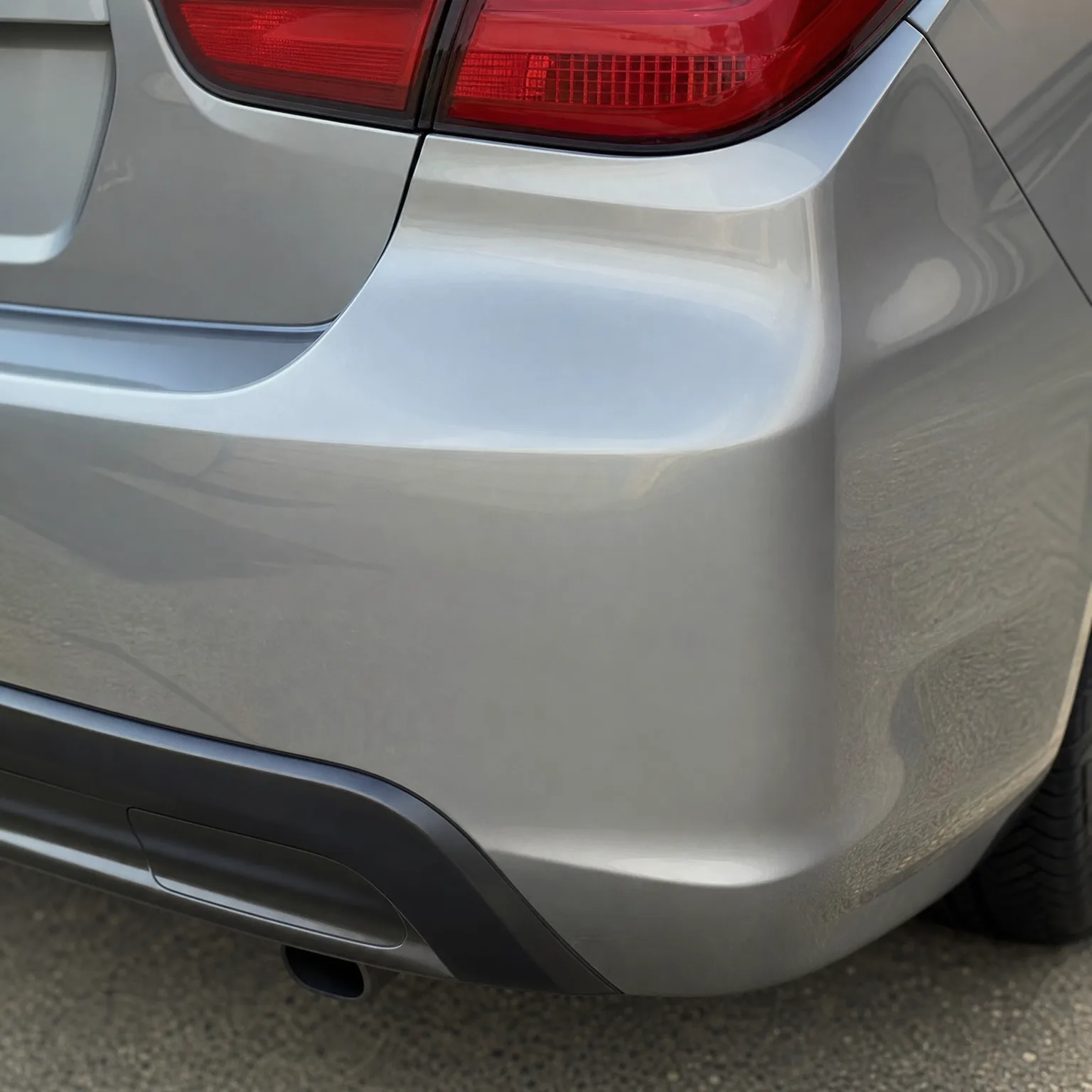
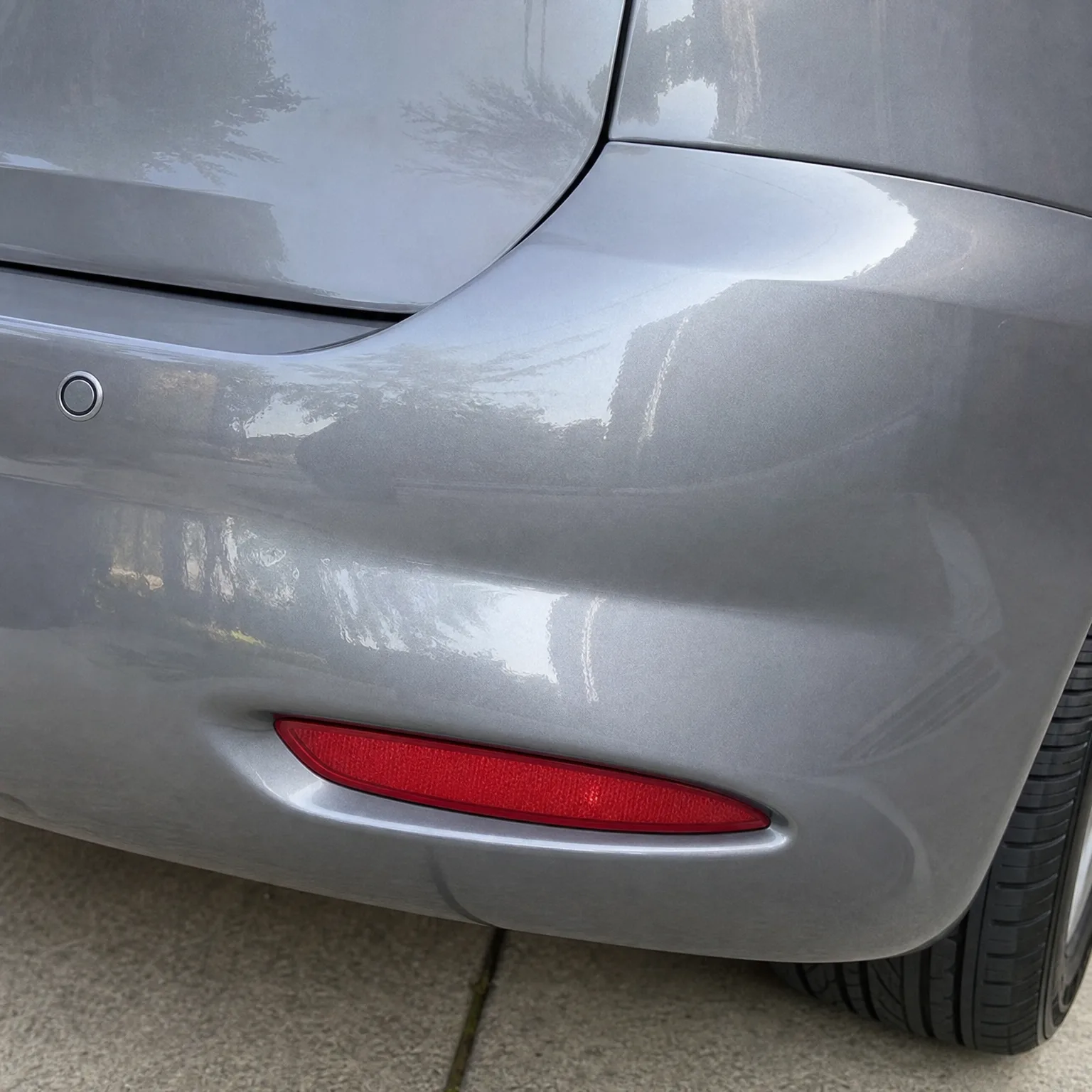
Liability coverage pays for damage you cause to someone else. It doesn't pay to fix your own car. For that you need collision coverage, which pays for damage from an accident, and comprehensive coverage, which pays for damage from things like weather, fire, theft, and animals.
Beyond coverage, where you park matters, how you drive matters, and keeping up with routine maintenance matters. A garage or covered space cuts down on hail, falling branches, and break-ins. None of this is required by any state, but without it you're paying out of pocket for repairs that coverage or caution could have avoided.
What your car is worth changes what makes sense
If your car is older and worth less, collision and comprehensive coverage may cost more over time than the car itself is worth. Some drivers in that position choose to carry only liability and set aside savings for repairs instead.
If your car is newer or still has a loan against it, the lender usually requires both collision and comprehensive coverage until the loan is paid off. Check your loan agreement if you're not sure.
Either way, it's worth asking your insurer what your car would be worth as a payout today, not what you paid for it. That number tells you whether the coverage is doing useful work or not.
A claim costs more than the repair sometimes does
Filing a comprehensive or collision claim can raise your premium at your next renewal, depending on your insurer and your state's rules. For smaller damage, it's worth getting a repair estimate first and comparing it to what a claim would cost you over time in higher premiums.
Some insurers offer accident forgiveness or claim-free discounts that disappear once you file. Ask your insurer whether you have either of those before you decide to file a small claim.
Keeping a deductible you can actually afford to pay also matters here. A high deductible lowers your premium but means more damage has to happen before filing a claim makes financial sense.
Questions people ask about this
Does my car insurance cover a cracked windshield?
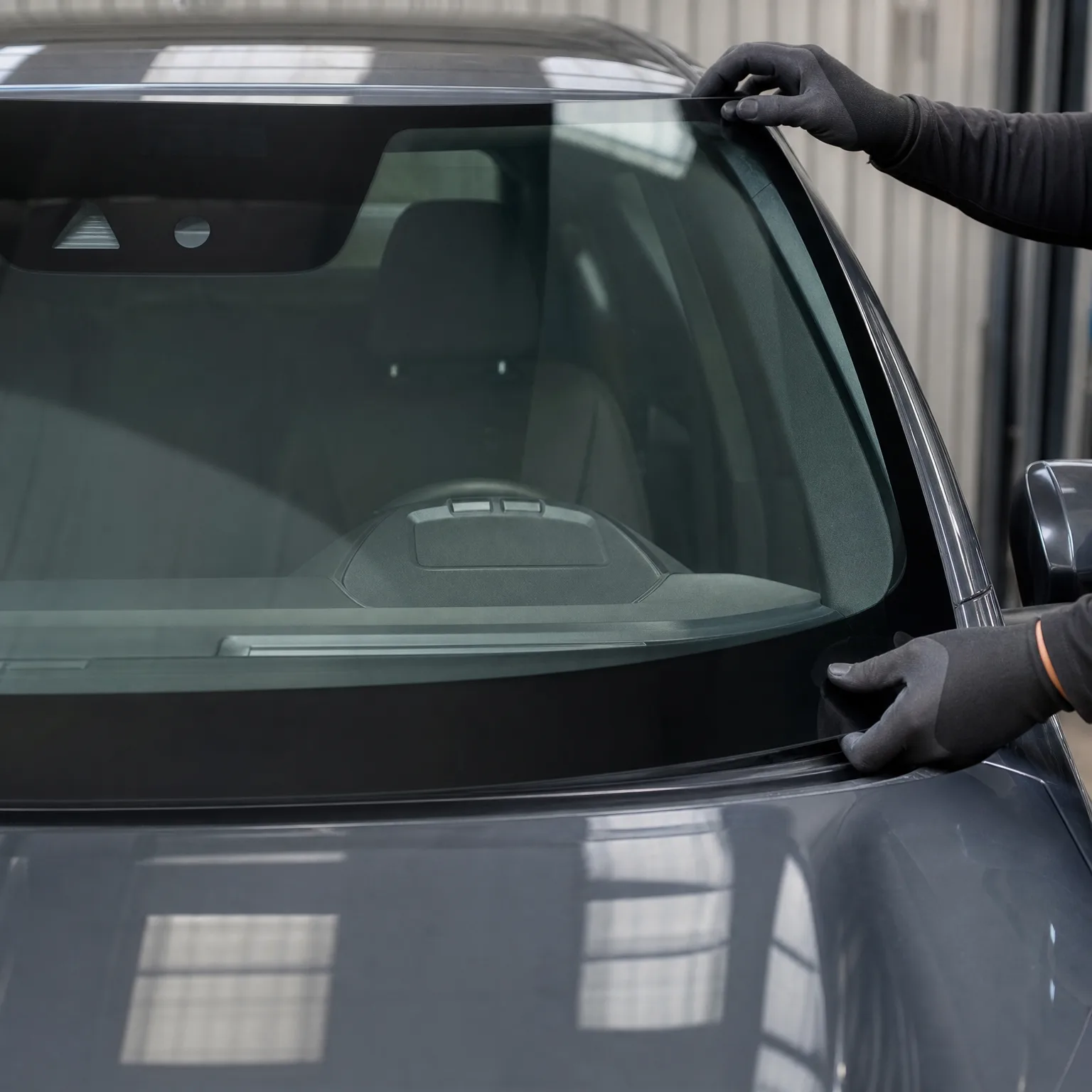
Comprehensive coverage usually covers windshield damage from a rock, falling debris, or weather. Some states and insurers waive the deductible for glass repair specifically, so ask your insurer whether that applies to your policy.
Will my insurance go up if someone hits my parked car?
If the other driver is identified and at fault, their insurer typically pays and your rate shouldn't be affected. If the driver is unknown, you'd file under your own comprehensive coverage, and whether that affects your premium depends on your insurer.
Is it worth getting a dash cam for insurance purposes?
A dash cam can help establish fault after an accident, which matters because it's often the deciding factor in whether your rate goes up. It doesn't lower your premium on its own unless your insurer specifically offers a discount for one.
Does a car cover or garage lower my insurance rate?
Some insurers ask where you park overnight and may offer a lower rate for a garage or covered space, since it reduces the chance of weather or theft damage. Ask your insurer directly whether parking location factors into your premium.
Should I get gap insurance to protect against a totaled car?
Gap insurance covers the difference between what you owe on a loan and what the car is worth if it's totaled, which standard collision coverage doesn't cover. It's most useful if you owe more than the car is currently worth, so check your loan balance against the car's value to see if it applies to you.
See what it would cost to add the coverage your car actually needs.
Pull up your current policy and check whether you have collision and comprehensive coverage, and what your deductible is for each. Look up what your car is worth today, not what you paid for it, so you can judge whether that coverage still makes sense. If you park outside, ask your insurer whether a garage or covered space would change your premium. And if you've had any damage recently, get a repair estimate before deciding whether to file a claim or pay for it yourself. Then compare quotes to see whether another insurer offers better terms for the coverage you've decided you need.