What Causes the Most Damage to a Car
Collisions cause the most damage by dollar amount, but weather and theft often do more to raise your premium.
Collisions cause the most total damage
Across all drivers, collisions, meaning crashes with another car, an object, or a rollover, account for the largest share of vehicle damage claims. This holds whether the crash is minor or severe, because even a low speed collision can damage a bumper, a sensor, or a frame in ways that cost far more to fix than they look.
For a driver who has been on the road for decades, the bigger risk isn't necessarily a crash itself. It's what one crash does to a long clean record. A single at fault accident can undo years of a good driving history with your insurer, which is part of why the damage question matters as much for your rate as for your car.
Your own driving record changes which risk matters most
If you've driven for a long time without a claim, your biggest exposure usually isn't your own driving. It's the other driver, the deer on the road at dusk, or the hailstorm that dents every car on your street. Comprehensive claims, which cover damage that isn't a collision, tend to make up a larger share of older drivers' claims than they do for younger ones.
That's worth knowing because comprehensive and collision coverage are priced and handled differently. If you're trying to decide whether to carry both, or whether to drop collision on an older car, it helps to ask your insurer which type of claim you're more likely to actually file.
A slower reaction time or a medical condition can also change the kind of collision that's more likely. If you've had a change in vision, a new medication, or a recent diagnosis, it's worth a plain conversation with your doctor about whether it affects your driving, separate from anything your insurer asks.
None of this means you're more likely to cause serious damage. It means the kind of damage shifts, and your coverage should match that.
Where you park and drive changes the odds
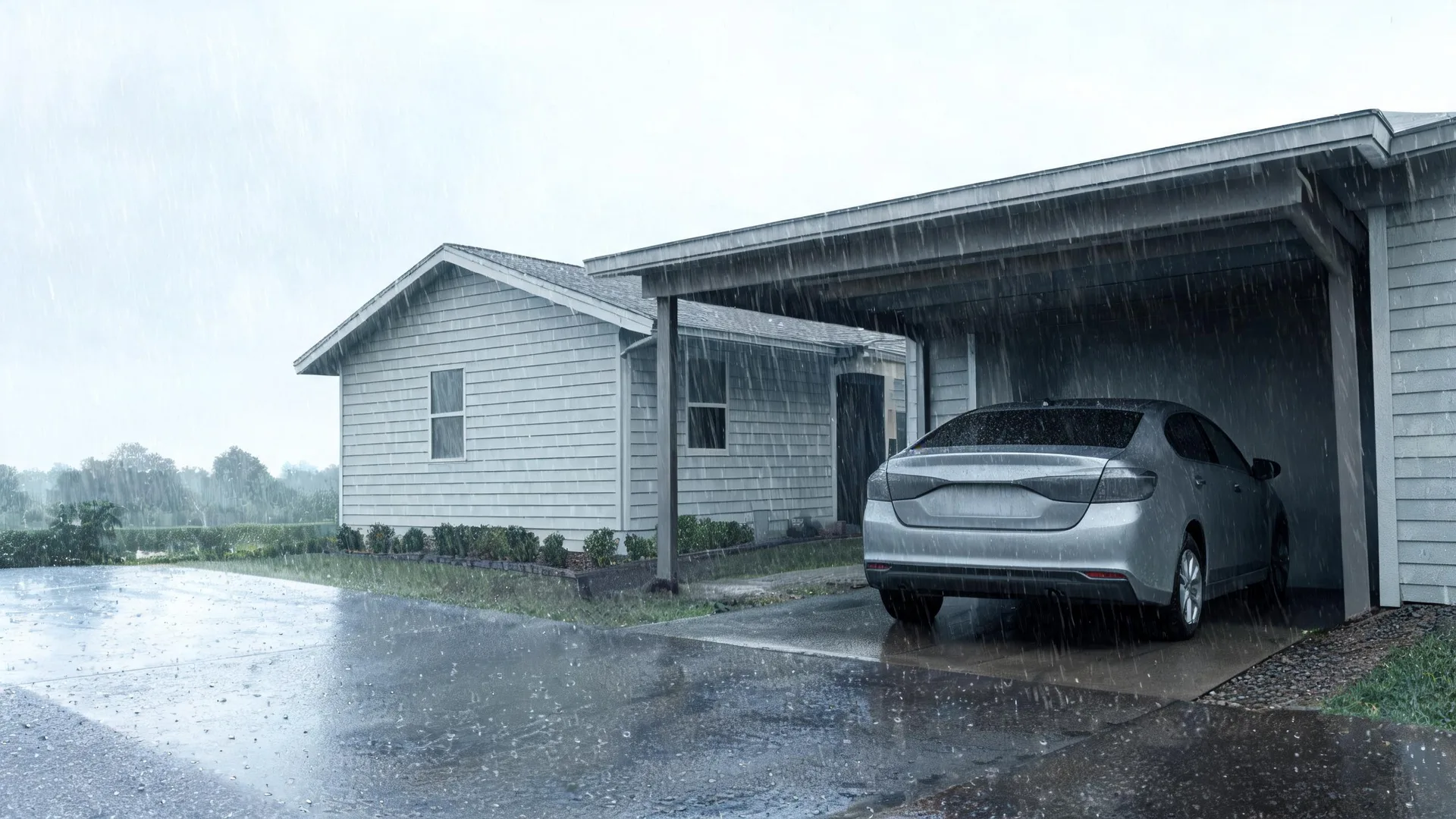
A car that sits outside overnight is exposed to hail, falling branches, and theft in a way a garaged car isn't. If you've moved, downsized, or no longer have the garage you once did, that alone can raise the odds of a weather or theft claim even if your driving hasn't changed at all.
How much you drive matters too. Many older drivers put fewer miles on their car each year than they used to, which lowers the odds of a collision but doesn't touch the odds of a hailstorm or a break in. If your mileage has dropped substantially, ask your insurer whether that changes your premium, since some do adjust for it and some don't.
The car itself plays a role as well. Newer cars often have more expensive sensors and cameras built into the bumpers and windshield, so a repair that would have been simple cosmetic bodywork on an older car can run much higher on a newer one, even from the same kind of damage.
Questions people ask about this
Does hail damage count as an accident on my insurance?
No, hail damage is handled as a comprehensive claim, not an at fault accident, so it generally doesn't affect your rate the way a collision would. Insurers do still record it as a claim, and a pattern of comprehensive claims can be looked at differently than a single one. Ask your insurer how they count comprehensive claims when they set your renewal rate.
Should I drop collision coverage on an older car?
It depends on what the car is worth and what you could afford to replace it with out of pocket. Collision coverage pays out based on your car's current value, so on an older car the payout can be small compared to the premium you're paying for it. Ask your insurer for your car's current value estimate and compare that to what you're paying for collision coverage each year.
Does parking in a garage actually lower my premium?
Many insurers do ask where you park and factor it into your rate, since a garaged car is less exposed to weather, theft, and vandalism. Whether it changes your premium and by how much depends on the insurer and your state. If you've started garaging a car that used to sit outside, tell your insurer, since it won't change automatically.
Why did my premium go up when I haven't had an accident?
Your premium can rise for reasons that have nothing to do with a crash, including comprehensive claims, changes in where you live, the cost of repairing your specific car, or your insurer's overall claims experience across all its policyholders. Ask your insurer directly what changed on your policy, since the renewal notice itself often doesn't say.
Does a cracked windshield count against my driving record?
No, a cracked windshield is typically filed as a comprehensive claim, which isn't tied to fault and doesn't go against your driving record the way an at fault collision does. Some insurers waive the deductible entirely for glass repair. Ask your insurer whether glass claims are handled separately before you file one.
See how insurers weigh your record, your car, and where you park before you renew.
Pull out your renewal notice and check what coverage you currently carry for collision and comprehensive separately. Call your insurer and ask what your car's current value is and how that compares to your collision premium. Ask whether your mileage, your parking situation, or a recent move has been updated on your policy, since any of those can be out of date without you knowing. If you've had a change in health or vision, have that conversation with your doctor on its own terms, apart from your insurance. Then compare what you're paying against other insurers to see whether your current rate still reflects your actual risk.