Collision Coverage When You Rarely Drive
Collision coverage pays to repair or replace your own car after it hits, or is hit by, another vehicle or object, no matter who caused it.
What collision coverage pays for
Covers
- Hitting another vehicle If you collide with another car, this pays to fix or replace yours regardless of who's at fault.
- Hitting an object A mailbox, a fence, a garage door, a guardrail, all count if your car hits something fixed in place.
- Single-car rollovers If you lose control and the car flips or rolls, the damage is covered the same as a crash with another car.
- Potholes and road damage Serious damage from hitting a pothole or a piece of road debris falls under collision, not the comprehensive side.
- Hit-and-run damage to your car If someone hits you and drives off, collision covers your repairs since there's no other driver to collect from.
Doesn't cover
- Storm or hail damage Weather damage falls under comprehensive coverage, not collision, even though people often expect the opposite.
- Theft of the vehicle A stolen car is a comprehensive claim, since no collision took place.
- A deer or animal strike Hitting an animal is treated as comprehensive, not collision, because it isn't considered a crash with another vehicle.
- Your medical bills Collision only pays for the car. Injuries to you or your passengers fall under medical payments or personal injury protection, depending on your policy.
- The other driver's car If you're at fault, the damage to the other person's vehicle is paid by your liability coverage, a separate part of your policy.
For a lot of older drivers, this coverage quietly stops making sense
The math on collision coverage comes down to one question: if the car were totaled tomorrow, would the payout be worth what you're paying to keep that possibility open? A car that's older, paid off, and worth a modest amount may not clear that bar, especially once you factor in what the deductible would take out of any payment.
How much you drive matters more than most people think. A car that mostly sits in the driveway and makes short trips to the store or to see family isn't racking up the same risk as a car on the highway every day. Less time on the road means fewer chances for the kind of crash this coverage is built for.
What you could cover yourself matters too. If a serious repair bill or the loss of the car wouldn't strain your savings, you're effectively self-insuring against that risk already, and paying for collision coverage on top of that is paying twice. If a big unplanned expense would be a real problem, that changes the answer.
Where the car sits overnight and how it's used day to day plays in as well. A car kept in a garage and driven mostly on familiar local roads carries a different risk than one parked on the street or driven often in unfamiliar traffic. None of this is one-size-fits-all, which is exactly why it's worth looking at your own situation instead of leaving the coverage on by habit.
How a collision claim actually plays out
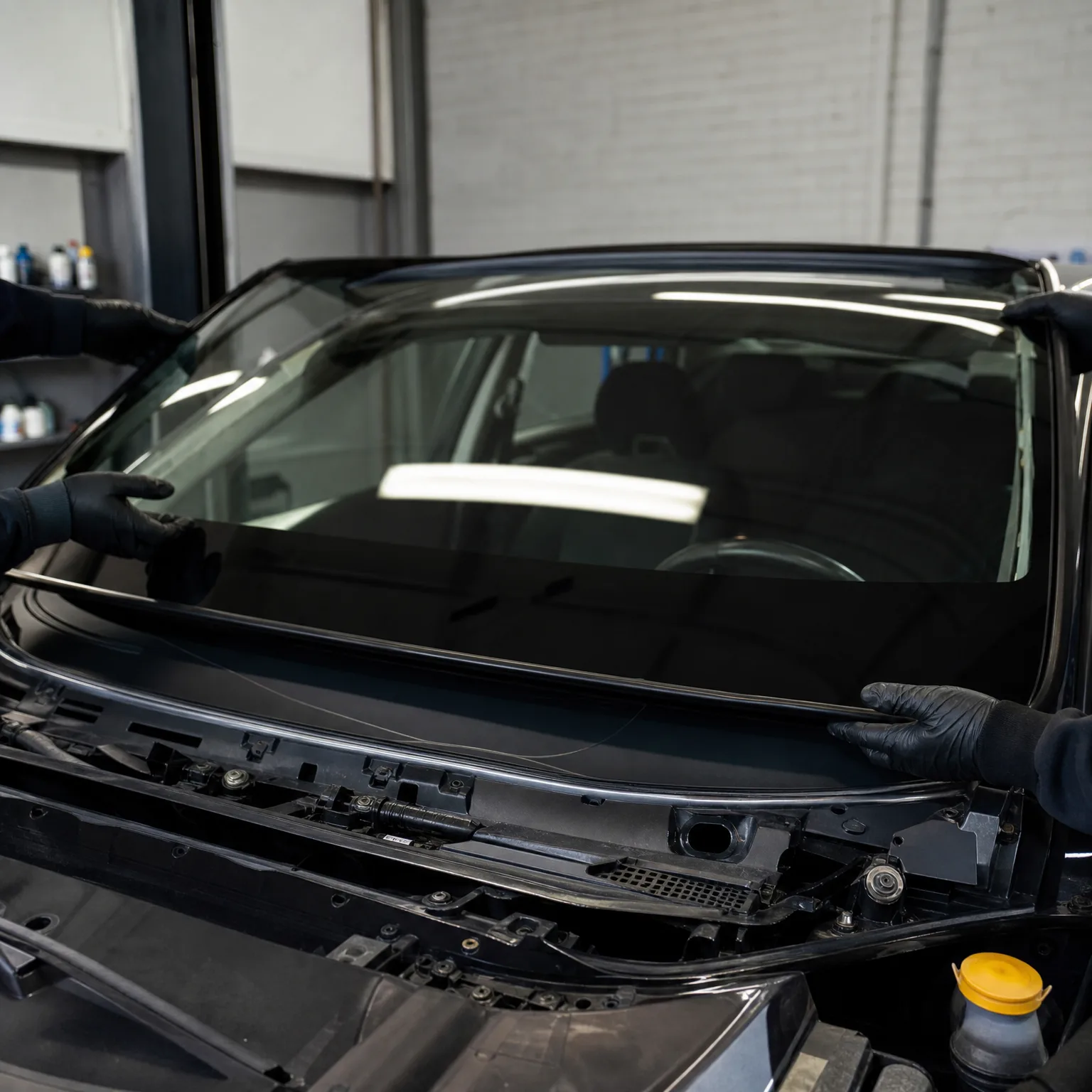
You pay a deductible first, and the insurer covers the repair cost above that amount, up to the car's value. If the repair would cost more than the car is worth, the insurer instead declares it a total loss and pays you that value, minus the deductible.
After an accident, you report the claim, an adjuster assesses the damage, and you get authorization to have the car repaired at a shop, sometimes one the insurer recommends. The payment covers the vehicle itself, not any belongings inside it, and not a rental car unless you've added that coverage separately.
Have your policy number, the other driver's information if there is one, photos of the damage, and a police report if one was filed. The more documentation you have up front, the faster the claim moves.
If the car is older, ask the adjuster how they're calculating its value before repairs start. That number determines whether it's worth fixing at all, and it's worth understanding before you agree to anything.
Collision versus comprehensive coverage
Collision coverage
This pays for damage to your car from a crash, whether with another vehicle, an object, or a rollover. Fault doesn't affect whether it pays.
Comprehensive coverage
This pays for damage that isn't a crash, like weather, theft, vandalism, fire, or hitting an animal. The two are usually sold together but are separate coverages with separate deductibles.
If you're rarely on the road but keep the car outside or in a higher-theft area, comprehensive may matter more to you than collision does.
Real situations
You're pulling out of a grocery store parking lot and clip a parked car, damaging your front bumper and headlight.
This pays, since it's a collision with another vehicle, minus your deductible.
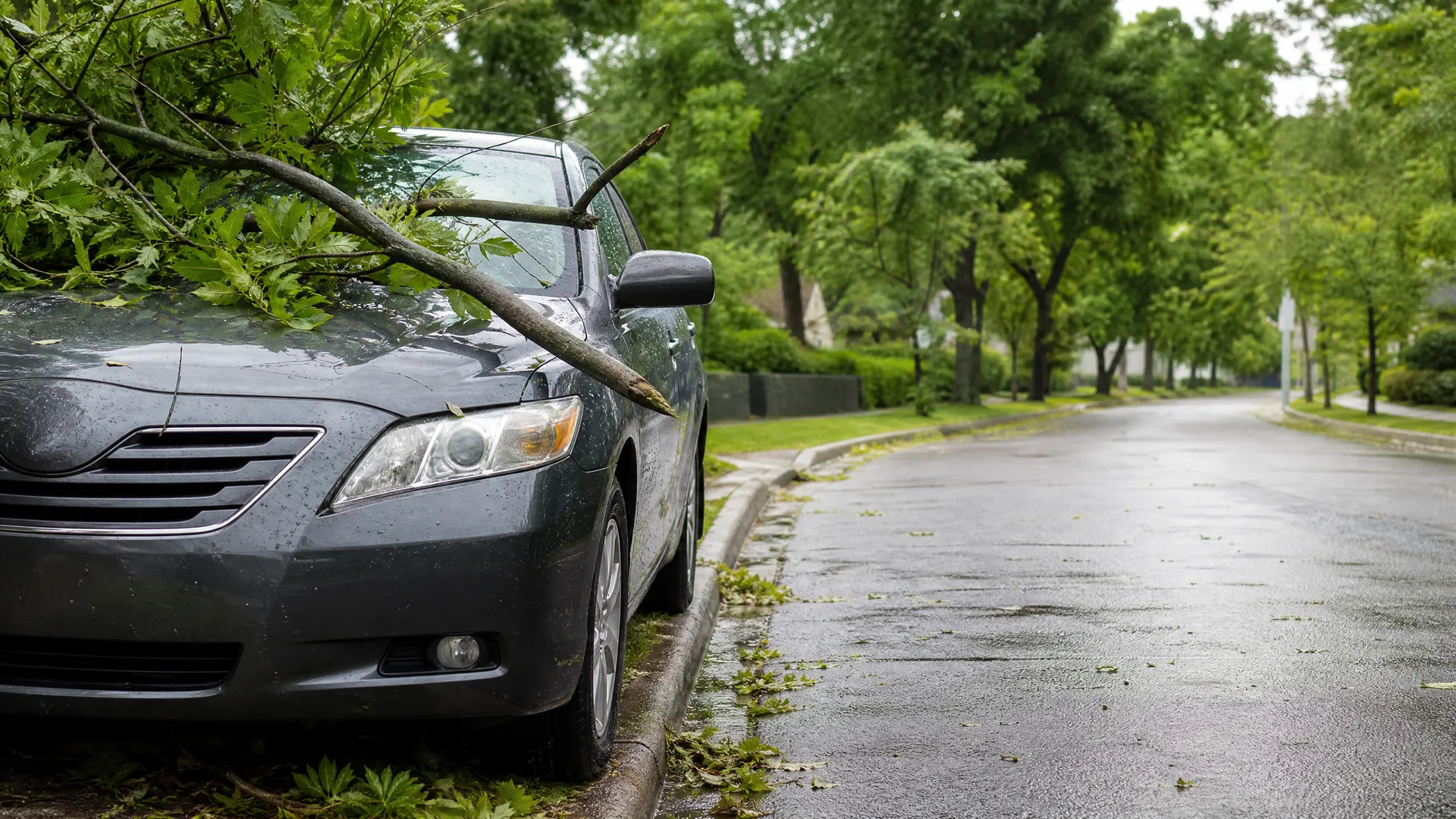
A hailstorm hits while your car is parked at church and dents the hood and roof.
This doesn't pay. Hail is a weather event, so it falls under comprehensive coverage instead.
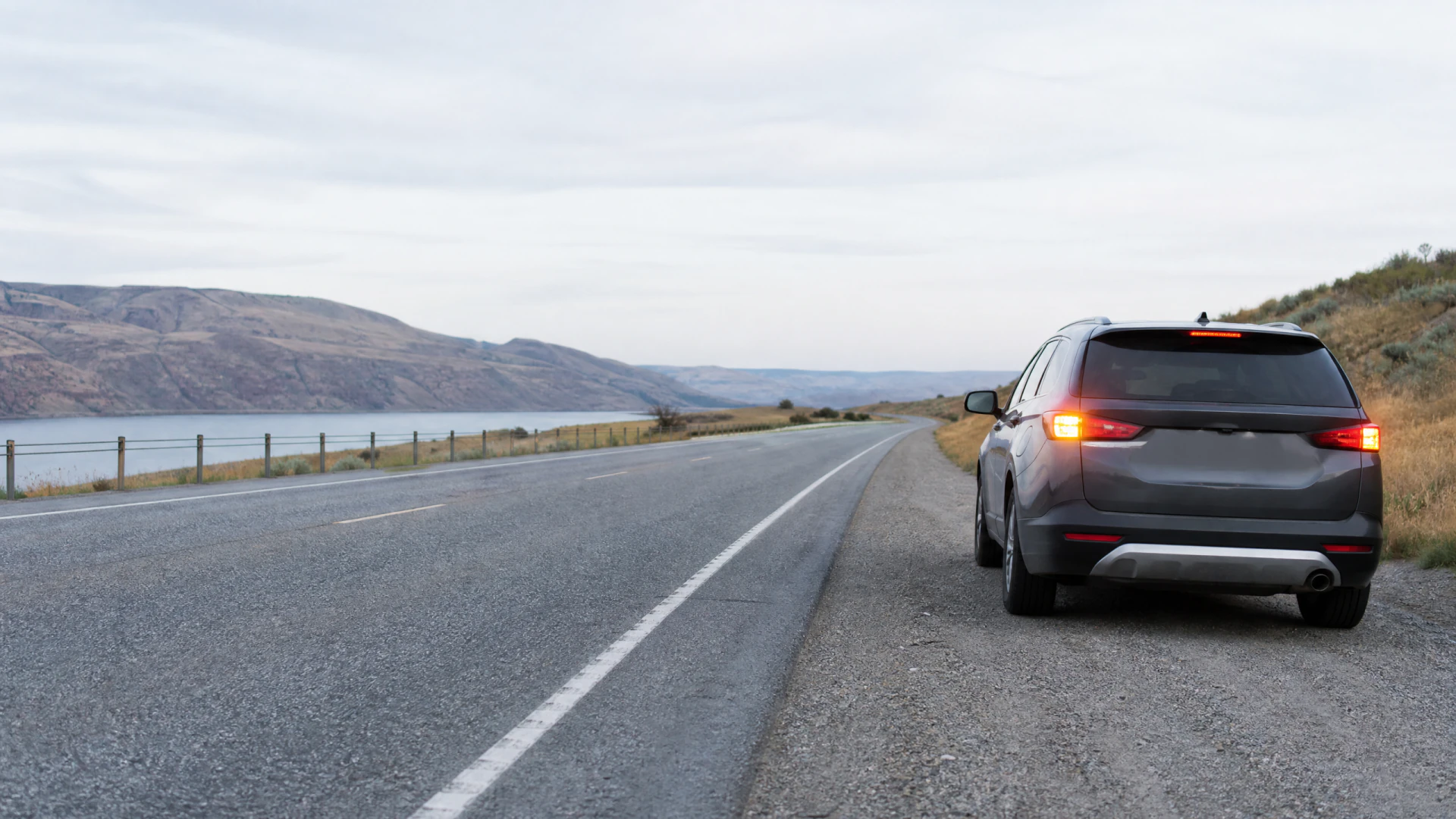
A deer runs into the road at dusk on a county highway and you can't avoid it.
This doesn't pay, since an animal strike is handled as a comprehensive claim, not a collision.
Once you know whether this coverage still fits how you drive and what your car is worth, you're ready to compare quotes with that decision already made.
Questions people ask about this
Can I drop collision coverage but keep comprehensive?
Yes, the two are separate and can usually be carried independently. Many older drivers who travel less keep comprehensive for theft and weather risk but drop collision once the car's value no longer justifies the cost. Check with your insurer on how your policy is structured, since bundling rules vary.
Does collision coverage follow the car or the driver?
It follows the car, since the policy is tied to the vehicle listed on it. If you let a family member borrow the car occasionally, the coverage generally still applies, but check your policy for any restrictions on regular drivers.
What happens to collision coverage if I stop driving altogether?
It depends on what you do with the car. If you keep it registered and insured, you can choose to drop collision while keeping comprehensive, or reduce the policy further. If you stop driving for an extended period, ask your insurer about a reduced-use or stored-car policy instead.
Will my rate go up if I use collision coverage after an accident?
It's possible, since insurers often weigh at-fault accidents when setting rates. Some policies include forgiveness for a first accident, and this varies by insurer and by state, so it's worth asking before you file a claim.
Is collision coverage required by law?
No, it isn't required by state law, though a lender may require it if you're still financing the car. Once the car is paid off, the decision to keep it is entirely yours, and requirements can vary by state, so check your own situation.