Collision Coverage After Retiring
Collision coverage pays to repair or replace your car when it hits another vehicle or object, or rolls over, no matter who caused it.
What collision coverage pays for
Covers
- Hitting another vehicle If you cause a crash, this pays to fix or replace your own car.
- Hitting an object A mailbox, a guardrail, a fence post, a garage door, all count if you're driving when it happens.
- Single car rollovers If you lose control and the car flips or rolls, this coverage applies even with no other vehicle involved.
- Potholes and road damage Hitting a pothole hard enough to damage the car is treated as a collision.
- Hit and run damage If someone hits your parked car and drives off, collision coverage pays since there's no other driver to collect from.
Doesn't cover
- Hail and storm damage That falls under comprehensive coverage, not collision, since nothing was hit by you driving.
- A deer or animal strike Animal collisions are also comprehensive, even though the word collision is right there in the name.
- Theft of the car A stolen vehicle is a comprehensive claim, not a collision one.
- Mechanical breakdown A failed transmission or dead battery isn't a crash, so neither collision nor comprehensive covers it.
- Injuries from the crash Medical costs come from medical payments coverage, personal injury protection, or health insurance, depending on your state and policy.
It depends on what the car is worth to you, not what it once cost
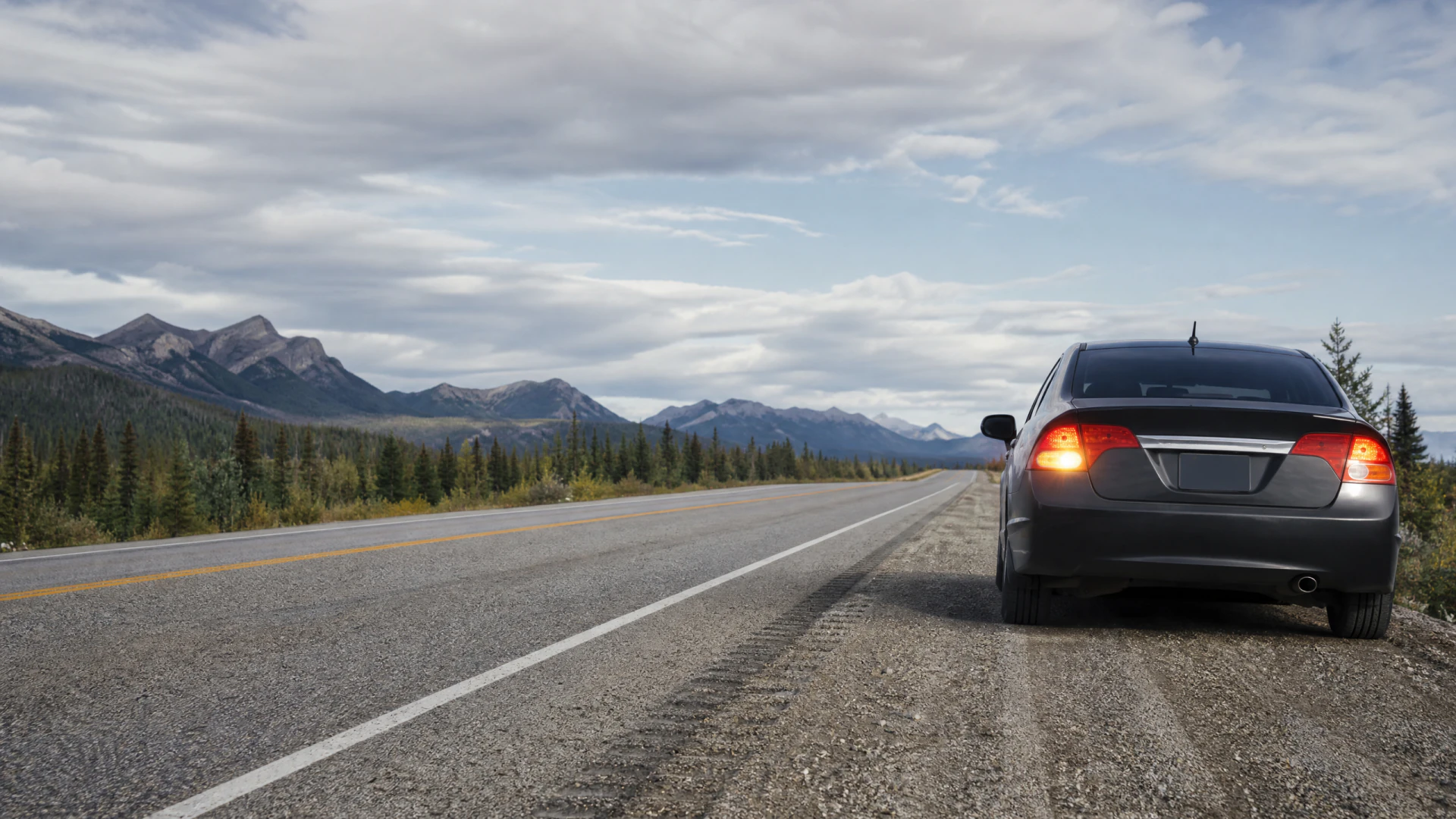
Start with the car itself. If it's paid off and worth little on paper, the most this coverage can ever pay you is that small amount, minus your deductible. Spend a few minutes finding out what your particular car would sell for today before you decide anything else.
Then look at what you could absorb yourself. If a totaled car would be a real financial setback, this coverage still earns its keep. If you could write a check and replace the car without strain, you're paying premium every year for a payout you may never need.
Driving habits matter more at this age than they used to. A car that mostly sits in a garage and makes short trips to the store and back carries less risk than one driven daily on highways. Less driving means fewer chances to use this coverage, which shifts the math toward dropping it on an older car.
Where the car lives matters too. A car parked on the street every night faces more risk than one in a garage or a quiet driveway. If yours is tucked away most of the time, that's another point in favor of carrying less coverage on it, or none at all.
How a collision claim actually plays out
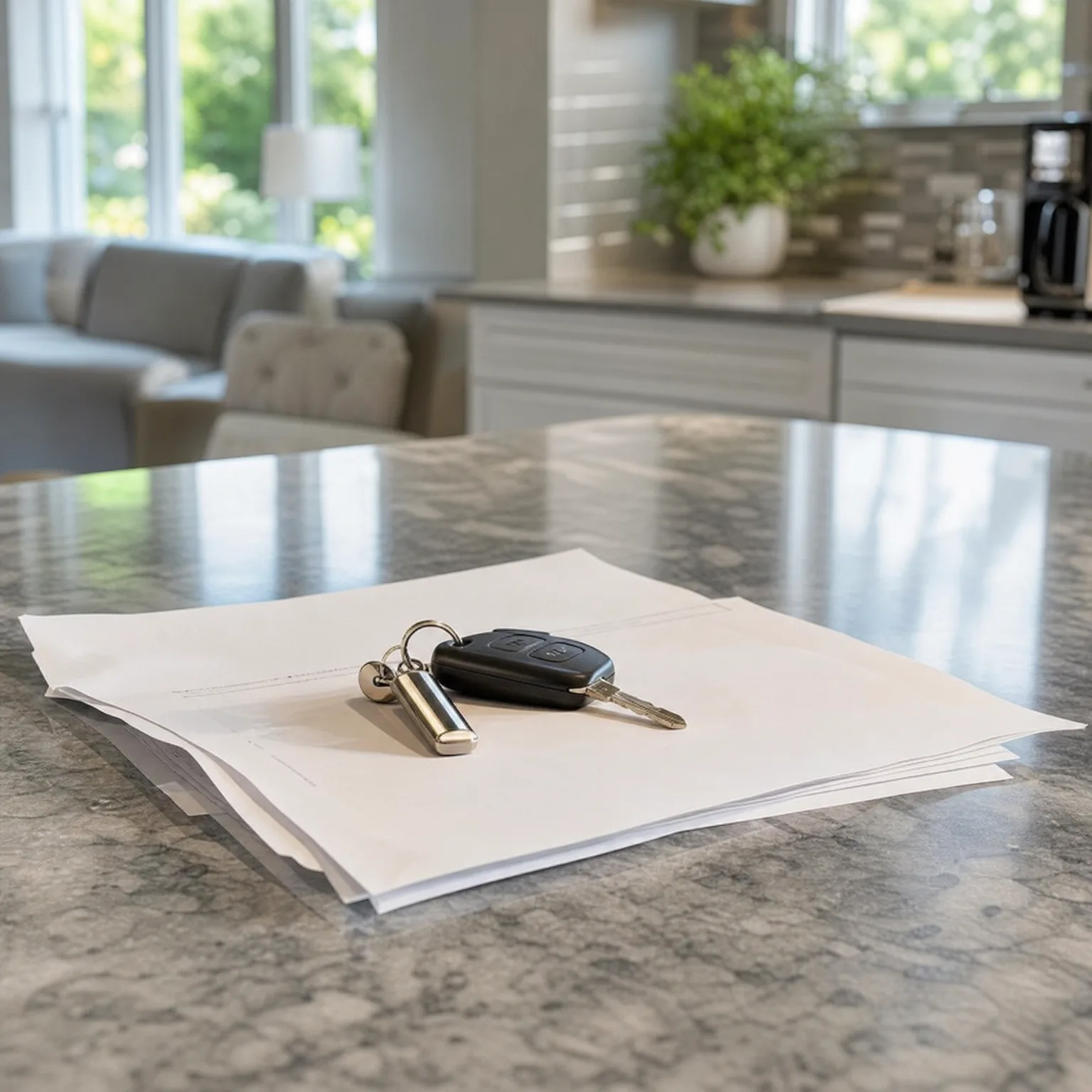
You pick a deductible when you set up the policy, and that amount comes out of whatever the claim pays. A low deductible means smaller out of pocket cost after a crash but a higher premium every year you don't crash. A high deductible does the reverse.
After a crash, you report it, an adjuster or appraiser looks at the damage, and the insurer figures out whether to repair the car or declare it a total loss. A total loss happens when repair costs run higher than the car is worth. In that case you're paid the car's value at the time, not what you paid for it or what it would cost to replace with something newer.
The payment covers the vehicle itself. It doesn't cover a rental car unless you added that separately, and it doesn't cover anything you were hauling or anything inside the car that got damaged. Have your registration, the other driver's information if there is one, and photos from the scene ready, since that speeds up every step that follows.
Collision coverage compared to comprehensive coverage
Collision Coverage
This pays for damage from hitting another car or object, or from a single car rollover. It applies regardless of who's at fault. You choose the deductible when you set up the policy.
Comprehensive Coverage
This pays for damage that isn't caused by a collision, like hail, fire, theft, vandalism, or hitting an animal. It's the coverage most people actually mean when they imagine being protected from everything.
Most people who want either one want both, since they cover different kinds of damage to the same car, but if you're trying to cut cost on an older car, comprehensive is usually the cheaper one to keep and collision the one worth reconsidering.
Real situations
You're driving home at dusk on a county road and a deer runs into your path. You can't stop in time and the front end is badly damaged.
Collision doesn't pay here, since hitting an animal falls under comprehensive coverage instead.
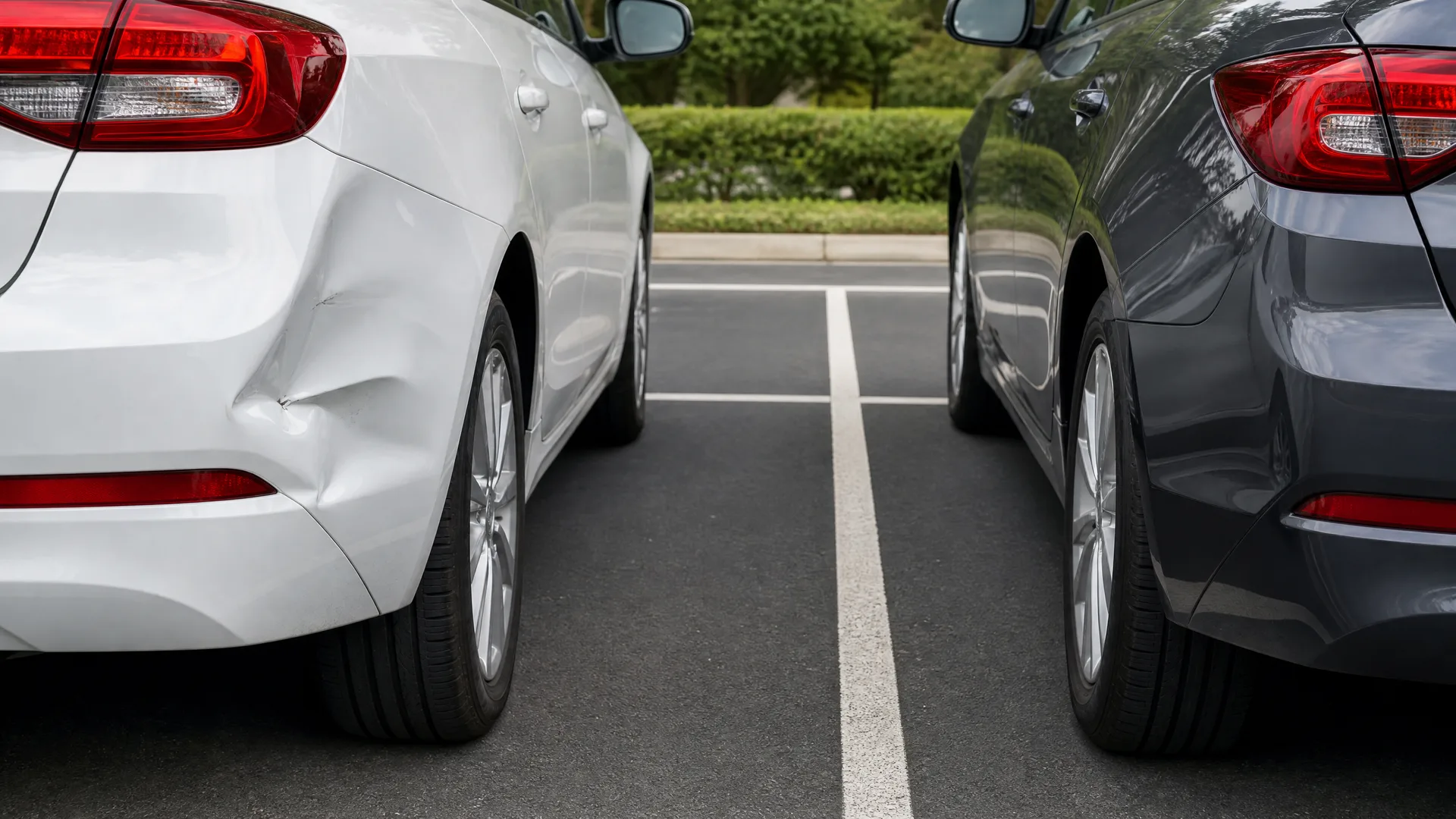
You back out of a parking spot at the grocery store and clip a concrete post, denting the rear panel.
Collision pays for this, since it's damage from hitting an object while you were driving.
A hailstorm moves through while your car is parked at church and leaves dents across the hood and roof.
Collision doesn't pay here either, since storm damage to a parked car is a comprehensive claim.
Once you know whether this car still needs collision coverage, you can compare quotes with that decision already made instead of guessing at it again each renewal.
Questions people ask about this
What is the right deductible for an older car?
The right deductible is one you could pay out of pocket without strain, since that's what you're committing to the moment you file a claim. A higher deductible lowers your premium but raises what you owe before any payout arrives. If your car is worth little, a very low deductible can eat up most of the payout anyway, so it often makes less sense there.
Does collision coverage follow the car or the driver?
It follows the car, since the policy is written against a specific vehicle listed on it. If you drive someone else's car with their permission, their policy and its collision coverage typically applies first. Check your own policy for how it treats a car you don't own, since this can vary.
Can I drop collision coverage and keep comprehensive?
Yes, you can carry one without the other, and this is a common choice once a car gets older. Dropping collision while keeping comprehensive still protects you from theft, fire, and weather damage, just not crash damage you cause yourself. If the car has a loan or lease against it, the lender may still require collision regardless of your preference.
What happens if my car is declared a total loss?
The insurer pays you the car's value at the time of the crash, and the car becomes the insurer's property afterward. That payout is based on what similar cars were selling for locally, not on sentimental value or what you originally paid. Any loan balance still owed on the car comes out of that payment before you see the remainder.
Is collision coverage required to register a car?
No, collision coverage is never required by the state itself, though a lender or lease company can require it as a condition of the loan. What your state does require varies, so check your own policy or state rules for what's mandatory where you live. Once a car is paid off, the choice becomes entirely yours.