Collision Coverage on a Fixed Income
Collision coverage pays to repair or replace your car when it hits another vehicle or object, or rolls over, no matter who caused it.
What collision coverage actually pays for
Covers
- Hitting another car If you cause the crash, this is what pays for your own car's damage since the other driver's insurance won't.
- Hitting an object A mailbox, a guardrail, a fence, a garage door, your own car's damage from hitting something fixed is covered.
- Single-car rollovers If you lose control and roll the car without hitting anything else, this coverage still applies.
- Potholes and road damage Damage from hitting a pothole or a chunk of debris in the road falls under collision, not comprehensive.
- Hit-and-run damage When the other driver takes off and can't be identified, this is usually what pays since there's no one else to collect from.
- A total loss from a crash If the car is damaged beyond repair in a collision, this coverage pays out its value rather than paying for repairs.
Doesn't cover
- A deer or animal strike That falls under comprehensive coverage, not collision, even though the damage can look the same.
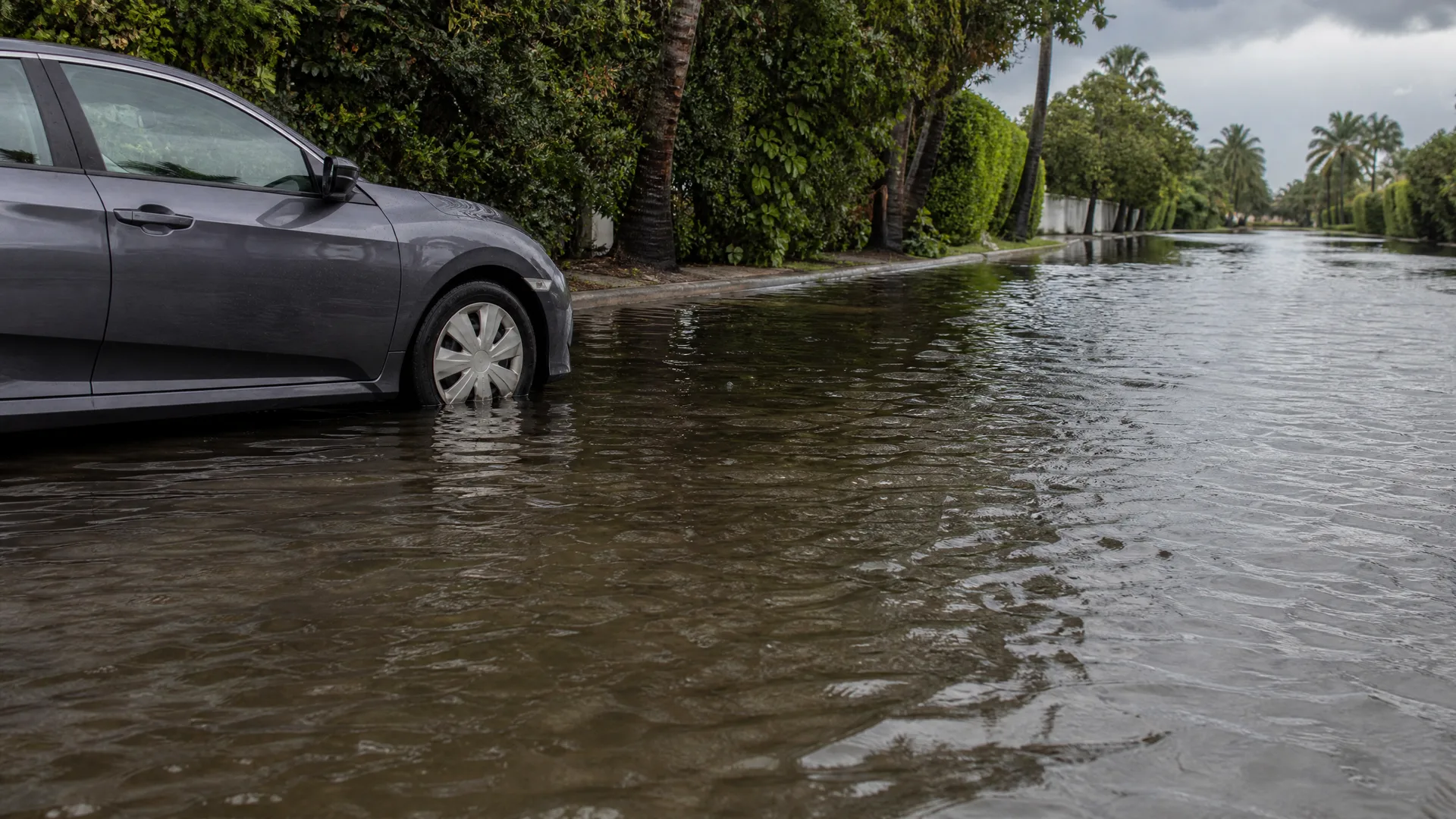
- Hail, flood or fire damage Weather and other non-collision events are also comprehensive claims, a separate coverage with its own deductible.
- Theft of the car A stolen vehicle is a comprehensive claim as well, collision only applies when the car is actually in a wreck.
- Your medical bills This coverage pays for the car, not for injuries to you or your passengers, that comes from medical payments or health coverage.
- The other driver's car Damage you cause to someone else's vehicle is paid by your liability coverage, a different part of your policy.
- Normal wear or mechanical failure A worn-out transmission or a dead battery isn't a collision, this coverage only responds to an actual impact.
For a lot of older drivers, this coverage stops earning its keep
The math starts with the car. If your car is paid off and worth modestly less each year, you're paying premiums to protect a shrinking number. At some point the yearly cost gets close to what the car would bring in a payout, and that's the signal to look hard at dropping it.
The next question is whether you could cover a bad repair or a replacement car out of savings without it changing your life. If the answer is yes, you're essentially self-insuring already, and paying someone else to carry that same risk stops making sense. If the answer is no, this coverage is doing real work for you and it's worth keeping even on an older car.
How much you drive matters too. A car that mostly sits in the garage and takes occasional trips to the store or to see grandchildren carries a lot less risk than one driven daily on the highway. Less driving means fewer chances to need this coverage, which shifts the math toward dropping it.
Where the car sits overnight matters as well. A car kept in a garage in a quiet neighborhood faces different odds than one parked on a busy street or in a shared lot. None of this is about whether you're still a good driver. It's about what the car is worth and what a loss would actually cost you to absorb.
What happens when you actually file a claim
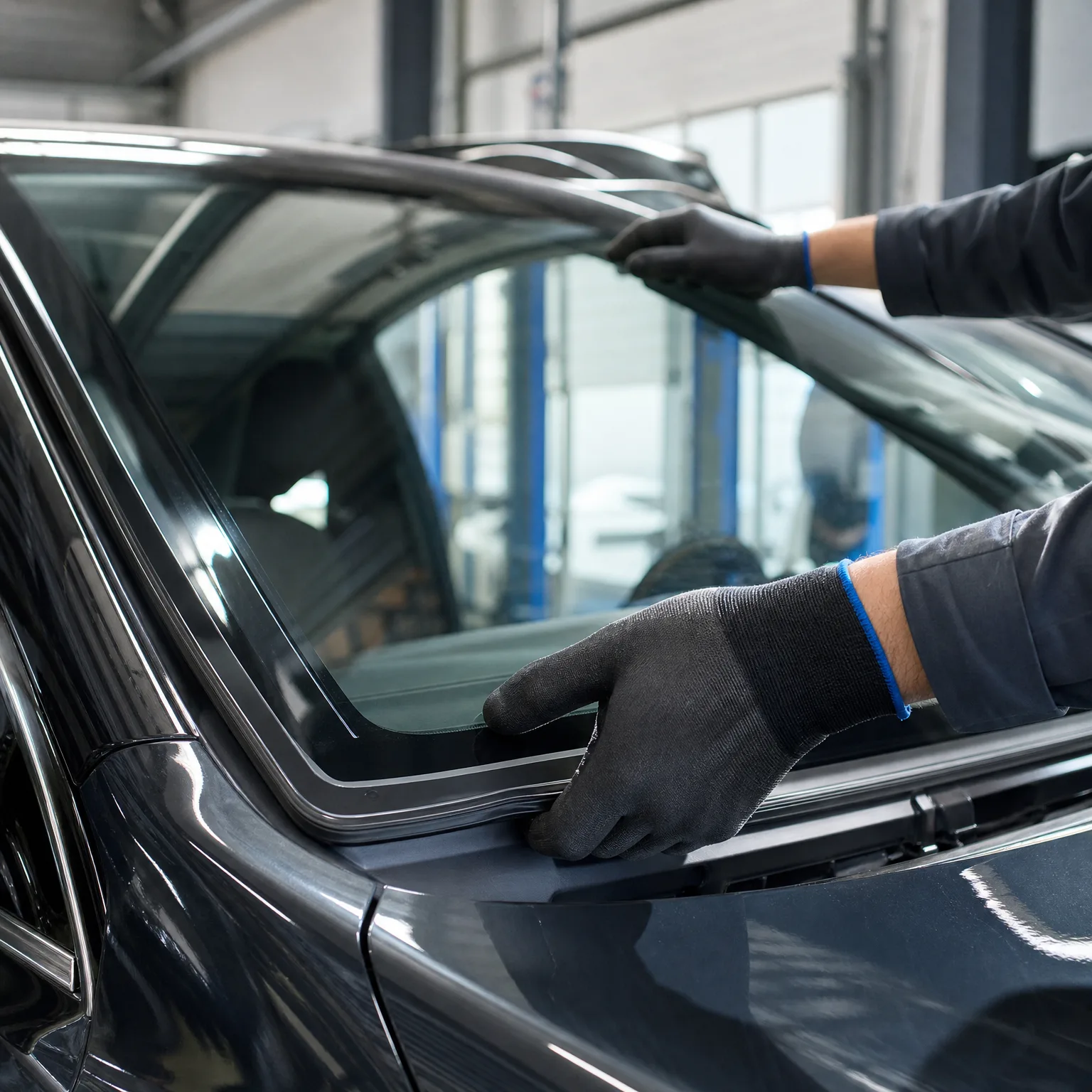
You pay your deductible first, and the insurer covers the repair cost above that, up to the car's value. If the repair would cost more than the car is worth, the insurer declares it a total loss and pays you that value instead, minus the deductible. You don't get to choose repair over a payout once it crosses that line.
After a crash, you'll report what happened, where, and whether anyone else was involved. An adjuster looks at the damage, either in person or from photos, and either approves a repair shop estimate or calculates the car's value for a total loss. Have your registration, the other driver's information if there was one, and photos of the damage ready, that speeds things along considerably.
The payout covers the car itself, not a rental unless you've added that separately, and not any upgrades you made that the insurer didn't know about. If you still owe money on the car, the lender gets paid first out of any total-loss payout, you get what's left over.
Collision versus comprehensive
Collision coverage
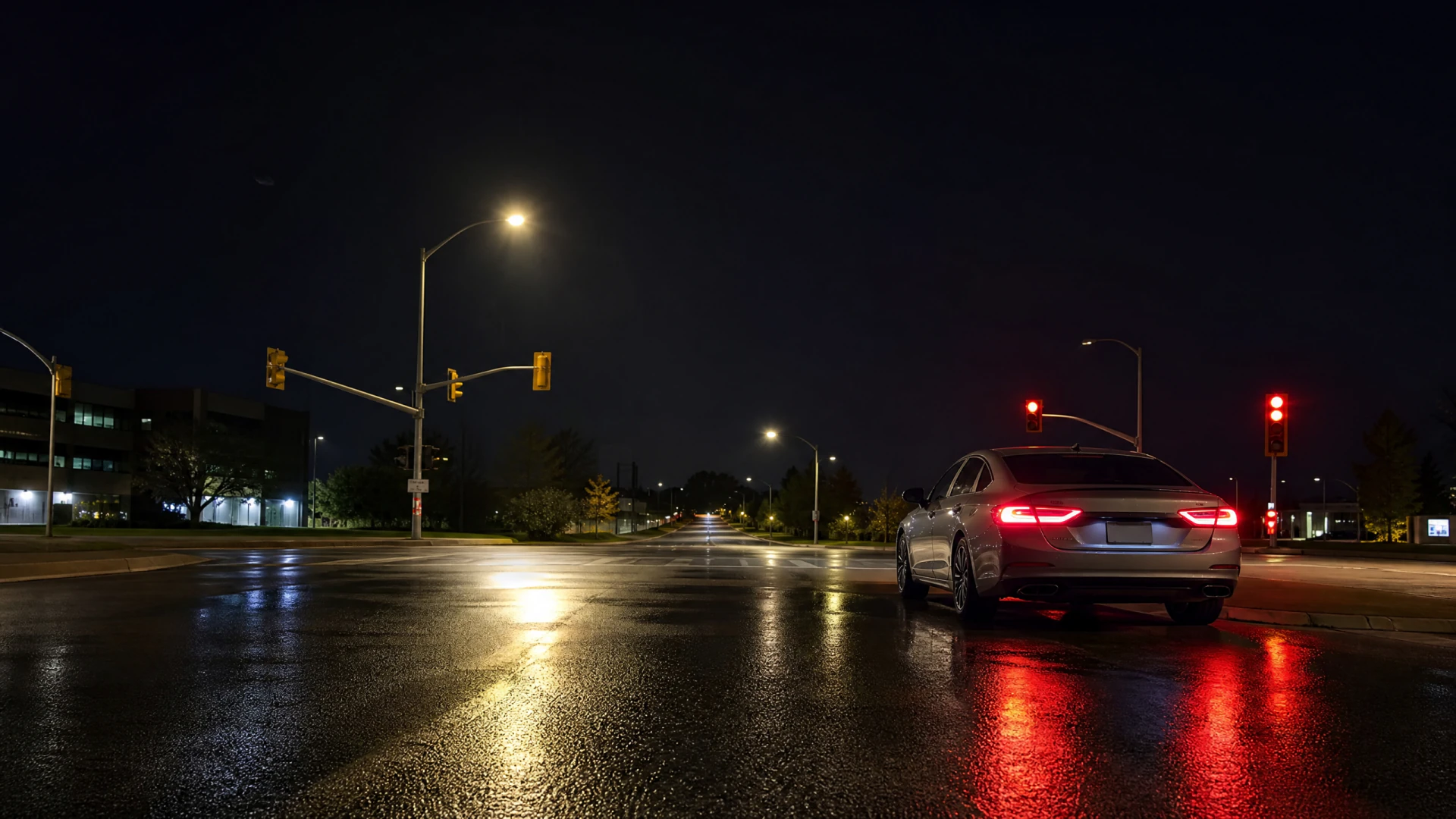
This pays for damage from hitting another car, an object, or rolling over, regardless of who's at fault. It's about impacts you're involved in while driving.
Comprehensive coverage
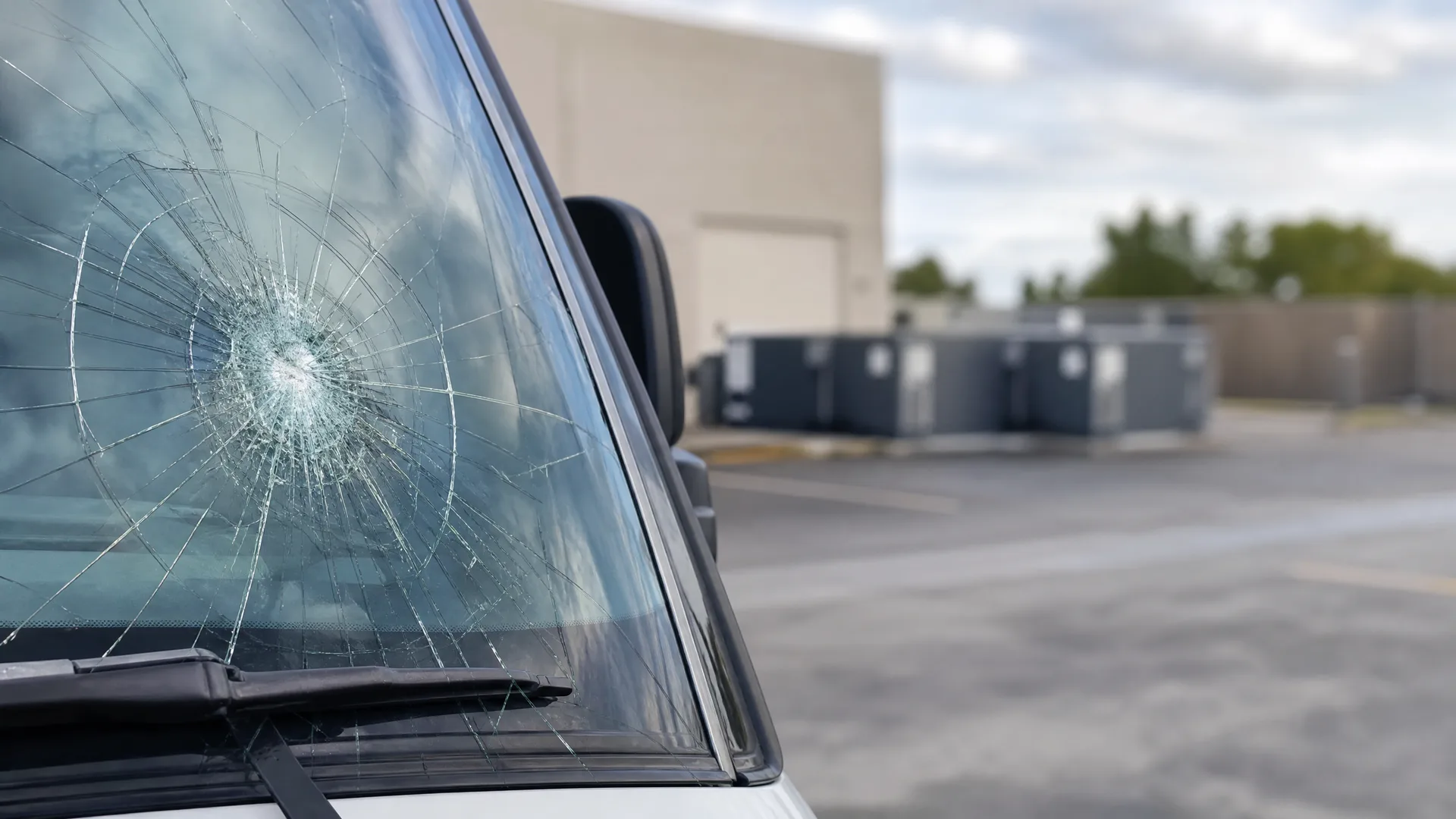
This pays for damage that isn't a collision, like hail, a cracked windshield, a deer strike, theft, or vandalism. The car doesn't need to be moving for a comprehensive claim to apply.
If you're deciding between the two, comprehensive is usually the cheaper one to keep since it covers a narrower, less costly set of events, while collision is the one worth reconsidering first as a car ages.
Real situations
You're pulling out of a church parking lot after a Sunday service and you clip a parked car nobody was sitting in.
Collision pays for your car's damage, since you caused the impact and were driving at the time.
A hailstorm rolls through overnight while your car is parked in the driveway and dents the hood and roof.
This is a comprehensive claim, not collision, since there was no impact with another vehicle or object.
A deer runs into the road at dusk on a county highway and you hit it before you can brake.
Animal strikes fall under comprehensive coverage, not collision, even though the damage can be severe.
Once you know whether you want to keep, drop, or adjust this coverage, you're ready to compare quotes built around that choice.
Questions people ask about this
What happens if my car is totaled and I still owe money on it?
The insurer pays the car's value and the lender gets paid first from that amount. If you owe more than the car is worth, you're responsible for the difference unless you have separate gap coverage. Check your loan payoff amount against what the car is likely worth before deciding whether this is a risk for you.
Can I drop collision coverage and keep comprehensive?
Yes, these are separate coverages and you can carry one without the other. Many older drivers with paid-off cars keep comprehensive, since it's usually the cheaper of the two, while dropping collision. If you have a loan or lease, though, your lender may require both.
Does my credit or driving record affect this coverage's cost?
It can, along with other factors, but how much weight each factor carries varies by insurer and by state. Your driving history, where you live, and the car itself all typically play a role. Ask your agent directly which factors are affecting your specific rate.
Is collision coverage required by law?
No, no state requires collision coverage the way liability coverage is typically required. A lender may require it as a condition of a car loan or lease, though, which is a separate requirement from what the state mandates. Check your loan agreement if you're financing the car.
Should I raise my deductible to lower the cost?
Raising your deductible does lower what you pay for the coverage, since you're taking on more of the risk yourself. It only makes sense if you could comfortably pay that higher deductible out of pocket when a claim happens. Look at your savings honestly before choosing a higher number just to save on the premium.