How to Protect Car from Hail Damage with No Garage
A car cover, a carport, or parking under cover during storms protects your car better than nothing, but your comprehensive coverage is what actually pays for the damage that gets through.
Cover what you can, insure the rest
Without a garage, you're relying on a combination of physical protection and insurance. A thick car cover designed for hail, a carport, a parking garage, or even parking under a sturdy overhang during a storm watch all reduce the damage a hailstorm does. None of them guarantee the car comes through untouched.
That's where comprehensive coverage matters. Hail damage is one of the most common comprehensive claims, and it's covered as long as you carry that part of your policy. If you don't have comprehensive coverage, none of the physical steps below change what happens to your wallet when a storm hits.
Whether you carry comprehensive coverage
Comprehensive coverage is what pays for hail damage. Liability only policies don't cover it at all, so if you're relying on a cheap policy without comprehensive, a cover or carport is the only protection you have.
Check your policy now, before a storm is forecast. Look for comprehensive coverage listed separately from collision, and note your deductible. A high deductible on an older car can mean a claim isn't worth filing even when the damage is real.
If you don't have comprehensive and you're in an area that gets hail, it's worth asking your insurer what adding it would mean for your policy. That's a decision to make before hail season, not during a storm warning.
A dedicated hail cover, the kind with padding rather than a thin dust cover, is the single most effective physical measure if you park outside. Moving blankets held down with weight work in a pinch but aren't reliable in wind.
Where and when you park
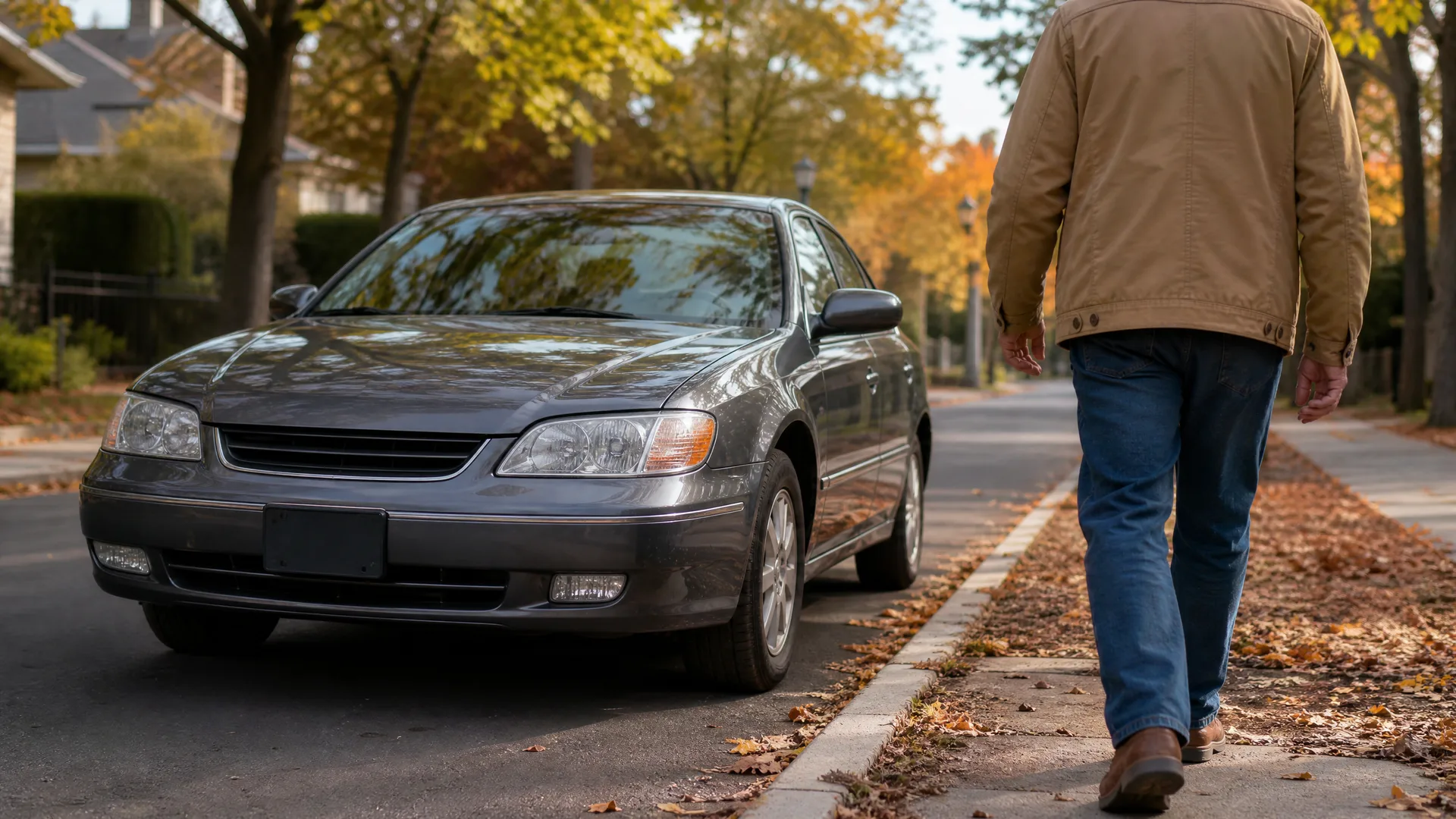
Hail damage depends heavily on where the car sits when a storm actually hits, not just where it's parked most of the time. A car moved into a parking garage, under a highway overpass, or into a car wash bay during a warning avoids damage a car left in a driveway won't.
Most phones and weather apps now send severe storm alerts with enough lead time to move a car. Watching for those alerts during hail season and having a covered spot in mind, even one a few minutes away, matters more than any product you buy.
Carports and awnings help even though they're open on the sides, since most hail damage comes from above. A cheap steel or fabric carport kit is a middle option between nothing and a full garage.
If you're choosing between protecting one car and another, protect the one that costs more to repair or that you'd have a harder time replacing. Insurers price comprehensive coverage per vehicle, so the math on what's worth protecting physically can differ from car to car.
Questions people ask about this
Does filing a hail damage claim raise my insurance rate?
Comprehensive claims, including hail, are usually treated differently from at-fault accidents because the damage isn't caused by anything the driver did. Many insurers don't raise rates for a single comprehensive claim, but policies vary, so ask your insurer directly how they handle it before you decide whether to file.
Is hail damage cosmetic or does it affect how a car drives?
Hail damage is almost always cosmetic, affecting the body panels and sometimes the glass, not the mechanical parts of the car. It can still lower resale value noticeably even when the car runs fine, which is part of why comprehensive coverage exists.
Can I get paintless dent repair for hail damage?
Paintless dent repair works for many hail dents as long as the paint itself isn't cracked or chipped. Ask the shop your insurer sends you to, or one you choose yourself, whether your car's dents qualify, since depth and location affect whether the technique works.
Should I wait to file if more storms are expected this season?
You can file a claim after each storm or wait and document all the damage at once, but check with your insurer about their preference and about how your deductible applies. Filing separately for each storm could mean paying the deductible more than once.
Do car hail covers actually work or are they a waste of money?
A well-made hail cover with real padding reduces or prevents dents in most storms, though it won't stop damage from very large hail. The thin all-weather covers sold for sun and dust protection don't offer meaningful hail protection, so the type of cover matters.
If you're thinking about adding comprehensive coverage or wondering what yours would cost, it helps to see what other insurers charge for it.
Pull out your current policy and check whether comprehensive coverage is listed, along with the deductible amount. If hail season is coming and you don't have anywhere covered to park, look into a padded hail cover or a carport kit this week rather than after the first warning. Set up severe weather alerts on your phone if you haven't already, since a few minutes of notice is often enough to move the car under cover. If you're unsure how your insurer handles comprehensive claims or whether adding that coverage makes sense for your car, call them and ask directly. And if you're shopping for a policy that includes solid comprehensive coverage, compare a few quotes now instead of waiting until after a storm has already done damage.