How to Protect Car Paint from Sun Damage
A covered spot and regular washing protect paint better than any wax or sealant you can buy.
Shade and regular washing do most of the work
Sun damage to car paint comes mostly from UV rays breaking down the clear coat over time, along with heat that bakes in dirt, bird droppings, and tree sap before you get a chance to wash them off. The single best thing you can do is keep the car out of direct sun as much as you can, in a garage, under a carport, or at least under a tree.
After that, washing the car regularly and applying wax or a paint sealant a couple of times a year adds a layer of protection. Wax doesn't block UV rays the way shade does, but it slows how fast the clear coat breaks down and makes it easier to wash off the things that etch into paint if left too long.
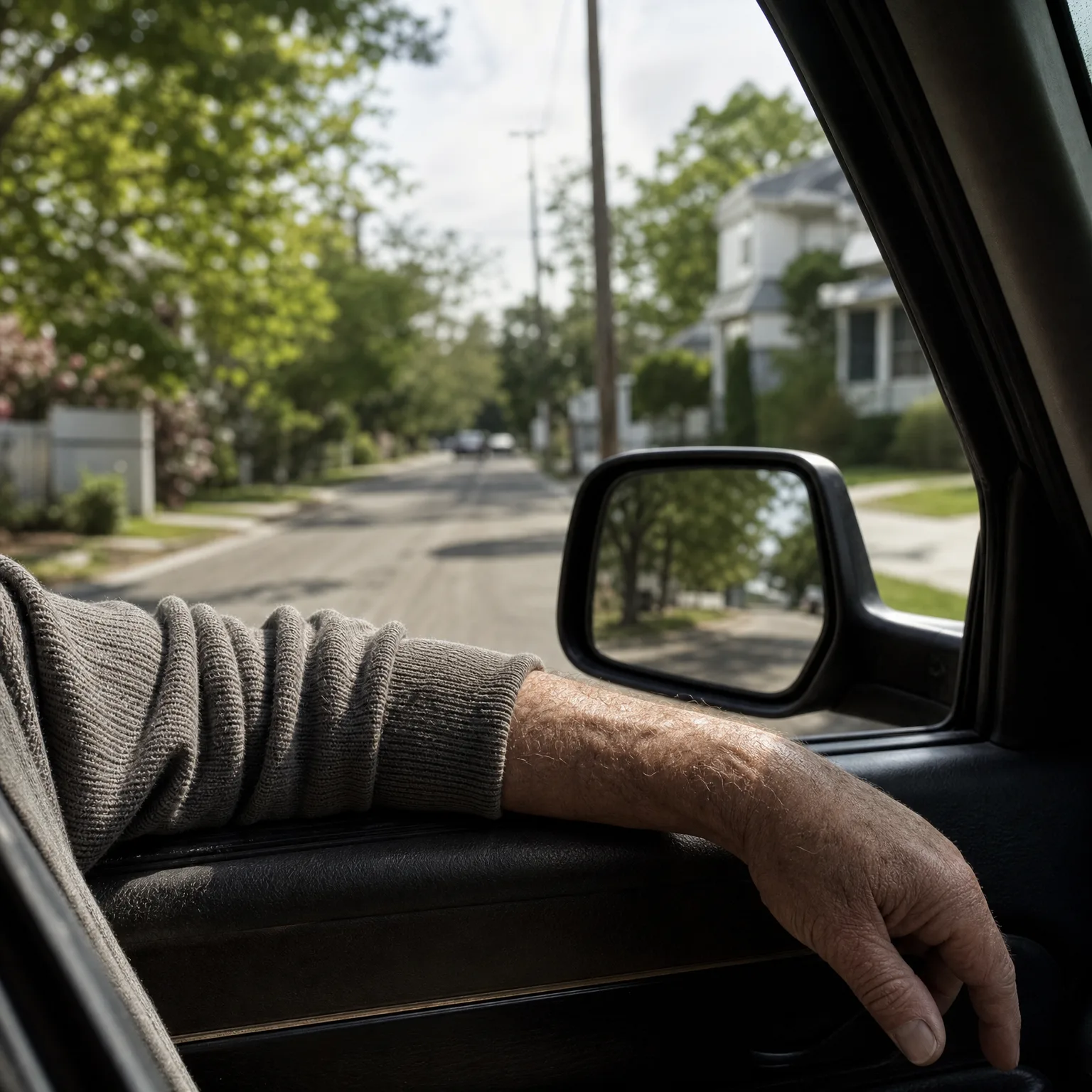
Where the car spends most of its time
A car parked outside all day, every day, takes far more UV damage than one that spends most of its time in a garage, even an uncovered carport helps by blocking direct overhead sun during the hottest part of the day.
If you don't have covered parking at home, think about where the car sits during the day too. A car parked in a shaded spot at work for eight hours is getting a real break that one sitting in an open lot isn't.
A car cover is worth it if you don't have any other shade option, especially for a car that sits for long stretches, like a second vehicle. Look for one made for outdoor use with UV protection built in, not just a thin dust cover.
Parking direction matters too. Angling the car so the sun hits the hood and trunk rather than a full side, or the roof straight on, spreads the exposure out instead of concentrating it on one panel.
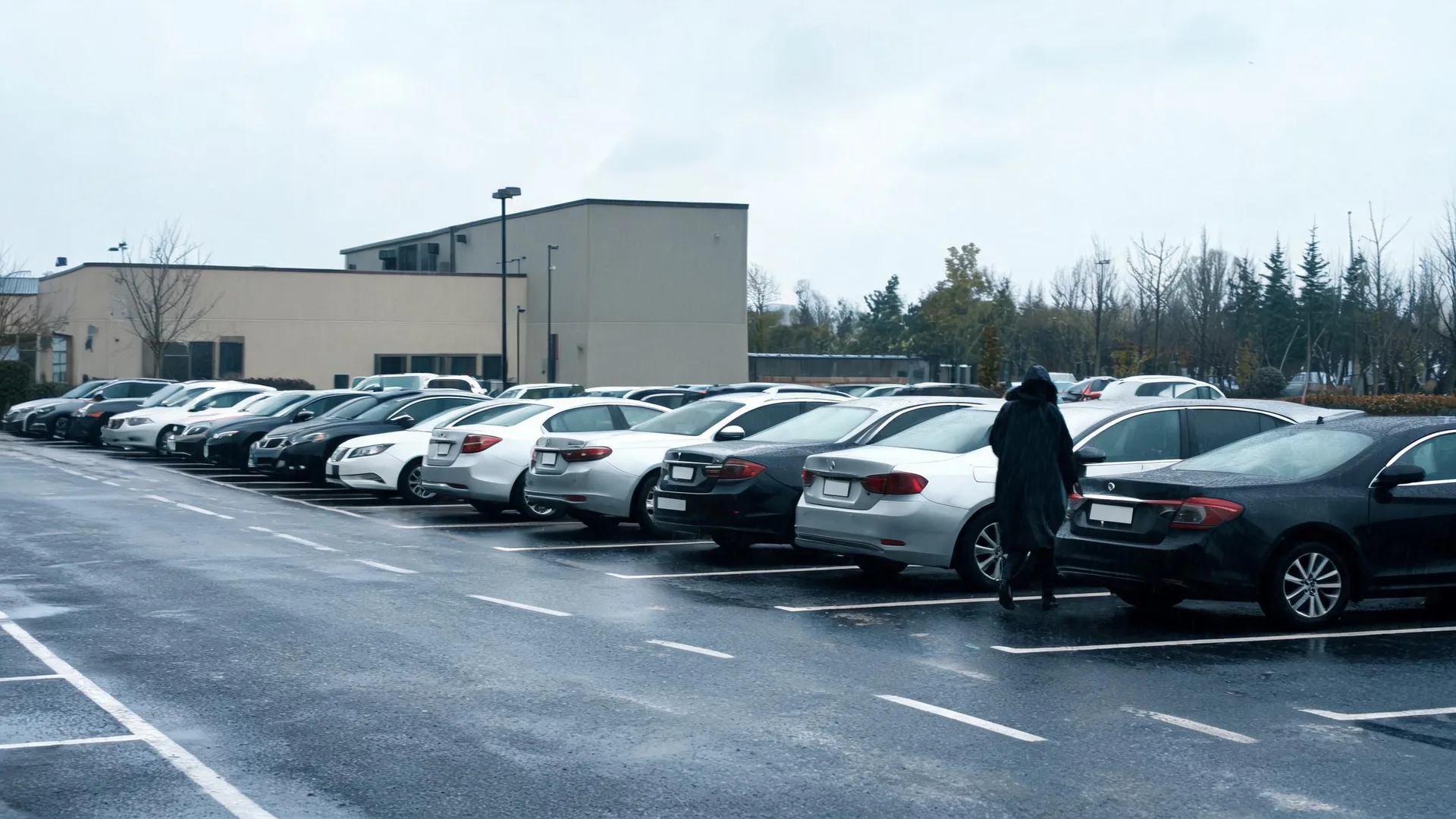
What's sitting on the paint when the sun hits it
Bird droppings, tree sap, and bug residue are acidic and they bake into the clear coat when the sun heats them. The damage happens fast, often within a few hours on a hot day, so getting them off as soon as you notice them matters more than almost anything else.
Dust and road grime act like fine sandpaper under sun and heat too. Regular washing, by hand or at a car wash that won't scratch the finish, clears this before it has a chance to do damage.
A fresh coat of wax or sealant gives the paint a sacrificial layer. The UV rays and contaminants work on that layer first instead of directly on the clear coat, and you just reapply it when it wears off.
If the clear coat is already showing signs of damage, like fading, chalkiness, or small cracks, a detailer can tell you whether a paint correction or a new sealant will help, or whether the damage is deeper than that.
Questions people ask about this
Does a car cover scratch the paint over time?
A poorly fitted or dirty cover can, but a cover made for the car's shape and kept clean won't cause noticeable damage. Look for a soft inner lining and make sure dust and grit are washed off the cover itself every so often, since that's usually what causes fine scratches, not the cover material.
Is ceramic coating better than wax for sun protection?
Ceramic coating generally lasts longer and holds up to UV exposure better than traditional wax, which is why it's become popular for cars that spend a lot of time outside. It costs more and is usually applied by a professional, so whether it's worth it depends on how long you plan to keep the car and how much sun it gets.
Can sun damage affect a car's resale value?
Yes, faded or chalky paint is one of the first things a buyer or appraiser notices, and it signals the car wasn't well cared for even if everything else is fine. Keeping the paint protected is one of the more visible ways to keep a car's value up over the years you own it.
How often should I wax my car to protect against sun damage?
This depends on the type of wax or sealant you use, since traditional carnauba wax wears off faster than a synthetic sealant or ceramic coating. Check the product's instructions, but as a general pattern, more frequent sun exposure means you'll need to reapply more often.
Will a windshield sunshade protect the car's paint too?
A sunshade protects the interior, the dashboard and seats, but it does nothing for the exterior paint since it only blocks sun coming through the glass. For the body of the car, shade from parking or a cover is what actually helps.
If you're comparing insurers, ask how they handle paint or trim damage claims before you need one.
This week, take a look at where you park most often and see if there's a shadier spot available, even a tree or a building's shadow for part of the day makes a difference. Wash off any bird droppings or sap as soon as you spot them rather than waiting for your next regular wash. If it's been a while since you waxed or sealed the paint, do that now before the sun gets stronger for the season. And if the clear coat already looks faded or chalky in spots, get a detailer's opinion on whether a correction is worth doing before it spreads further.