Hurricane Damage Car Coverage in Louisiana
Hurricane damage to your car in Louisiana is paid for by comprehensive coverage, the part of your policy that handles weather and other events outside a collision.
What this coverage actually pays for
Covers
- Wind damage to the car Downed branches, flying debris, or wind itself bending a panel or cracking a windshield is covered.
- Flooding from storm surge or rain Water that rises and reaches the car, whether it's parked in a driveway or caught on a flooded road, falls under this coverage.
- Falling trees or limbs A tree that comes down on your car during the storm is one of the most common hurricane claims there is.
- Total loss from flood or wind If the car is damaged beyond repair, this coverage pays out its value rather than the cost of fixing it.
- Damage while evacuating If something happens to the car on the road while you're leaving ahead of a storm, it's treated the same as if it happened at home.
- Vandalism or looting afterward Damage done to the car in the chaos after a storm, like a break-in, is covered the same way as storm damage itself.
Doesn't cover
- Damage to another car If wind or a tree limb from your property damages someone else's car, your liability coverage is what responds, not this one.
- Injuries from the storm Medical costs from an accident or injury during a storm are handled by medical payments or health coverage, not this coverage.
- Cost of a rental car A rental while your car is repaired is only covered if you've separately added rental reimbursement to your policy.
- Home or property damage Damage to your house, fence, or garage from the same storm is a homeowners or renters claim, not an auto one.
- Normal wear exposed by the storm If a storm reveals an existing problem, like a leak that was already there, this coverage won't pay to fix the underlying issue.
- Lost wages or moving expenses Costs tied to evacuating or being displaced aren't part of a car insurance claim at all.
For most drivers in hurricane country, this coverage is worth keeping
The math usually comes down to what the car is worth and whether you could absorb a full loss yourself. If the car is paid off and worth a real amount, replacing it out of pocket after a flood or a fallen tree is a hard thing to do at any age, and harder once you're relying on fixed income.
If the loan is already paid and the car is older, the calculation changes. A car worth very little costs little to replace, and the coverage may cost more over the years than it would ever pay out. That's a judgment only you can make, since it depends on the car's value, not its age alone.
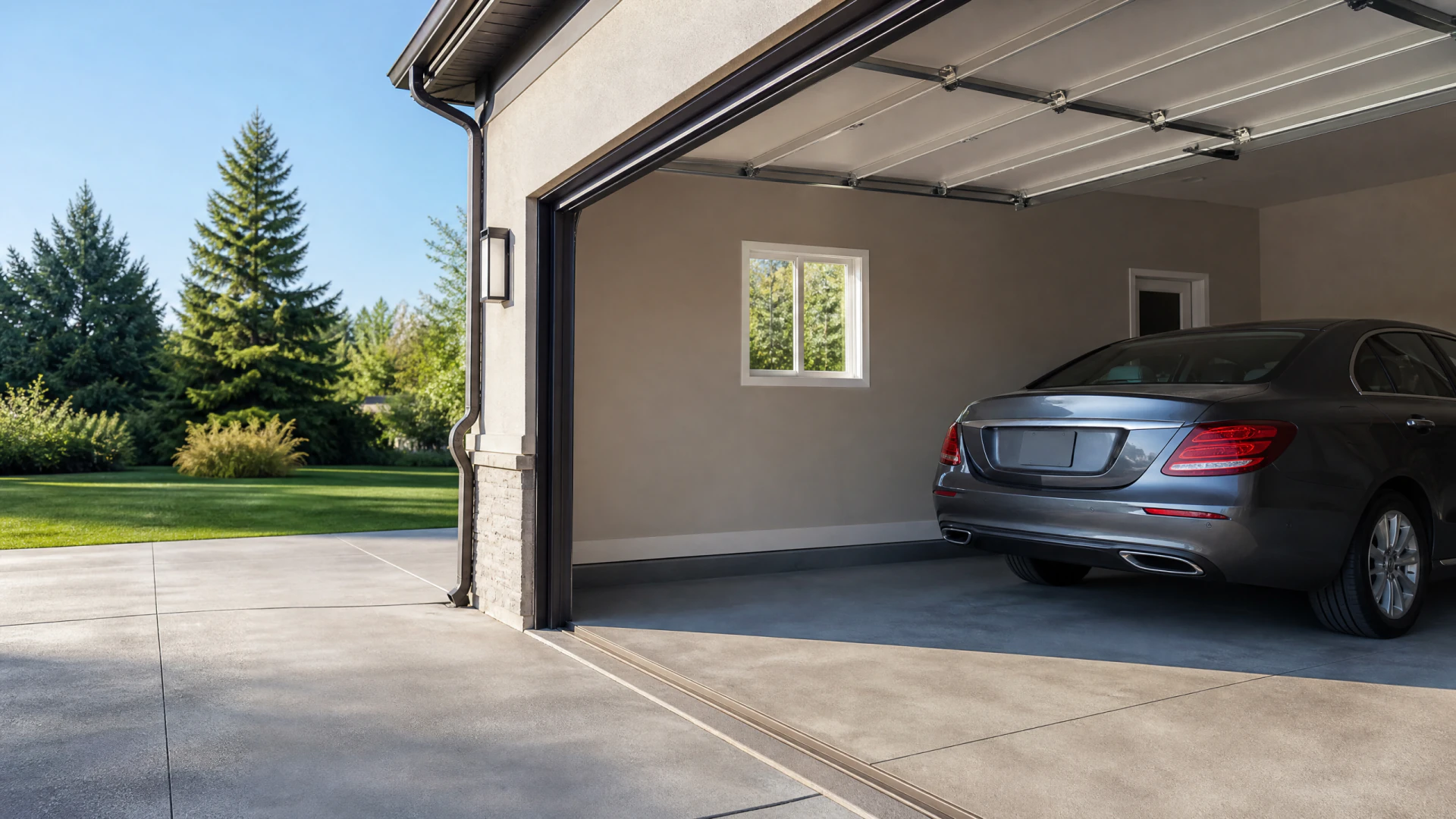
Where the car spends most of its time matters too. A car that sits outside through hurricane season, especially near the coast or in a flood-prone neighborhood, carries more real risk than one that's garaged well inland. If you drive less than you used to, the exposure still exists every time the car is parked at home, so low mileage doesn't lower this particular risk the way it does for collision.
If you could write a check to replace the car tomorrow without strain, you may decide the coverage isn't buying you much. If a loss like that would be a real hardship, this is the coverage that stands between you and that outcome.
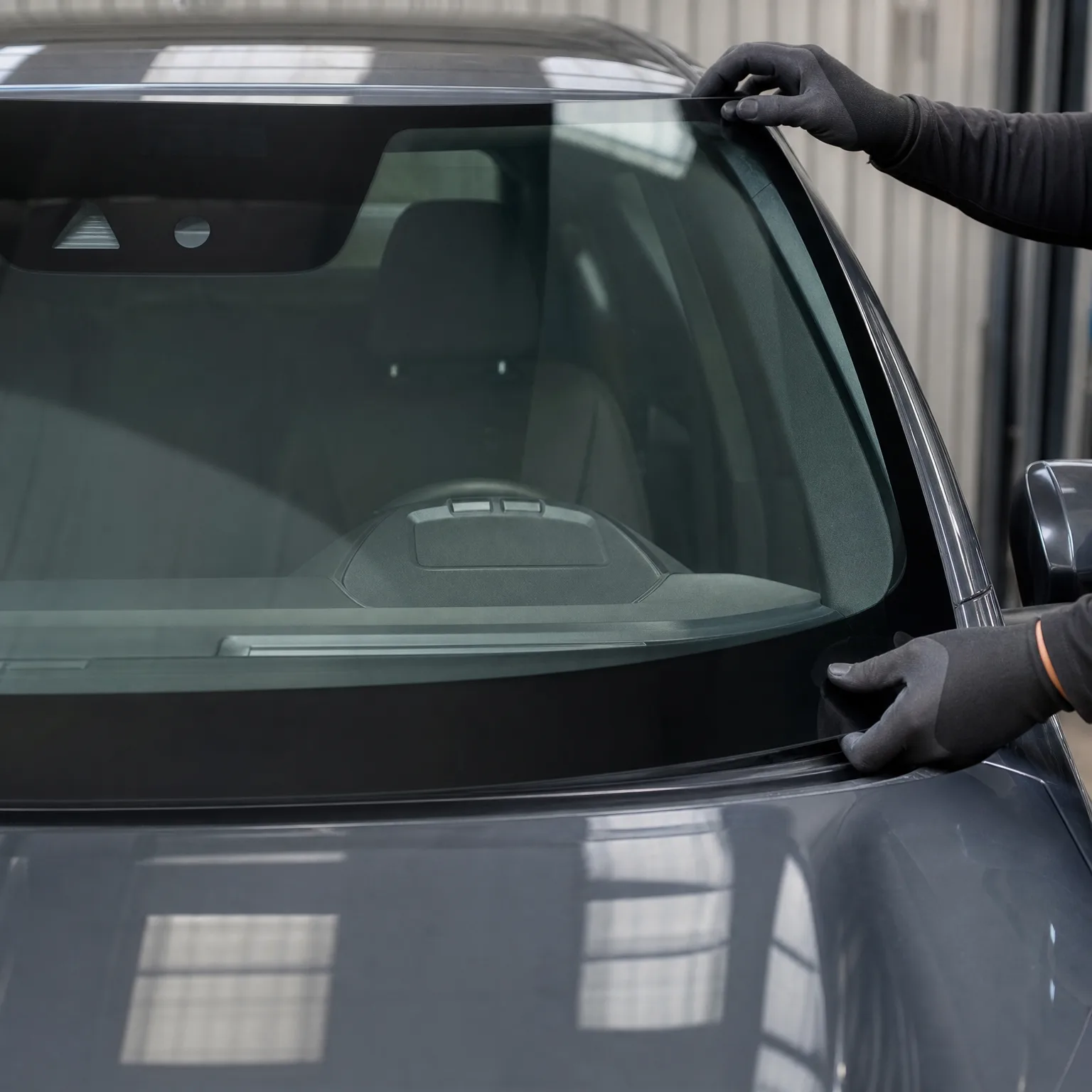
How a hurricane damage claim actually goes
You pay your deductible and the coverage pays the rest, up to what the car is worth. If the repair costs more than the car is worth, the claim is settled as a total loss instead of a repair, and you're paid the car's value minus the deductible.
After a hurricane, claims come in heavy volume, so expect the process to take longer than it would after an ordinary single-car claim. An adjuster will need to inspect the car, which may happen later than you'd like simply because so many other cars need the same thing at once.
Have your policy number, photos of the damage, and a general sense of where the car was parked when it happened. If the car flooded, don't try to start it, since doing so can cause further damage that complicates the claim.
The payment covers the car itself, not anything you had stored inside it like equipment or personal belongings. Keep receipts for any temporary repairs you make to prevent further damage, since reasonable costs for that are usually reimbursed as part of the claim.
Comprehensive versus collision coverage
Comprehensive coverage
This is what pays for hurricane damage, along with flooding, fire, falling objects, and animal strikes. It applies to events that aren't a collision with another vehicle.
Collision coverage
Collision pays when your car hits something or something hits it while moving, like another car or a guardrail. It's a separate line on your policy with its own deductible.
If you're deciding whether to carry coverage against storm damage specifically, comprehensive is the one that matters, and you can carry it with or without collision.
Real situations
Your car is parked in the driveway during a hurricane, and a large limb falls across the hood and windshield.
This pays, since falling debris during a storm is a textbook comprehensive claim.
You evacuate ahead of the storm, but floodwater rises faster than expected and reaches the car at a relative's house two towns over.
This pays, since flood damage is covered no matter where the car was parked when it happened.
During the same storm, a tree from your yard falls and damages your neighbor's parked car instead of yours.
This doesn't pay for that, since damage to someone else's car falls under your liability coverage, not this one.
Once you know whether you want this coverage and at what deductible, you can compare quotes with that decision already settled.
Questions people ask about this
Does car insurance cover flood damage from a hurricane?
Yes, as long as you carry comprehensive coverage, flood damage from a hurricane is covered the same as wind damage. Liability-only policies don't include this protection at all. Check your declarations page for a line labeled comprehensive to confirm you have it.
What happens if my car is declared a total loss after a hurricane?
You're paid the car's value at the time of the loss, minus your deductible, and the insurer typically takes the car afterward. That value is based on comparable cars in your area, not what you originally paid or what you owe. If you still owe money on the car, check whether the payout covers the loan balance.
Should I move my car before a hurricane to avoid damage?
Yes, moving a car to higher ground or a garage ahead of a storm can prevent damage, and doing so doesn't affect your coverage either way. Comprehensive coverage follows the car wherever it's parked when the damage happens. The bigger risk is leaving it in a known flood zone when a safer option is available.
Can my insurer drop me after a hurricane claim?
It varies by state and by insurer, so check your policy and your state's rules on this directly. Some protections exist in certain states for storm-related claims specifically. A local agent or your state's insurance department can tell you what applies where you live.
Do I need a police report to file a hurricane car insurance claim?
No, a police report usually isn't required for storm or flood damage, since there's no other driver involved. What you do need is documentation, like photos of the car and the surrounding damage. Your insurer will tell you exactly what they need when you open the claim.