Hurricane Damage Car Coverage in Mississippi
Hurricane damage to your car, from wind, flying debris, falling trees, or storm surge flooding, is paid for by comprehensive coverage, not by a separate hurricane policy.
What comprehensive coverage pays for in a hurricane
Covers
- Wind damage Torn-off panels, shattered windows, or a roof crushed by wind pressure are covered.
- Falling trees and limbs If a tree comes down on your car during or after the storm, the damage is covered.
- Flood and storm surge Water damage from rising tides or flash flooding, including a ruined engine, is covered.
- Flying debris Dents and broken glass from shingles, signs, or other objects carried by wind are covered.
- Total loss from the storm If the car is damaged beyond repair, the policy pays out its value rather than the repair cost.
- Damage while evacuating A wreck caused by storm conditions during evacuation is still a comprehensive claim if a tree or object is involved, though a collision with another car falls under collision coverage.
Doesn't cover
- Cost of evacuating Fuel, motels, and travel costs during an evacuation aren't part of this coverage.
- A rental car automatically You only get a rental car during repairs if you added rental reimbursement to your policy ahead of time.
- Mechanical breakdown unrelated to the storm A battery or transmission that fails on its own, even during hurricane season, isn't a storm claim.
- Damage from your own driving Hitting another car while fleeing the storm is handled under collision coverage, not comprehensive.
- Full replacement value on an older car A payout is based on what the car was worth right before the storm, not what a new one costs.
- Loss of personal belongings left inside the car Items like luggage or electronics usually fall under homeowners or renters coverage instead.
For most drivers who keep a car in Mississippi, this coverage is worth having
The decision mostly comes down to comprehensive coverage generally, since that's what actually responds to hurricanes. If you already carry comprehensive for theft or glass damage, you already have hurricane protection built in. Dropping it to save money also means giving up flood and wind protection, which matters more here than almost anywhere else.
What the car is worth changes the math. A car with real value sitting in a driveway near the coast is exposed to real risk, and replacing it out of pocket after a storm is a hard way to start over. A car that's old enough that you'd only get a small payout is a different story, especially if you could absorb that loss yourself without much strain.
How much you drive and where the car sits overnight matters too. A car that stays parked under a carport near low-lying ground faces different odds than one garaged well inland. If you've paid off the car and don't worry much about replacing it, that changes how much this coverage is pulling its weight.
Many drivers in their seventies and eighties have carried comprehensive for decades without a claim and wonder if it's still worth it. The honest answer is that hurricanes don't ask how old you are, and a single storm season can undo that math fast.

How a hurricane claim actually goes
You file as a comprehensive claim, not anything hurricane-specific, and your deductible applies the same way it would for a cracked windshield or a break-in. The company sends an adjuster or asks for photos once it's safe to access the car, and claims move slower right after a major storm simply because so many come in at once.
The payout covers the car's value or the cost to repair it, whichever the company decides makes sense, minus your deductible. If the car floods and the engine is ruined, that's usually a total loss rather than a repair, since water damage tends to spread into places you can't easily fix.
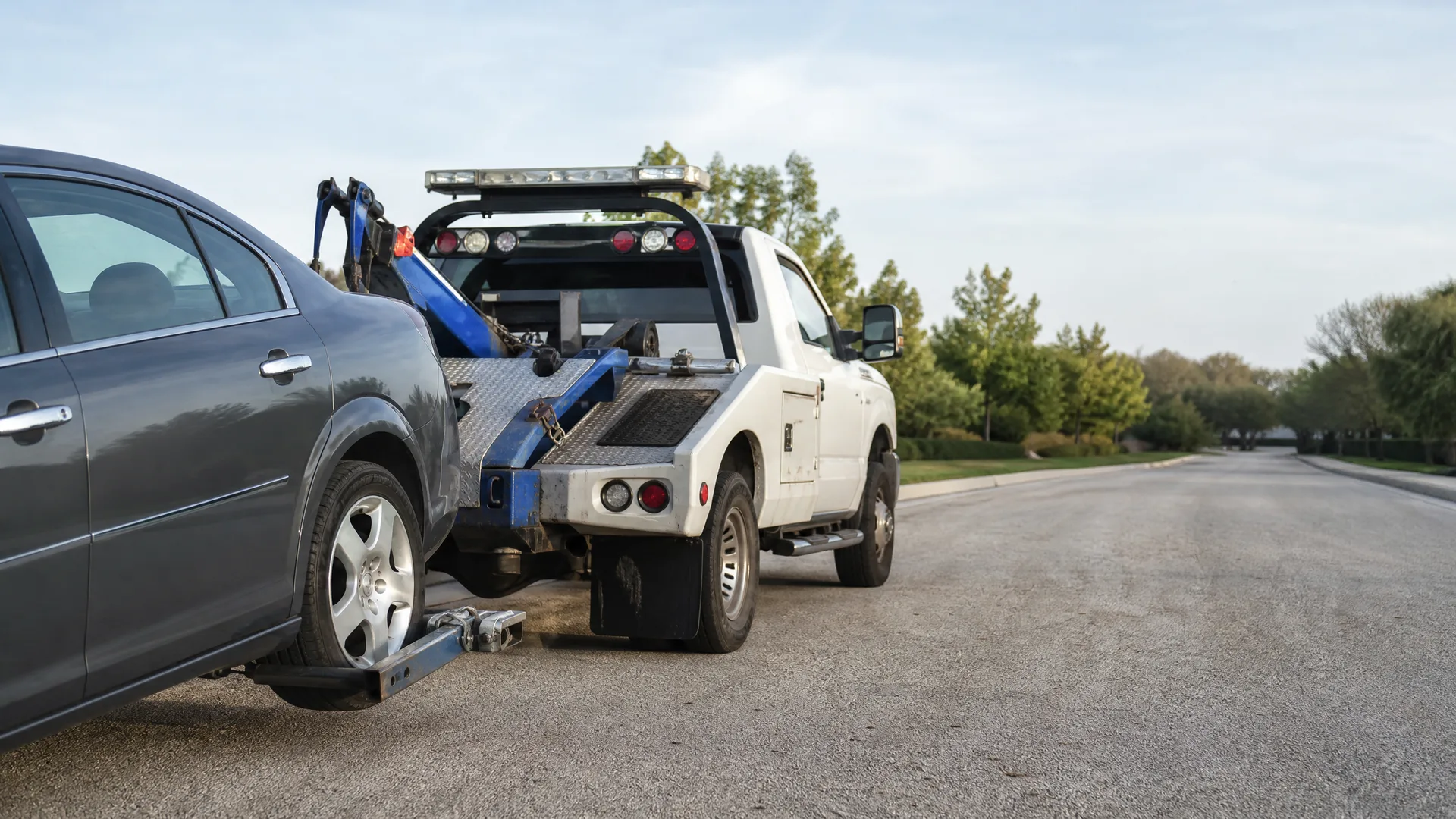
Have your policy number, photos of the damage, and a rough idea of the car's condition before the storm ready when you call. If the car is towed or stored somewhere during cleanup, keep that paperwork too, since it can matter for the claim.
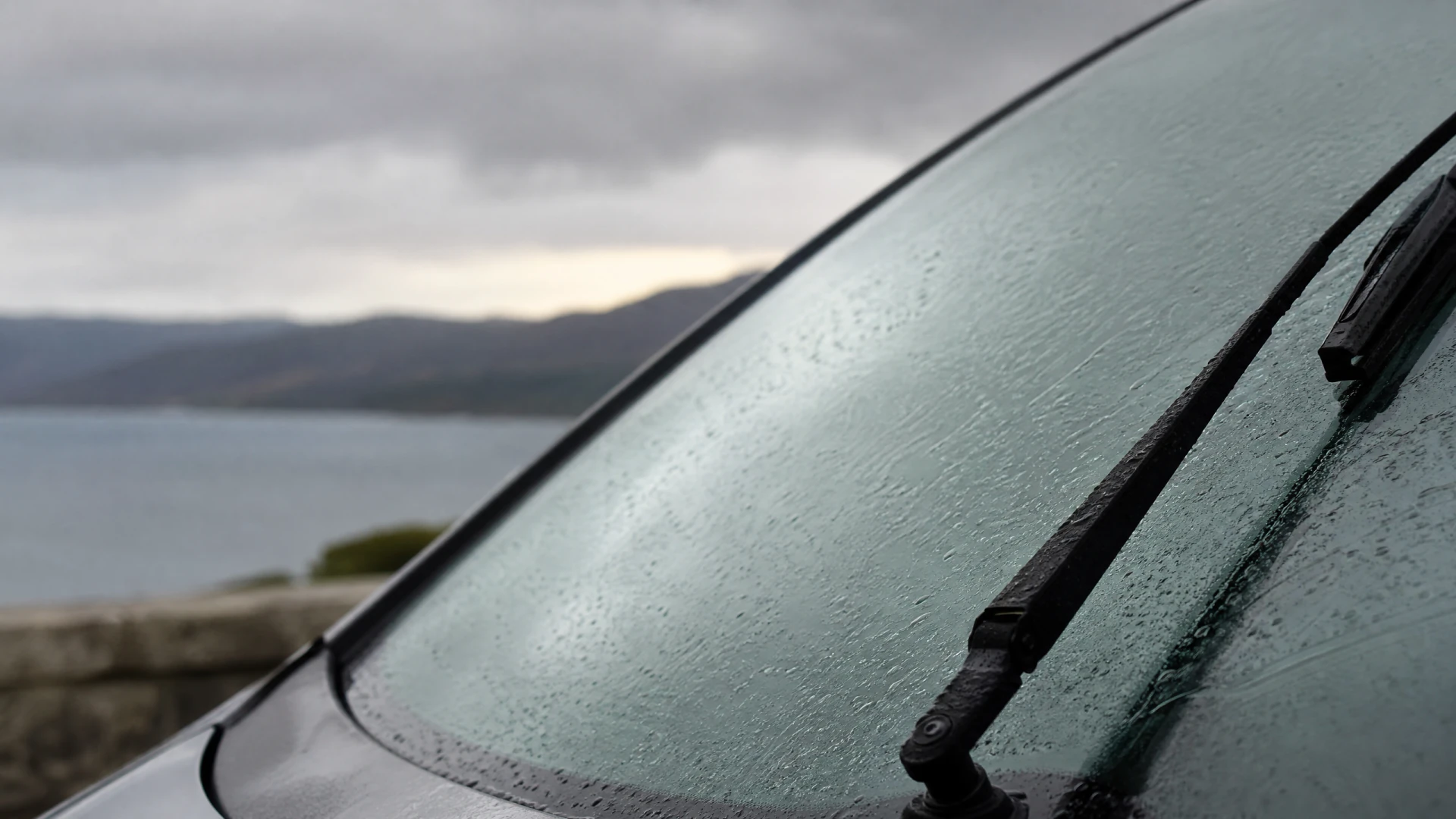
Comprehensive coverage and collision coverage
Comprehensive coverage
This is what pays for hurricane damage, along with things like theft, vandalism, and animal strikes. It applies anytime the damage wasn't caused by a collision with another vehicle.
Collision coverage
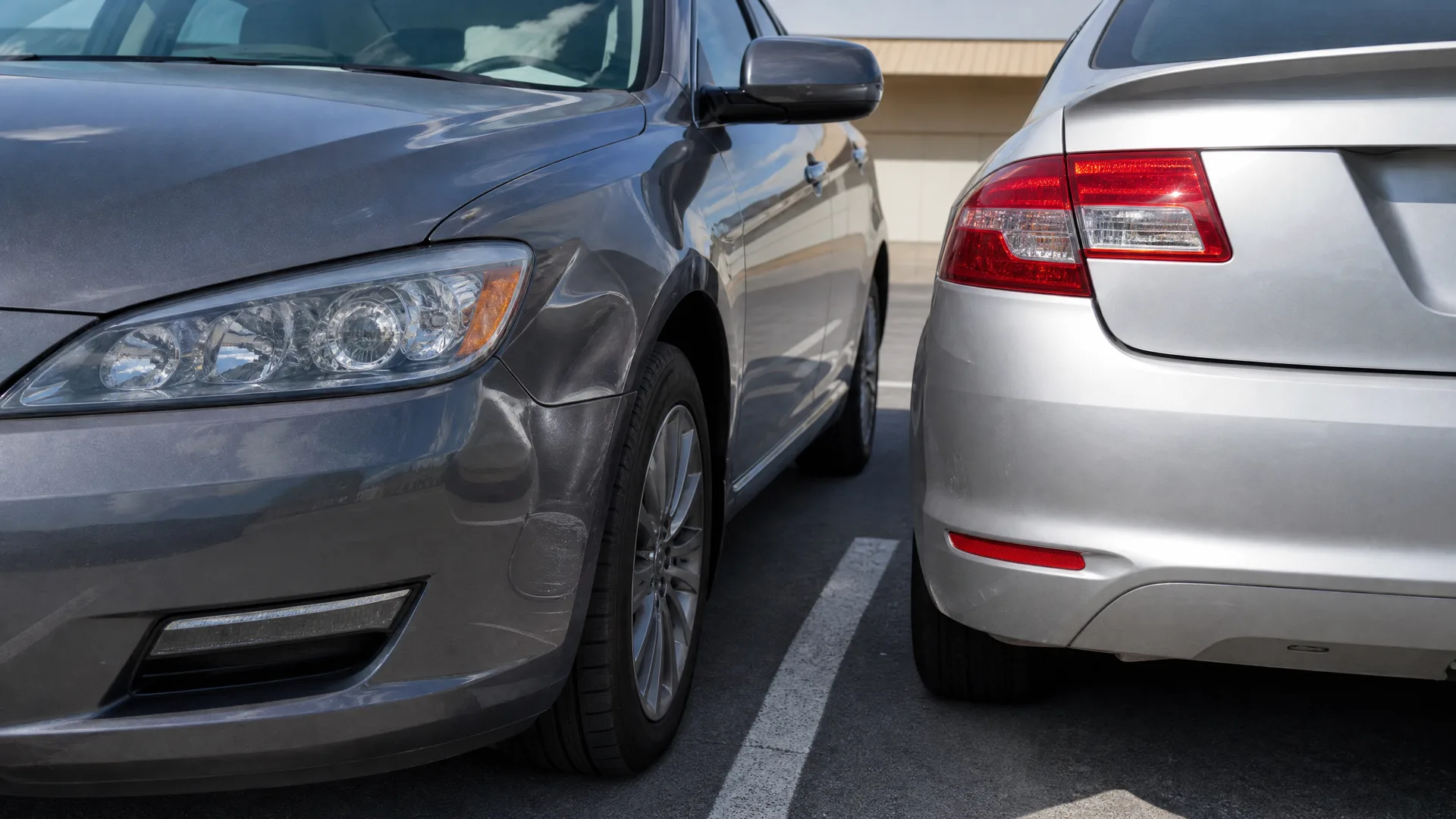
This pays when your car hits another car or object, regardless of the weather. If you crash into a guardrail while evacuating, that's a collision claim even though the storm caused the conditions.
If you're deciding which to keep, comprehensive is the one that protects against the storm itself, while collision only matters if your own driving causes the damage.
Real situations
A tree falls on your car while it's parked in the driveway during a tropical storm.
This pays, since falling trees are a standard comprehensive claim.
Storm surge floods your neighborhood and your car sits in a foot of water overnight.
This pays, and a flooded engine is usually treated as a total loss.
While evacuating on a crowded highway, you rear-end the car in front of you that stopped suddenly.
This doesn't pay, since a crash with another car falls under collision coverage instead.
Once you know whether to keep, add, or drop this coverage, you can compare quotes with that decision already made.
Questions people ask about this
Does car insurance cover hurricane damage if I don't have comprehensive?
No, without comprehensive coverage a hurricane claim has nothing to pay from. Liability coverage only pays for damage you cause to others, so wind, flood, or falling trees on your own car wouldn't be covered. Check your declarations page to see whether comprehensive is listed on your policy.
What happens if my car is declared a total loss after a hurricane?
The company pays you the car's value right before the storm, minus your deductible. You can usually keep the car for a reduced payout if you want to repair it yourself, though the company has to approve that. Any loan balance on the car gets paid off first if you still owe money on it.
Can I buy comprehensive coverage right before a hurricane hits?
Usually not in a way that helps, since insurers typically pause new policies or coverage changes once a storm is named and approaching. This is why the decision matters most before hurricane season starts. Check with your agent early in the year if you're unsure whether you're covered.
Should I drop comprehensive coverage on an old paid-off car?
It depends on whether you could afford to replace the car yourself if it were destroyed. If the car's value is low enough that the payout wouldn't be much after your deductible, some drivers choose to drop comprehensive and self-insure that risk. Weigh that against how exposed the car is to storms where you live before deciding.
Does homeowners insurance cover a car damaged by a hurricane?
No, a vehicle is specifically excluded from homeowners and renters policies regardless of the cause of damage. Your car insurance is the only policy that responds to storm damage on the vehicle itself. Homeowners coverage would handle the house, fence, or belongings instead.