Hurricane Damage Car Coverage in Texas
Hurricane damage to your car, from wind, flying debris, falling trees or flooding, is paid under comprehensive coverage, not a separate hurricane policy.
What this coverage pays for
Covers
- Wind and debris damage If a storm tears a branch loose or flings debris into your car, the dents, cracked glass or broken trim are covered.
- Flooding from rising water Water that rises from storm surge or heavy rain and gets into the engine or cabin is covered, even if the car was parked and never driven into it.
- Falling trees or limbs A tree that comes down on your car during high wind is a comprehensive claim, whether the tree was yours or a neighbor's.
- Hail during the same storm Hail that arrives with a hurricane or tropical storm is covered the same as any other hail damage.
- Total loss from storm damage If the car is flooded or crushed badly enough that repair costs more than the car is worth, the payout is based on the car's value right before the storm.
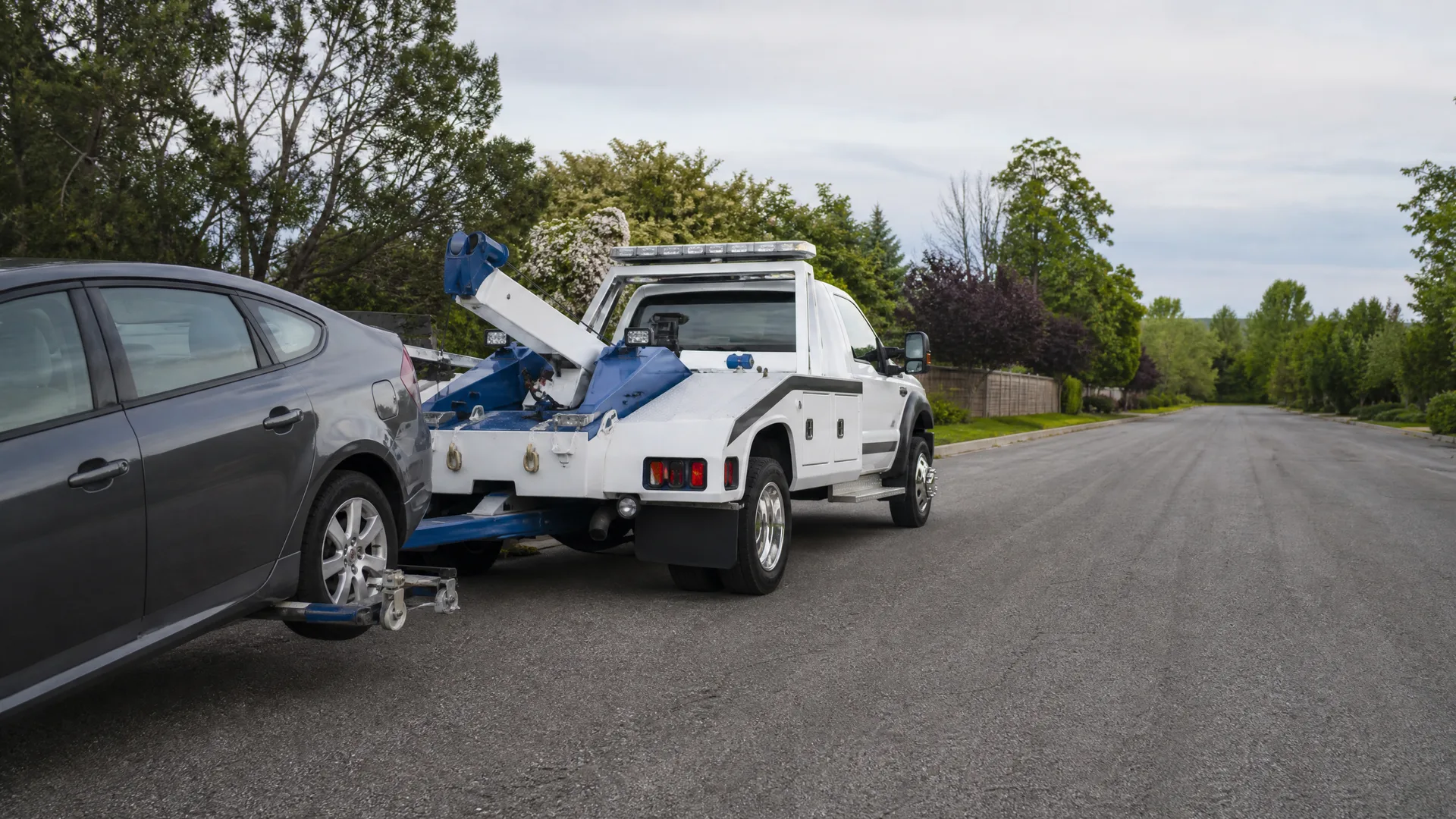
- Towing after the storm Getting a disabled car from where it sits to a shop is generally covered as part of settling the claim.
Doesn't cover
- Damage from driving into water If you drive through standing water after the storm and the engine floods, that's often treated the same way, but some policies look closely at whether you could have avoided it.
- Your medical bills Injuries to you or your passengers from a storm-related crash are handled by medical payments or health coverage, not this coverage.
- Living expenses while the car is in the shop A rental car or other transportation costs come from a separate rental reimbursement coverage, if you carry it.
- Damage to someone else's property If wind pushes your car into a fence or another vehicle, that's a liability matter, not something this coverage handles.
- Mechanical problems unrelated to the storm A battery that was already failing or a part that was already worn doesn't become a storm claim just because a hurricane happened nearby.
- Loss of use or depreciation after repair Most policies pay to fix or replace the car, not for the fact that a repaired car is worth less afterward.
For most drivers who live anywhere near the coast or storm path, it's worth keeping
The deciding factor is usually the car itself. If it's paid off and worth a real amount, this coverage is what stands between you and paying for a flooded or crushed car out of pocket. If the car is old enough that it's worth very little, the math changes and you may be covering a loss that's smaller than what you'd pay in premiums over several years.
Think about what you could absorb from savings without trouble. A driver who could write a check for a replacement car without much strain has more room to drop this coverage and self-insure. A driver who'd have to borrow or delay a repair doesn't have that room, and for them this coverage is doing real work.
How much you drive matters less here than where the car sits. A car that spends most of its life in a garage is somewhat protected, but a car parked in a driveway or on a street during storm season is exposed no matter how little you drive it. If you live where hurricanes or tropical storms pass through on a regular basis, that exposure doesn't go away just because you're retired and driving less.
Some drivers this age have carried this coverage since they bought the car and never revisited it. That's not a reason to drop it, but it's a reason to check that the coverage still matches what the car is worth today, since the payout is based on current value, not what you paid originally.

What actually happens when you file a claim
You pay the deductible first, and the insurer covers the rest up to the car's value. If the damage is bad enough that the car is declared a total loss, you get the car's value right before the storm, minus that deductible, and the insurer typically keeps the car.
After a hurricane, claims often move slower than usual simply because so many people are filing at once. An adjuster may inspect the car in person or ask for photos, especially if flood water was involved, since that kind of damage isn't always obvious from the outside.
Have your policy information, photos of the damage, and a general sense of where the car was parked during the storm ready when you call. If the car flooded, don't try to start it, since that can turn a repairable problem into a total loss.
Once the claim is settled, ask whether the payment accounts for anything that needs replacing beyond what's visible, like wiring or sensors damaged by water that may not show symptoms right away.
This coverage versus collision coverage
Comprehensive coverage
This is what pays for hurricane damage, along with hail, flooding, falling objects and animal strikes. It covers things that happen to your car that aren't a crash with another vehicle.
Collision coverage
Collision pays when your car hits something or something hits it in a crash, including another car, a guardrail, or a pole. If wind pushes your car into another object during a storm, that part of the damage may fall under collision instead.
If you're deciding which one to keep, comprehensive is the one tied to hurricanes directly, but most drivers who carry one also carry the other since storms can cause both kinds of damage.
Real situations
Your car is parked in the driveway during a hurricane and a large tree limb falls across the hood and windshield.
This pays, since falling trees and limbs during a storm are a standard comprehensive claim.
Storm surge floods your street overnight and your parked car sits in a foot of water for several hours.
This pays, since flood damage to a parked car is covered under comprehensive.
Trying to get home before the storm, you drive through a flooded underpass and the engine stalls and won't restart.
This may pay, but insurers sometimes scrutinize claims where the water was clearly visible and avoidable, so check with your agent before assuming.
Once you know whether you're keeping this coverage and at what level, you're ready to compare quotes on that basis.
Questions people ask about this
Does car insurance cover hurricane evacuation costs?
No, this coverage doesn't pay for gas, hotels or other costs of leaving ahead of a storm. Those are personal expenses, not vehicle damage, so no part of a standard auto policy reimburses them. Some homeowners or renters policies address additional living expenses, but that's separate from your car policy.
What happens if my car is a total loss from a hurricane and I still owe money on it?
The insurer pays the car's value before the storm, and that payment goes toward your loan first. If you owe more than the car was worth, you're responsible for the difference unless you carry a separate coverage that pays the gap. That gap coverage is worth checking for if the car is newer or you financed recently.
Do I need to move my car before a hurricane for coverage to apply?
No, coverage applies whether or not you move the car, but moving it to higher ground or a garage can reduce the chance of damage in the first place. Insurers don't require you to evacuate your car to pay a claim. That said, taking reasonable steps to protect it is generally expected if it's practical to do so.
Will my rates go up after a hurricane claim?
It depends on your insurer and your overall claim history, and this varies enough that there's no single answer. A single weather-related claim is often treated differently than an at-fault accident. Ask your agent directly how comprehensive claims from named storms are handled before and after you file.
Can I get coverage after a hurricane is already forecast or named?
Usually not for that specific storm, since insurers commonly pause new policies or coverage changes once a storm is named or closely tracked. This varies by insurer and by state, so check timing with your agent well before storm season starts. Waiting until a forecast appears is often too late to make changes.