Hurricane Damage Car Coverage in North Carolina
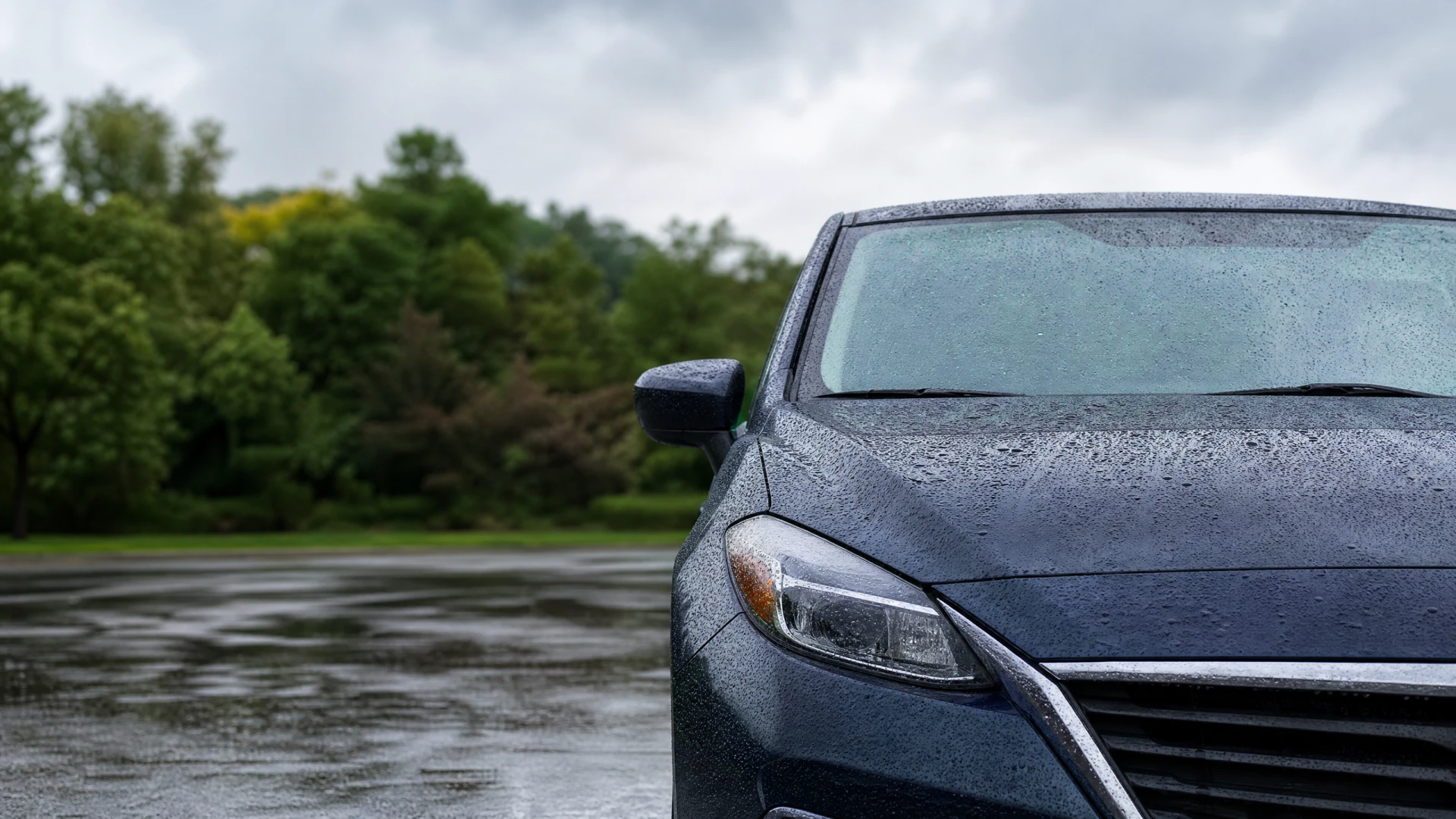
Hurricane damage to your car, whether from wind, flying debris, falling trees, or storm surge flooding, is paid for under comprehensive coverage, not a separate hurricane policy.
What comprehensive coverage pays for in a hurricane
Covers
- Flooded engine or interior Water that rises into the car and damages the engine, electronics, or upholstery is covered.
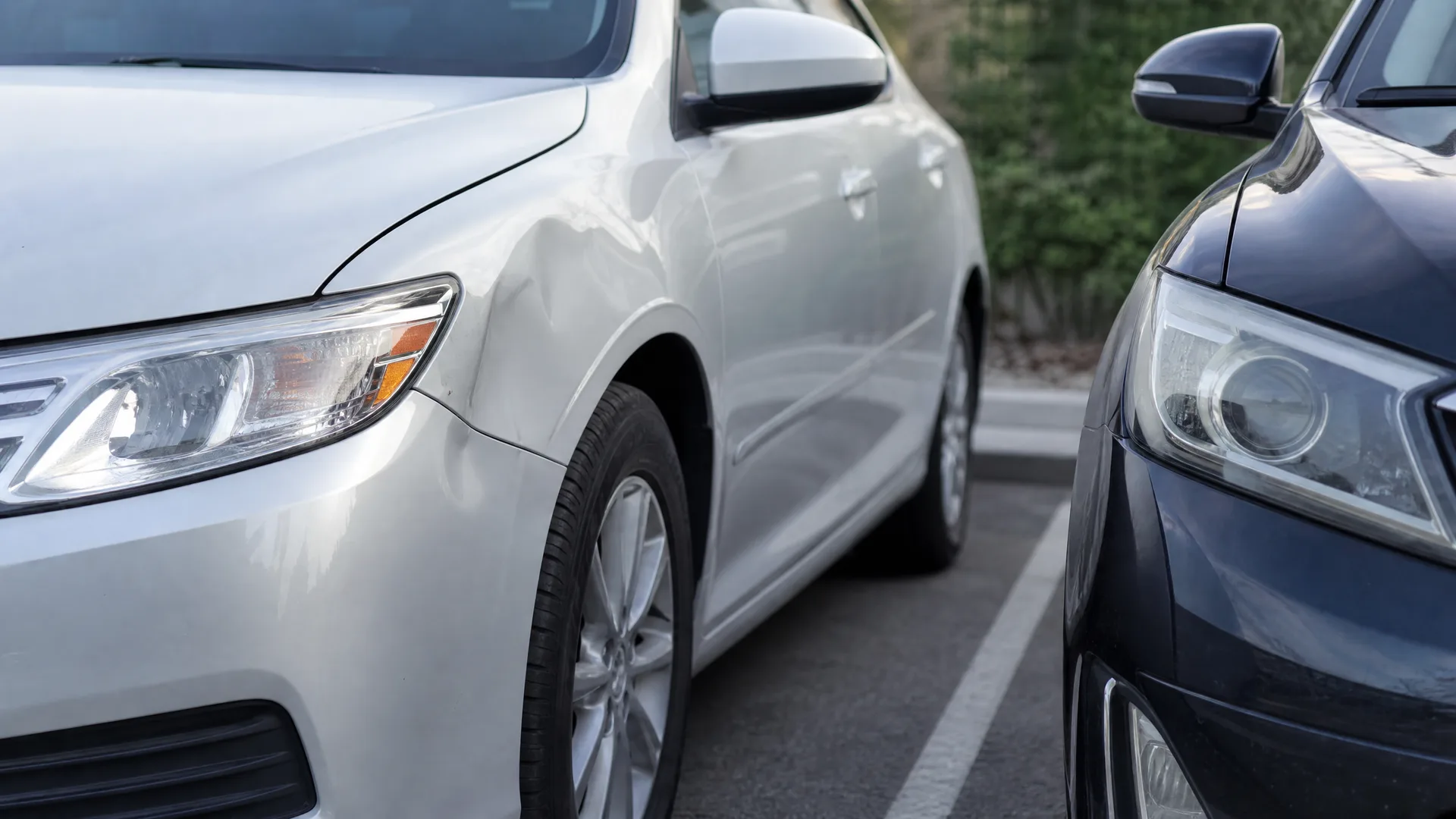
- Wind and flying debris Dents, cracked glass, and body damage from storm winds or anything the wind throws at your car are covered.
- Fallen tree or limb If a tree comes down on your car during the storm, the damage is covered.
- Total loss from flooding If the car is flooded badly enough that repair costs more than the car is worth, the policy pays out its value instead.
- Storm surge or standing water Saltwater or standing floodwater damage from a coastal storm is treated the same as any other flood damage to the car.
Doesn't cover
- Your home or belongings Car insurance only covers the vehicle. Damage to your house, garage, or anything inside it falls under a homeowners or renters policy.
- A rental car gap If your car is unusable after the storm, rental reimbursement only applies if you added that coverage separately, it isn't part of comprehensive.
- Evacuation costs Gas, hotels, or other expenses from leaving home ahead of a storm aren't paid by any part of a car insurance policy.
- Mechanical wear mistaken for storm damage A battery or part that was already failing before the storm isn't covered just because the storm happened around the same time.
- Damage if you weren't carrying comprehensive If you only carry liability coverage, none of this applies. Hurricane damage is only paid through the comprehensive portion of a policy.

For most older drivers in a storm-prone area, this coverage is worth keeping
Start with what the car is worth. If you own an older car outright and it wouldn't take much to replace, carrying this coverage may cost more over the years than the payout would be worth. If the car is newer, financed, or would be expensive to replace, this changes quickly.
Think about what a loss would mean for your savings. A flooded engine or a tree through the windshield can be a repair bill that reaches into real money. If paying that out of pocket would strain your finances or change your plans, the coverage is doing its job just by being there.
How much you drive and where the car sits matter too. A car that sits outside every night in a coastal or low-lying area carries more exposure than one that's garaged most of the time. If you've moved somewhere further inland or you now drive less and keep the car under cover, your risk may have changed since you first set up the policy.
If you've carried this coverage for decades without a claim, that isn't proof you don't need it. It's often a sign the coverage was sized right for an area where storms are a real possibility, not a constant one.

What happens when you file a storm damage claim
The deductible is the amount you pay before the coverage pays the rest. If your deductible is high relative to the damage, it may not be worth filing a small claim at all, but for serious storm damage it almost always is.
An adjuster will look at the car, either in person or from photos you provide, and determine whether it can be repaired or whether it's a total loss. If it's a total loss, the payout is based on what the car was worth right before the storm, not what you paid for it originally or what it would cost to replace with something new.
Have your policy information, photos of the damage taken as soon as it's safe, and a general sense of the car's condition and mileage before the storm. If the car flooded, don't start the engine before it's been looked at, since that can turn a fixable problem into a totaled car.
Claims after a widespread hurricane can take longer than a routine claim simply because so many people are filing at once. That's normal and doesn't mean anything has gone wrong with yours.
Comprehensive coverage versus flood insurance on your home
Comprehensive car coverage
This pays for storm damage to your vehicle, including flooding, wind, and falling debris. It's attached to your car insurance policy and follows the car wherever it's parked.
Homeowners flood insurance
This is a separate policy that covers flood damage to your house and its contents. It has nothing to do with your car and doesn't come from the same insurer by default.
If you're worried about protecting your car in a storm, you're looking at the right coverage. If you're worried about your house, that's a different policy entirely, and worth checking on its own.
Real situations
Your car is parked in the driveway during a hurricane and a large tree limb falls across the hood and windshield.
This pays, since falling tree damage from a storm is covered under comprehensive.
Rising water from a nearby creek floods your garage overnight and your car sits in several inches of water.
This pays, since flood damage to the car itself is covered regardless of where the car was parked.
You evacuate ahead of a storm and pay for several nights in a hotel, then return to find your car undamaged.
This doesn't pay, since evacuation costs aren't a car insurance expense and no damage occurred to the vehicle.
Once you know whether you want this coverage and at what deductible, you're ready to compare quotes on that basis.
Questions people ask about this
Does car insurance cover a tree falling on my car at home?
Yes, as long as you carry comprehensive coverage. It treats a fallen tree the same whether it happens in a storm or on an ordinary day, so check that this coverage is actually on your policy rather than assuming it is.
What happens if my flooded car is declared a total loss?
The insurer pays out what the car was worth right before the flood, not what you originally paid for it. If you owe more on a loan than that value, you'd want to check whether your policy includes coverage for that gap.
Can my insurer drop me after a hurricane claim?
It depends on your insurer and your overall claims history, and rules around this vary by state. Check with your agent about how a storm claim might affect renewal before you assume the worst.
Do I need to move my car before a hurricane to stay covered?
No, moving the car isn't required for coverage to apply. Parking it somewhere higher and away from trees is simply a way to reduce the chance of damage, not a condition of the policy.
Will my rates go up after a storm damage claim?
Often not by much, since storm damage is usually treated differently from an at-fault accident. Ask your agent directly how your insurer handles weather-related claims, since this varies by company and by state.