Comprehensive Coverage for Hurricane Damage
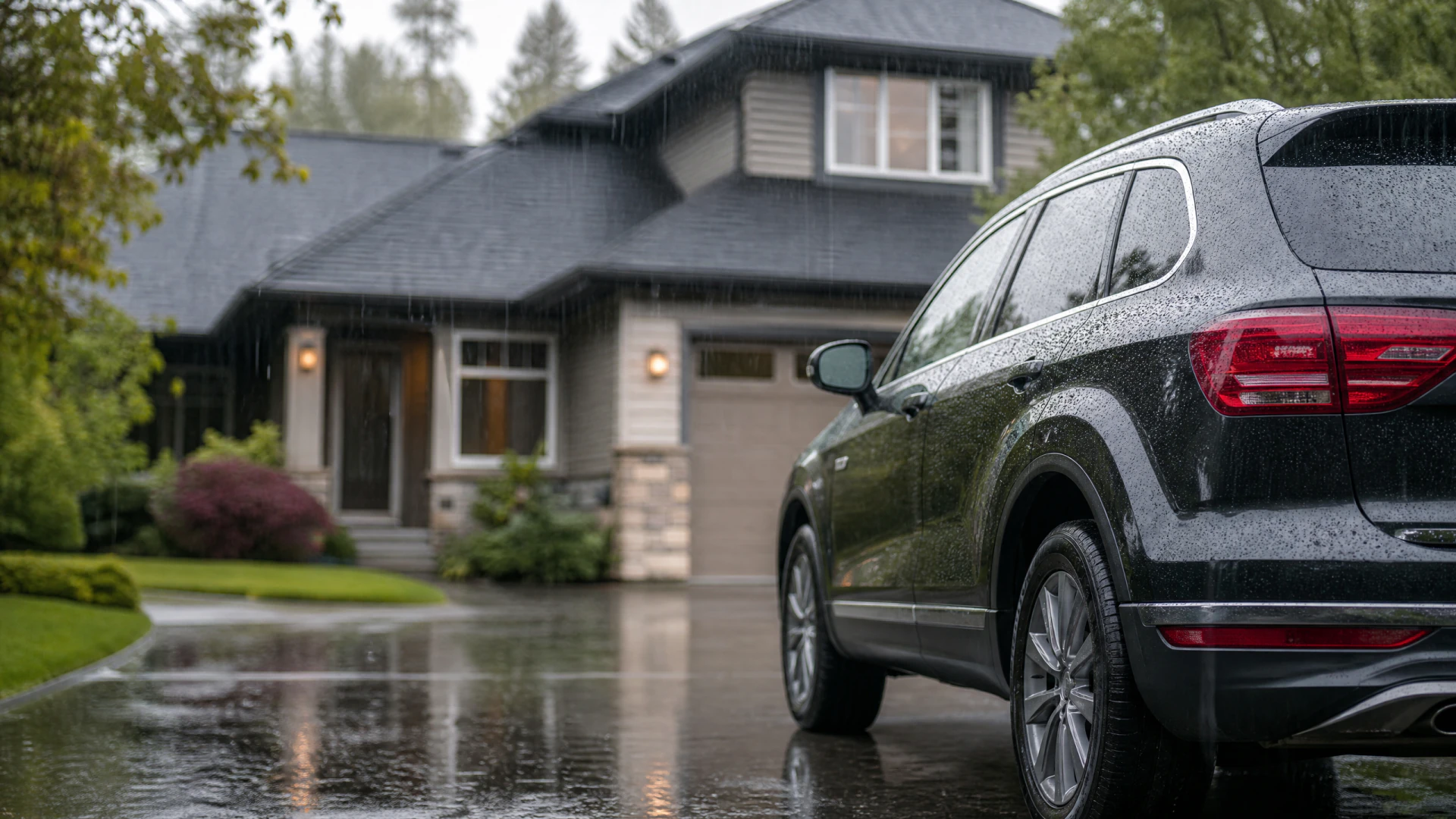
Comprehensive coverage pays to repair or replace your car when a hurricane causes damage through wind, flooding, falling trees or debris, rather than a crash.
What this coverage pays for
Covers
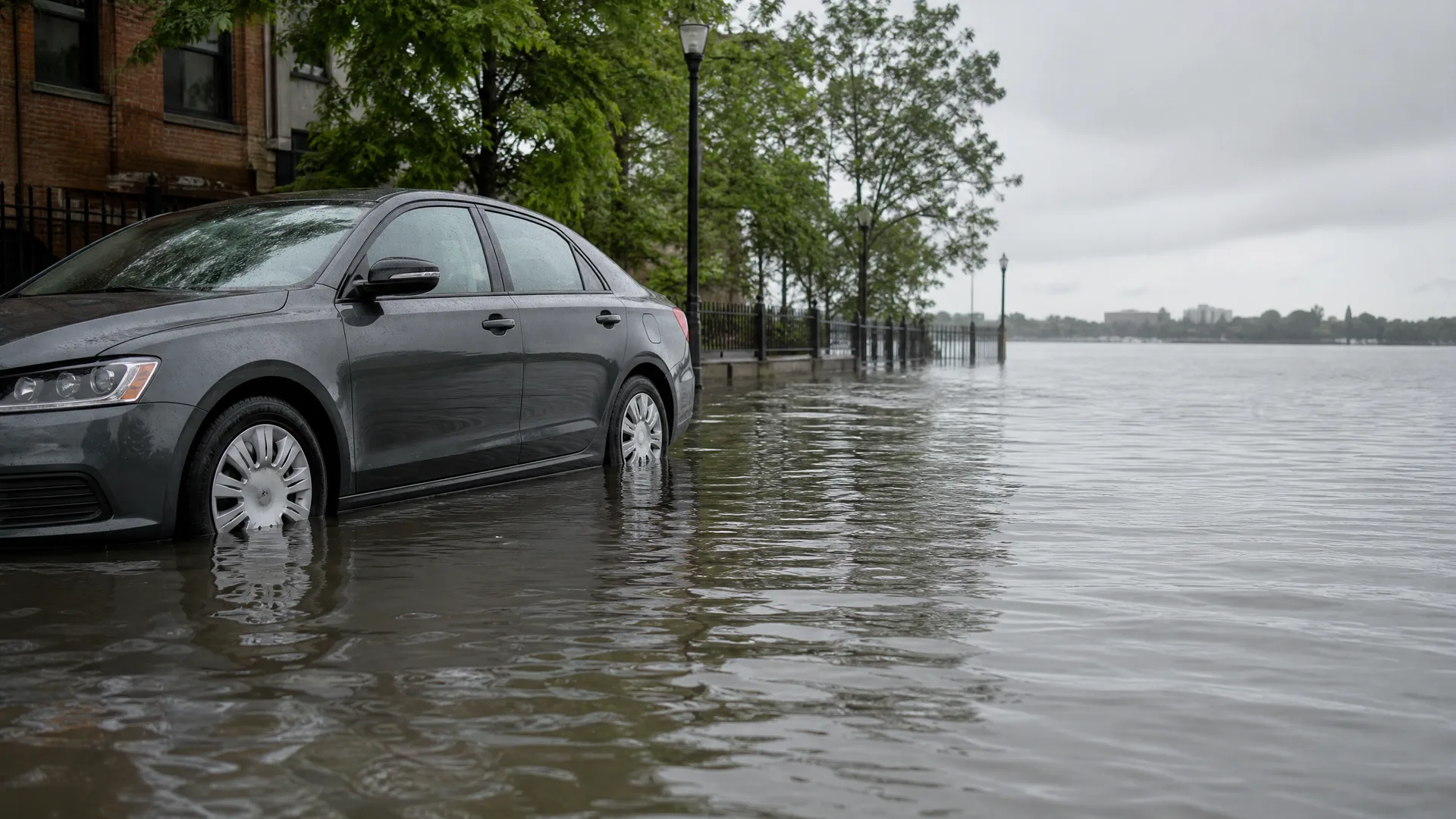
- Flood damage to the car If rising water gets into the engine or cabin, this is the coverage that pays for it, not your regular policy's collision piece.
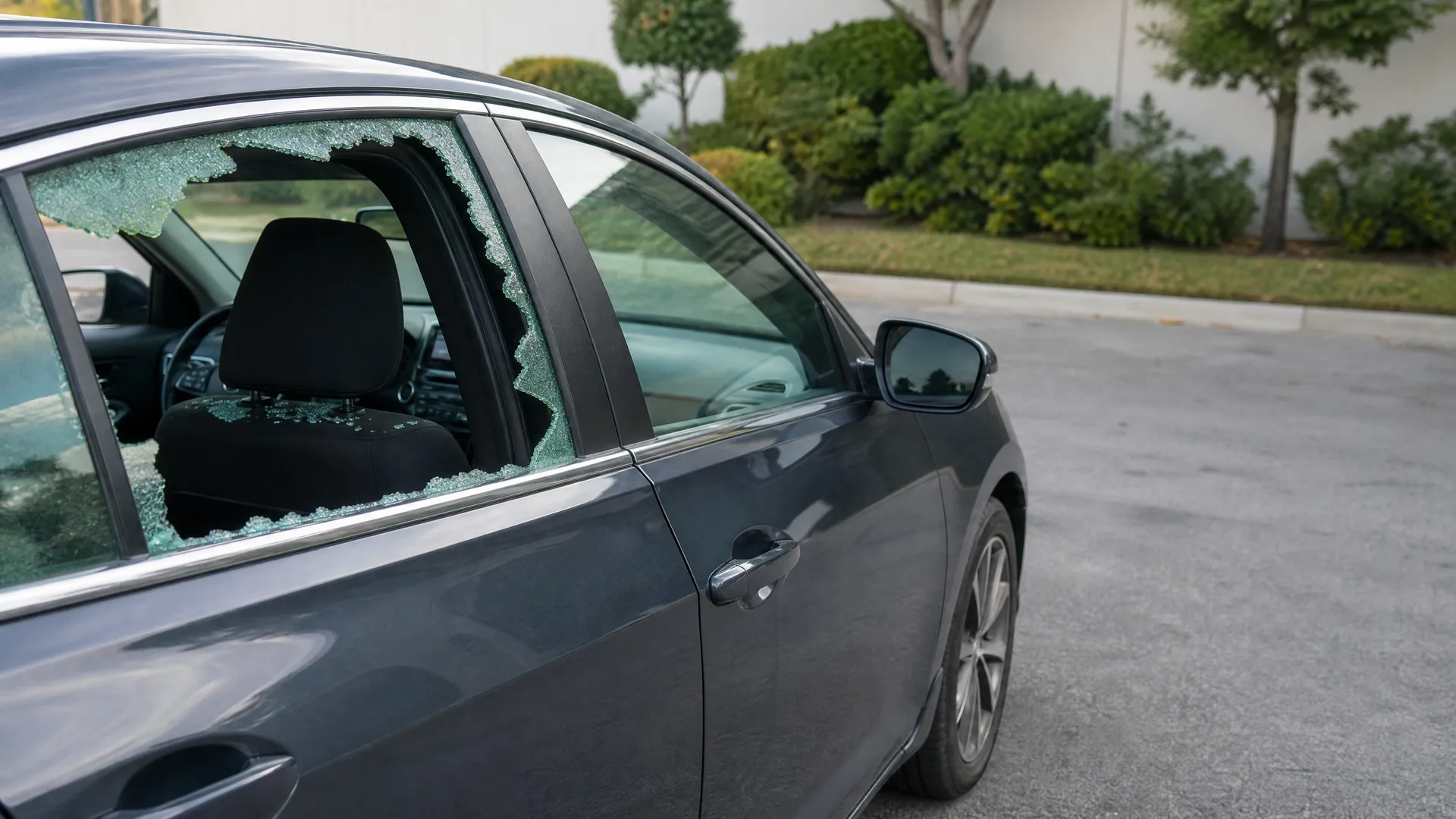
- Wind damage Dents, broken glass, or a torn-off side mirror from high wind during the storm are covered.
- Falling trees or branches A tree limb through the windshield or roof while the car was parked is a comprehensive claim.
- Debris and flying objects Fence panels, roofing material, or anything the storm picks up and throws at your car falls under this coverage.
- Total loss from storm damage If the car is flooded or crushed badly enough that fixing it costs more than it's worth, this coverage pays out its value instead.
- A rental car while yours is repaired Many policies include this as an add-on tied to comprehensive, so check whether yours has it.
Doesn't cover
- Your own injuries Medical costs from being hurt during evacuation or storm damage come from health insurance or a medical payments coverage, not this one.
- Damage while driving through floodwater If you drive into high water and the engine is damaged that way, some insurers still treat it as comprehensive, but ask directly since this is one of the more disputed calls after a storm.
- Spoiled food or belongings lost from a power outage Personal property losses unrelated to the car itself aren't part of a car insurance policy at all.
- Cost of temporary housing If you're displaced from your home by the storm, that's a homeowners or renters policy question, not a car insurance one.
- Damage from driving on a road you shouldn't have If the car is damaged in a crash caused by storm conditions, like hydroplaning into another car, that's typically collision coverage, not comprehensive.
- Full replacement cost on an older car Payout is based on the car's actual value before the storm, which for an older car may be far less than what a new one costs.
For most older drivers with a paid-off car, this is still worth keeping
The math mostly comes down to what the car is worth and how much of a loss you could absorb yourself. If your car is paid off and worth a modest amount, you're really asking whether you could cover a full replacement in cash if a storm totaled it. Most people in that position would rather pay a manageable amount each year than face that all at once.
Where you live matters more than age does. If you're in a place that gets hurricanes regularly, the odds of needing this coverage at some point are real, even if your car sits in a garage most of the time. A carport or street parking raises the odds further.
How much you drive barely factors into this one. Unlike coverages tied to miles on the road, storm damage happens to parked cars as often as moving ones, so cutting back on driving in retirement doesn't reduce your exposure the way it might for other coverages.
The case for dropping it is narrow and mostly applies to a car worth very little, old enough that even a full payout wouldn't be much money. At that point you may be paying every year for a payout that wouldn't change much for you if the car were gone.
What happens when you file a claim
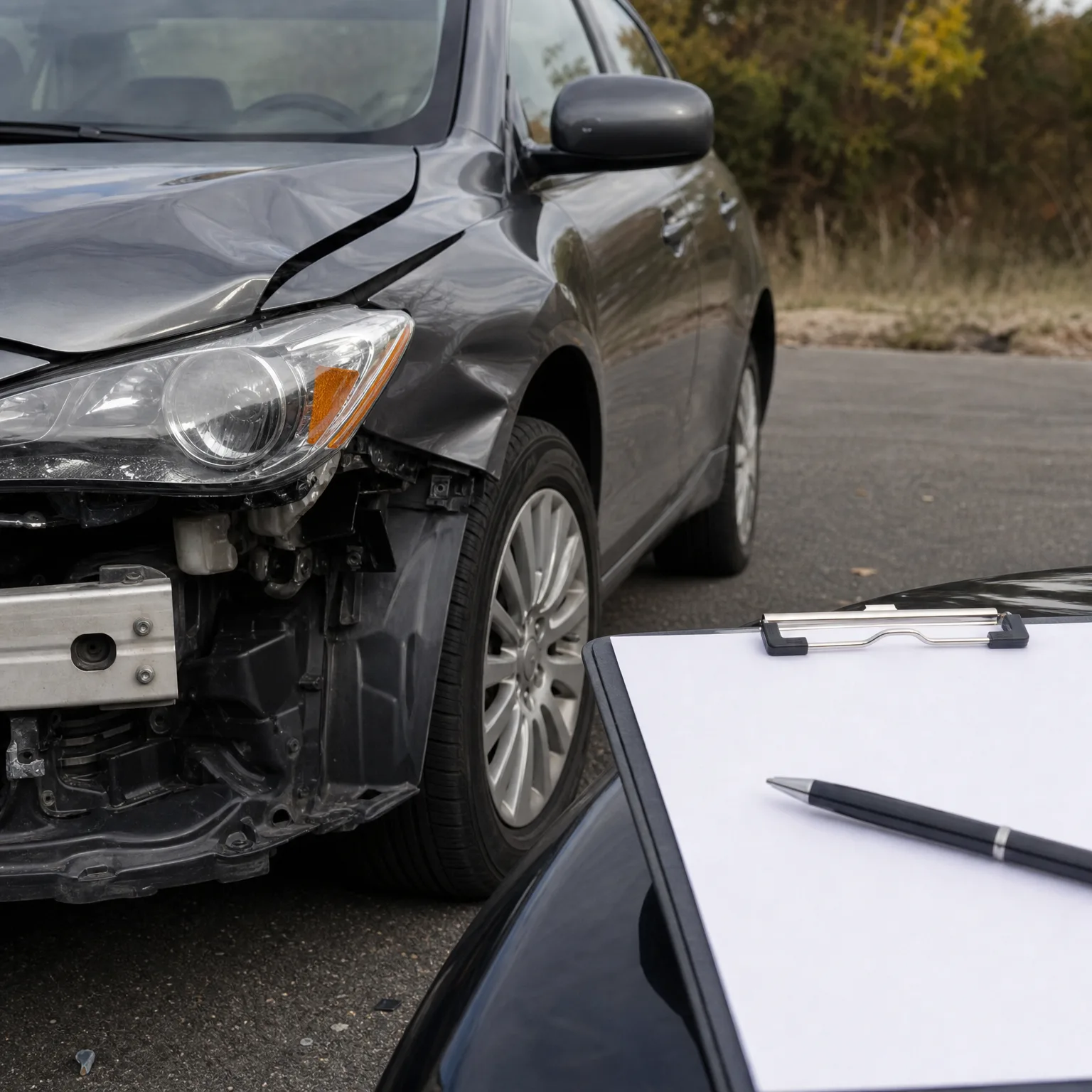
You pay your deductible and the coverage pays the rest, up to the car's value. After a hurricane, insurers typically see a surge of claims at once, so expect the process to take longer than it would after an ordinary single-car incident.
An adjuster will need to inspect the car, either in person or through photos you send in, to document the damage and decide whether it's repairable or a total loss. Have your policy number, photos of the damage taken as soon as it's safe, and a general timeline of the storm ready when you call.
If the car is declared a total loss, the payout is based on what the car was worth right before the storm, not what you paid for it or what it would cost to replace today. If it's repairable, the shop deals directly with the insurer on cost, and you're responsible only for the deductible.
If you had to evacuate and left the car behind, or if it was towed from floodwater, keep any receipts related to that. Some of those costs may be reimbursable depending on how your policy is set up.
Comprehensive versus collision coverage
Comprehensive coverage
This pays for damage to your car from events other than a crash with another vehicle, including storms, flooding, falling objects, and animals. It's the coverage that responds to hurricane damage.
Collision coverage
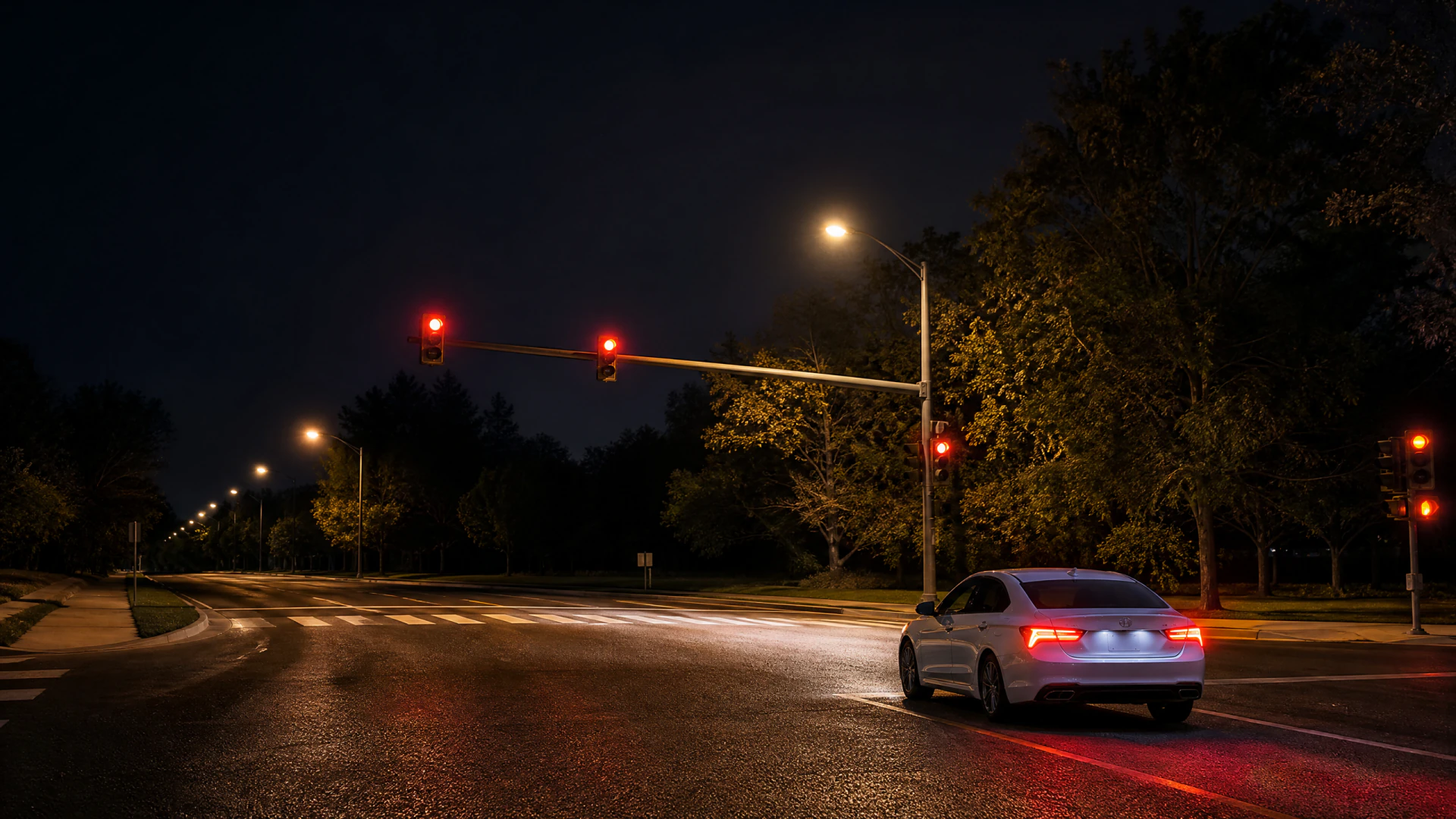
This pays for damage from your car hitting something, or something hitting it, like another vehicle, a guardrail, or a pole. It would apply if you were driving during the storm and were in an actual crash, even one caused by poor visibility or a flooded road.
If your main worry is a parked car getting damaged by weather, comprehensive is the one doing the work, but most people who carry one also carry the other.
Real situations
Your car is parked in the driveway overnight during a hurricane and a large tree branch falls on the hood.
This is covered under comprehensive, since it's storm damage to a parked car.
You evacuate inland, and the car is fine, but while you're away the power goes out and spoils everything in your home refrigerator.
Not covered here, since this is a home loss, not a car loss, and has nothing to do with this policy.
You try to drive home through a flooded intersection after the storm passes and the engine stalls and won't restart.
This is often still a comprehensive claim, but check with your insurer since driving into standing water is treated differently by some policies.
Once you know whether you want to keep, add, or drop this coverage, you can compare quotes with that decision already made.
Questions people ask about this
Does comprehensive coverage have a separate deductible from collision?
Yes, they're usually set separately on your policy, so you could have a different amount for each. Check your declarations page to see both, since people often assume they match when they don't.
What happens if my car is declared a total loss after a hurricane?
The insurer pays you the car's value right before the storm, and you sign the title over to them. If you still owe money on a loan, that payout goes toward the loan balance first, with any remainder coming to you.
Do I need comprehensive coverage if I don't drive much anymore?
Possibly still yes, since this coverage protects against damage that happens while the car is parked just as much as while it's moving. How little you drive doesn't reduce a storm's chance of finding your car.
Will my rates go up after a hurricane claim?
This varies by insurer and by state, so it's worth asking directly rather than assuming. Many insurers treat weather-related claims differently from at-fault accidents, since you had no control over the storm.
Can I add comprehensive coverage right before hurricane season starts?
You usually can, but insurers may pause new policies or coverage changes once a storm is named and approaching, so earlier is safer than waiting. Check with your insurer about timing if you're adding this new rather than carrying it already.