Hurricane Damage Car Coverage in Florida
Hurricane damage car coverage is the part of your comprehensive coverage that pays to repair or replace your car when a storm, flood, or falling tree damages it.
What it pays for
Covers
- Flooding from storm surge If rising water from a hurricane gets into your car's engine or cabin, this is what pays to deal with it.
- Wind damage to the car Hail, flying debris, or wind itself denting or breaking the car is covered.
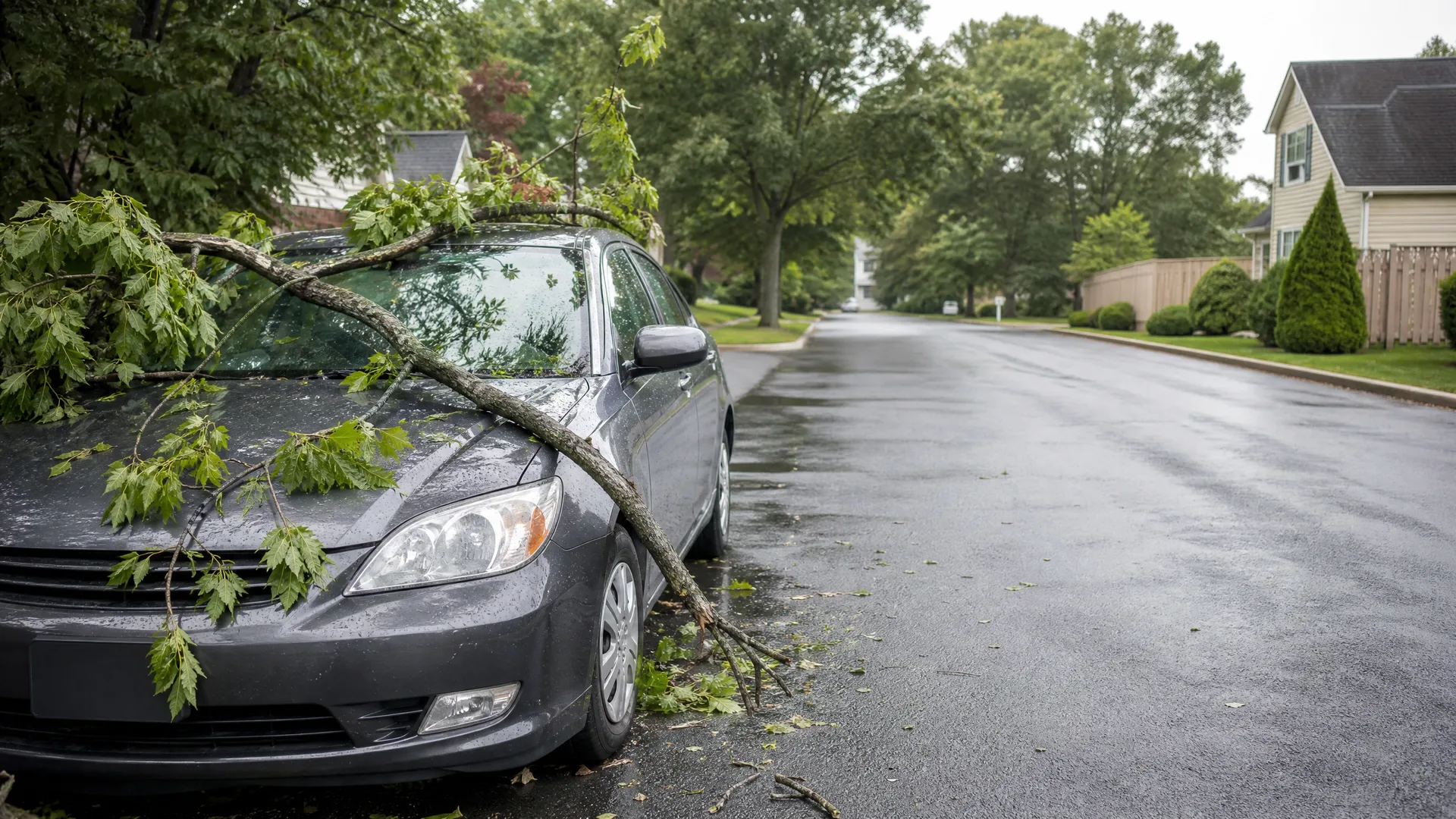
- Falling trees and branches A tree coming down on your car during a storm, whether it's parked in your driveway or on the street, is covered.
- Water damage while driving If you drive into high water during or after a storm and the car is damaged, this coverage applies, though the decision to drive into water can complicate things.
- Total loss from storm damage If the car is damaged badly enough that it isn't worth repairing, this coverage pays out its value instead.
Doesn't cover
- Your medical bills Injuries to you or your passengers are handled by your health insurance or your personal injury protection, not this coverage.
- Damage to someone else's car That falls under liability coverage, which is a separate part of your policy.
- Cost of a rental car You only get a replacement car while yours is repaired if you've added rental reimbursement separately.
- Spoiled food or belongings Personal items lost inside the car, like groceries or a laptop, usually aren't covered by car insurance at all.
- Damage from your own neglect If you leave the car somewhere you knew would flood when you had a safe option, an insurer may push back on the claim.
For most older drivers in Florida, this coverage is worth keeping
The math on this one is simpler than it looks. If your car is still being financed, your lender almost certainly requires this coverage, so there's no decision to make. If it's paid off, the question is whether you could cover a full loss yourself without much trouble. For many people in their sixties, seventies, and eighties living on a fixed income, replacing a car out of pocket after a storm is not an easy stretch, even if the car itself isn't worth a lot.
What the car is worth matters more than how old it is. An older car that's paid off and running fine can still be expensive to replace, and secondhand car prices after a bad storm season tend to climb because so many people need one at once. If you'd genuinely struggle to replace your car on short notice, that's a strong argument for keeping this coverage rather than dropping it.
Where the car sits matters too. A car that's garaged, or parked somewhere elevated and away from trees, carries less risk than one that sits in a driveway near large trees or in a low-lying area. If you've got a safer place to park during storm season, that lowers your actual exposure, though it doesn't eliminate it.
How much you drive doesn't affect this particular coverage much, since storm damage usually happens to a parked car. But if you're driving less than you used to, it may be worth revisiting your policy overall rather than this one line specifically.
What happens when you actually use it
Your deductible for this type of claim is usually separate from your collision deductible, and it may be set as a flat amount or as a share of the car's value. Check your policy for which one applies to you, since it changes how much you'd owe out of pocket before the payout kicks in.
After a storm, you report the damage and an adjuster looks at the car, either in person or using photos if the damage is widespread across the area. Because hurricanes often damage many cars in a region at once, this step can take longer than a routine claim, so document the damage yourself with photos right after the storm if it's safe to do so.
The payout covers the cost to repair the car, or if it's totaled, the car's value right before the storm, minus your deductible. It doesn't cover any upgrades or aftermarket additions you haven't separately insured, and it won't pay more than the car was worth going in, no matter what repairs end up costing.
Have your policy number, photos of the damage, and a general sense of the car's condition before the storm ready when you call. If the car isn't driveable, ask about towing and storage, since some of that may be covered as part of the claim.
Comprehensive coverage versus collision coverage
Comprehensive coverage
This is the broader coverage that hurricane damage falls under. It pays for damage to your car from causes other than a crash, including weather, flooding, falling objects, fire, and theft.
Collision coverage
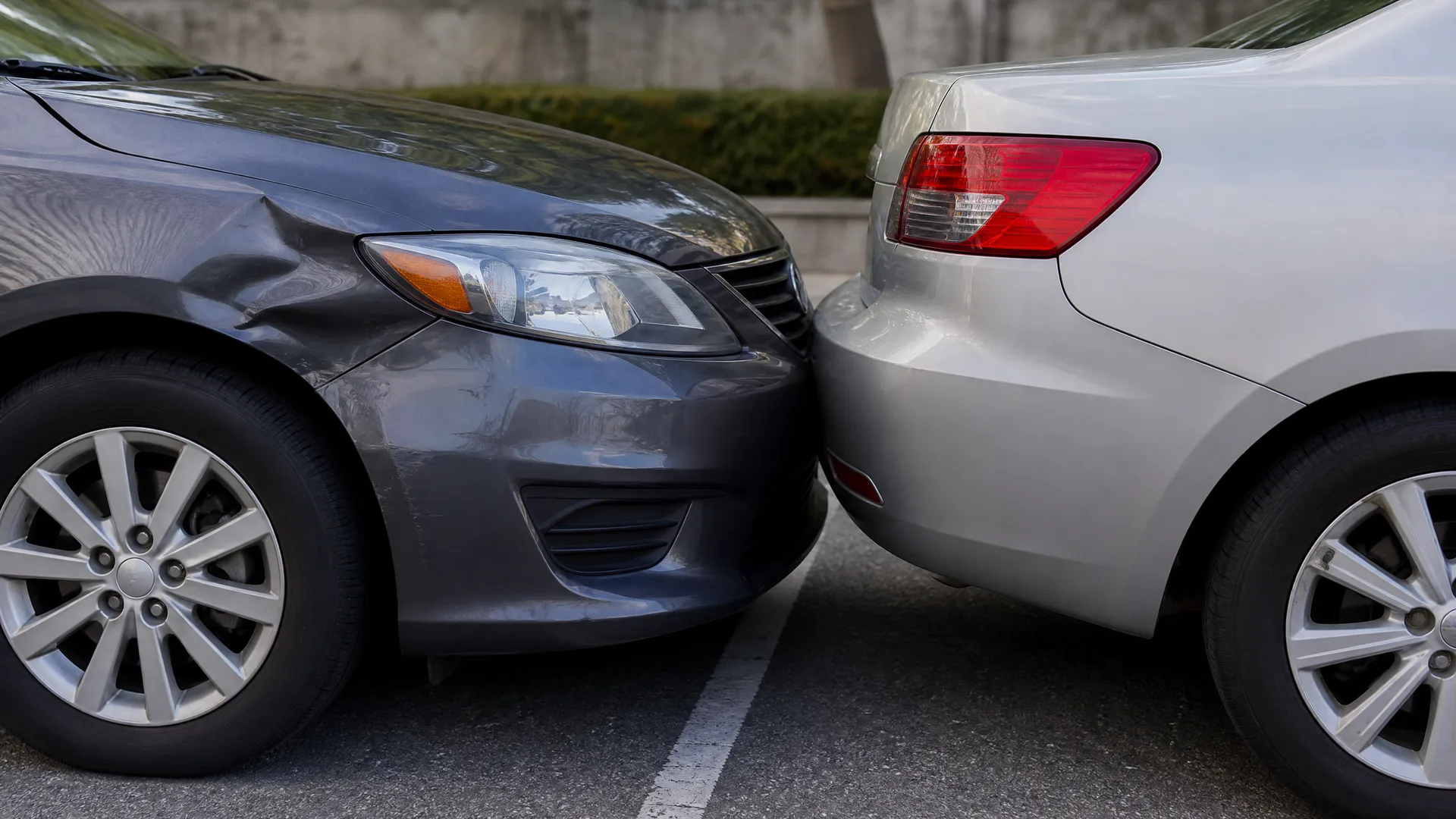
This pays for damage from your car hitting another car or object, or flipping over, regardless of who's at fault. It's what you'd use if you hit something while evacuating or driving in storm conditions.
If you're keeping one, keep comprehensive for storm protection, but most lenders and most older drivers with newer cars carry both together.
Real situations
A hurricane passes through and a large oak branch falls on your car while it's parked in your driveway overnight.
This pays, since falling trees and branches from a storm are a core part of what this coverage handles.
You evacuate ahead of a storm, and on the way out you rear-end another car in heavy traffic.
This doesn't pay, since that's a collision and would fall under collision coverage instead.
Storm surge floods your neighborhood overnight and your car, parked in the driveway, sits in several inches of water.
This pays, since flood damage from a storm is exactly what this coverage is meant to handle.
Once you know whether you want this coverage and how you want your deductible set, you're ready to compare quotes with that decision already made.
Questions people ask about this
Does my car insurance cover towing after a hurricane if the car won't start?
Often, yes, if you've added towing or roadside coverage to your policy. It's usually a small add-on rather than something bundled automatically, so check your policy's listed coverages rather than assuming. If you don't have it, towing costs would come out of pocket separately from any storm damage claim.
What if I can't get to my car until days after the storm?
You can still file a claim once you're able to assess the damage; there's no requirement to do it immediately. Take photos as soon as it's safe to do so, and keep any receipts if you pay for emergency repairs yourself in the meantime, since those can often be included in the claim. Insurers expect delays after widespread storms and plan for them.
Should I move my car somewhere else before a hurricane hits?
Moving your car to higher, more sheltered ground before a storm is generally a good idea if you're able to do it safely. It lowers the chance of flood or tree damage and can make your car easier to reach afterward. It doesn't affect your coverage either way, it's just a practical step some people take.
Will my rates go up after I file a storm damage claim?
This varies by insurer and by the overall storm activity in a given year, so it's worth asking directly rather than assuming. Some insurers treat widespread storm claims differently than individual at-fault claims. Your agent or a quote comparison can tell you how a given insurer handles this.
Do I need a separate flood policy for my car, or does my home flood policy cover it?
No, a homeowner's flood policy does not cover your car; only this comprehensive coverage on your car insurance does that. The two are entirely separate policies covering separate property. If you're unsure whether your car is covered, check your auto policy specifically, not your home insurance documents.