Hurricane Damage Car Coverage in Georgia
Hurricane damage to your car, whether from wind, flying debris, falling trees, or flooding, is paid for by comprehensive coverage, not by your regular car insurance policy.
What this coverage pays for
Covers
- Wind and hail damage Dents, cracked glass, and torn trim from the storm itself are covered.
- Falling trees and branches If a tree comes down on your car during the storm, the damage is covered.
- Flood and storm surge damage Water that rises and reaches your car, including engine and interior damage, is covered.
- Debris impact Fences, signs, or anything the wind throws into your car counts as storm damage.
- Total loss from storm damage If the car is flooded or crushed beyond repair, the coverage pays out its value rather than paying for repairs.
Doesn't cover
- Damage from your own driving If you drive through high water and the engine fails, that's treated differently than water that came to the car on its own, and your insurer will ask which happened.
- Injuries from a storm-related crash If wind or flooding causes a wreck, your own injuries are handled by medical payments or personal injury protection, not this coverage.
- A car you don't own outright on the loan payoff gap If the car is financed or leased and declared a total loss, this coverage pays its value, but anything still owed beyond that needs a separate gap coverage.
- Temporary living costs after a total loss A rental car or a hotel stay while you sort things out comes from a separate rental reimbursement add-on, not this one.
- Damage to your house or property This coverage only follows the car, so storm damage to your home, garage, or anything else you own is a homeowners insurance matter.
Worth keeping if your car still has real value
If your car is paid off and worth a meaningful amount, this coverage is usually worth keeping. A totaled car from flooding or a fallen tree is a full loss, and without this coverage you'd be paying for a replacement entirely out of pocket. Older cars that are worth very little are the exception. If a trade-in would barely cover a tow, carrying this coverage mainly protects an amount you'd shrug off anyway, and the premium may not be worth it. It helps to think about where the car actually sits most of the year. A car parked under trees, near low-lying ground, or anywhere storms regularly pass through carries more real risk than one that sits in a covered garage most of the time. How much you drive barely matters here, since this coverage isn't about miles, it's about where the car is when the weather turns. The last piece is simply what you could absorb yourself. If losing the car tomorrow and replacing it would strain your savings, keeping this coverage is the easier choice. If you could replace it without much trouble, you're paying mainly for peace of mind, and that's a reasonable thing to decide against.
What happens when you file a claim
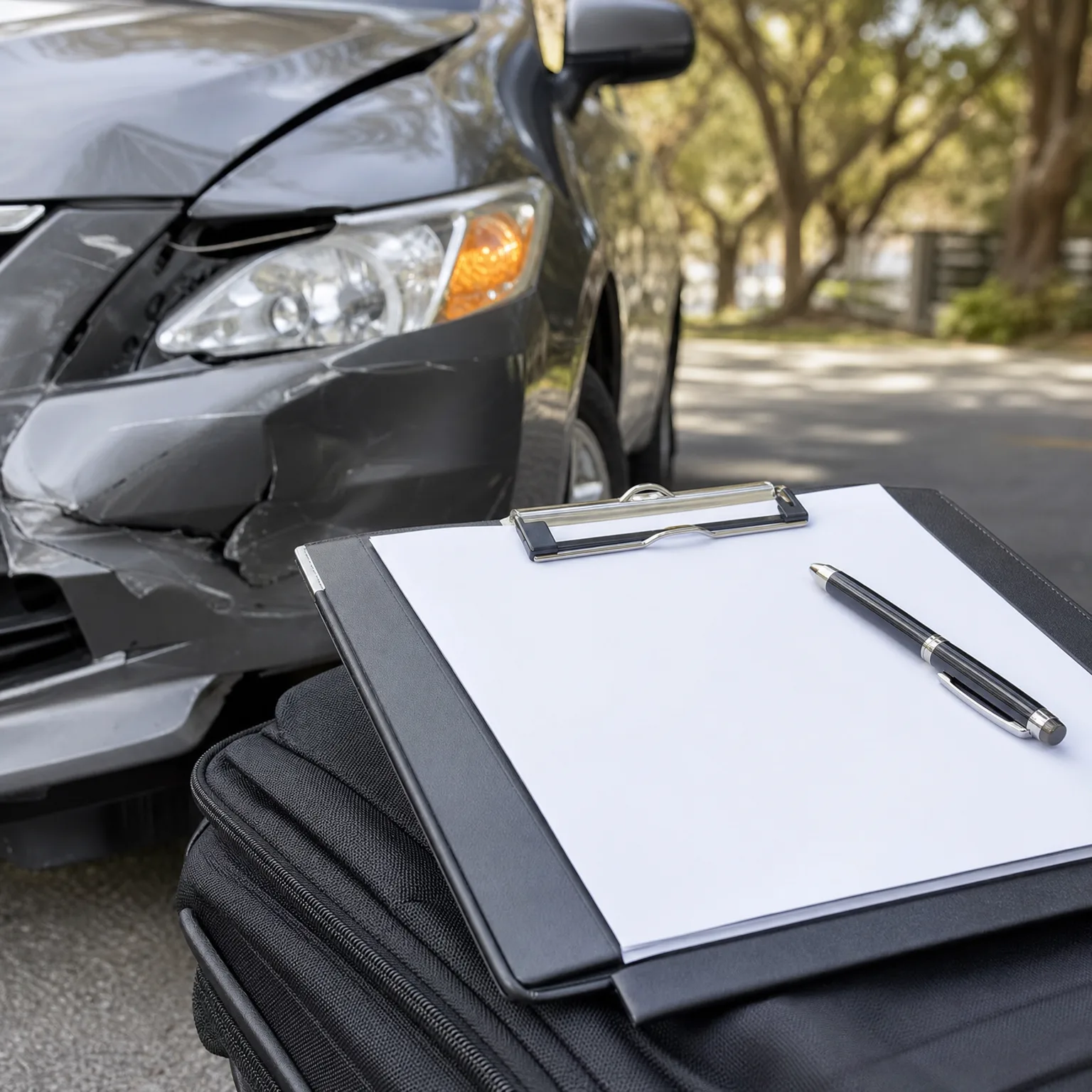
You pay a deductible first, and the coverage pays for what's left up to the car's value. After a storm, you'll usually need to document the damage with photos before the car is moved or cleaned up, since adjusters rely heavily on that record when storms cause widespread damage in an area. Have your policy number, the date and rough time of the damage, and a description of what happened ready when you call. If the car is a total loss, the insurer will offer a settlement based on the car's value right before the storm, not what you paid for it years ago or what it would cost to replace today. That number is often where people feel shorted, so it helps to have some idea of your car's condition and mileage going in. If repairs are possible, you'll choose a shop, and the insurer pays the shop directly or reimburses you, depending on how your policy is set up.
Easy to confuse with flood coverage from a separate policy
Comprehensive coverage
This is the coverage that actually pays for hurricane damage to your car, covering wind, flooding, falling trees, and debris. It sits on your auto policy as an optional add-on alongside liability.
Flood insurance
This is a separate policy that covers flood damage to your home, not your car. People sometimes assume it extends to vehicles parked at the house, but it doesn't.
If you're worried about your car specifically, comprehensive coverage on your auto policy is what matters, not a flood policy on your home.
Real situations
A hailstorm rolls through while your car is parked at church on a Sunday morning, leaving dents across the hood and roof.
This pays for the repair, minus your deductible, since hail is treated as storm damage.
You evacuate ahead of a hurricane, but the storm surge still reaches your car in the driveway and floods the engine.
This pays out, likely as a total loss, since the water came to the car rather than the car being driven into it.
Heavy rain floods a low road and you decide to drive through anyway, stalling the engine halfway across.
This may be denied or disputed, since driving into standing water is treated differently than water reaching a parked car.
Once you know whether you're keeping, adding, or dropping this coverage, you can compare quotes with that decision already settled.
Questions people ask about this
Does car insurance cover flood damage from a hurricane?
Yes, but only if you carry comprehensive coverage, since standard liability insurance never pays for weather or flood damage to your own car. Check your policy's declarations page for a line labeled comprehensive to confirm you have it. If it's missing, that's the piece you'd need to add.
What happens if my car is totaled in a hurricane and I still owe money on it?
Your insurer pays the car's value right before the storm, and that payment goes toward your loan balance first. If the loan balance is higher than the payout, you owe the difference unless you carry a separate gap coverage. This gap is more common with newer loans, so check your loan agreement or ask your lender directly.
How long do I have to file a claim after hurricane damage?
This varies by insurer and by policy, so check your own paperwork or call your agent for the actual window. In general it helps to report damage as soon as it's safe to do so, since photos and documentation fade in value the longer repairs or cleanup wait. Don't assume you have unlimited time just because the damage is widespread.
Will my insurance rates go up after a hurricane claim?
It depends on your insurer and the claim, and a weather-related claim is sometimes treated more gently than one caused by driving, since it isn't your fault. Ask your agent directly how your particular company treats storm claims before you assume the worst. Some insurers track regional storm claims differently than individual driving records.
Can I still get comprehensive coverage right before a hurricane is forecast?
Usually not, since insurers commonly pause new coverage or changes once a storm is named and approaching a region. This is meant to prevent people from buying coverage only once damage is imminent. The better approach is deciding on this coverage well before storm season, not during it.