Hurricane Damage Car Coverage in Alabama
Hurricane damage to your car in Alabama is paid through comprehensive coverage, not through a separate hurricane policy.
What comprehensive coverage pays for in a hurricane
Covers
- Flooding from storm surge If water rises and gets into the engine or cabin while the car is parked or caught on the road, that damage is covered.
- Wind-driven debris A tree limb, a piece of roof, a fence panel, anything the wind throws at your car is covered.
- Falling trees and branches A tree coming down on your car, whether it's parked in your driveway or under a carport, is covered.
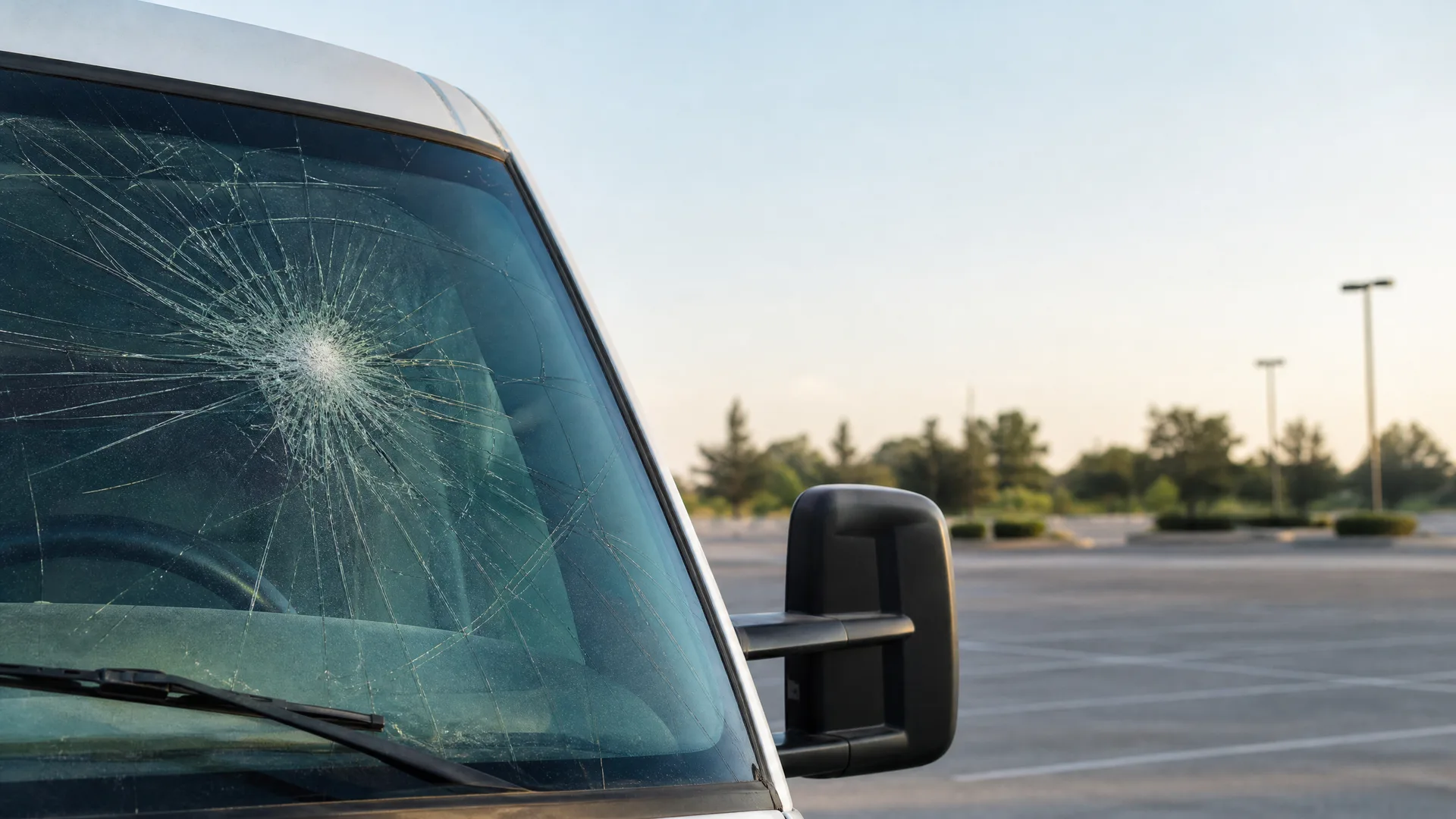
- Hail damage during the storm Dents and cracked glass from hail that comes with the same system are covered.
- Total loss from the storm If the car floods out completely or is crushed, the coverage pays out its value rather than paying for repairs.
Doesn't cover
- Damage to another person's car If wind blows your car into a neighbor's fence or another vehicle, your liability coverage handles that side, not this one.
- Your medical bills Any injury you suffer isn't paid through comprehensive coverage at all. That comes from medical payments coverage or health insurance.
- Cost of evacuating or a rental car Getting out of town, hotel stays, or a replacement car while yours is repaired are only covered if you separately carry rental reimbursement.
- Mechanical breakdown unrelated to the storm If your car had an existing problem, like a bad transmission, that isn't suddenly covered because a hurricane came through.
- Full value if you're underinsured on the loan If you owe more than the car is worth, comprehensive coverage pays the car's value, not the loan balance. Gap coverage handles that difference.
For most drivers in hurricane-prone parts of Alabama, this coverage is worth keeping
The first thing that decides this is what your car is worth. If you're driving a car that's older and mostly paid for, the payout might be modest, and you may decide the coverage isn't buying you much relative to what you'd lose in a total loss. If the car still has real value or you're still making payments, losing it to a flood or a falling tree without this coverage would be a serious financial hit.
The second thing is how much of a loss you could absorb yourself. If a totaled car would strain your savings or force you to take on debt to replace it, the coverage is doing real work for you. If you could write a check for a replacement car without much trouble, your decision changes.
Where the car spends its time matters too. A car that sits in a carport or garage most of the year is less exposed than one parked on the street or in an open lot. If you live near the coast or in a low-lying area that floods during heavy storms, that raises the stakes considerably.
How much you still drive factors in less than people expect. Even a car that mostly sits in the driveway is still exposed to wind and falling trees during a storm, so driving less doesn't reduce the risk the way it does with collision coverage.
What actually happens when you file a claim
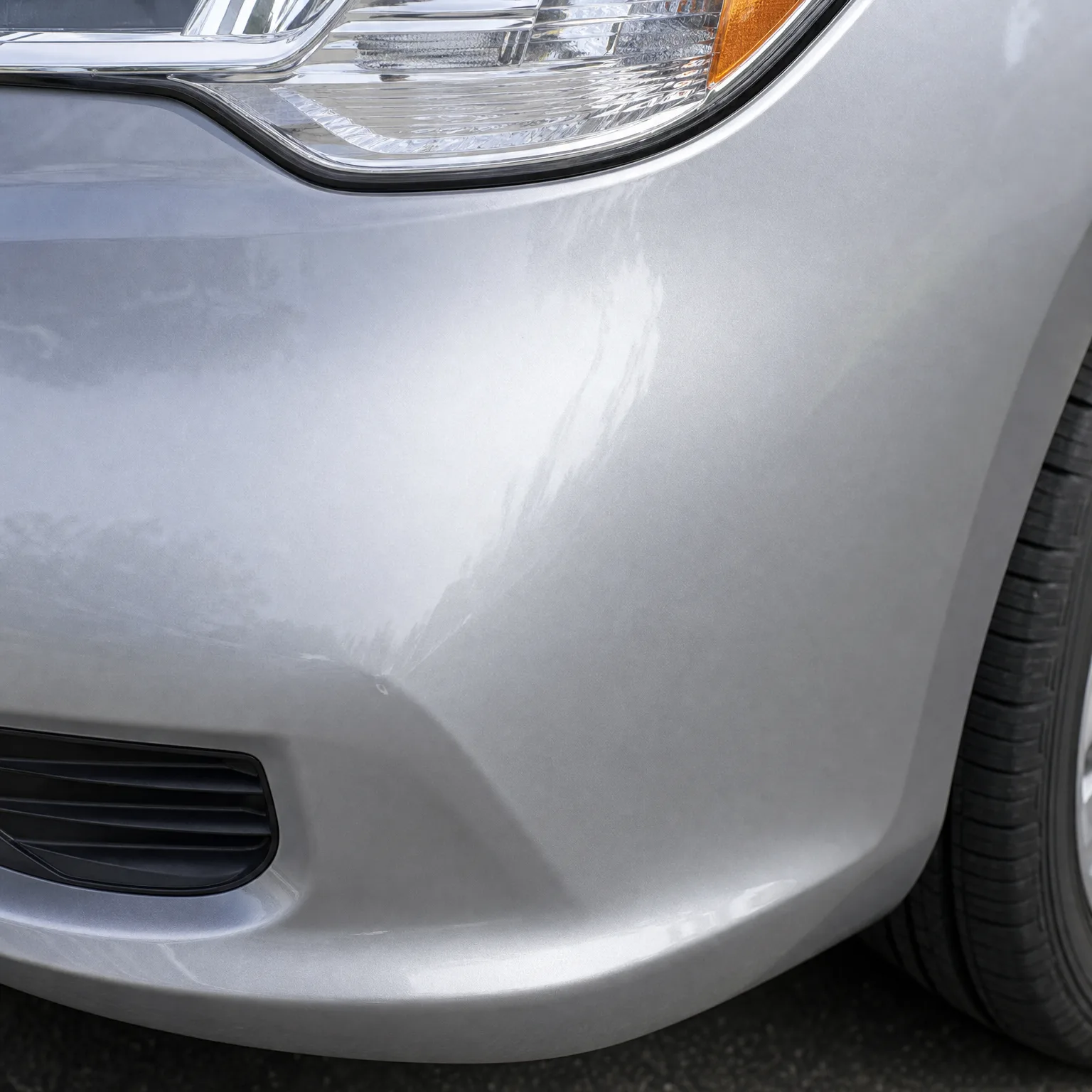
You'll pay a deductible before the coverage pays anything, and that amount is set on your policy, not decided after the fact. The adjuster values the damage, and if repairs cost more than the car is worth, they'll declare it a total loss and pay out the car's value instead of paying for repairs.
After a hurricane, claims often move slower than usual because many people are filing at once. An adjuster may inspect the car in person or ask for photos, especially if flooding is widespread and inspectors are stretched thin across the area.
Have your registration, a description of where the car was during the storm, and photos of the damage ready before you call. If the car flooded, don't try to start it. Starting a flooded engine can cause more damage and may complicate how the claim is handled.
The payment covers the car itself, not anything you lost that was inside it, like personal belongings. Those typically fall under homeowners or renters coverage instead.
Comprehensive coverage versus collision coverage
Comprehensive coverage
This pays for damage from weather, falling objects, flooding, and other events that aren't a collision with another vehicle. It's what responds to hurricane damage.
Collision coverage
This pays when your car hits something, or something hits it, like another car or a guardrail. It covers wind pushing your car into an object, but not the wind damage itself.
If you're deciding what to carry heading into storm season, comprehensive is the one that matters for hurricanes, and collision matters more if you're worried about everyday driving risk.
Real situations
Your car is parked in the driveway overnight during a hurricane, and a large oak limb comes down across the hood.
This pays, since falling trees and debris from the storm are covered under comprehensive coverage.
Storm surge floods the street where your car is parked and water gets into the engine before you can move it.
This pays, since flooding from a storm is one of the clearest cases comprehensive coverage is meant for.
You're driving home ahead of the storm and swerve to avoid another car, sliding into a ditch.
This doesn't pay, since that's a collision with the road, which falls under collision coverage instead.
Once you know whether you want this coverage and at what level, you're ready to compare quotes with that settled.
Questions people ask about this
Does home insurance cover my car in a hurricane?
No, homeowners insurance doesn't cover vehicles, even if the car is parked on your property. Car damage during a storm is handled through your auto policy's comprehensive coverage, while your home policy only covers the house and its contents. If a tree falls on both your house and your car, you'd typically file two separate claims with two different coverages.
What happens if I can't afford my deductible after a hurricane?
You can wait to repair the car until you're able to cover the deductible, since the insurer isn't going to pay your share for you. Some people negotiate a payment plan with the repair shop in the meantime. If the car is declared a total loss, the deductible is simply subtracted from the payout rather than collected upfront.
Can my insurer drop me after a hurricane claim?
It's possible, though it varies by company and by state rules, so check your own policy and ask your insurer directly about their claims history policy. A single storm-related claim is generally treated differently than an at-fault accident. If you're concerned, ask before you file whether this particular claim could affect your renewal.
Should I get my car inspected before hurricane season every year?
It's not required, but an inspection can catch things like worn seals or a cracked windshield that let water in more easily during a storm. This matters more as a car ages, since rubber seals and weatherstripping degrade over time. It won't change what your coverage pays, but it can reduce how bad the damage ends up being.
Does it matter where I park my car during a hurricane warning?
Yes, parking under solid cover and away from trees or power lines lowers your risk of damage, though it doesn't change what your coverage pays if something does happen. Moving the car to higher ground matters most if you're in a flood-prone area. Many people with older cars move them to a parking garage or a relative's driveway inland before a storm arrives.