Comprehensive Coverage for Wildfire Damage
Comprehensive coverage pays to repair or replace your car when fire, including wildfire, damages or destroys it, no matter who or what started it.
What this coverage pays for
Covers
- Direct fire damage Scorched paint, melted trim, a burned interior, or a car that's a total loss from flames are all covered.
- Smoke damage A car that wasn't touched by flame but took on smoke damage to the interior, electronics, or finish is still covered.
- Falling debris during a fire If a burning tree limb or power line comes down on your car while you're fleeing or parked, that's covered too.
- Evacuation damage If your car is damaged in a crash or by debris while you're evacuating ahead of a wildfire, this is usually the coverage that applies.
- Total loss payout If the car is damaged beyond repair, you're paid its cash value at the time of the fire, not what you originally paid for it.
- A rental car during repairs If you added rental reimbursement to your policy, it covers a replacement car while yours is being fixed.
Doesn't cover
- Your medical bills Any injuries you suffer are handled by health insurance or the medical payments coverage on your policy, not this one.
- Belongings inside the car Personal items that burn with the car are usually a homeowners or renters claim, not a car insurance one.
- Collision damage during evacuation If you rear-end someone while fleeing, that crash damage is handled by collision coverage, which is a separate line on your policy.
- Cost to upgrade or modify You're paid to replace what you had, not to upgrade to a newer trim or add features the car didn't have before.
- Loss of use beyond a rental Missed work, canceled trips, or other inconvenience from being without a car aren't paid unless you specifically carry rental coverage.
- A car you don't own outright or lease If you're still financing or leasing, your lender likely requires this coverage anyway, so dropping it usually isn't your call to make alone.
For most people in wildfire-prone areas, yes, keep it
The math on this one comes down to what you're protecting and what you could absorb yourself. If your car is older and worth very little, paying for this coverage year after year can cost more over time than just replacing the car yourself if the worst happens. If it's newer, worth repairing, or still has a few good years left, that calculation flips fast.
Where the car spends its nights matters more than people expect. A car that sits in a garage in a neighborhood with cleared brush and nearby hydrants carries less risk than one parked on a rural property surrounded by dry land. If you live somewhere that has seen evacuation orders, or your area is rated for wildfire risk, that alone is a strong argument for keeping this coverage even if you don't drive much anymore.
Think about what you could cover out of pocket without strain. A loss like this often means replacing a car all at once, not over time. If writing that check wouldn't change your life, self-insuring is a real option. If it would mean dipping into savings you'd rather not touch, the coverage is doing real work for you.
How much you drive matters less here than with some other coverages, since wildfire doesn't care if your car is parked or on the road. A car sitting in a carport for months is just as exposed as one driven daily, which is worth remembering if you've been tempted to drop coverage simply because you're not driving much these days.

What actually happens when you file a claim
You pay your deductible first, and the coverage picks up the rest, up to the value of the car. If the damage is bad enough that repair costs more than the car is worth, the insurer declares it a total loss and pays you the car's cash value instead of fixing it, minus your deductible.
A wildfire claim often moves alongside many others in the same area, since large fires damage many cars at once. Adjusters may inspect by photo or video rather than in person at first, especially if the area is still unsafe to enter. Having photos of the car from before the fire, along with your registration and loan or title information, helps the process move faster.
The payment covers the car itself, not your temporary transportation unless you carry rental reimbursement. If you're still paying off the car, the insurer typically pays your lender directly for what's owed, with any remaining amount coming to you.
Keep records of anything you spend related to the loss, including towing from an evacuation zone or temporary storage. Ask your adjuster early what documentation they want, since requirements can differ by claim and by how the fire affected the area.
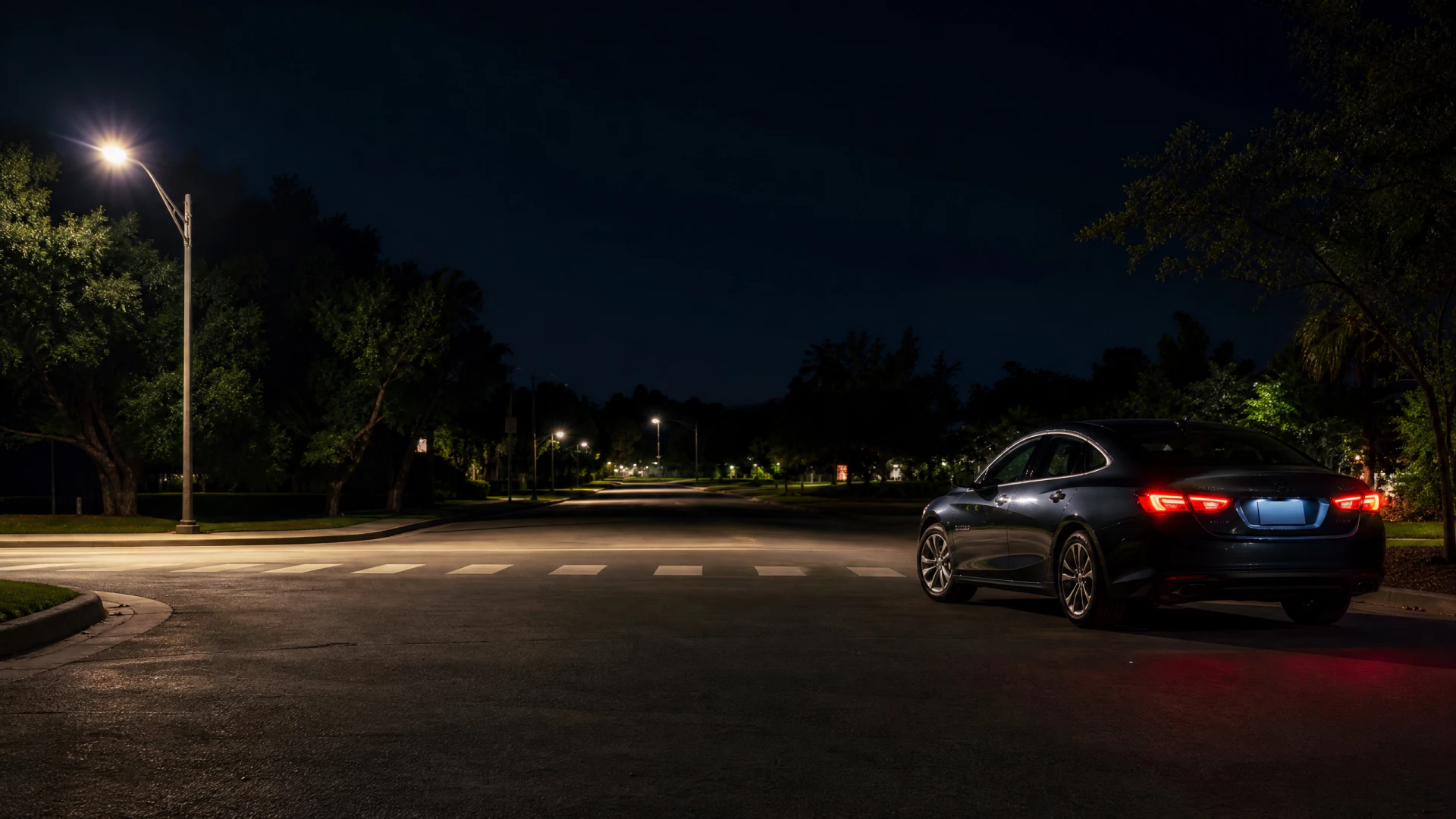
Comprehensive vs. collision coverage
Comprehensive coverage
This pays for damage from events other than a crash, like fire, falling objects, animals, theft, and weather. It's the coverage that responds to wildfire damage, whether or not your car was moving at the time.
Collision coverage
This pays for damage from your car hitting something or being hit, including crashes that happen while you're evacuating or driving in smoke and poor visibility. It doesn't respond to fire damage itself.
If you're deciding whether to keep comprehensive coverage because of wildfire risk, collision coverage doesn't substitute for it, since the two answer completely different kinds of damage.
Real situations
Your car is parked in the driveway overnight when a wildfire moves through the neighborhood and the car is destroyed along with part of the house.
This coverage pays for the car as a total loss, separate from any homeowners claim on the house.
You're driving away from an evacuation zone in heavy smoke and rear-end another car that stopped suddenly ahead of you.
This coverage doesn't pay for that crash damage, since collision coverage handles impacts with other vehicles.
Ash and embers settle on your car during a nearby fire, discoloring the paint and leaving a smoky smell in the interior that won't air out.
This coverage pays for the smoke and ash damage even though the car never caught fire.
Once you've decided whether to keep, adjust, or drop this coverage, you're ready to compare quotes that match what you actually want.
Questions people ask about this
Does comprehensive coverage go up after a wildfire claim?
It can, though not always, and the effect varies by insurer and by state. A single weather or disaster-related claim is often treated differently than an at-fault accident. Ask your agent how a wildfire claim specifically is rated in your state.
What happens if my car is destroyed by wildfire and I still owe money on it?
The insurer pays your lender directly for what's owed on the loan or lease, and any amount left over after that goes to you. If the car was worth less than what you owed, you may still owe the difference unless you carry separate gap coverage. Check your loan payoff amount against the car's estimated value if you're worried about a shortfall.
Can I get an emergency car insurance claim approved faster during an active wildfire?
Many insurers set up expedited claims processes during large, declared wildfire events, but this isn't guaranteed everywhere. Ask your insurer directly what their process is for disaster-area claims. Having photos and documentation ready ahead of time helps regardless of how fast the process moves.
Does it matter if my car was parked on my property or somewhere else when it burned?
No, coverage applies regardless of where the car was parked when the fire damaged it. What matters is that the damage came from fire, not where the car happened to be sitting. Keep any documentation showing where the car was and when, in case the claim needs it.
Should I take photos of my car before wildfire season starts?
It's a reasonable precaution, since clear photos make a claim easier if the car is ever damaged or destroyed. They help establish the car's condition and contents beforehand, which can speed up an adjuster's review. Store them somewhere other than the car itself, like with a family member or online, so you can still access them if the car is lost.