Wildfire Damage Car Coverage in California
Wildfire damage to your car is covered under comprehensive coverage, not under your regular liability or collision policy.
What comprehensive coverage pays for when wildfire is the cause
Covers
- Total loss from fire If the car burns or is destroyed, you're paid its actual value at the time, minus your deductible.
- Smoke and heat damage Paint, upholstery, and electronics damaged by nearby heat or smoke are covered even if the car never caught fire.
- Ash and falling debris Scorched paint from falling ash or damage from burning branches and debris falls under the same coverage.
- Melted or warped parts Tires, trim, and plastic components that melt or warp from nearby heat are treated the same as direct fire damage.
- Evacuation-related damage If the car is damaged while you're fleeing, like driving through ash or debris on the road, that's still a comprehensive claim.
- Towing after the fire Getting a damaged car from an evacuation zone or disaster area to a shop is usually covered under the same claim.
Doesn't cover
- Your other property Comprehensive covers the car itself, not a garage, a trailer, or belongings that were inside or nearby.
- Rental car costs You only get a rental car paid for if you separately carry rental reimbursement coverage.
- Lost wages or relocation Costs from being displaced by a wildfire, like hotel stays or missed work, aren't part of a car insurance claim at all.
- Damage with no comprehensive coverage If you carry only liability coverage, fire damage to your own car isn't paid for no matter the cause.
- Mechanical breakdown unrelated to the fire An old issue with the engine or transmission that surfaces later isn't tied to the fire claim just because the car was nearby.
For most drivers who already carry comprehensive, this isn't a separate choice to make
Wildfire damage isn't its own coverage you add or drop. It's one of many things comprehensive coverage pays for, alongside hail, falling trees, theft, and vandalism. So the real question isn't whether to add wildfire protection, it's whether comprehensive coverage still makes sense for your car at all.
That depends mostly on what the car is worth now. If you're driving a car that's older and paid off, the payout on a total loss might be modest, and you're paying a premium every year for a payout that keeps shrinking. If the car is newer, still financed, or simply worth replacing at close to what you paid, comprehensive is doing real work for you.
Where you live and park matters too. If your home or regular routes are in or near a higher-risk wildfire area, the odds of ever filing this kind of claim are higher than for someone who parks in a garage in a low-risk area. That's worth weighing against what you'd pay out of pocket if the car were a total loss and you had no coverage at all.
It also comes down to what you could absorb from savings. If losing the car entirely and having to replace it wouldn't strain you financially, you might reasonably decide to drop comprehensive and self-insure. If it would mean scrambling for a loan or going without a car for months, keeping the coverage is the more comfortable bet.

How a wildfire claim on your car actually goes
You start by filing a claim the same way you would for any other comprehensive loss, by reporting when and where the damage happened. Because wildfires are declared disasters, your insurer may already be fielding many similar claims in your area, so having your own documentation, like photos of the car and any related paperwork, helps the process move faster.
An adjuster inspects the car, either in person or sometimes remotely if the disaster area is hard to access. They decide whether it's a repair or a total loss. Smoke and heat damage can be harder to assess than a clean break or dent, so it's worth pointing out anything you've noticed, like a smell that won't go away or electronics that stopped working.
Your deductible applies the same way it would for any comprehensive claim, so whatever amount you've chosen gets subtracted from the payout. If it's a total loss, you're paid the car's actual value at the time, not what you paid for it originally and not what it would cost to replace with something newer.
Have your registration, loan or title information, and any maintenance records ready, since they help establish the car's condition and value. If the car is financed, the lender is usually paid first out of any settlement.
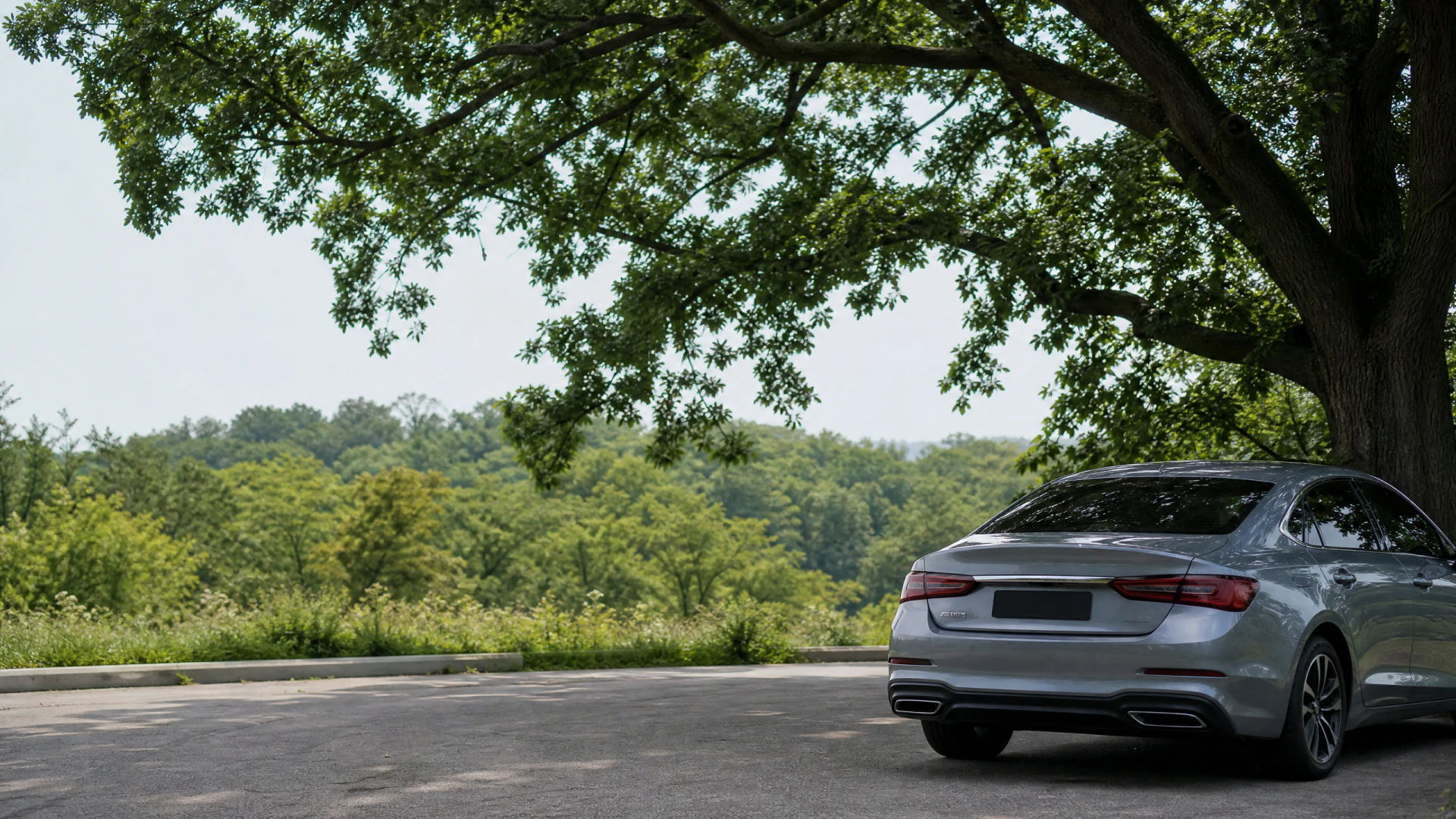
Comprehensive coverage versus collision coverage
Comprehensive coverage
This is what pays for wildfire damage, along with hail, falling objects, theft, and animal strikes. It covers things that happen to your car that aren't a collision with another vehicle.
Collision coverage
This pays when your car hits something, or something hits it, like another car, a guardrail, or a pole. It has nothing to do with fire, smoke, or weather damage.
If you're deciding what to keep on an older car, think of them as a pair, since comprehensive handles disasters like wildfire while collision handles crashes, and dropping one doesn't affect the other.
Real situations
You evacuate ahead of a wildfire and later find ash has pitted the paint and melted part of a bumper.
This is covered under comprehensive, since smoke, heat, and ash damage all count even without an open flame touching the car.
While driving out of an evacuation zone, you swerve around debris and hit a guardrail, denting the fender.
This is a collision claim, not comprehensive, since it resulted from hitting an object while driving, not from the fire itself.
Your car is parked in a garage at home, and smoke from a distant wildfire leaves a film on the paint and seeps into the interior.
This is covered under comprehensive, since smoke damage counts even when the fire never reached your property directly.
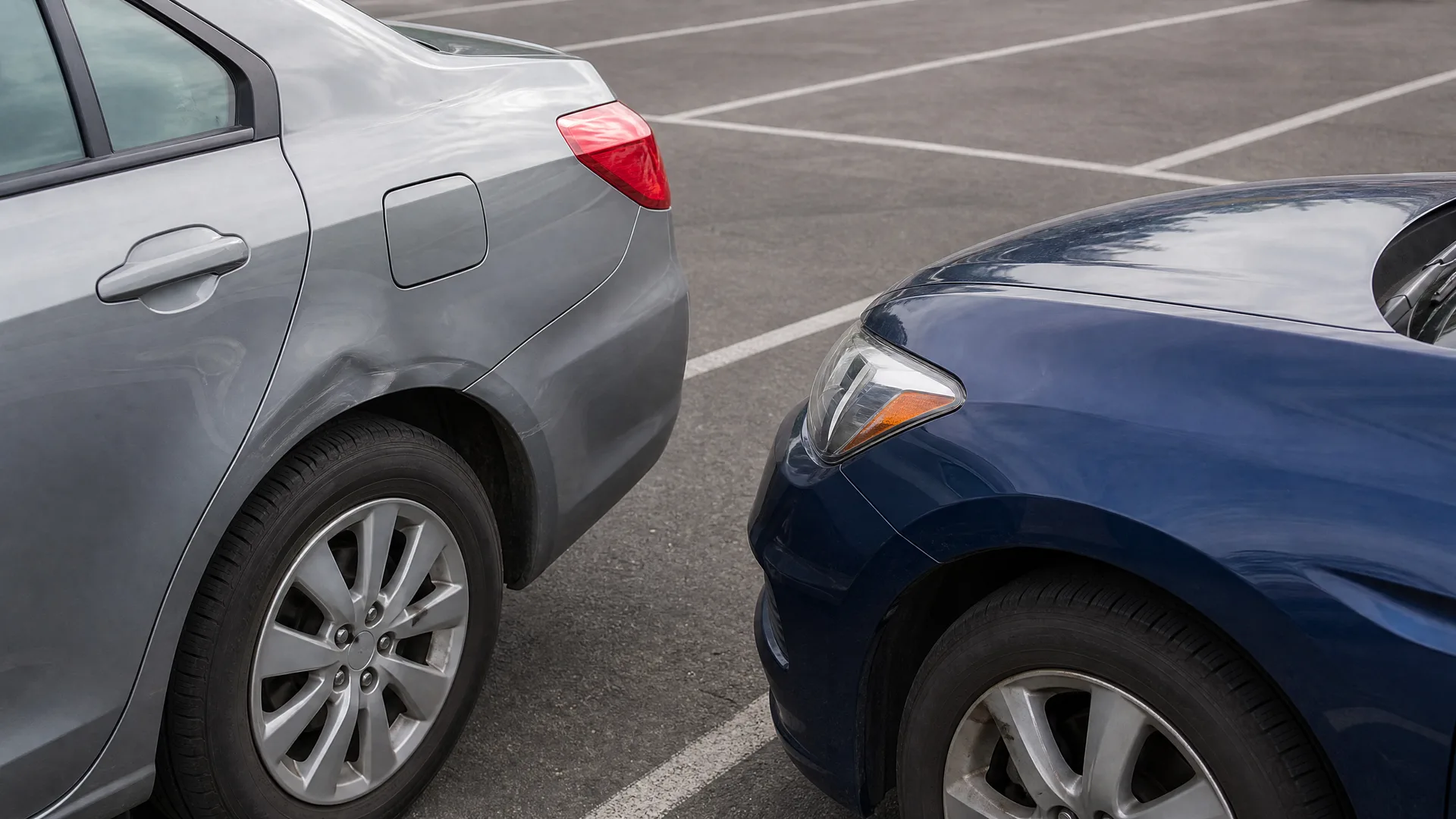
Once you know whether comprehensive coverage still makes sense for your car, you can compare quotes with that settled and see what it actually costs to keep or add.
Questions people ask about this
Does renters or homeowners insurance cover a car damaged by wildfire?
No, a car is never covered under a homeowners or renters policy, even if it's damaged while parked on your property. Vehicles are specifically excluded from those policies and fall entirely under your auto policy's comprehensive coverage. If you're displaced by a wildfire, your homeowners policy may help with your home and belongings, but your car is a separate claim entirely.
What happens if my car is a total loss and I still owe money on it?
The insurer pays out the car's actual value, and that payment goes to your lender first if there's a loan or lease. If what you owe is more than the payout, you're responsible for the difference unless you separately carry gap coverage. This is worth checking now if your car is financed and not yet worth more than the loan balance.
Can my insurer drop me after a wildfire claim?
It's possible, and the rules around this vary by state, so it's worth checking your own state's protections and your policy's renewal terms. Some states limit how soon after a disaster an insurer can cancel or decline to renew a policy. If you're concerned, ask your insurer directly how a wildfire claim affects your renewal before you file.
Does it matter if the wildfire damage happened while the car was parked versus being driven?
No, comprehensive coverage applies either way, since it's based on the cause of damage, not whether the car was moving. A car damaged by embers while parked in a driveway is treated the same as one damaged while idling in evacuation traffic. What matters is that the damage came from fire, heat, or smoke rather than a collision.
Will my rates go up after filing a wildfire damage claim?
It depends on your insurer and sometimes on your state's rules, since some treat weather and disaster-related claims differently from at-fault accidents. Comprehensive claims in general are often viewed more favorably than collision claims because they're not considered your fault. It's reasonable to ask your insurer directly how a claim like this would affect your specific policy before you decide whether to file.