Wildfire Damage Car Coverage in Idaho
Wildfire damage to your car is covered under comprehensive coverage, not a separate policy of its own.
What it pays for
Covers
- Fire damage to the car Scorching, melted trim, cracked glass or a total burn are covered as a comprehensive claim.
- Smoke damage Smoke that seeps into the cabin, upholstery or engine and leaves a lasting smell or residue is covered.
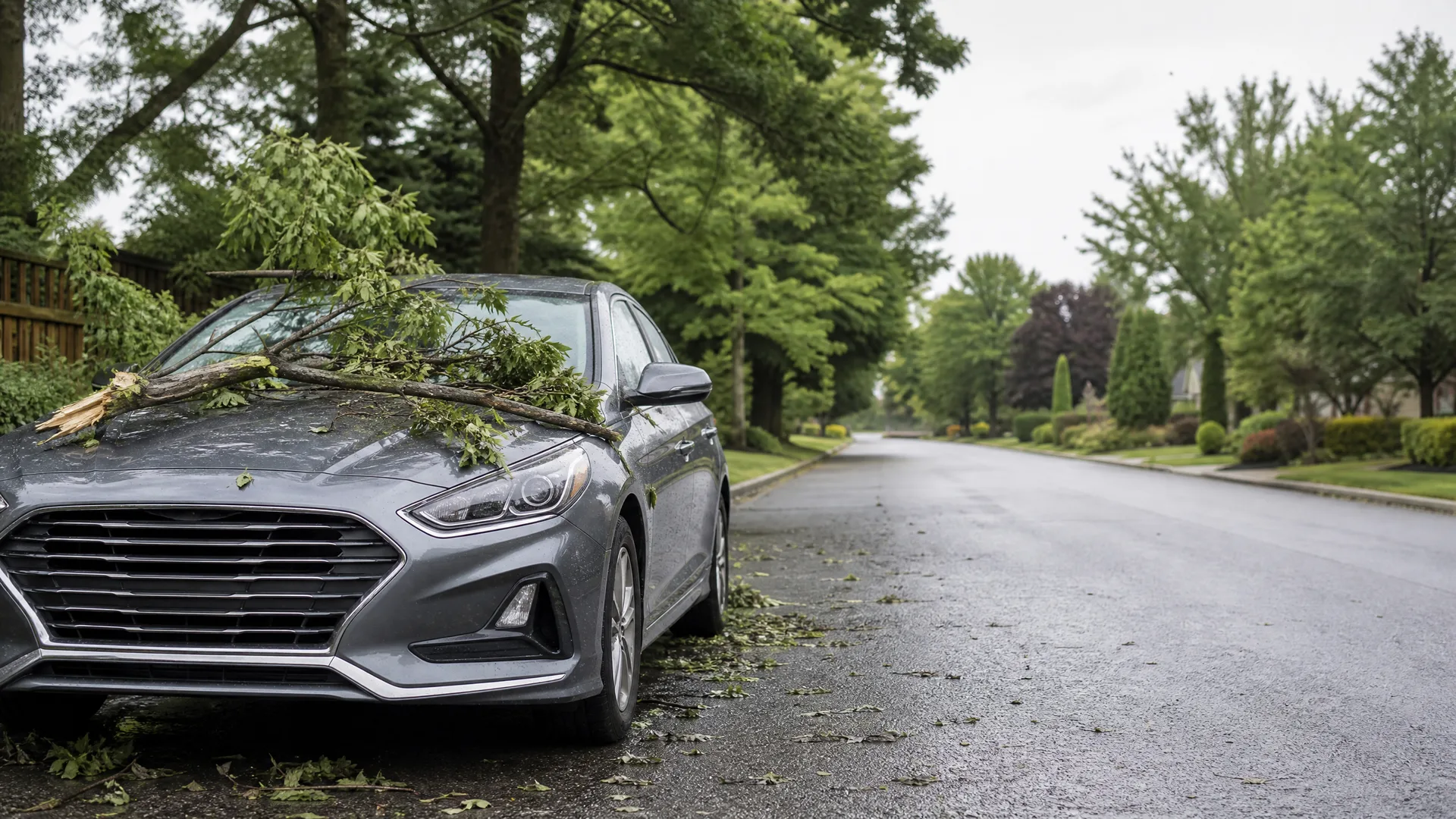
- Ash and falling debris If embers or falling branches damage the paint, roof or windshield while the car is parked outside, that counts too.
- Total loss from fire If the car burns badly enough that fixing it costs more than it's worth, the insurer pays out its value instead of repairing it.
- Fire while evacuating Damage that happens while you're driving away from a fire zone is still treated the same as any other fire loss.
Doesn't cover
- Your medical bills Any injury to you or a passenger from smoke or fire is handled through health insurance or medical payments coverage, not this one.
- A rental car automatically You only get a replacement car while yours is repaired if you added rental reimbursement to your policy ahead of time.
- Items inside the car Personal belongings that burn with the car are usually a homeowners or renters insurance claim, not an auto one.
- Damage from your own neglect If you left the car somewhere you knew was under an evacuation order and could have moved it, an insurer may push back on the claim.
- Collision damage during evacuation If you hit another car or an object while fleeing, that part of the damage falls under collision coverage instead.
For most older drivers in a wildfire-prone area, it's worth keeping
The math on this one is simple once you look at what the car is worth. If your car is paid off and worth a real amount, losing it to fire without any coverage means replacing it entirely out of pocket. Comprehensive coverage is usually the cheapest line on the whole policy, so dropping it to save a little rarely matches the risk.
Where you keep the car matters more than how much you drive it. A detached garage, a carport, or a driveway near dry brush all carry more exposure than a car that sits in a sealed garage overnight. If you're in a part of Idaho where wildfire smoke and evacuation notices are a yearly event, this isn't a coverage to treat as optional.
The harder question is whether you could absorb a full loss from savings. Some drivers this age decide they'd rather self-insure an older car that isn't worth much anymore. That's a reasonable call if the car's value is low and replacing it wouldn't strain you. It's a much shakier call if the car is newer or you'd struggle to replace it quickly.
If you still drive often, visit grandchildren a few states over, or keep the car as your only way to get to appointments, losing it suddenly is more than an inconvenience. That's the case where paying to keep this coverage in place earns its keep.

How a claim actually goes
You pay the deductible first, and the insurer covers the rest up to the car's value. If the fire is part of a larger regional event, expect delays simply because many people are filing at once, not because your claim is being treated differently.
An adjuster will look at the car in person or review photos to decide if it's repairable or a total loss. Smoke damage can be tricky to prove later, so photograph the car as soon as it's safe to do so, inside and out, and keep any receipts for towing or storage.
If the car is declared a total loss, the payout is based on what the car was worth right before the fire, not what you paid for it originally or what it would cost to replace with something newer. Have your registration, loan payoff information if there is one, and recent maintenance records ready, since those can speed up the value discussion.
If the car is repairable, the shop deals with the insurer directly on most of the estimate, but you'll want to ask specifically whether smoke smell and interior cleaning are included, since that's an easy thing for an estimate to miss.
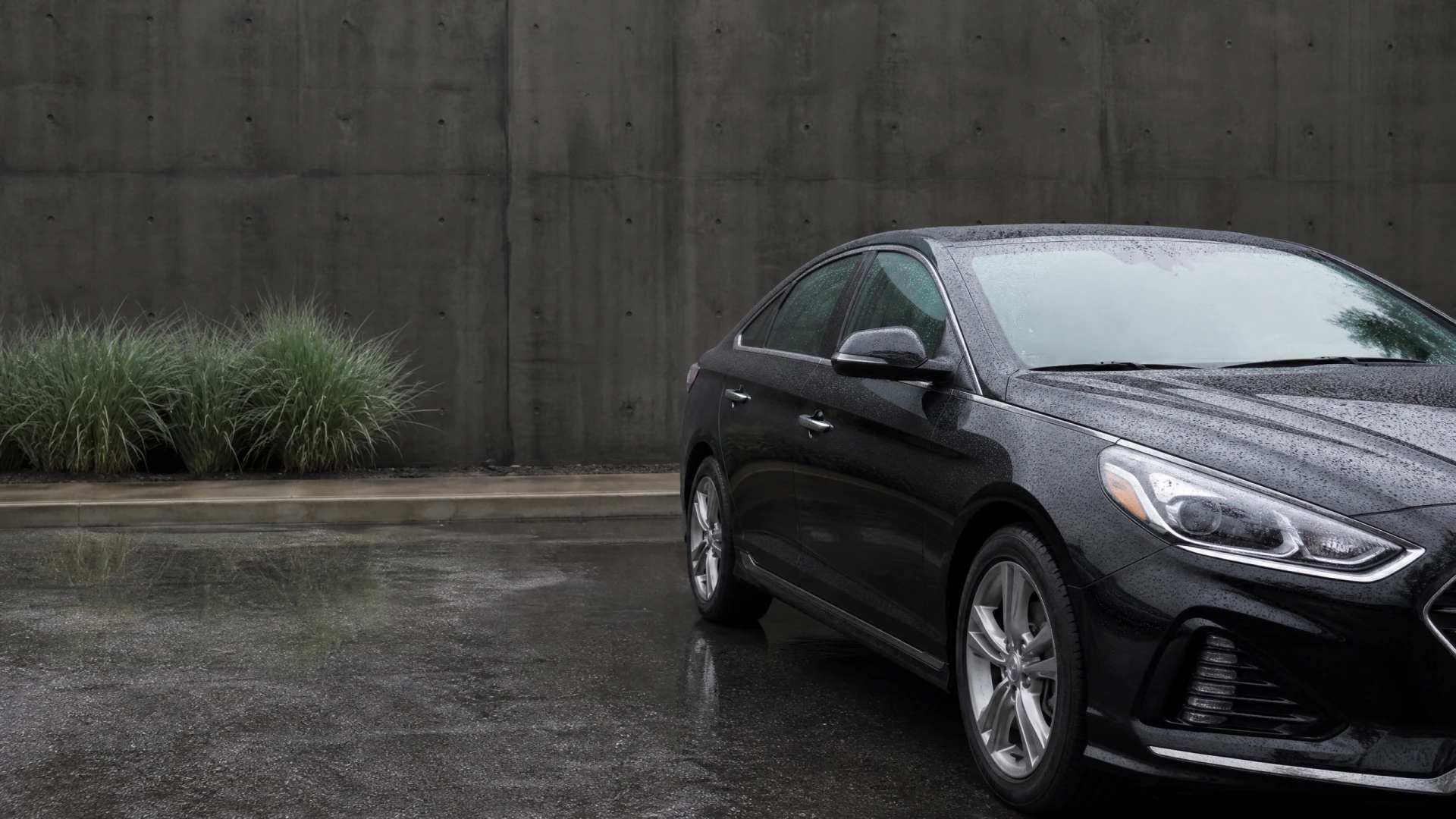
Often confused with comprehensive coverage overall
Wildfire damage coverage
This isn't a separate policy. It's simply one of the events comprehensive coverage responds to, alongside hail, flood, animal strikes and theft.
Collision coverage
Collision pays when your car hits something or something hits it, like another vehicle or a guardrail. It has nothing to do with fire, smoke or falling ash unless a crash happens at the same time.
If you're trying to decide what protects the car from a wildfire specifically, comprehensive is the coverage doing that work, not collision.
Real situations
You park at church for a morning service and a wildfire several miles off sends a wind-blown ember onto the hood, scorching the paint.
This pays, since fire and ember damage to a parked car falls under comprehensive coverage.
While evacuating down a county road at dusk, you swerve to avoid smoke and clip a fence post, denting the bumper.
This is collision damage from the swerve, not fire damage, so it falls under collision coverage instead.
Ash from a nearby fire settles on your car overnight and the paint finish is etched and discolored by morning.
This pays, since ash damage to the exterior is treated the same as other fire-related damage.
Once you know whether you're keeping this coverage as is, dropping it, or adjusting the deductible, you're ready to compare quotes with that decision already made.
Questions people ask about this
Does a wildfire evacuation order affect my insurance if nothing happens to the car?
No, coverage only responds once there's actual damage. An evacuation order by itself doesn't trigger a claim or change your policy, though insurers in high-risk areas sometimes adjust pricing or availability over time, which varies and is worth checking directly with your insurer.
Will my insurer drop me after a wildfire claim?
It depends on the insurer and your overall history, and this varies enough that there's no single answer. A single comprehensive claim for a wildfire is usually treated differently than an at-fault accident, but ask your agent directly how claims in your area have affected renewals.
What happens if my car is damaged by fire while a loan is still on it?
The insurer pays according to the car's value, and if there's a loan, the lender is typically paid first from that amount. Ask your lender for a current payoff figure early, since a gap between the payout and what you owe is something you'd need to cover yourself.
Should I take photos of my car before wildfire season starts?
It's a reasonable habit, since clear photos of the car's condition make any later claim easier to support. Keep them somewhere separate from the car itself, like on your phone's cloud storage or with a family member, so you can still access them if the car is a total loss.
Does where I park at night change my risk enough to matter?
Yes, a fully enclosed garage is meaningfully safer than an open driveway or carport near dry vegetation. It won't change your coverage, but it's one of the few things within your control that actually lowers your real chance of a claim.