Wildfire Damage Car Coverage in Arizona
Wildfire damage coverage is the part of comprehensive insurance that pays to repair or replace your car if fire, smoke, or embers damage it, whether it's parked in your driveway or caught on the road during evacuation.
What this coverage actually pays for
Covers
- Direct fire damage If flames reach your car and scorch the paint, melt trim, or damage the engine, repairs are covered.
- Smoke damage Smoke that seeps into the cabin and leaves a lingering smell or coats the interior is treated the same as fire damage.
- Falling debris from fire If a burning branch or power line falls on your car during a wildfire, that damage is covered.
- Total loss replacement If the car burns badly enough that repair costs more than it's worth, the policy pays out its value instead.
- Damage during evacuation If your car is damaged by fire or related hazards while you're driving away from danger, the coverage still applies.
Doesn't cover
- Cost of evacuating Hotel stays, gas, or meals while you leave your home are not part of this coverage; it only covers damage to the car itself.
- Medical bills Any injuries from smoke inhalation or an evacuation accident fall under health or medical payments coverage, not this one.
- Damage to your home This is a car coverage only; your homeowners or renters policy handles fire damage to the house and belongings.
- Mechanical breakdown unrelated to fire If your car happens to break down around the same time, that's a separate issue and not something this coverage touches.
- Diminished value after repair Most policies pay to fix the car, not to make up for the drop in resale value a fire history can cause.
For most drivers in fire-prone parts of Arizona, this is worth keeping
If your car is newer, financed, or leased, you likely don't have a choice: the lender requires comprehensive coverage, which includes this. The real decision only comes up once the car is paid off and you're weighing whether to keep comprehensive coverage at all.
Think about what the car is actually worth right now, not what you paid for it years ago. An older car with high mileage might not be worth enough to make the coverage worth its cost, especially if you could cover a full loss yourself without much strain.
Where you live and park matters more here than with most coverages. A carport in a desert subdivision with cleared brush is a different risk than a home backed up against dry hillside vegetation. If you've ever had an evacuation warning or watched smoke on the ridge near your house, that's worth weighing heavily.
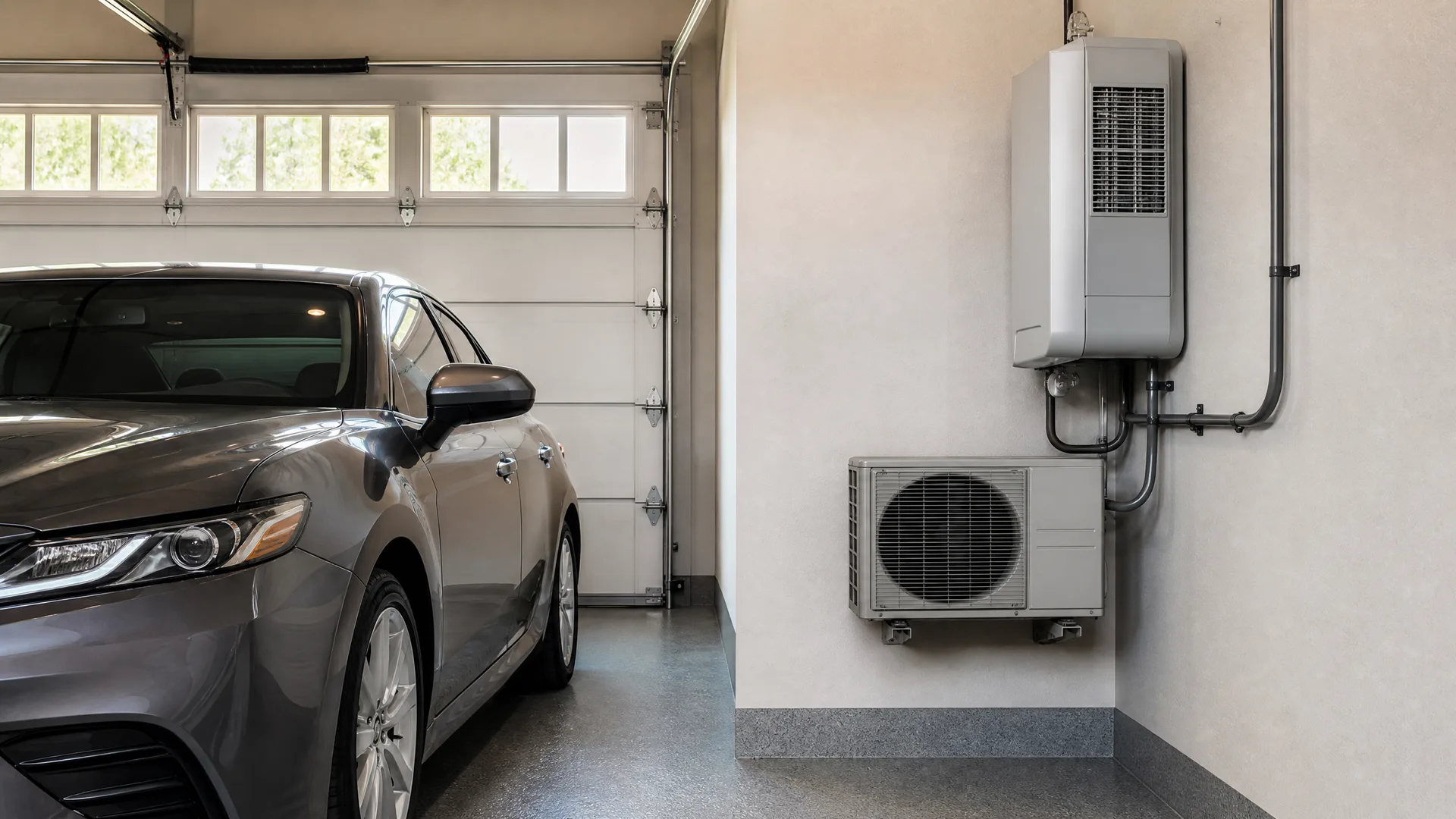
How much you drive factors in too. A car that sits in a garage most of the year because you've cut back on driving still carries this exposure, maybe more, since wildfire often threatens parked cars rather than ones on the road.
What happens if you ever have to use it
Like other comprehensive claims, you pay a deductible and the policy covers the rest, up to the car's value. The deductible amount is something you chose when you set up the policy, so it's worth checking what yours actually is rather than assuming.
After a wildfire, insurers often set up a faster claims process since many people are filing at once. You'll want to document the damage with photos before anything is moved or cleaned, and keep any paperwork from evacuation orders or fire department reports if you have them.
If the car is declared a total loss, the payout is based on its value right before the fire, not what you originally paid or what it would cost to replace it new. Have your registration, loan payoff information if you're still financing, and any maintenance records ready, since those can support the valuation.
If repairs are possible, the shop will need to address not just visible damage but smoke residue in the ventilation system and interior, which can be more involved than it first appears.
Wildfire coverage versus comprehensive coverage generally
Wildfire damage coverage
This isn't usually a separate line you can buy on its own. It's one of the perils included under comprehensive coverage, alongside things like hail, falling objects, and animal strikes.
Comprehensive coverage
This is the broader coverage that includes wildfire along with theft, vandalism, flooding, and other non-collision events. You either carry comprehensive, which includes fire, or you don't.
If you're deciding whether to carry comprehensive at all, fire risk in your area should weigh into that decision rather than being treated as a separate question.
Real situations
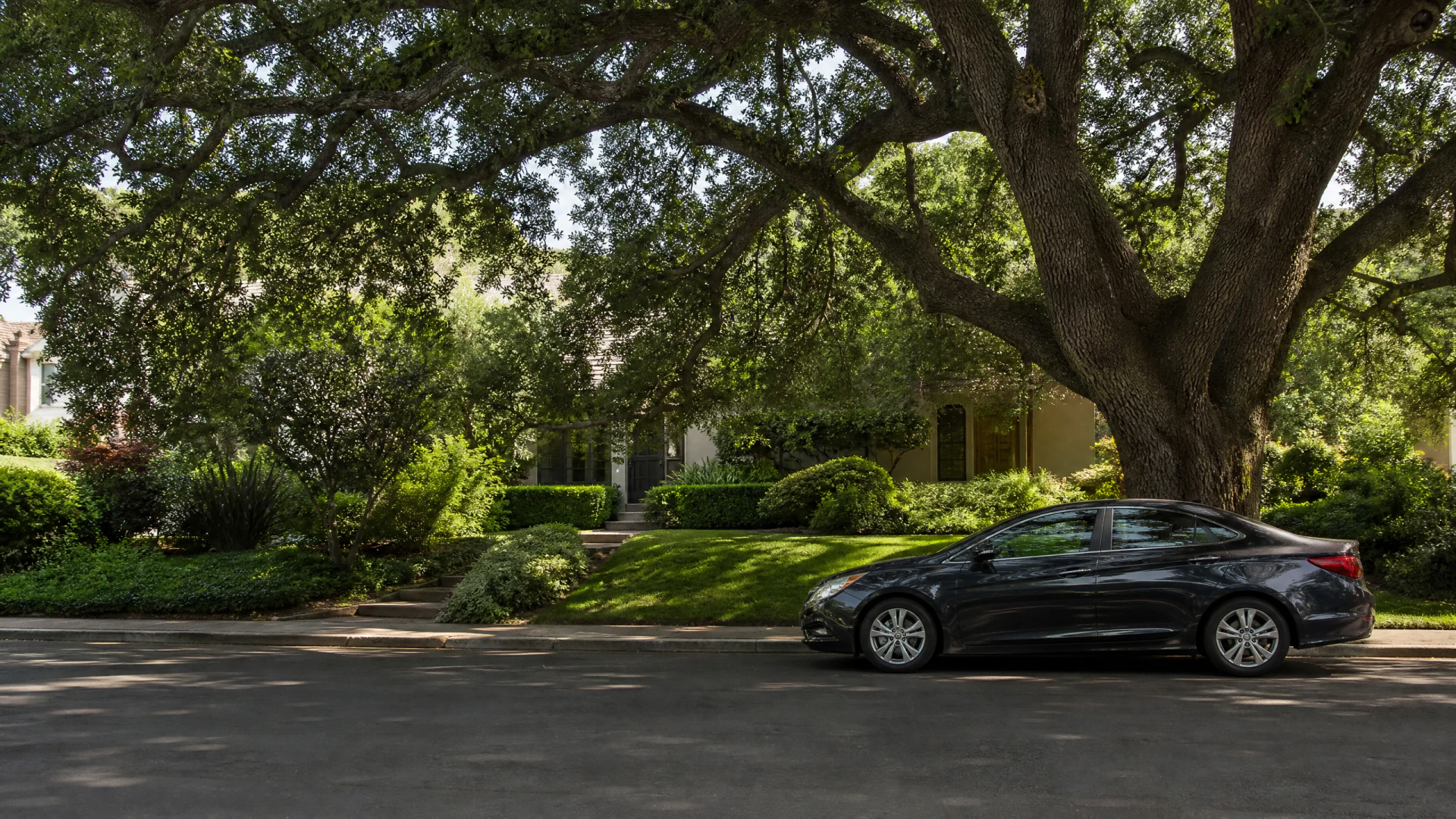
Your car is parked in the driveway when a wildfire spreads through the neighborhood and embers ignite the paint and tires before you can move it.
This pays, since direct fire damage to a parked vehicle is exactly what comprehensive coverage with fire protection is for.
You're driving to your daughter's house for dinner and hit a javelina that darts into the road at dusk.
This doesn't pay for wildfire coverage specifically, but the same comprehensive coverage handles animal collisions under a different part of the policy.
During an evacuation, smoke damages the interior of your car badly enough that the smell won't go away even after cleaning.
This pays, since smoke damage from a wildfire is treated the same as fire damage under the coverage.
Once you know whether your car, your driving, and where it's parked make this coverage worth keeping, you're ready to compare quotes with that decision already made.
Questions people ask about this
Does Arizona require comprehensive coverage for wildfire damage?
No state requires comprehensive coverage, since it's optional by nature, though a lender may require it if you're financing or leasing. Whether it's offered and how it's packaged can vary by state, so check your own policy to see how it's listed.
What should I do with my car during a wildfire evacuation?
Move it to the safest available spot if you have time and it's safe to do so, since this can prevent damage in the first place. Keep your registration and insurance information in the car so you have it on hand if you need to file a claim later.
Does my credit score affect this coverage?
It can affect what you're offered or quoted, depending on how your insurer sets rates, though this varies by company and state. It's worth asking directly rather than assuming one way or another.
Can I add wildfire protection without full comprehensive coverage?
No, this isn't sold as a standalone add-on; it comes bundled into comprehensive coverage as one of the perils it covers. If you want fire protection, comprehensive is the coverage you need.
Will a wildfire claim raise my rates?
ignore