What Is Collision Insurance for
Collision insurance pays for damage to your own car when it hits another vehicle or object, regardless of fault.
It covers your car in a crash, no matter who caused it
Collision insurance pays to repair or replace your car when it collides with another vehicle or with something fixed in place, like a guardrail, a fence, or a tree. It applies whether the crash was your fault, the other driver's fault, or nobody's fault at all, like hitting a pothole.
It's separate from liability coverage, which pays for damage you cause to someone else's car or property. Collision only pays for yours. It's also separate from comprehensive coverage, which handles things like theft, fire, or hail. If your car is paid off, you can choose whether to carry collision at all. If you have a loan or lease, the lender usually requires it.
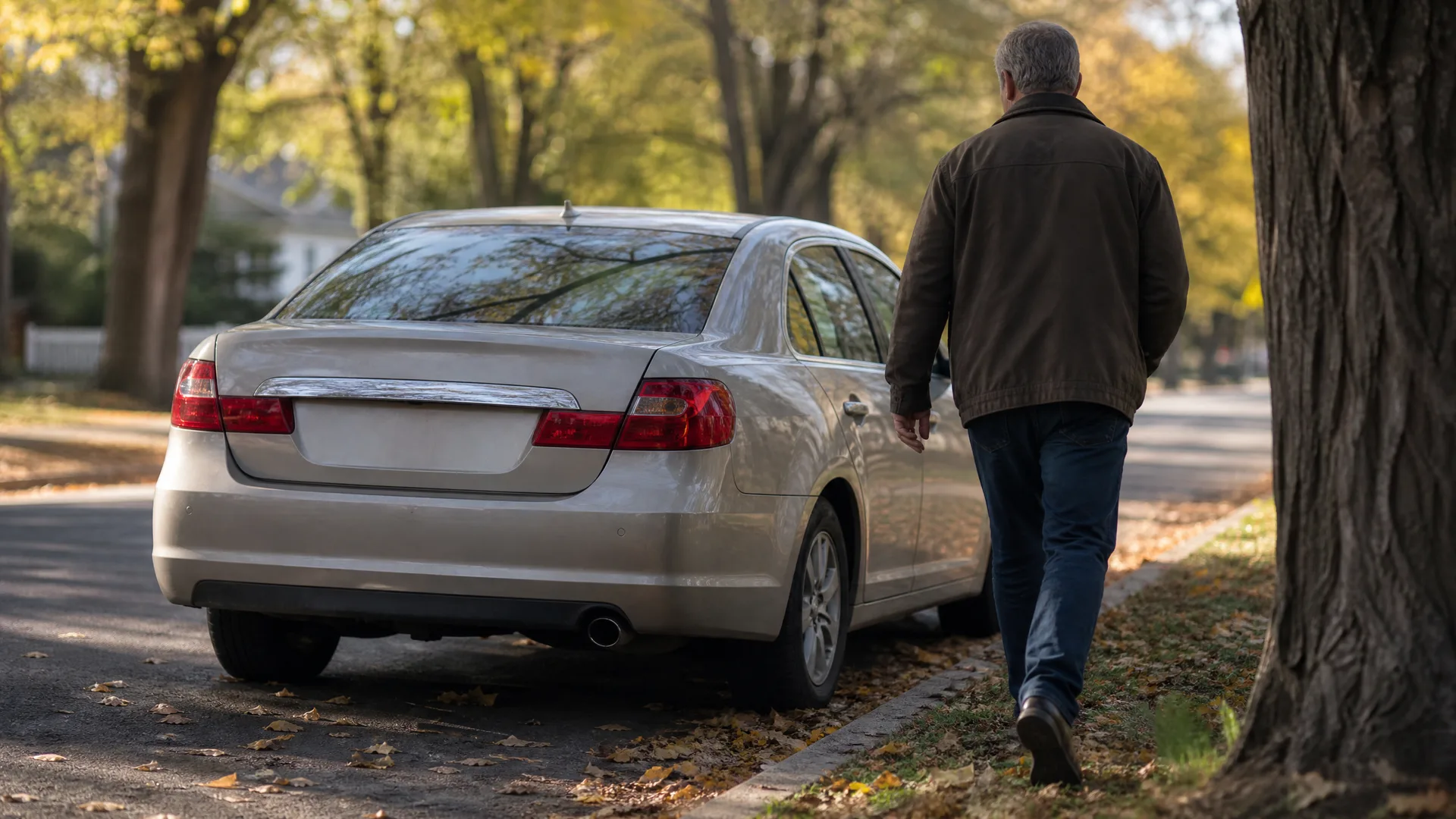
What your car is worth changes whether it's worth having
Collision coverage pays out up to your car's actual cash value, minus your deductible. If your car is older and worth little, the payout in a claim may not be much more than the deductible itself. At that point you're paying a premium for coverage that wouldn't return much if you used it.
A body shop estimate or a quick check of what similar cars are selling for near you will tell you where your car stands. If the number is low, ask your insurer what collision would actually pay out in a total loss, after the deductible, and weigh that against what you're paying for it each year.
This is a decision worth revisiting every so often, not just when you first buy the policy. A car that made sense to cover five years ago may not make sense to cover now.
Your deductible decides how much this coverage helps you
Collision insurance always comes with a deductible, the amount you pay out of pocket before the coverage pays the rest. You choose this amount when you set up the policy, and it directly affects your premium. A higher deductible lowers what you pay for coverage but raises what you owe if you file a claim.
If you'd struggle to cover a higher deductible in an emergency, a lower one may be worth the extra premium. If you have savings set aside for exactly this kind of thing, a higher deductible can save you money every month you don't file a claim.
It's also worth asking your insurer how a collision claim affects your rate at renewal. That answer depends on the insurer and sometimes the state, and it matters as much as the deductible itself when you're deciding whether to file a small claim or pay for the repair yourself.
Questions people ask about this
Do I need collision insurance if my car is paid off?
No state requires collision insurance on its own, so once your car is paid off, carrying it is your choice. The decision usually comes down to what the car is worth and whether you could afford to replace it without the coverage. If the car is worth very little, many drivers decide the premium isn't worth it.
Does collision insurance cover a deer or an animal strike?
No, hitting an animal is typically covered under comprehensive insurance, not collision. Collision applies to crashes with another vehicle or a fixed object. If you only carry collision and not comprehensive, an animal strike may not be covered at all, so check your policy for both.
Will my rate go up after a collision claim even if it wasn't my fault?
That depends on your insurer and sometimes your state, so there's no single answer. Some insurers only raise rates for at-fault accidents, while others weigh any claim history. Ask your insurer directly how they handle not-at-fault collision claims before you file one.
Can I drop collision coverage and keep comprehensive instead?
Yes, these are two separate coverages and you can carry one without the other, as long as you don't have a loan or lease requiring both. Comprehensive handles things like theft, fire, vandalism, and animal strikes. Collision handles crashes. Review what risks matter most for your situation before dropping either one.
Does collision insurance cover a rental car after my car is in the shop?
Collision insurance itself doesn't pay for a rental car, that's a separate coverage usually called rental reimbursement. It does typically cover repairs to your own car after a collision claim, which is what puts you in the rental in the first place. Check your policy or ask your insurer whether rental reimbursement is included or needs to be added.
See what collision coverage would cost you, and compare it against what your car is actually worth.
Find out what your car is currently worth using a recent sale price for a similar model near you. Call your insurer or check your policy to see what deductible you currently carry and what collision would cost to add or keep. Ask how a claim, at fault or not, would affect your rate at your next renewal. If you have a loan or lease, confirm with your lender whether collision is required and at what deductible. Once you have those numbers, you can decide if the coverage is worth it or if it's time to drop it.