How to Protect Your Car in a Hurricane
Move the car to higher, covered ground if you can, and photograph it before the storm so your insurer has no question about its condition.
Get it off the street and get proof of its condition first
The best protection is distance from water and falling debris. A garage is better than a driveway, a parking deck is better than a street near trees or drainage, and higher ground is better than low ground, in that order of what you can manage.
Before you move it anywhere, take photos and a short video of the car from all sides, inside and out, with the date visible on your phone. If a tree limb or floodwater damages it later, this is what your insurer will ask for first.
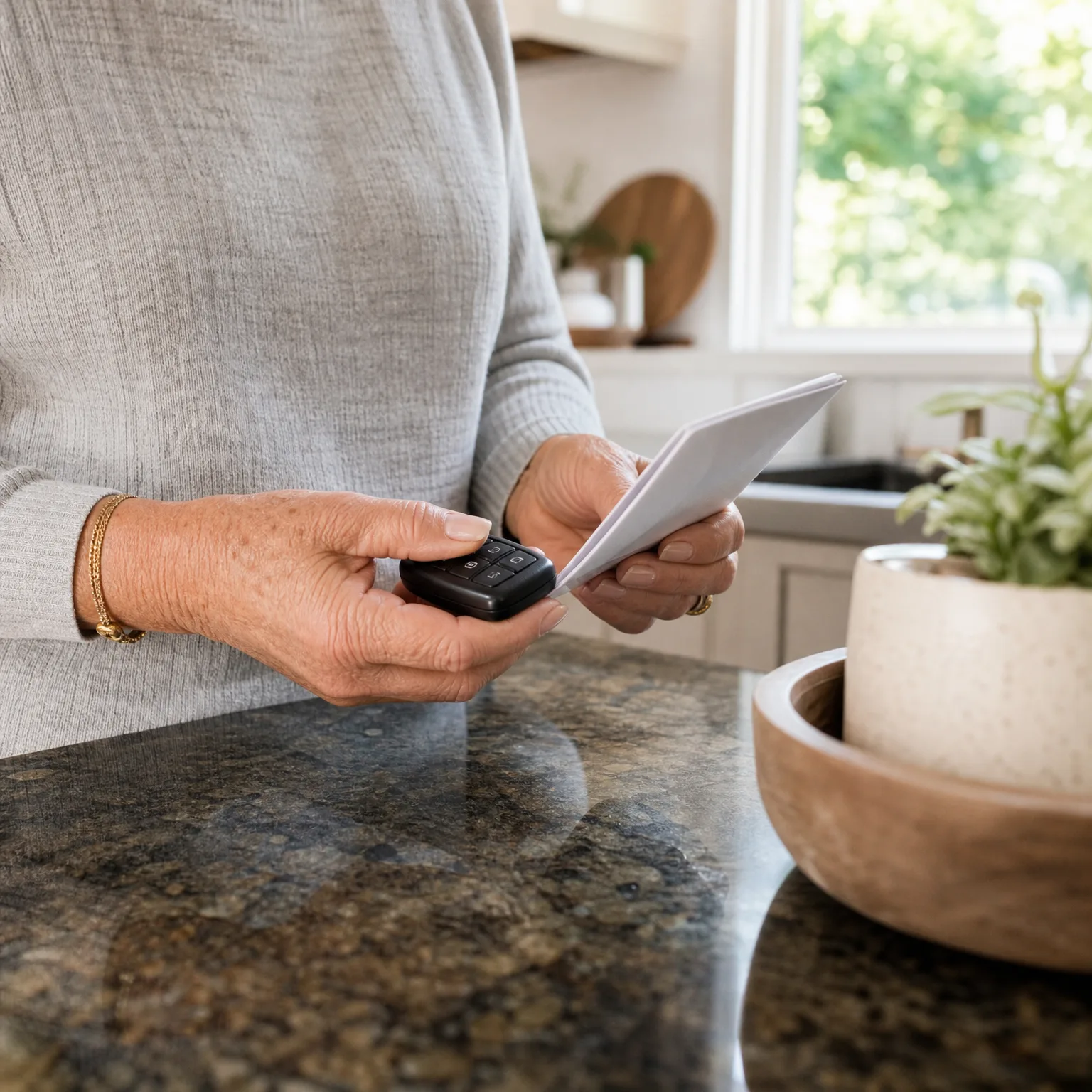
Whether your policy covers flood and wind damage at all
Standard car insurance in most states includes comprehensive coverage, and comprehensive is what pays for flood damage, wind damage, and falling trees. Liability-only policies do not cover any of that, no matter what you do to protect the car.
If you don't know which coverage you have, check your declarations page or call your agent before the storm, not after. This is the one thing that decides whether anything else here matters.
If you do have comprehensive, the deductible still applies. Moving the car to safety doesn't change what you owe if it's damaged, but it lowers the odds you'll need to file a claim at all.
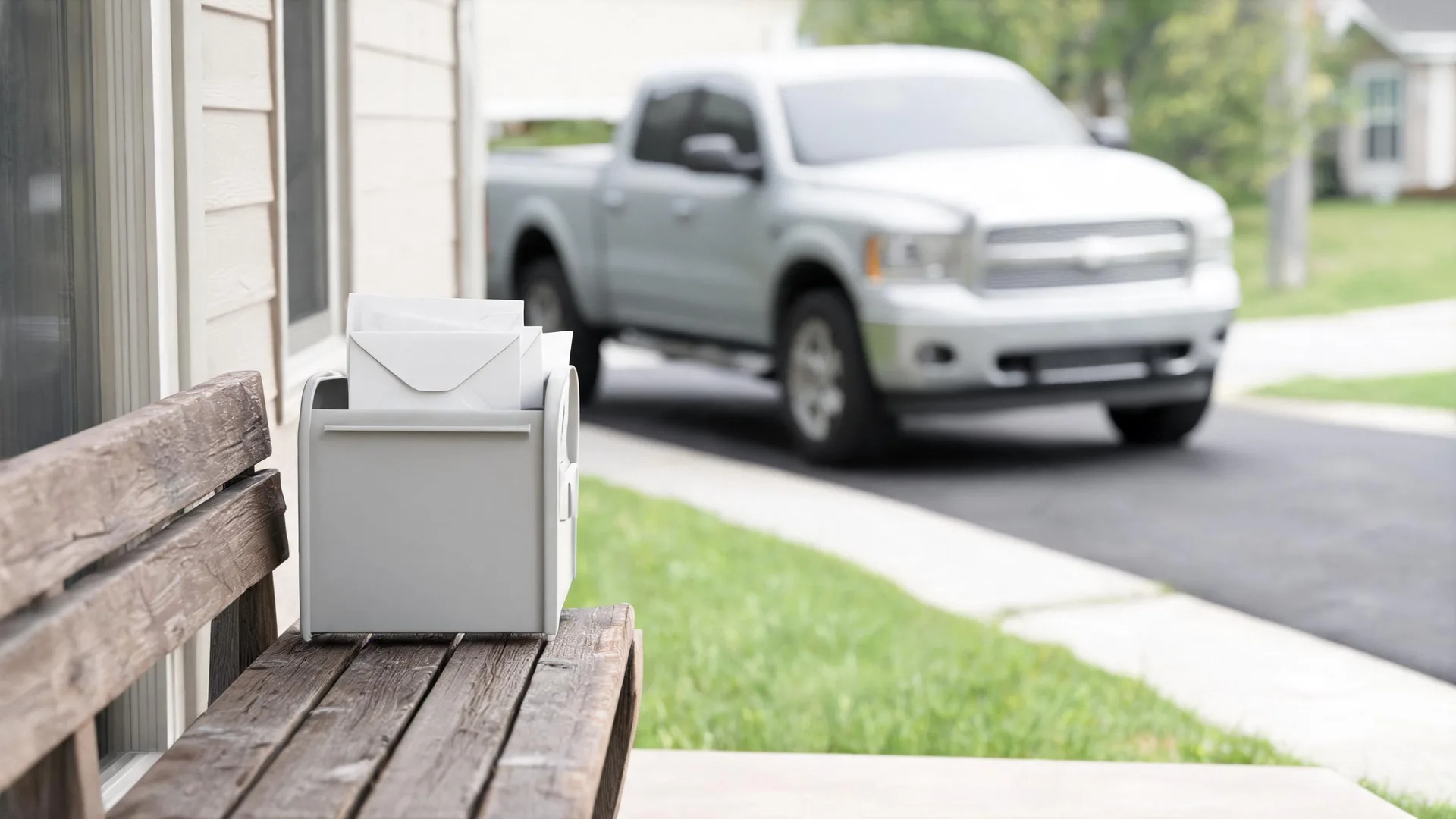
Where you park it matters more than how you prepare it
Taping windows, parking under an overhang, or weighing down the car with sandbags around the tires does little against the two things that actually total cars in hurricanes: rising water and falling trees.
Look up whether your area is in a flood zone, and if it is, treat that as the deciding factor over anything else. A car parked on a street in a flood zone is at risk even in a garage, if the garage floods.
If evacuation is ordered, take the car with you if you can. A car damaged in a garage you couldn't reach is no better off than one left on the street.
Questions people ask about this
Does comprehensive insurance cover hurricane damage to my car?
Yes, comprehensive coverage generally pays for flood, wind, and falling-tree damage from a hurricane, while liability-only coverage does not. Check your declarations page to confirm which coverage you carry before a storm is forecast, not during one.
What happens if my car floods during a hurricane?
If you have comprehensive coverage, flood damage is typically covered subject to your deductible. Don't start the car if it's been underwater, since doing so can cause further engine damage, and call your insurer to ask how they want the claim documented before you have it towed or repaired.
Should I move my car away from trees before a hurricane?
Yes, if you have a choice, park away from large trees and anything that could fall, since fallen trees are one of the most common causes of hurricane car damage. A garage or parking structure away from tree lines is safer than a driveway under or near one.
Will my insurance rate go up if I file a hurricane damage claim?
This depends on your insurer and your state, since some treat weather-related claims differently from at-fault accidents. Ask your agent directly how a comprehensive claim for storm damage is handled before you decide whether to file.
Can I cancel my car insurance right before a hurricane to save money?
No, canceling coverage right before a storm removes the protection you'd need if your car is damaged, and most insurers won't let you add comprehensive coverage once a storm has already been named or is approaching. Keep your policy active through hurricane season.
If you're not sure your policy would cover storm damage, it's worth comparing what other insurers include before the next one is forecast.
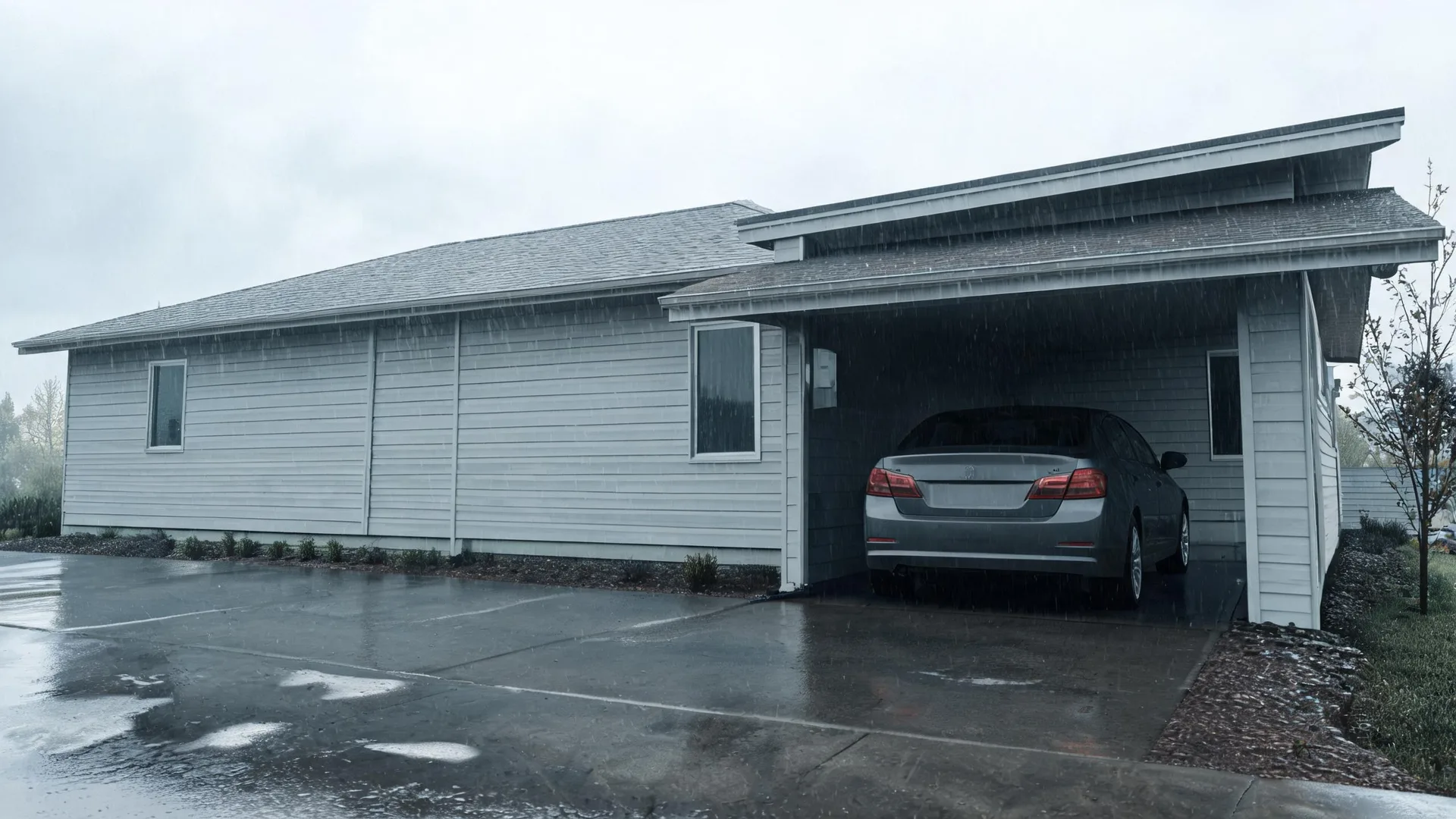
Check your declarations page this week to confirm you have comprehensive coverage, not just liability. Photograph your car from all sides and save the images somewhere other than just your phone. Look up whether your address is in a flood zone, since that should guide where you park when a storm is coming. Keep your agent's contact information somewhere you can reach it without power or internet. If a hurricane is forecast, move the car to the safest location you have access to as early as you can, since options disappear as the storm gets closer.