How to Prevent Catalytic Converter Theft
A few physical deterrents and parking habits make your car a harder target, and that's really the whole strategy.
Make the converter harder to cut and the car less exposed
The most effective step is a physical one. A shop can etch your license plate number or VIN onto the converter, or install a cage or shield around it that slows a thief down. Thieves want a quick job. Anything that adds a few minutes sends them to the next car instead.
Parking matters as much as the hardware. A converter is stolen from underneath, usually in a few minutes with a saw, so a car sitting alone in a dark lot or a driveway facing the street is an easy target. Parking in a garage, under a light, or nose-in against a wall or fence removes the easy access a thief is counting on.

Your car's ride height decides how easy a target it is
Trucks and SUVs sit higher off the ground, which means a thief can slide underneath without jacking the car up first. That extra foot of clearance is the difference between a job that takes seconds and one that takes real effort and noise.
If you drive one of these, the physical deterrents matter even more. A shield or cage that bolts around the converter removes the easy access that height gives a thief, and it's worth asking a muffler shop or dealer whether one is made for your specific model.
Some vehicles are also targeted more often because their converters contain more of the metal thieves resell. A local shop or dealer will know if your model is one that's been hit often in your area, and that's worth asking about directly.
Where you park at night matters more than where you park during the day
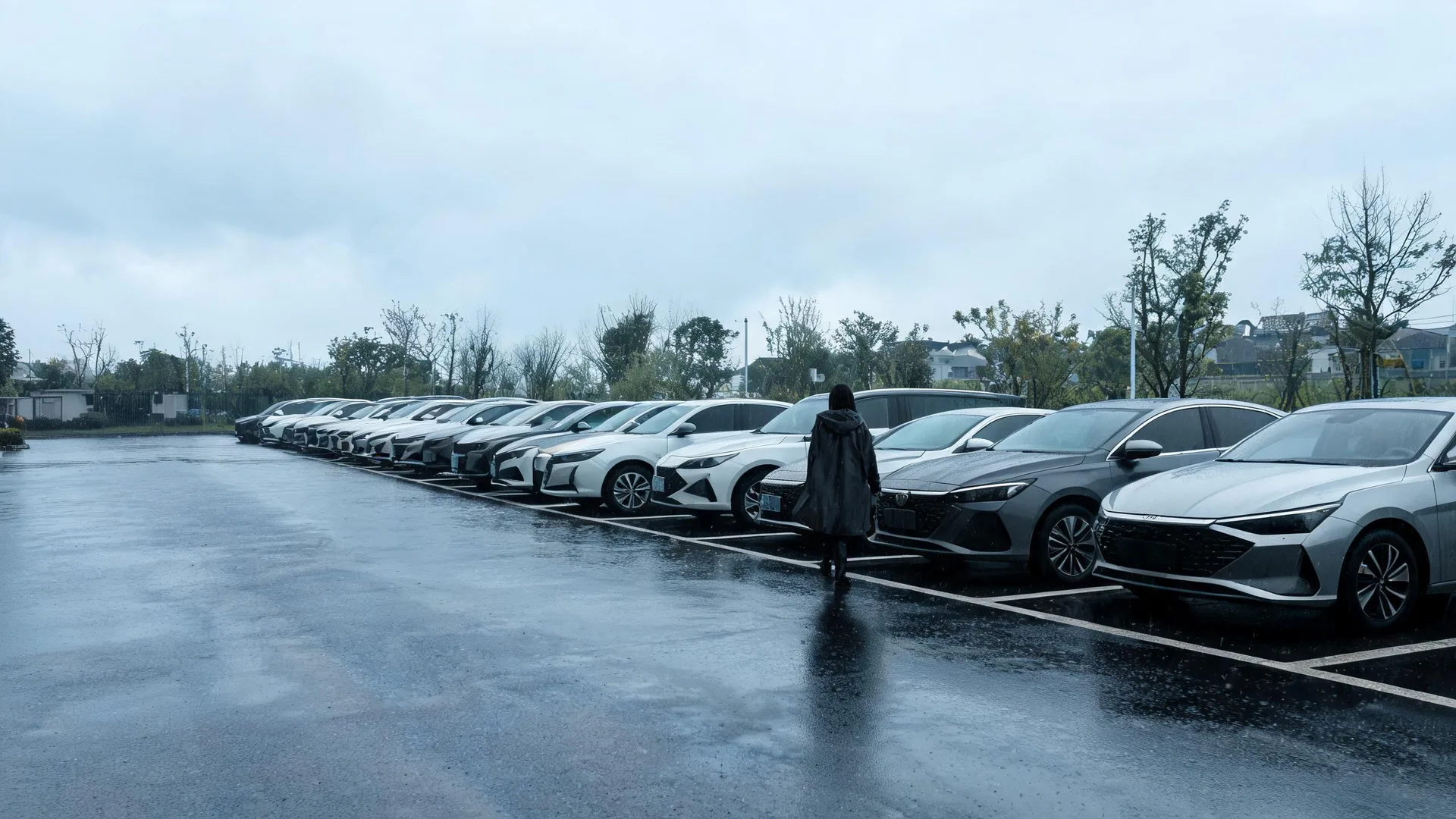
Most converter theft happens overnight, in the hours when a car sits still and unwatched for a long stretch. A driveway, a street spot, or an open lot gives a thief all the time they need and no one around to notice.
If a garage isn't available, parking under a working light, near a building entrance, or anywhere with foot traffic cuts down the odds. Some drivers also park two cars close together, nose to tail, so there's no room for someone to get underneath.
An alarm that triggers on vibration or tilt is another layer worth asking a shop about. It won't stop a theft in progress, but the noise often does, since a thief who hears an alarm go off rarely stays to finish the job.
Questions people ask about this
Does comprehensive insurance cover catalytic converter theft?
Usually, if you carry comprehensive coverage, since theft of a part is treated the same as theft of the whole car. Check your policy declarations page to confirm you have comprehensive and not just liability, and ask your insurer what deductible would apply to a claim like this.
Will a stolen catalytic converter raise my insurance rate?
A single comprehensive claim is less likely to raise your rate than an at-fault accident would, but insurers vary in how they weigh it. Ask your agent directly how a theft claim is treated before you file one, especially if the repair cost is close to your deductible.
How do I know if my catalytic converter has been stolen?
The clearest sign is a loud, rattling roar the moment you start the car, since the converter is part of the exhaust system. If the noise is new and the car also feels rougher or less powerful when you accelerate, have it looked at before driving it any real distance.
Is it worth reporting catalytic converter theft to the police?
Yes, and most insurers require a police report before they'll process a theft claim. File the report as soon as you notice the theft, and keep the report number for your insurer.
Can I drive my car with a stolen catalytic converter?
It's legal to drive short distances in most places, but it's hard on the car and very loud. The exhaust system is open to the road, which can let in fumes and debris, so most people have it towed or drive it only as far as the nearest shop.
See how a comprehensive claim for something like this would actually affect what you pay.
Ask a muffler shop or your dealer this week whether a shield, cage, or etching service is available for your model, and get a price before you need it. Check your policy declarations page to confirm you carry comprehensive coverage and note your deductible. If you park on the street or in an open lot regularly, look into a covered or gated option nearby, even if it costs a little more. And if your converter is ever stolen, file a police report immediately and call your insurer before any repair work starts.