How to Keep Rodents Out of Your Car
Rodents go after food and warm engine spaces, so the fix is removing both and checking the car often.
Keep food out and check under the hood often
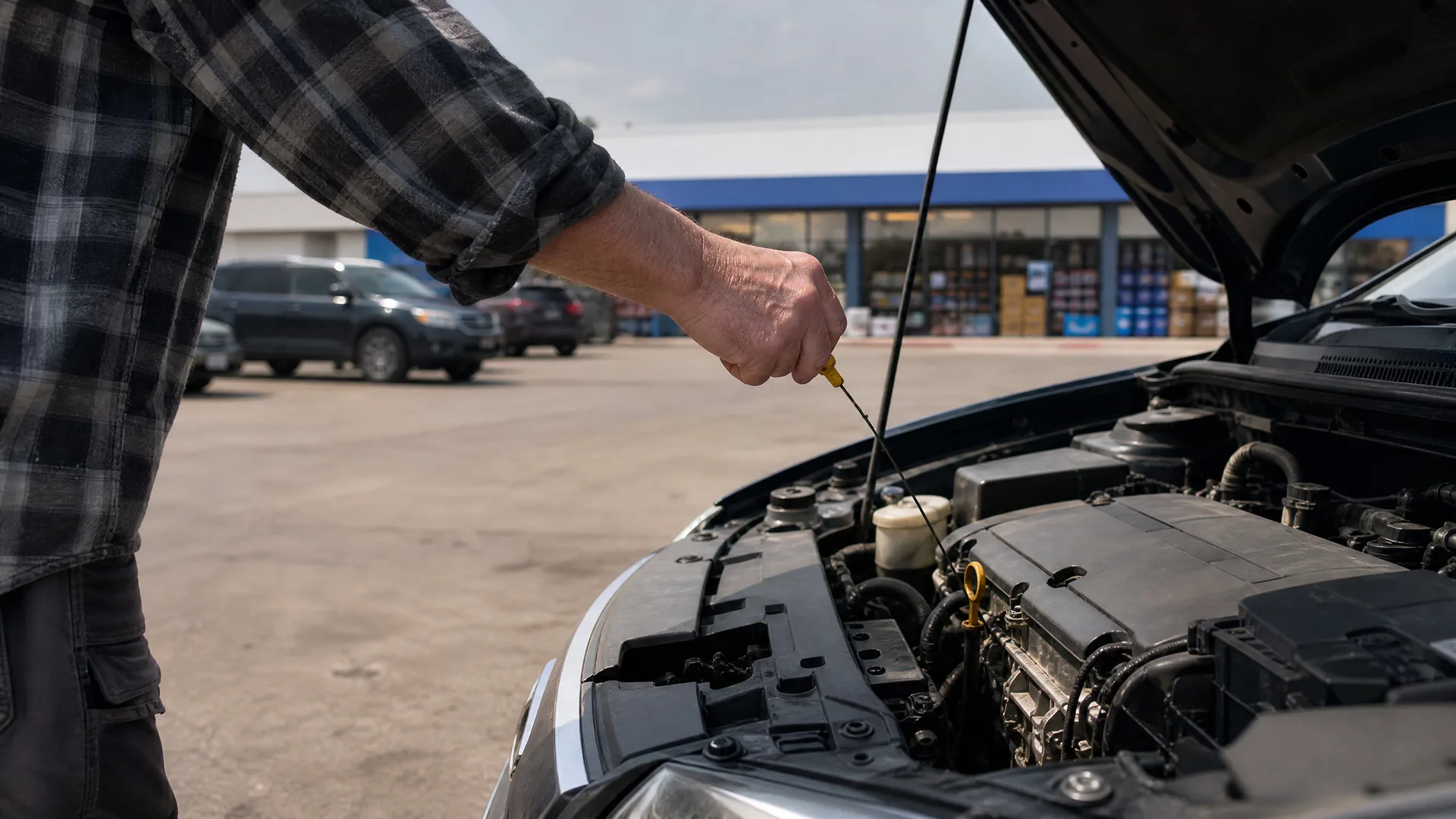
Rodents get into cars looking for food, nesting material, or a warm place to hide, usually when the car sits for a while. Clearing out food wrappers, pet food, and any paper or fabric they could shred for a nest removes most of the draw. Parking in a garage helps, and so does starting the car and checking under the hood regularly if it sits unused.
Some owners also use rodent deterrent tape on wiring or keep the engine bay clear of leaves and debris where mice like to nest. None of this is guaranteed. Rodents are persistent, and a car parked near woods, fields, or a garage with existing mice will need more attention than one parked on a busy street.

Whether the damage is covered depends on your policy
Rodent damage to a car is typically handled under comprehensive coverage, not collision, since it's not the result of an accident. If your policy doesn't include comprehensive, chewed wiring or a nest in the air filter may not be covered at all.
Insurers also look at how the damage happened and sometimes at whether the owner could reasonably have prevented it. A single incident after a car sat in a garage is treated differently than repeated damage with no steps taken to address it.
Check your policy declarations page for comprehensive coverage and ask your insurer directly whether rodent damage is included and what documentation they want if you ever file a claim. This varies by insurer, so don't assume based on what a friend's policy covers.
Keep in mind a comprehensive claim still comes with a deductible, so for minor damage like a chewed cabin air filter, paying out of pocket may cost less than filing.
Where you park matters more than what you drive
A car that sits outside near trees, tall grass, or a cluttered garage is far more exposed than one parked in a clean, enclosed space. Rodents look for shelter from weather and predators, and an engine bay offers both, especially once the engine has cooled and gone quiet.
Cars that sit unused for long stretches are at higher risk than ones driven daily, since the time and quiet let rodents settle in without being disturbed. If you have a second car or a seasonal vehicle, that's the one to check most often.
Moving a car even a short distance, or starting it every so often, can be enough to discourage rodents from settling in. If you store a car for the winter or for travel, ask someone to check on it periodically rather than leaving it completely undisturbed.
Questions people ask about this
What smells keep mice out of a car engine?
Mice tend to avoid strong smells like peppermint oil, but the effect fades quickly and needs to be reapplied often to make a real difference. It works best as one layer of prevention alongside keeping food out and checking the car regularly, not as a standalone fix.
Why do mice chew car wiring specifically?
Mice chew wiring because the insulation is soft enough for their teeth and because gnawing helps keep their teeth from overgrowing. Modern wiring is often coated with soy-based materials, which some rodents find especially attractive, so this isn't unique to older cars.
Does a car alarm or motion sensor deter rodents?
Standard car alarms are built to detect break-ins and vibration, not the small movements of a rodent, so they generally won't trigger from mice in the engine bay. Dedicated rodent deterrent devices exist separately and work through sound or electrical pulses, not the car's existing alarm system.
Can rodent damage affect my car's resale value?
Chewed wiring or evidence of a nest can lower resale value if a buyer or inspector finds it, since it raises questions about what else might be damaged. Getting repairs done and keeping records of the fix can help reassure a buyer that the issue was addressed.
How do I check if mice have already gotten into my car?
Look for droppings, shredded paper or fabric, a chewed air filter, or a persistent odor, especially around the engine bay and under seats. A mechanic can also check during a routine service if you mention you're concerned about rodent activity.
See how comprehensive coverage for rodent damage compares across insurers.
Check your policy declarations page this week to confirm whether you have comprehensive coverage, since that's what would apply to rodent damage. If you're not sure, call your insurer and ask directly what's covered and what they'd need to see if you filed a claim. In the meantime, clear food and nesting material out of the car, and if it sits unused for stretches, make a habit of starting it or checking under the hood every so often. If you park near trees, fields, or a garage with known rodent activity, treat that as reason to check more often, not less.