Animal Collision Coverage
Animal collision coverage pays to repair or replace your car when you hit a deer, livestock, or another animal on the road.
What it pays for
Covers
- Deer and wildlife strikes If you hit a deer, elk, or other wild animal, this covers the damage to your car.
- Livestock on the road A collision with a cow, horse, or other animal that wandered into traffic is covered the same way.
- Swerving damage If you swerve to avoid an animal and hit a tree or guardrail instead, this is usually what pays, since no other vehicle was involved.
- Repair or replacement Depending on how bad the damage is, the payout either fixes the car or pays its value if it's totaled.
- Rental car while it's fixed Some policies include a rental allowance during repairs if you added that option separately.
Doesn't cover
- Hitting another car That's a collision between two vehicles, which falls under your regular collision coverage instead.
- Your own injuries Medical costs from the crash are handled by medical payments coverage or health insurance, not this.
- A pet that jumps in your car Damage your own dog or cat causes inside the vehicle isn't an animal collision claim.
- Mechanical breakdown If your car breaks down for unrelated reasons around the same time, that's not part of this coverage.
- Rodent damage from chewing wires That kind of slow damage is usually treated as a separate comprehensive claim, not a collision event.
Worth keeping if your car still has real value
This coverage only matters if your car is worth enough to make a claim worthwhile. If you're driving an older paid-off car that wouldn't fetch much at trade-in, the payout after a deductible might be small enough that you'd rather handle a fender bender yourself.
Think about how much of a loss you could absorb from savings without much stress. If hitting a deer and paying out of pocket for the repair wouldn't change your month much, you may not need this protection. If it would wipe out your cushion, it's worth having.
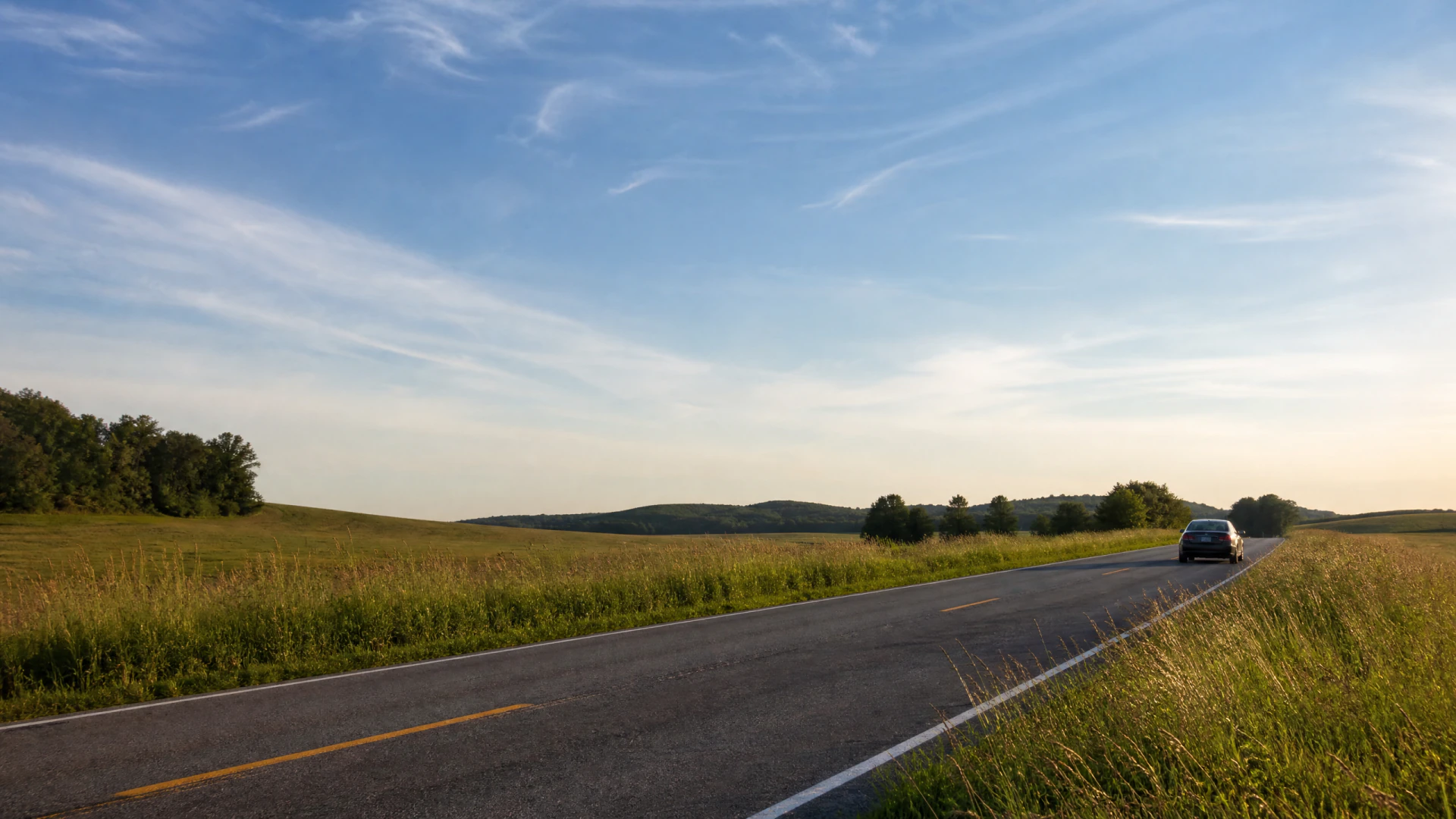
Where you drive matters more than people expect. Rural roads at dawn or dusk, especially near wooded areas or farmland, carry far more animal strikes than city driving. If your regular routes take you through that kind of country, this coverage earns its keep. If you mostly drive in town, less so.
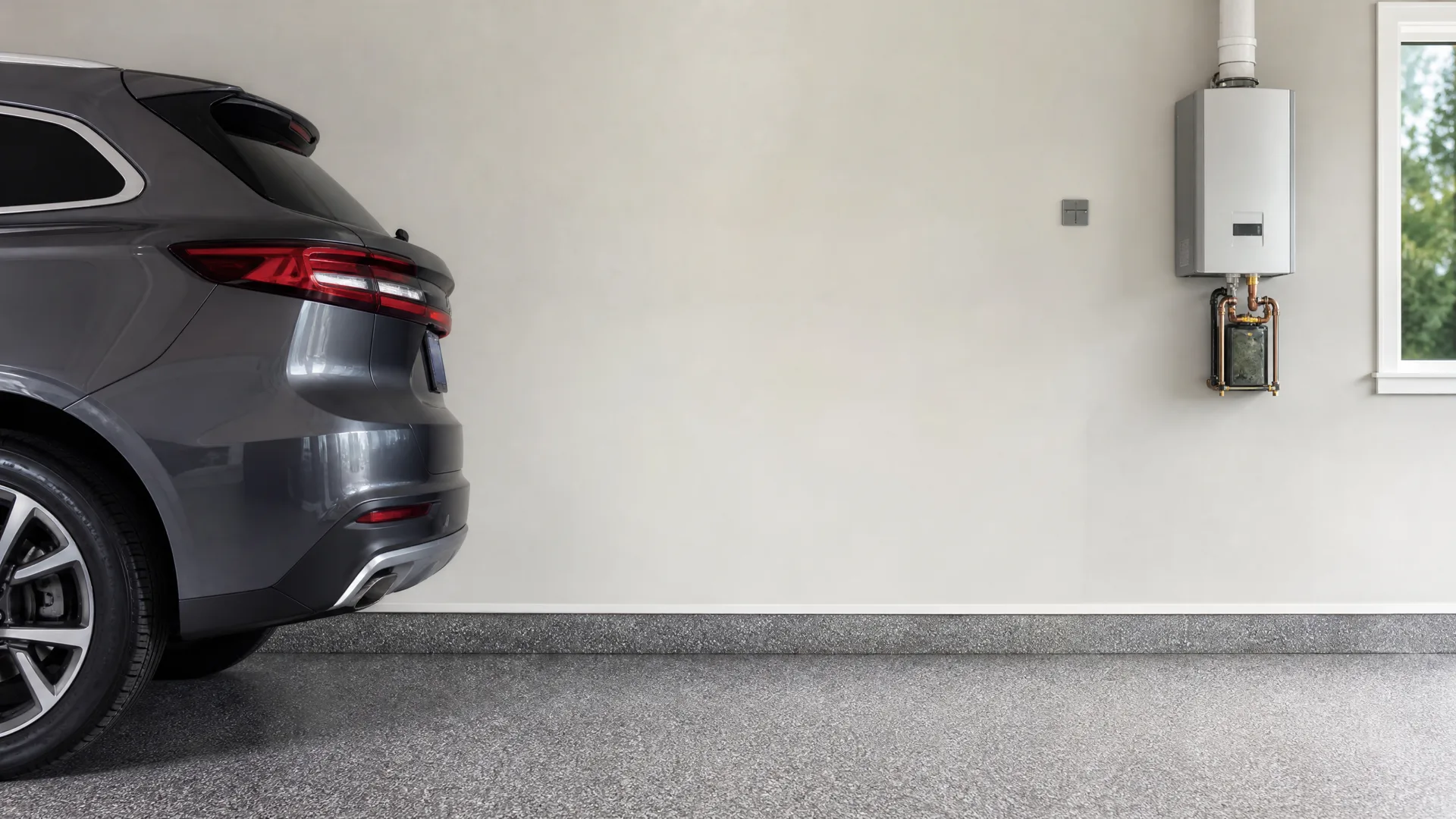
Where the car sits overnight matters too, though less than where you drive. A car that spends most of its life in a garage is less exposed than one parked at the edge of a field, but the real risk is almost always what happens while you're driving, not while you're parked.
How a claim actually goes
Animal collision claims fall under your comprehensive coverage, so they use that deductible, not your collision deductible. You pay that amount first, and the insurer covers the rest of the repair cost up to your car's value.
After the crash, you'll want photos of the damage, the location, and the animal if it's safe to do so, along with any police or wildlife report if one was filed. Insurers often ask for this because animal strikes can look similar to other kinds of damage.
The payout covers repairing or replacing the car itself. It won't cover your medical bills, a rental car unless you added that separately, or anything you were carrying that got damaged in the crash.
If the damage is severe enough that the car is declared a total loss, the insurer pays out its value instead of repairing it, and you'd then be looking at replacing the vehicle entirely.
Comprehensive coverage vs. collision coverage
Comprehensive coverage
This is the broader category that animal collisions actually fall under, along with weather damage, theft, and vandalism. It's not a separate add-on in most cases, just a specific situation that comprehensive already handles.
Collision coverage
Collision coverage pays for damage from hitting another vehicle or object, like a guardrail or a parked car, when you're at fault. It uses a separate deductible and works independently from comprehensive.
If you're trying to decide which to keep, remember that dropping comprehensive also means dropping protection against animal strikes, so weigh them together rather than one at a time.
Real situations
You're driving a county road at dusk and a deer runs out in front of you. You hit it directly and the front end of your car is damaged.
This pays, since a direct animal strike is exactly what this coverage is for.
A hailstorm hits while your car is parked outside church and dents the hood and roof.
This doesn't pay for hail, since that falls under comprehensive's weather protection, not an animal collision.
You swerve to miss a raccoon crossing the road and end up hitting a mailbox instead.
This pays, because the animal caused the chain of events even though you didn't strike it directly.
Once you know whether this coverage fits how and where you drive, you can compare quotes with that decision already settled.
Questions people ask about this
Does hitting a deer raise my insurance rate?
It can, but usually less than an at-fault accident would. Comprehensive claims, including animal strikes, are generally treated as less risky than collisions you caused. Check with your agent about how your specific insurer handles it, since this varies by company and state.
What if the animal runs off after I hit it?
You can still file a claim even without the animal present. Photos of your car's damage and the location are usually enough, though a police report can help support the claim if one is available.
Do I need a police report for a deer accident?
Not always, but it's a good idea, especially if the damage is significant. Some states or insurers expect a report for larger claims, so check your policy or ask your agent what's required where you live.
Is hitting a cow or horse treated differently than hitting a deer?
No, livestock strikes are handled the same way as wildlife strikes under this coverage. The animal's owner may also bear some responsibility depending on local law, which is worth asking about if you know whose animal it was.
Can I get this coverage without full comprehensive?
Generally no, since animal collision protection is part of comprehensive coverage rather than a standalone option. If you want this protection, you'll need comprehensive coverage on the policy, not just collision.