Comprehensive Coverage for Rodent Damage
Comprehensive coverage is the part of your policy that pays to repair damage rodents cause when they chew wiring, hoses, or insulation inside your car.
What this coverage actually pays for
Covers
- Chewed wiring If mice or rats gnaw through electrical wiring and the car won't start or runs wrong, repair costs are covered.
- Damaged hoses and belts Rodents often chew rubber hoses and belts under the hood, and replacing them is covered the same way.
- Nesting damage Mice building nests in air filters, vents, or under the hood can cause damage that's covered along with cleanup.
- Insulation and upholstery If rodents tear into cabin insulation or seat padding, that repair is included as part of the same claim.
- Resulting mechanical failure When chewed wiring causes a bigger mechanical problem, like a fire or a failed sensor, that downstream damage is covered too.
Doesn't cover
- Routine wear from age If a hose or wire fails from old age rather than rodent damage, that's a mechanical issue your policy doesn't pay for.
- Preventive pest control Traps, repellents, or sealing up your garage against mice are your own expense, not a claim.
- Damage you can't document If there's no clear sign of rodent activity, like droppings or chew marks, the claim can be denied for lack of evidence.
- Diminished value Even after a good repair, any drop in what your car is worth on paper isn't something this coverage reimburses.
- Damage from neglect If a known rodent problem goes unaddressed for a long time, that pattern can affect how a claim is handled.
For most older drivers with a car worth keeping, this coverage is worth having
The real question isn't your age, it's what your car is worth and whether a bill for wiring repair would hurt. If your car is paid off and worth a meaningful amount, comprehensive coverage protects that value cheaply compared to paying for repairs yourself. Rodent damage is often expensive to diagnose because wiring problems can be hard to trace, even when the repair itself is small.
If you could easily cover a repair like this from savings, and your car is older or worth very little, you may be paying more in premium over the years than you'd ever recover from a claim. That math is worth doing honestly rather than just keeping coverage out of habit.
Where you park matters more than most people think. A car that sits in a garage all winter, especially one that's driven rarely, is a prime target for mice looking for warmth and quiet. If your car sits for long stretches, whether in a garage, a barn, or a driveway near fields or woods, your risk is higher than someone who drives daily and keeps the engine warm.
How much you drive factors in too. A car driven often and checked regularly tends to have problems caught early, before chewed wiring turns into a bigger failure. A car that sits unused for weeks at a time gives rodents far more opportunity to settle in undisturbed.

How a rodent damage claim actually goes
You'll pay your deductible first, and the coverage pays the rest of the covered repair cost. Because rodent damage is comprehensive coverage, the deductible that applies is the same one that applies to glass, weather, or theft claims on your policy, not a separate one.
When you notice signs of rodent damage, like a warning light, a smell, or visible chew marks, get the car to a shop and ask them to document what they find before anything is cleaned up or repaired. Photos of the damage, droppings, or nesting material help support the claim and speed up approval.
The payment covers the cost to repair or replace the damaged parts, using comparable parts, minus your deductible. It won't cover a rental car unless you've added that separately, and it won't cover the cost of pest control to prevent the problem from happening again.
Have your vehicle's service history handy if you have it, since a shop with records of regular upkeep can help establish that the damage is new and sudden rather than a long-ignored problem.

Comprehensive coverage versus collision coverage
Comprehensive coverage
This pays for damage from causes other than a crash with another vehicle, including rodents, hail, falling branches, fire, and theft. It's the coverage that applies to this kind of damage.
Collision coverage
This pays for damage from hitting another car or object, like a guardrail or a tree, regardless of who caused it. It has nothing to do with rodents or weather.
If you're deciding whether to keep coverage for rodent damage specifically, comprehensive is the one that matters, not collision.
Real situations
You park your car in a detached garage over the winter and don't drive it for several weeks. When you start it in spring, the check engine light comes on and a shop finds chewed wiring near the battery.
This pays, since rodent damage to wiring is a covered comprehensive claim once it's documented.
Your car has been making a rattling noise for months and you finally take it in, where the shop finds an old mouse nest in the air filter housing that's been there a long time.
This may still pay, but a long-delayed repair can raise questions, so get it looked at as soon as you notice a problem.
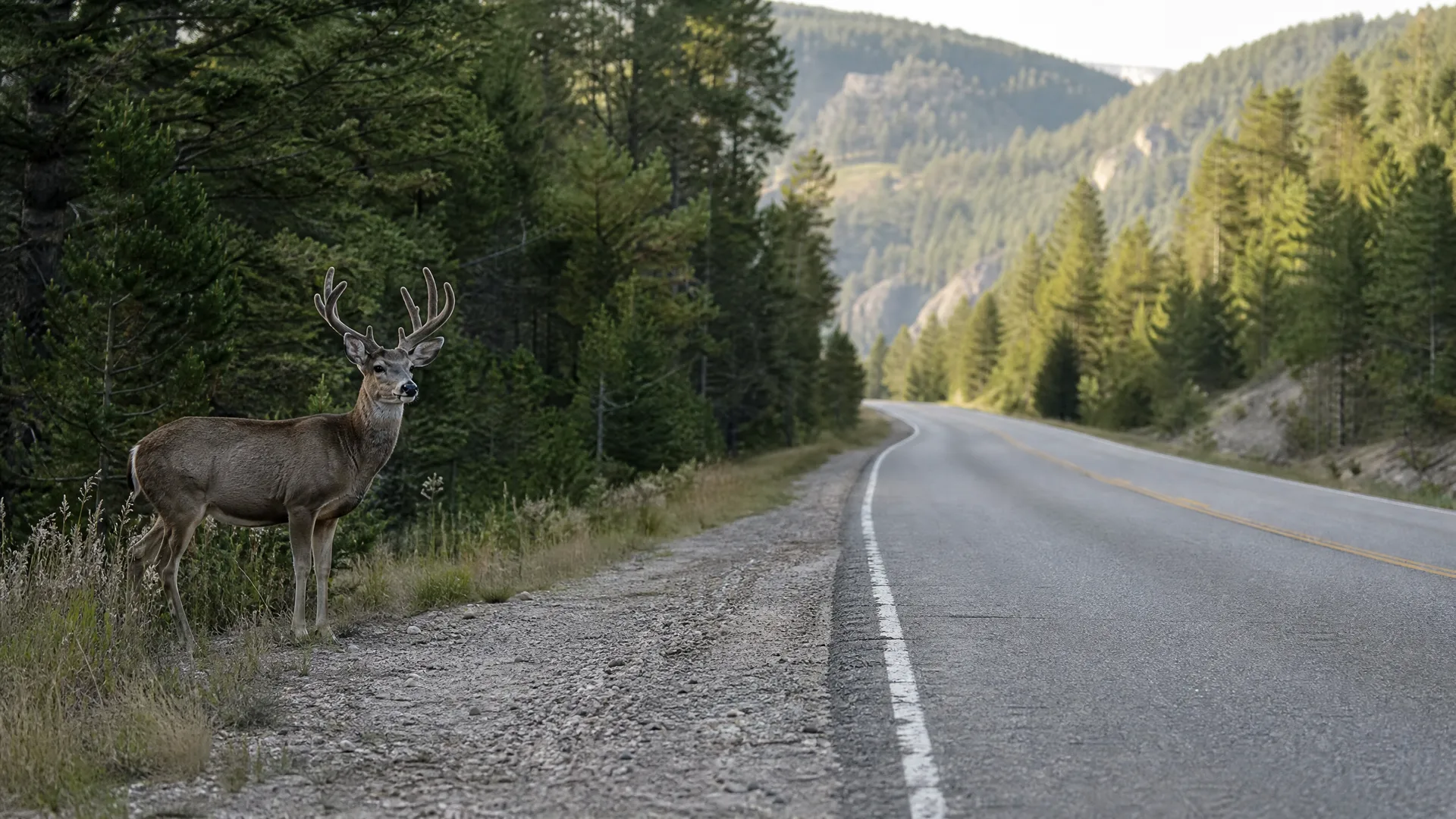
You hit a deer at dusk on a county road and the front end of your car is damaged.
This doesn't pay for that, since hitting an animal with your car is treated as its own type of claim, separate from rodent damage inside the vehicle.
Once you know whether rodent damage coverage makes sense for your car and how you use it, you can compare quotes with that decision already settled.
Questions people ask about this
How do I know if rodents are damaging my car?
Common signs are a sudden check engine light, a burning smell, droppings under the hood, or visible chew marks on wires and hoses. If you notice any of these, it's worth having a shop inspect the car before driving it much further. Catching it early usually means a smaller, cheaper repair.
Does a higher deductible make sense for an older car?
It can, if the car's value is modest and you could cover a moderate repair yourself. Raising your deductible lowers what you pay for coverage, but it also means you carry more of any claim. It's worth weighing against how much the car is actually worth today.
Can I prevent rodents from getting into my car?
Yes, to some degree, though no method is foolproof. Sealing gaps in a garage, using rodent repellent near the engine bay, and driving the car regularly all reduce the risk. None of this is covered by insurance, but it can reduce how often you'd ever need to file a claim.
Will filing a rodent damage claim raise my rate?
It can, depending on your claims history and how your policy is set up, since any claim can affect pricing at renewal. It varies by state and by insurer, so it's worth asking your agent directly how a claim like this would affect your specific policy.
Is rodent damage common enough to worry about?
It's more common in certain conditions than people expect, especially for cars that sit for long periods in garages, barns, or near fields. If your car is driven daily and kept in a clean, sealed space, your risk is lower. If it sits unused for stretches, it's worth paying attention to.