Hail Damage Coverage for Seniors in Wyoming
Hail damage coverage is part of comprehensive insurance, and it pays to repair or replace your car when hail dents, cracks, or breaks it, no matter who's at fault.
What this coverage actually pays for
Covers
- Dented body panels Hail that pounds your hood, roof, or doors is covered as cosmetic and structural damage, even if the car still runs fine.
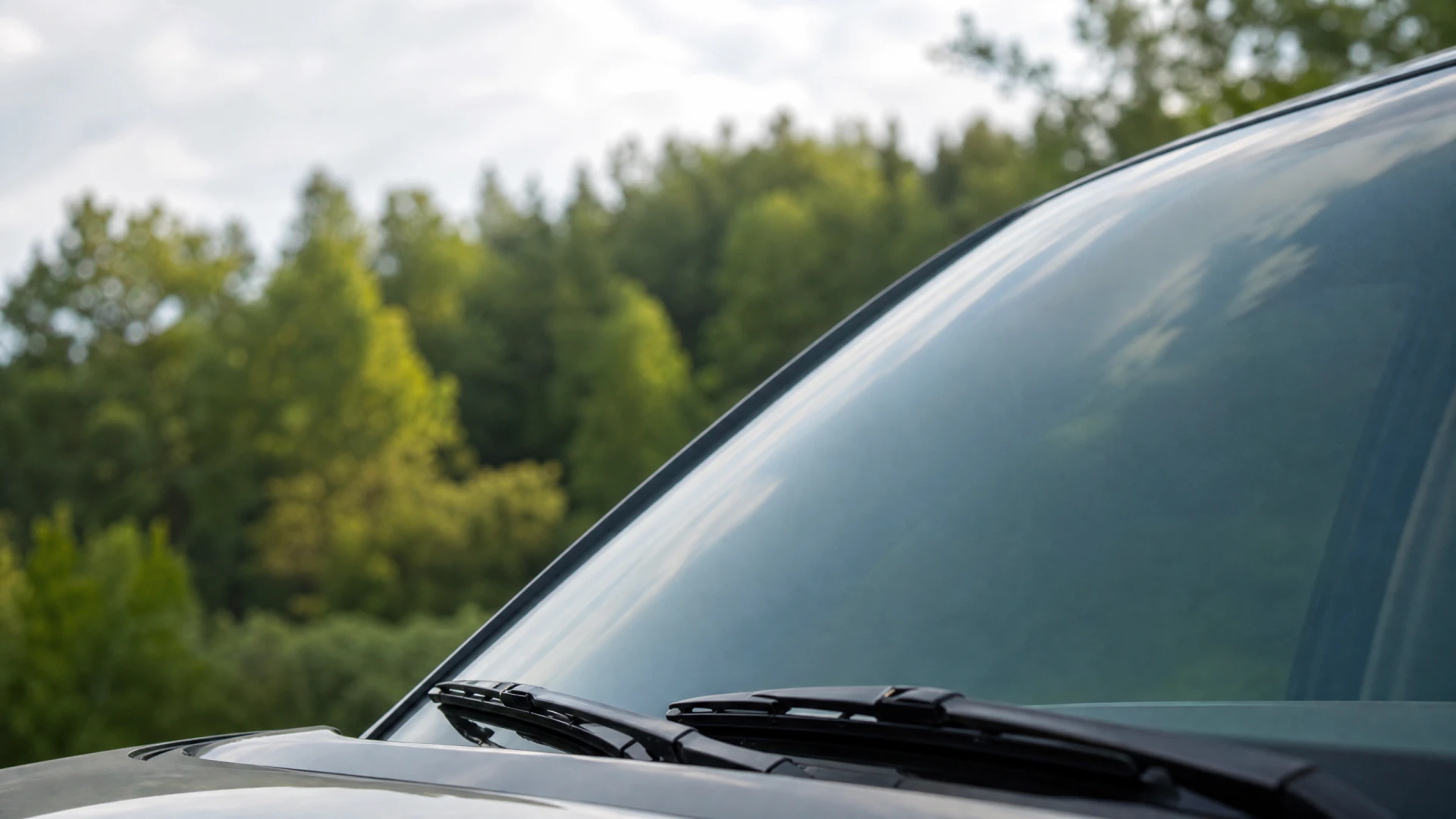
- Cracked or shattered glass A windshield or window broken by hail is paid out under this same coverage, not a separate glass policy.
- Paint damage from impact Chipped or scarred paint from hailstones counts as covered damage, not normal wear.
- Total loss from a bad storm If the hail is severe enough that repair costs more than the car is worth, the coverage pays out the car's value instead.
- A rental car while yours is in the shop If you added rental reimbursement to your policy, it kicks in while hail repairs are being made.
Doesn't cover
- Damage from driving in the storm If you hit something or lose control while driving through hail, that's a collision claim, not a hail claim.
- Interior damage from a broken window Rain or wind damage to your seats or dashboard after hail breaks a window may need a separate look, since some policies limit this.
- Mechanical problems that show up later A fan or sensor that fails weeks after a storm isn't covered unless the damage can be tied directly to the hail.
- Damage to a garage or carport Hail damage to the structure where your car was parked is a homeowners claim, not an auto one.
- Diminished resale value Even after a full repair, some owners feel the car is worth less on paper, but most policies don't pay for that difference.
For most older drivers, this coverage is worth keeping
If your car is paid off and worth a meaningful amount, this coverage protects something you'd otherwise have to replace out of pocket. Wyoming sees serious hail, and a bad storm can total a windshield, a roof, and a hood in one afternoon.
The math changes if the car is older and worth very little. At that point you're paying a premium every year to protect a value that keeps shrinking, and dropping this coverage might make more sense than keeping it out of habit.
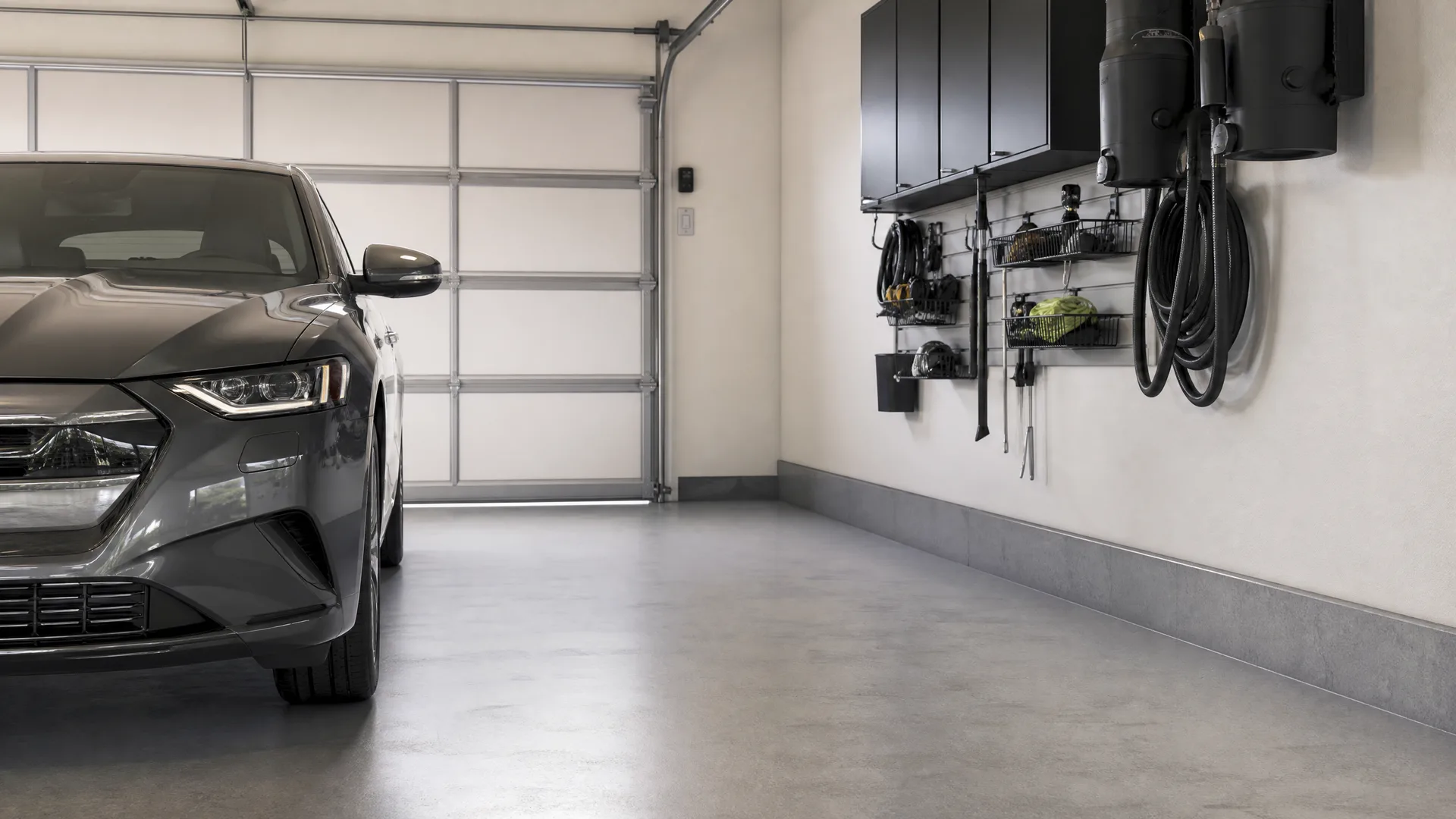
How much you drive matters less here than where the car sits. A car that spends most nights under a carport or in a garage is less exposed than one parked on the street or in an open lot, and that can shift the decision either way.
If you could comfortably cover a full repair from savings without it changing your month, that's a real reason to consider dropping it. If a surprise repair bill would strain things, keeping this coverage is the safer call.
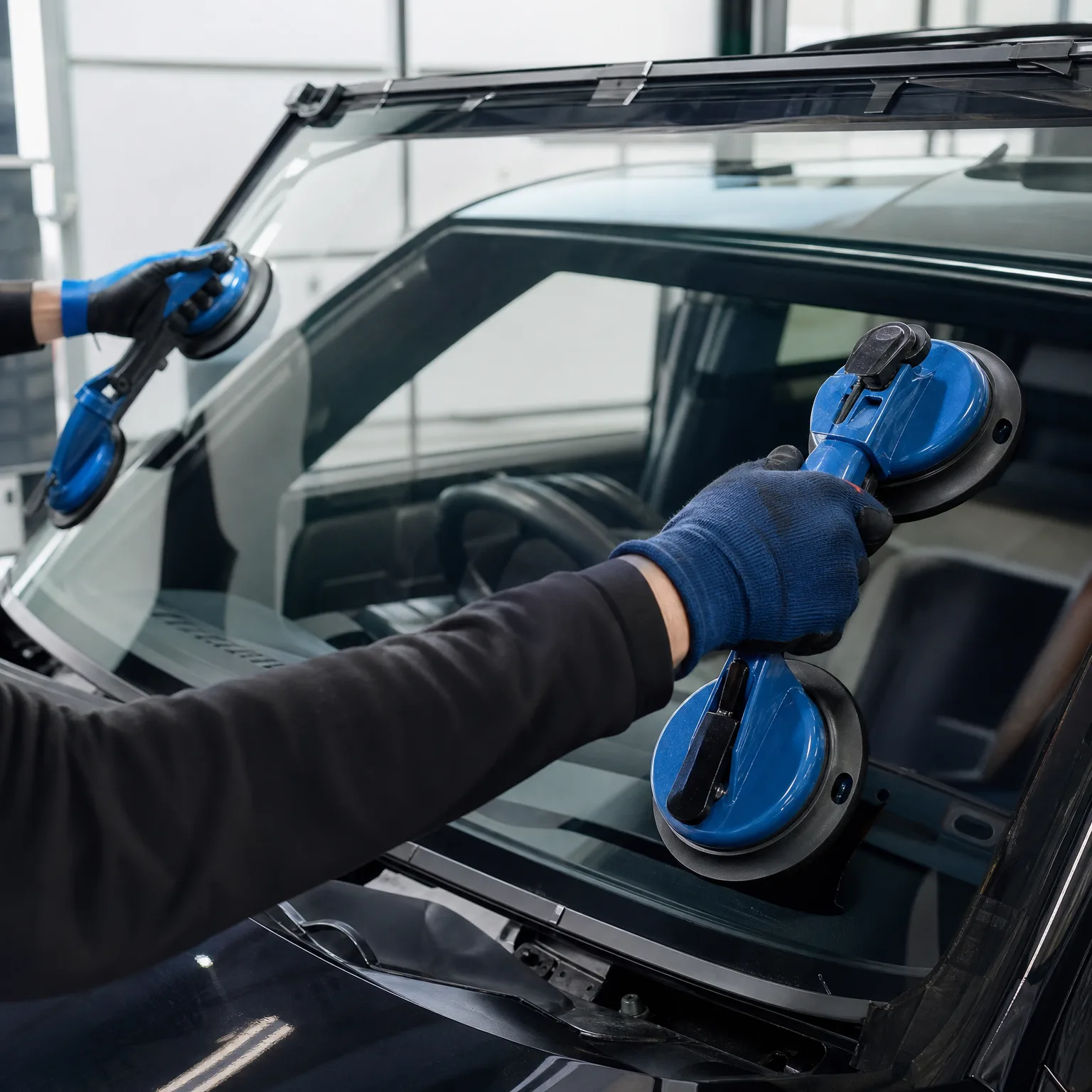
What happens when you file a hail claim
You pay your deductible first, and the coverage pays the rest of the repair or replacement cost up to your car's value. Deductibles for this kind of claim are often separate from the one you have for collision, so it helps to check which one applies before you call.
Most claims start with photos of the damage and an estimate from a body shop, sometimes one the insurer sends you to and sometimes one you choose yourself. Hail claims are common enough after a bad storm that adjusters often move through them quickly, especially if the damage is clearly weather related.
Have your policy number, the date of the storm, and photos of the damage ready when you call. If the car is still drivable, you can usually keep using it while the claim is processed, though a cracked windshield is worth getting looked at sooner rather than later.
Hail damage coverage vs. collision coverage
Hail damage coverage (comprehensive)
This pays for damage from weather and other events outside your control, including hail, falling branches, and animals. You don't have to be driving, and fault never comes into it.
Collision coverage
This pays for damage from an accident, whether you hit another car, a guardrail, or something in the road. It applies whether or not the weather was a factor, as long as the car was in motion.
If your main worry is storms while the car is parked, lean toward comprehensive; if you're more worried about accidents on the road, collision matters more.
Real situations
You park at church on a Sunday morning and a sudden hailstorm rolls through, leaving dents across the hood and a cracked rear window.
This pays, since the car was parked and the damage came entirely from the storm.
You're driving home on a county road at dusk and a deer steps out, and you swerve and clip a fence post trying to avoid it.
This doesn't pay, since that damage falls under collision coverage instead.
Hail damages your windshield badly enough that you can't see clearly to drive, and you need it replaced before your next trip.
This pays, and glass damage from hail is one of the most common claims filed under this coverage.
Once you know whether you want to keep, add, or drop this coverage, you're ready to compare quotes with that decision already made.
Questions people ask about this
Does hail damage raise my insurance rates?
It can, though it depends on your insurer's rules and how many claims you've filed recently. Some insurers treat weather claims differently from at-fault accidents since you had no control over the storm. It's worth asking your agent directly how your policy handles it.
What do I do if I find hail damage days after the storm?
File the claim as soon as you notice it, even if time has passed. You'll want to note the date of the storm as best you can and take clear photos of the damage. A delay can make the claim take longer to process, but it doesn't mean it won't be covered.
Can I choose my own body shop for hail repair?
Yes, in most cases you can pick the shop you trust rather than one the insurer suggests. Some insurers have preferred shops that offer faster turnaround or guaranteed work, but you're not required to use them. Check your policy or ask your agent to confirm your options.
Is paintless dent repair covered under this coverage?
Yes, paintless dent repair is a common and accepted method for fixing hail dents. It's often faster and less expensive than traditional bodywork, and most insurers accept it when the paint itself isn't damaged. Ask the shop if your car qualifies for this method before repairs begin.
Should I file a claim for minor hail dents or pay out of pocket?
That depends on how much the repair costs compared to your deductible and how claims affect your rate over time. For very minor cosmetic dents, some drivers choose to skip the claim entirely. It's worth getting an estimate first so you're deciding with real numbers in front of you.