Hail Damage Coverage for Seniors in Nebraska
Hail damage coverage pays to repair your car when hail dents or cracks it, and it falls under the comprehensive part of your policy.
What it actually pays for
Covers
- Body dents from hail Repair or repainting for the dings hail leaves across the hood, roof and trunk.
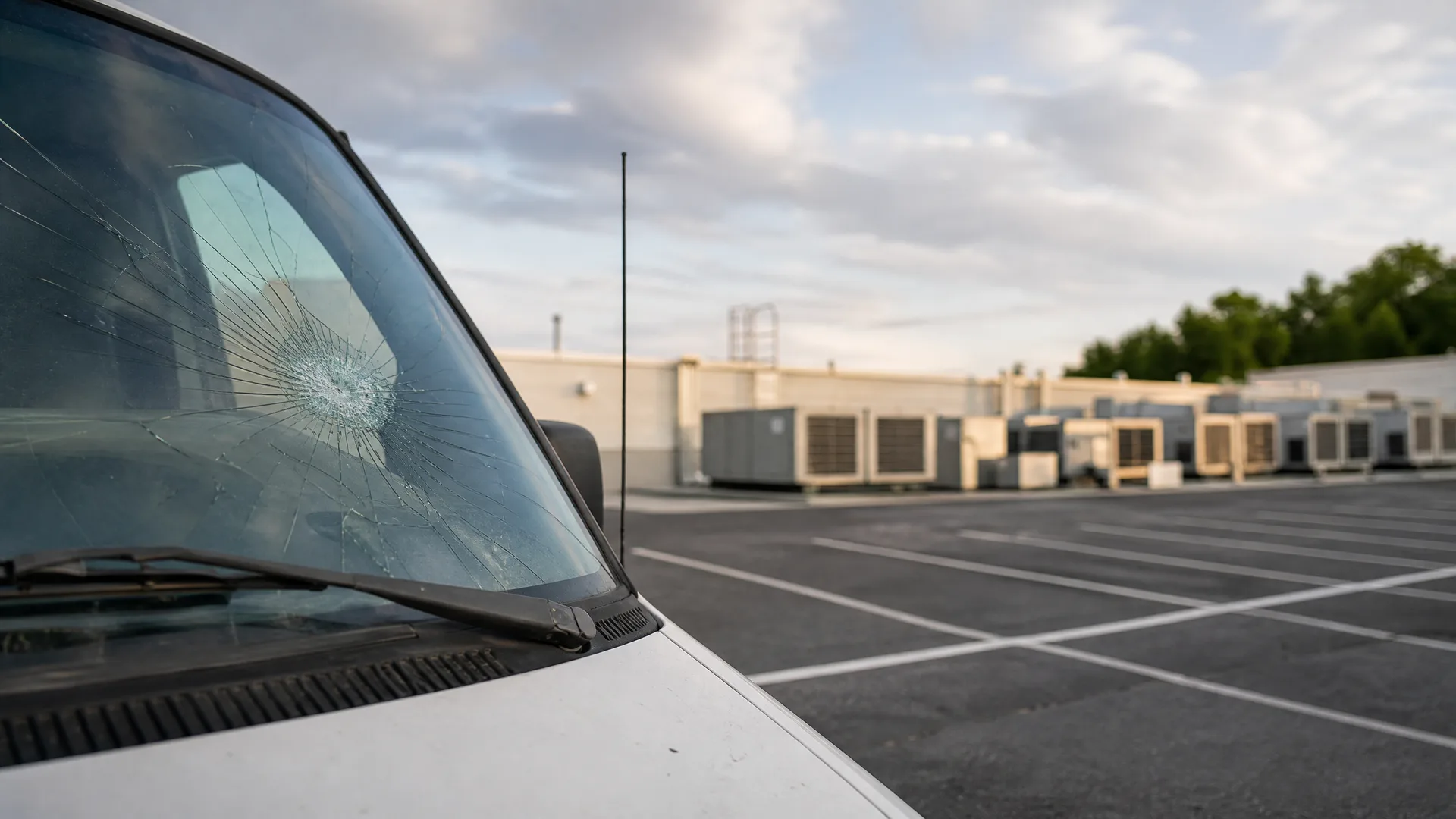
- Cracked windshield or windows Glass broken by hail is covered the same way other comprehensive glass damage is.
- Total loss from hail If the damage costs more to fix than the car is worth, the policy pays out its value instead.
- A rental while it's fixed Many policies include this if you added rental coverage, otherwise it's a separate line.
- Paint and trim damage Hail that chips paint or cracks plastic trim pieces is treated the same as body damage.
Doesn't cover
- Damage from driving in a storm A wreck caused while driving through hail falls under collision coverage, not this one.
- Interior water damage If hail breaks a window and rain gets in afterward, that follow-on damage is usually still handled as part of the same claim, but ongoing leaks from a window you didn't fix are not.
- Mechanical problems unrelated to the storm A battery or belt that fails the same week is a coincidence, not hail damage, and isn't paid under this coverage.
- Damage to things left in the car Personal belongings damaged by hail getting into the car aren't covered here, and often aren't covered by car insurance at all.
- A rental car you were driving Hail damage to a rental is usually handled through the rental company or your own coverage on that specific trip, not this line.

It's worth keeping if your car still has real value, and skippable if it doesn't
The math on this one comes down to what your car is worth. If you're driving something older that's paid off and worth modestly, a repair bill from hail may run close to or past what the car is worth, which makes the coverage less useful since the payout is capped there too. If the car is newer or worth a decent amount, this coverage is one of the more worthwhile ones to keep, since hail can total a car in one afternoon without anyone doing anything wrong. Where you park matters too. A car that sits outside every night in open weather is a different risk than one that lives in a garage, and if you've gone years without a claim because of where you keep it, that's worth factoring in. Also think about whether you could cover a repair bill yourself without much strain. If a few thousand dollars in bodywork wouldn't bother you, dropping this coverage and banking the difference is a reasonable call. If it would, keeping it is the safer one.

How a hail claim actually goes
You file the claim and pay your deductible first, the same way you would for any comprehensive claim. An adjuster or a body shop estimator looks over the car, usually within a short window, and writes up what hail storms typically leave behind, dents, cracked glass, chipped paint. Hailstorms often prompt a wave of claims in the same area at once, so shops may be backed up and it can take a bit longer to get scheduled. Have your policy number, the date of the storm and some photos of the damage ready before you call, and don't have the car repaired before it's been looked at, since that can complicate the claim. The payment covers the repair or the car's value if it's totaled, minus your deductible, and it does not cover a rental unless you added that separately.
Hail coverage versus collision coverage
Comprehensive coverage
This is the broader coverage hail damage falls under. It also covers things like a deer strike, a fallen tree branch, theft or vandalism, anything that happens to the car that isn't a collision with another vehicle.
Collision coverage
This pays for damage from an actual crash, whether you hit another car, a fence post, or a patch of ice sends you into a ditch. It doesn't care whose fault it was, only that a collision happened.
If you're deciding whether to carry coverage at all, think about both together, since most people who want one also want the other, and dropping just one over the other rarely makes sense.
Real situations
You park at church on a Sunday morning and a sudden hailstorm rolls through while you're inside, leaving dents across the hood and roof.
This pays, since the car was parked and the damage came straight from the storm.
You're driving home on a county road at dusk when a deer steps out and you can't stop in time.
This doesn't pay for that, a deer strike falls under comprehensive coverage generally, but the collision itself isn't what hail coverage is for.
A hailstorm hits while you're driving, and you lose control on the slick road and sideswipe a guardrail.
The guardrail damage falls under collision coverage, while any hail dents from the same storm are handled separately under comprehensive.
Once you know whether you want this coverage and at what level, you're ready to compare quotes that match it.
Questions people ask about this
Does hail coverage cover a cracked windshield from something other than hail?
Yes, cracked glass is covered under the same comprehensive coverage regardless of what caused it, a rock, a branch, or hail. Check your policy for whether glass has its own separate deductible, since many do. That can make a glass-only claim cheaper to file than a full hail claim.
Will filing a hail claim raise my rates?
It can, though weather-related claims are often treated more gently than at-fault ones since they're not your doing. Every company weighs this differently, and a single claim after years of none is usually treated differently than a pattern of claims. Ask your agent directly how your policy handles weather claims before you decide to file.
How long do I have to file a hail damage claim?
This varies by policy and by state, so check your own paperwork or ask your agent for the specific window. In general it's wise to file as soon as you notice the damage, since waiting can raise questions about when and how it happened. Take photos right away even if you're not ready to file yet.
Can I get an independent estimate before filing a claim?
Yes, you can take your car to a body shop of your choice for an estimate before or instead of using the insurer's adjuster. Having your own number can help if you think the insurer's estimate runs low. It's reasonable to get a second opinion on something this specific to your car.
Does it matter if my car has existing dents or rust?
Yes, adjusters will typically separate pre-existing damage from new hail damage when writing up an estimate. It helps to have photos from before the storm if you have them, especially on an older car. Without that, the adjuster makes a judgment call based on what the damage looks like.