Hail Damage Coverage for Seniors in Iowa
Hail damage coverage is part of comprehensive coverage, and it pays to repair or replace your car when hail dents or cracks it.
What it pays for
Covers
- Body panel damage Dents across the hood, roof and trunk from a hailstorm are covered under comprehensive.
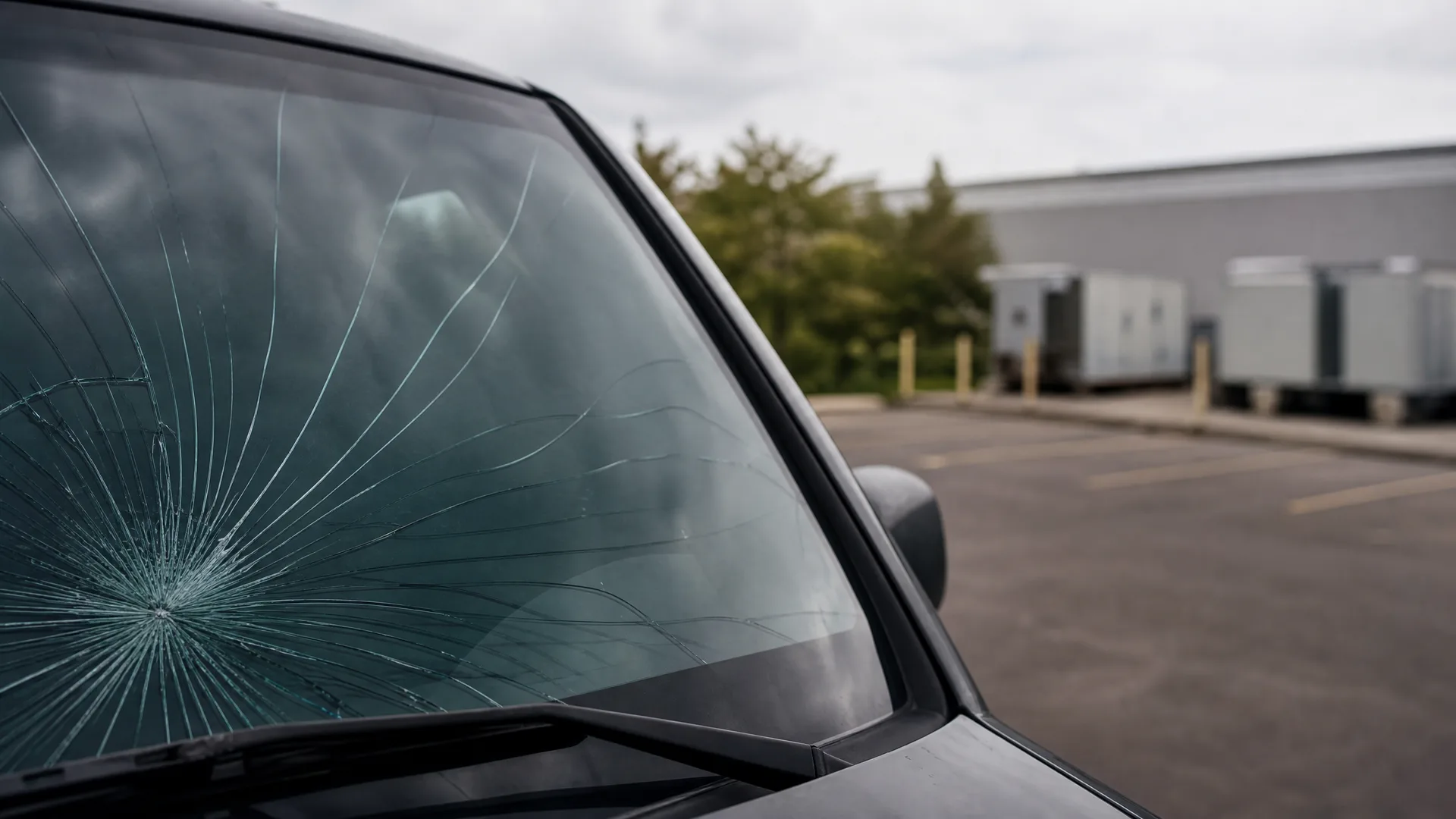
- Windshield and window damage Cracked or shattered glass from hail is covered, sometimes with its own separate handling on your policy.
- Paint damage If hail chips or cracks the paint along with denting the metal, that repair is included.
- Total loss payout If hail damage costs more to fix than the car is worth, the policy pays out the car's value instead.
- Rental car costs If you carry rental reimbursement too, it covers a car to drive while yours is in the shop.
Doesn't cover
- Damage from a collision Hitting something while swerving to avoid a storm falls under collision coverage, not this one.
- Mechanical problems If hail cracks a window and rain gets into the electronics, the resulting mechanical failure may need separate review, not automatic coverage.
- Cosmetic items you choose not to fix The policy pays based on the damage estimate whether or not you actually get the repair done, but it won't pay extra if you upgrade materials or add work beyond the hail damage.
- Cracked windshield from a rock, not hail That's still comprehensive coverage, just a different cause, so it's not denied, but it's worth knowing hail isn't the only thing filed under this coverage.
- Damage to a garage or carport Hail damage to your property other than the car falls under homeowners coverage instead.
For most older drivers, this is worth keeping if the car still has real value
The math starts with what the car is worth. If you're driving a car that's older and mostly paid off, a hailstorm might cost more to fix than the car would sell for, and the insurer may total it rather than repair it. That's not a bad outcome if you're ready to replace the car anyway, but it matters to know that's how it would play out.
If you could cover a full repair out of savings without much strain, dropping this coverage and self-insuring is a real option, especially on an older car. If a surprise repair would be a real hardship, keeping the coverage is the steadier choice, even if the car isn't worth much.
Where the car spends its time matters too. A car that sits outside every night in a region that gets hail is a different risk than one that's garaged most of the year. If you've got covered parking at home, your exposure is already lower than it looks.
How much you still drive factors in less than people expect, since hail damage happens whether the car is parked or moving. It's really about where the car sits and what it's worth, more than how many miles you put on it.
How a hail claim actually goes
You'll have a deductible that applies to comprehensive claims, and that amount is set on your policy, so check it before a storm rather than after. After a hailstorm, you report the damage, and the insurer sends an adjuster or asks for photos to estimate the repair cost across every panel that's dented.
The payout covers the estimated repair cost minus your deductible, paid either to you or directly to a repair shop. If the estimate comes in higher than the car's value, the insurer will usually offer to total the car instead of repairing it, paying you the car's value minus the deductible.
Have your policy number, the date of the storm and photos of the damage ready when you call. If other cars in your area were hit the same night, insurers often already know a storm came through, which can make the claim move faster.
It's worth getting your own repair estimate too, especially on an older car, since you can compare it against the insurer's number before agreeing to a settlement.
Hail damage coverage compared to collision coverage
Comprehensive coverage
This pays for damage from things that happen to the car rather than things the car runs into, hail, fire, falling branches, animals. It's the category hail damage falls under.
Collision coverage
This pays for damage from hitting another car or object, including if you swerve off the road during a storm and hit something. It's a separate coverage with its own deductible.
If you're deciding between the two, you likely need both together, since they cover different causes of damage rather than competing with each other.
Real situations
You come out of church after a service and find your car covered in dents from a hailstorm that hit while you were inside.
This pays, since hail damage to a parked car is exactly what comprehensive coverage is for.
You're driving home at dusk on a county road and a deer runs into the side of your car.
This doesn't pay for that, since hitting an animal falls under comprehensive coverage too, but it's a different cause than hail even though it's the same category.
A hailstorm hits while you're driving, and you swerve onto the shoulder and clip a mailbox trying to get under an overpass.
The hail dents are covered here, but the mailbox collision would fall under collision coverage instead.

Once you know whether you want to keep, add or drop hail coverage, you can compare quotes with that already decided.
Questions people ask about this
Does hail damage raise my insurance rate?
It can, though it depends on your insurer and how many comprehensive claims you've filed. Comprehensive claims are generally weighted differently than at-fault accidents, since hail isn't something you caused. Check with your agent about how your specific policy treats weather claims.
What if I don't fix the hail damage right away?
You can usually wait, but check how long your policy allows between the storm and filing a claim. Cosmetic damage that sits too long can sometimes raise questions during a claim about whether it happened in the storm you're reporting. It's simplest to document the damage with photos soon after the storm even if the repair waits.
Can I choose any body shop for hail repair?
Yes, you're generally free to pick your own shop rather than one the insurer suggests. Some insurers have preferred shops that streamline the paperwork, but using your own shouldn't affect whether the claim is paid. Ask your insurer if using an outside shop changes how payment is handled.
Does a hail claim count against me like an accident would?
No, comprehensive claims like hail aren't treated as at-fault accidents since you didn't cause them. They're recorded on your claims history, though, and some insurers look at total claims frequency rather than fault alone. Ask your agent how your policy weighs weather claims against your record.
Should I get paintless dent repair for hail damage?
It's often a good option for hail dents, since it fixes the metal without repainting and can cost less. Not every dent qualifies, especially if the paint cracked or the panel is more deeply dented. Ask your shop and your insurer whether it applies to your specific damage before committing to it.