Hail Damage Coverage for Seniors in South Dakota
Hail damage coverage is part of comprehensive coverage, and it pays to repair or replace your car when hail dents, cracks or breaks it.
What this coverage pays for
Covers
- Body dents from hail Payment covers the cost to repair or replace panels dented during a storm.
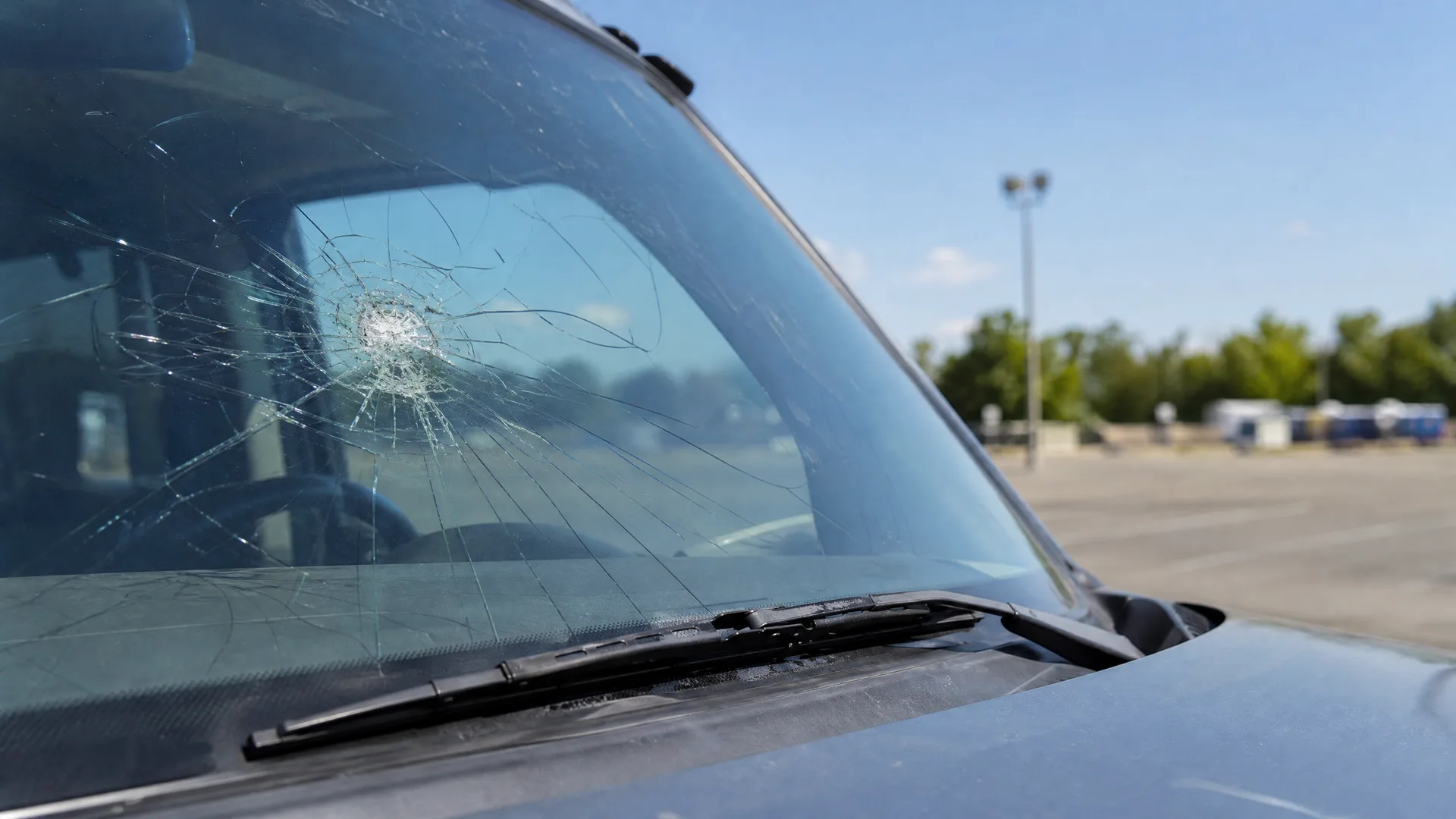
- Cracked or shattered glass A windshield or window broken by hail is covered under this same coverage.
- Paint damage If hail chips or damages the paint, refinishing the affected panels is included.
- Total loss from hail If the damage costs more to fix than the car is worth, the payment is based on the car's value instead.
- Rental car while it's repaired Many policies include this as a separate add-on, so check whether yours does.
Doesn't cover
- Damage from a collision Hitting another vehicle or an object is handled under collision coverage, not this one.
- Mechanical problems If hail doesn't cause the damage, this coverage has nothing to do with it, even if the timing lines up.
- Personal belongings in the car Items inside the car, like a phone or groceries, aren't covered here even if hail breaks a window to get at the car.
- Damage you don't report If you wait too long to file after a storm, the insurer may question whether the damage happened then or some other time.
- Cosmetic issues unrelated to the storm Existing dents or old wear won't be paid for just because you're filing a hail claim.
For most older drivers who own their car outright, it's worth keeping
The real question isn't your age, it's what the car is worth and what you'd do if it got badly dented in one storm. A newer car or one you still owe money on almost always needs this coverage, because a lender usually requires it and because the repair cost would be real money you'd rather not pay yourself.
If you own an older car outright and it's worth only a little, the math changes. A full hail repair on a car with low value might cost close to what the car is worth, which means the payment could be small after the deductible. In that case paying for the coverage every year may not make sense.
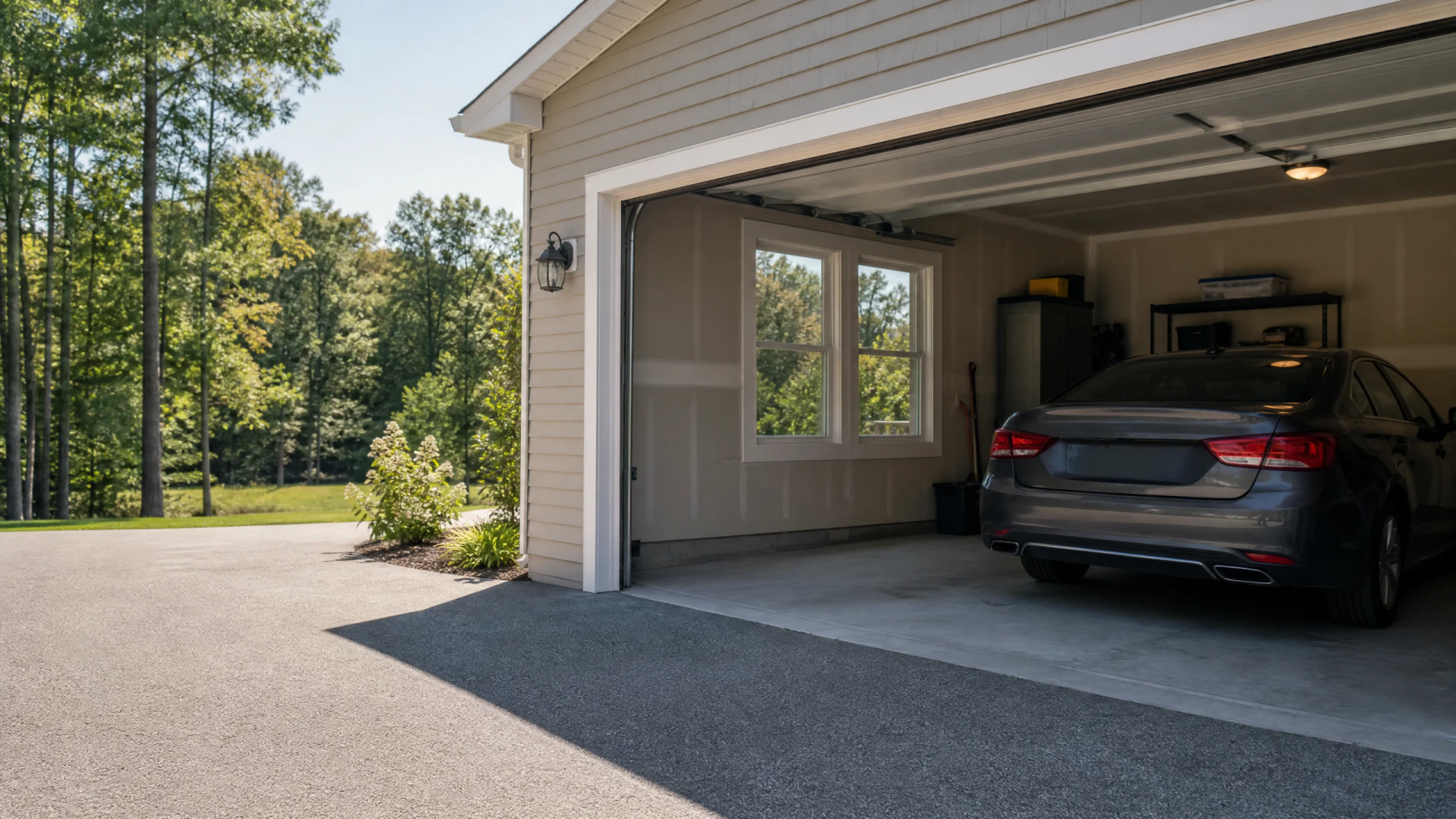
Where you park matters more than people expect. A garage or carport cuts your real risk a lot, while a car that sits outside in open country through storm season is more exposed. If you drive very little and the car stays under cover most of the time, that's one more reason this coverage might not earn its keep.
Think about what you could comfortably pay out of savings if hail wrecked the paint and dented every panel. If that number wouldn't bother you, dropping this coverage is a reasonable choice. If it would mean delaying other things, keeping it is the safer one.
How a hail claim actually goes
You pay a deductible first, and the insurer covers the rest up to the car's value. After a bad storm, insurers often send adjusters to assess many cars in an area at once, so you may be contacted quickly or asked to get an estimate yourself, depending on how the storm hit your area.
Have your policy information, photos of the damage, and the date of the storm ready when you call. An adjuster will look at the dents and may use a hail-specific repair method that pushes the metal back out without repainting, which is often faster and keeps the car's finish original.
If the damage is severe enough that repair costs approach the car's value, the insurer may declare it a total loss and pay out based on the car's worth instead of fixing it. That payment accounts for the deductible and the condition of the car before the storm, not what you paid for it originally.
After the repair, check that all the panels were addressed, not just the ones most visible. Hail damage is sometimes missed on the roof or hood if the inspection is rushed.
Hail coverage versus collision coverage
Comprehensive coverage
This includes hail damage along with other events that aren't collisions, like fire, falling branches or animal strikes. It pays regardless of who or what caused the damage, as long as it wasn't a crash.
Collision coverage
This pays when your car hits another vehicle or object, or when it's hit, regardless of who's at fault. It has its own separate deductible and doesn't apply to weather damage at all.
If hail or weather is your main worry, comprehensive is the one that matters; if you're more concerned about fender benders or road accidents, collision is the one doing the work.
Real situations
You're parked at church during a Sunday service when a hailstorm moves through and dents the hood and roof of your car.
This pays, since hail damage to a parked car is exactly what comprehensive coverage is for.
You're driving home at dusk on a county road and a deer runs into the side of your car.
This also pays, because animal collisions fall under comprehensive coverage, not collision coverage.
You back into a post in a parking lot and dent the rear bumper.
This doesn't pay, because that's a collision with an object, which falls under collision coverage instead.
Once you know whether you're keeping, adjusting or dropping this coverage, you're ready to compare quotes with that decision already made.
Questions people ask about this
Does hail damage count as a not at fault claim?
No, hail damage is considered a comprehensive claim, not an at-fault or not-at-fault claim, since no driver caused it. Insurers generally treat comprehensive claims differently than accident claims when it comes to future rates. Check with your agent on how your insurer specifically treats comprehensive claims over time.
Can I still drive my car with hail damage before filing a claim?
Yes, hail damage is almost always cosmetic or structural in a way that doesn't affect safe driving, so you can keep using the car. It's still smart to document the damage with photos and file reasonably soon, since insurers may question delayed claims. If a windshield is cracked badly, get that checked sooner since visibility and structural integrity can be affected.
Will my insurance drop me for filing a hail claim?
Usually not, since comprehensive claims like hail are typically treated as unavoidable weather events rather than a sign of risky driving. Insurers are generally more cautious about dropping coverage over collision or liability claims where fault is involved. Ask your agent directly how your specific policy handles claim history if you're unsure.
Does paint protection film help with hail damage?
It can reduce minor cosmetic damage from small hail, but it won't prevent dents from larger hailstones. It's a supplement to the coverage, not a replacement for it, and insurers don't typically require or discount for having it. If you're weighing whether it's worth adding, think of it as reducing claims rather than eliminating the need for coverage.
How do I know if my car is a total loss after hail?
The insurer compares the estimated repair cost against your car's actual value before the storm, and if repairs would cost more than that value, they'll usually total it. This is a judgment made during the adjuster's inspection, not something you can calculate exactly beforehand. Ask the adjuster directly what value they're using and how they arrived at it if you want to understand the number.