Hail Damage Coverage for Seniors in Oklahoma
Hail damage coverage is the part of comprehensive coverage that pays to repair or replace your car when hail dents, cracks or breaks it.
What it pays for
Covers
- Body dents from hail Dings and dents across the hood, roof and trunk from a storm are the main thing this coverage is built for.
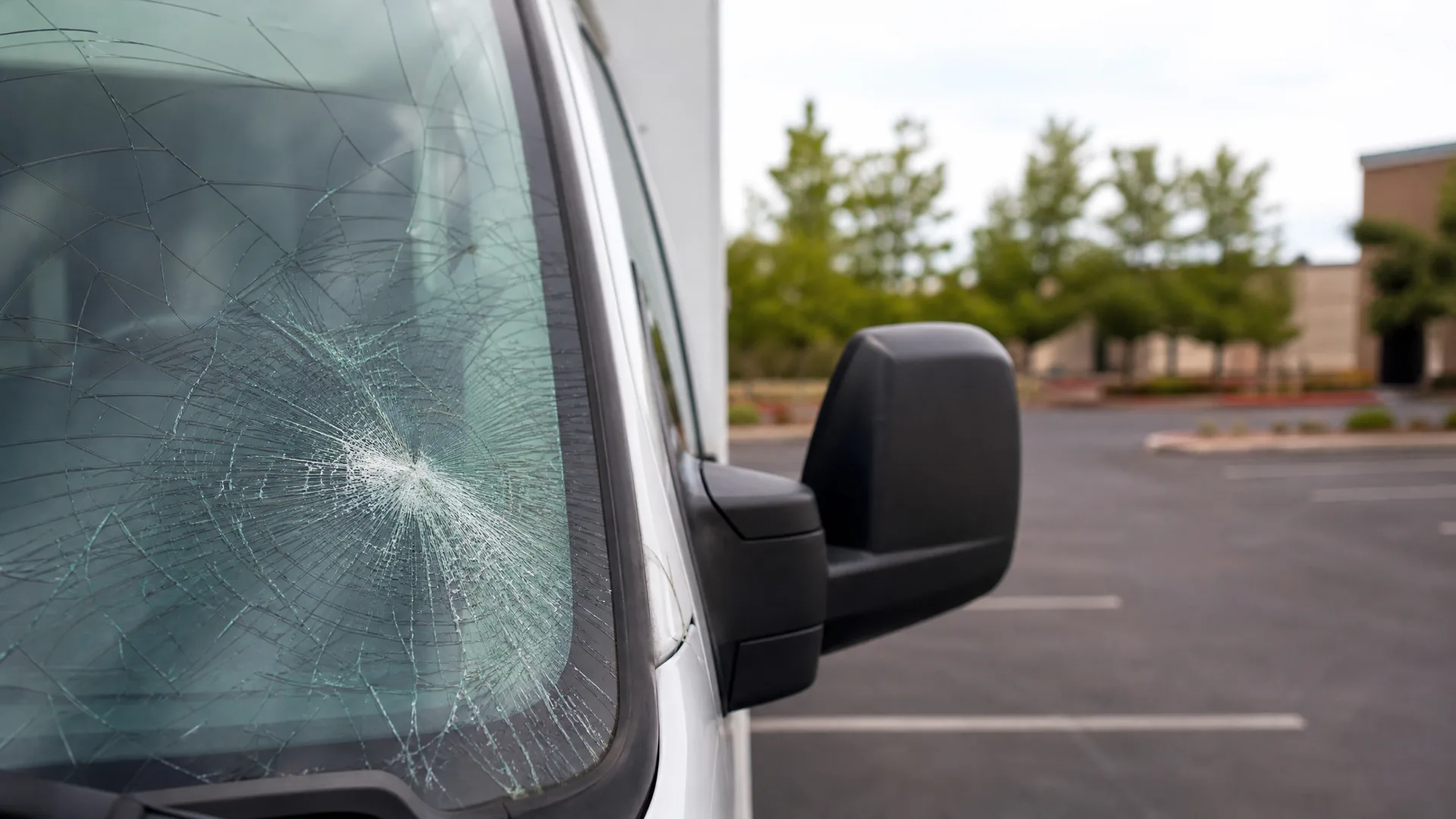
- Cracked or broken glass A windshield or window shattered or pitted by hail is covered under this same comprehensive line.
- Paint damage from impact If hail chips or splits the paint down to the metal, repainting that panel is part of the payout.
- Total loss from severe hail If the damage costs more to fix than the car is worth, the company pays you the car's value instead of repairing it.
- Mirrors, trim and lights Hail that cracks a side mirror housing or a light cover is treated the same as body damage.
- Rental car during repairs If your policy has rental coverage added, it can cover a replacement car while yours is in the shop, though this is a separate add-on, not automatic.
Doesn't cover
- Damage from your own neglect If you left the car uncovered for days after a storm and new rust or damage set in, that follow-on damage may be questioned.
- Mechanical problems unrelated to the storm A battery or belt that fails around the same time as a hailstorm isn't connected to it just because of timing.
- Damage to a garage or carport Hail damage to the structure your car was parked under is a homeowners coverage matter, not an auto one.
- Cosmetic wear you had before the storm Adjusters check for pre-existing dents and faded paint, and old damage doesn't get folded into a new claim.
- Loss of use beyond a rental add-on Without that add-on, the company won't pay for a car you rent or borrow while yours is repaired.
Worth it for most older drivers who carry comprehensive already, but not for everyone
The decision usually comes down to what the car is worth. If you own an older car outright and it wouldn't fetch much at trade-in, paying for this coverage year after year can cost more over time than just fixing a dent or two yourself. On a newer or paid-off car worth more, the coverage protects a real asset and the math works the other way.
Think about what you could absorb from savings without much stress. A driver with a solid cushion can handle a moderate repair bill without this coverage and may choose to self-insure that risk. A driver on a fixed income with little set aside often finds the steady, small premium easier to live with than one large bill arriving without warning.
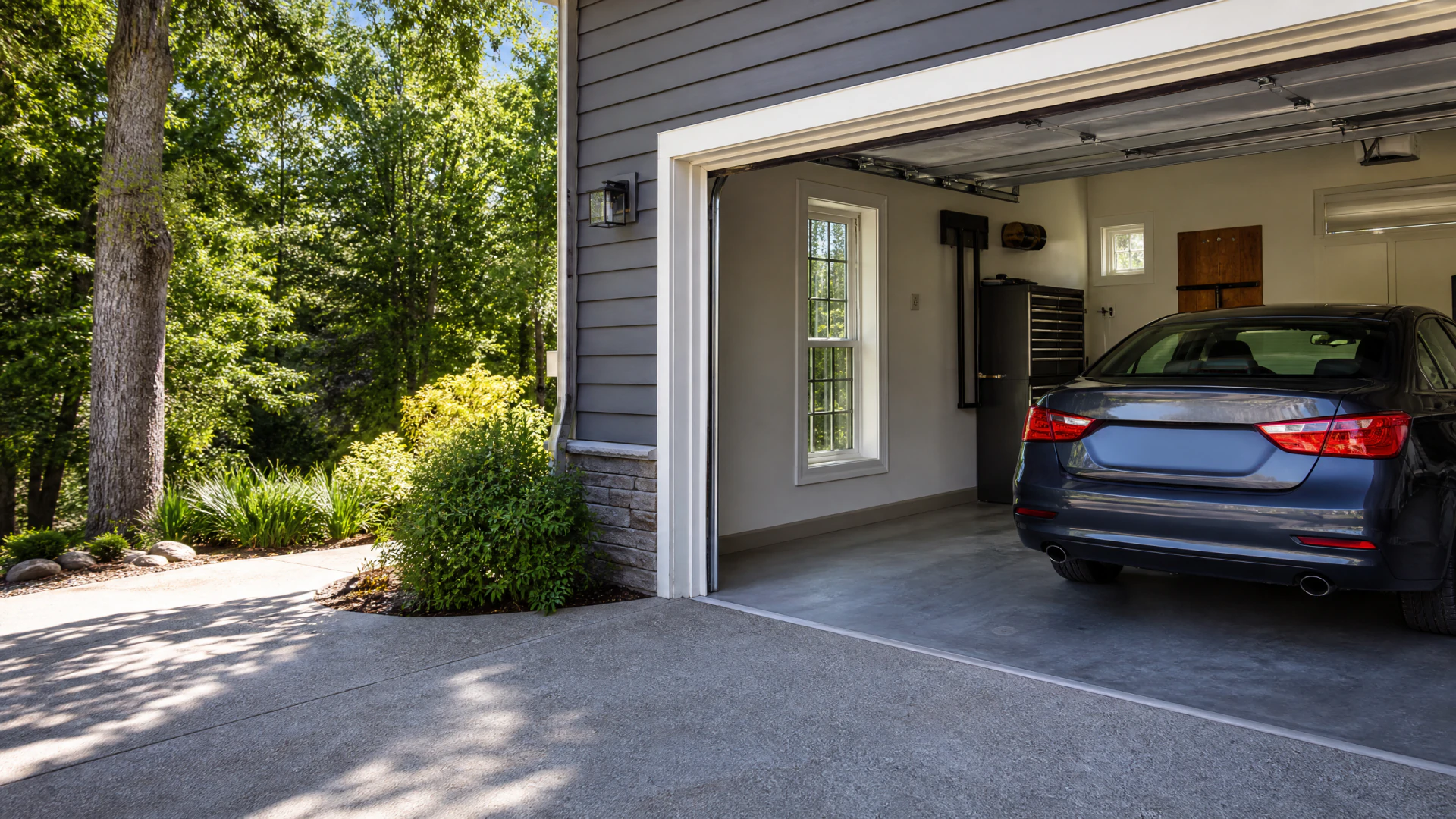
Where the car sits matters too. A car parked outside every night in a region that gets regular hailstorms is a different risk than one that spends most of its life in a garage. If you drive rarely now, a short trip to the store a few times a week, the car is still exposed to weather even if it's not exposed to much road risk, so low mileage alone doesn't make this coverage unnecessary.
If you're still making payments or leasing, this isn't really optional. Lenders generally require comprehensive coverage, and hail coverage rides along as part of it, so the choice described above only applies once the car is paid off.

How a hail claim actually goes
You pay a deductible before the company pays anything, and that amount is set when you buy the policy. On a bad hailstorm, an adjuster or an estimating app often works from photos first, counting dents and measuring damage before a shop ever sees the car. Many claims from the same storm get processed in batches since the company already knows the storm hit your area.
The payment covers repair of the damaged panels, or the car's value if it's totaled, minus your deductible. It won't cover a repaint of panels hail didn't touch just to match color, unless the shop can show that's the only way to get a proper match, and it won't cover upgrades you want to make while the car is apart.
Have your policy number, the date you noticed the damage, and photos taken as soon as you can after the storm. If your car sat outside and several neighbors had hail damage too, note that, since it helps confirm the cause and timing without much back and forth.

Hail coverage versus collision coverage
Comprehensive coverage (includes hail)
This pays for damage from things that happen to the car when you're not driving it or that aren't a crash, like hail, falling branches, fire or theft. It's the coverage that answers for a storm sitting in your driveway.
Collision coverage
This pays for damage from hitting another car, a guardrail, a deer or anything else while the car is in motion. It has nothing to do with weather sitting still on a parked car.
If you're deciding whether to keep coverage for storm damage, you're looking at comprehensive, not collision, and the two are usually sold together but priced separately.
Real situations
You're at church on a Sunday morning and a hailstorm rolls through while your car sits in the lot.
This pays, since the car was parked and the damage came from weather, which is exactly what this coverage is for.
You're driving home at dusk on a county road and a deer runs into the side of your car.
This doesn't pay, since the deer collision is handled under comprehensive too, oddly enough, but it's not a hail claim, it's a separate animal-collision claim under the same broader coverage.
A hailstorm hits while you're out of town, and you don't notice the dents on your roof until you wash the car two weeks later.
This can still pay, since claims aren't limited to same-day reporting, though reporting promptly once you notice damage makes the process smoother.
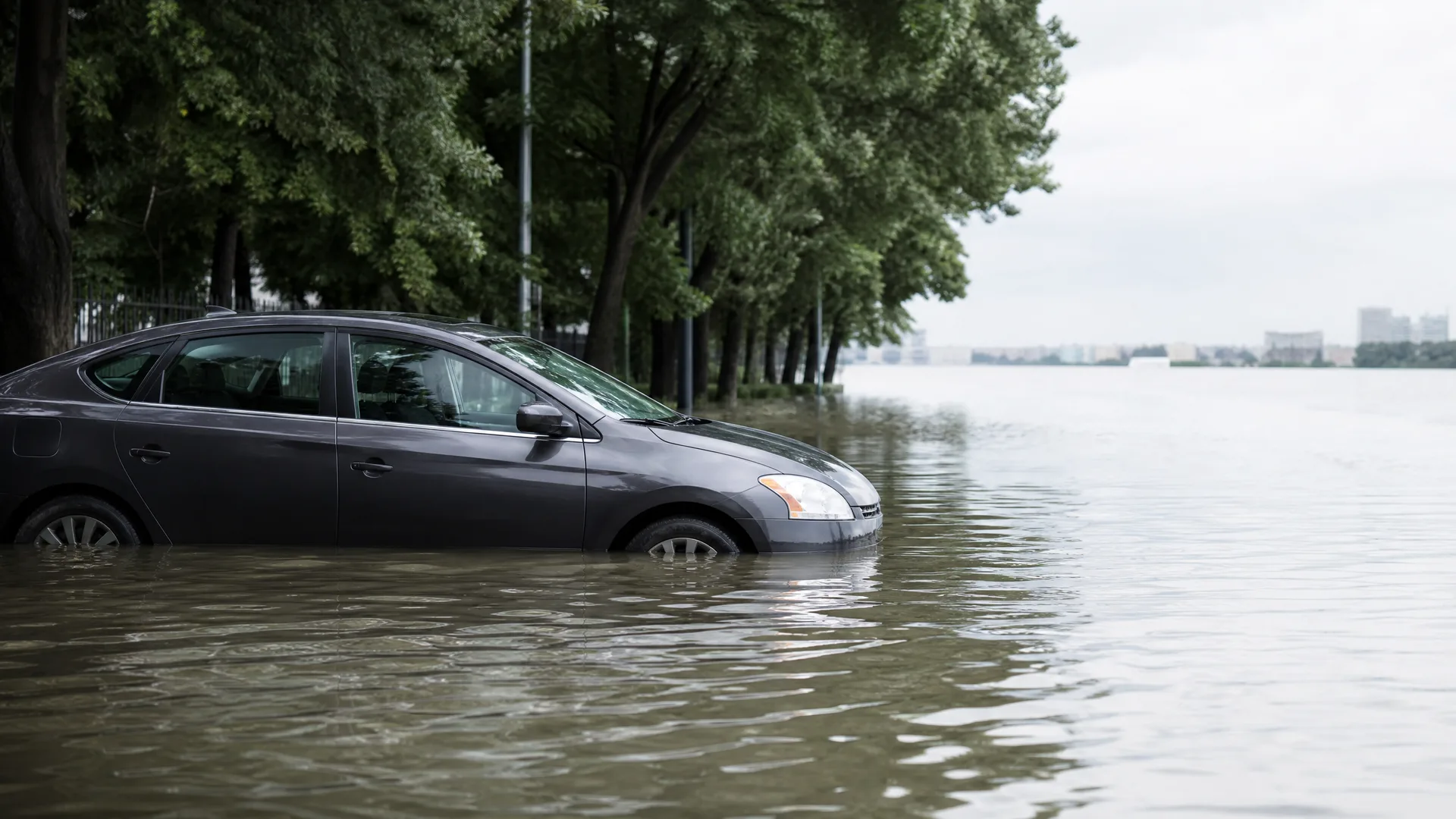
Once you know whether hail coverage still makes sense for your car and how you use it, you're ready to compare quotes with that answer already settled.
Questions people ask about this
Does hail damage count as a not-at-fault claim?
No, it's not an at-fault or not-at-fault claim at all since there's no other driver involved. It's filed as a comprehensive claim, and companies generally treat these differently from crash claims when they look at your history, though practices vary by company, so check how yours handles it.
Can I get hail coverage without full comprehensive coverage?
No, hail coverage isn't sold on its own, it comes as part of comprehensive coverage. If you want protection against storm damage, you're adding or keeping the whole comprehensive line, not just the hail piece of it.
Will filing a hail claim raise my rate?
It can, though many companies treat weather-related claims more gently than at-fault crash claims since you had no control over the storm. How much, if at all, varies by company and by state, so it's worth asking yours directly.
Should I get my car inspected before hail season starts?
It's not required, but photographing your car's condition before storm season can make a future claim faster and smoother since you have a clear record of what the car looked like beforehand. This matters most if your car already has some wear or old dents.
What if the repair shop finds more damage than the adjuster did?
You can ask for a supplement, which is a revised estimate the shop sends back to the company with photos and reasoning. This happens often enough with hail claims since some dents are easy to miss until the car is under better light in the shop.