Hail Damage Coverage for Seniors in Kansas
Hail damage coverage is the part of your policy, usually comprehensive, that pays to repair your car after a hailstorm dents or cracks it.
What it actually pays for
Covers
- Body dents from hail Repair or paintless dent removal for the roof, hood and trunk where hail hits hardest.
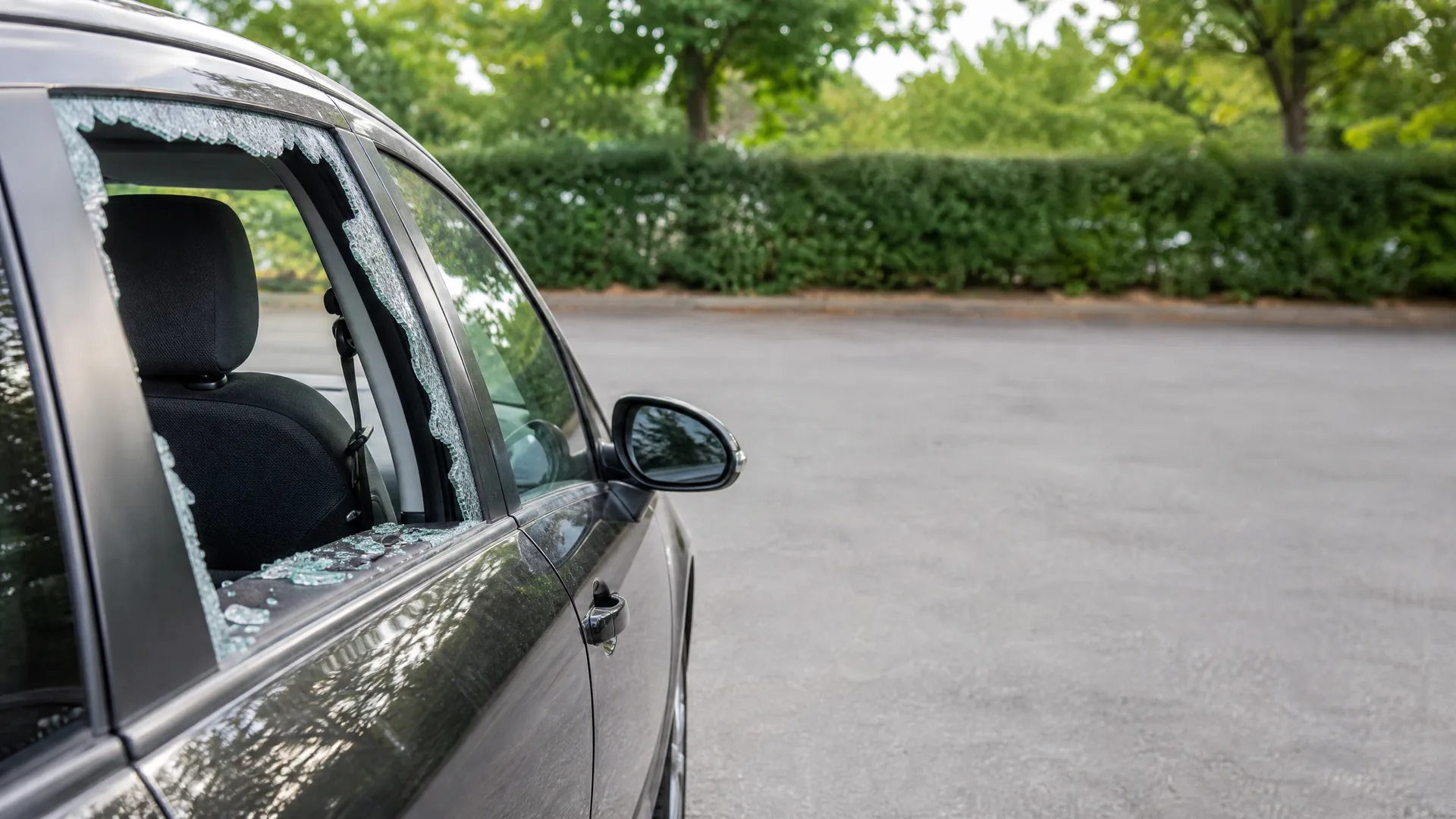
- Cracked or broken glass A windshield or window shattered by hail is covered the same way as a dent.
- Mirror and trim damage Side mirrors, moldings and other exterior pieces cracked in the storm are included.
- Rental car while it's fixed If your policy includes rental reimbursement, it kicks in while hail repairs are done.
- Total loss payout If the damage costs more to fix than the car is worth, the insurer pays its value instead of repairing it.
Doesn't cover
- Mechanical problems Hail dents the outside, it doesn't cause engine or transmission trouble, so those aren't part of this claim.
- Damage from driving in the storm If you hit something or slide off the road during the hail, that falls under collision coverage instead.
- Interior water damage Water getting in through a window you left cracked isn't a hail claim, it's treated differently depending on the cause.
- Cosmetic wear you had before Adjusters note existing scratches and old dents and won't pay to fix damage that predates the storm.
- A rental car you own or lease separately Your personal auto policy generally only covers the vehicle listed on it, not a second car you're renting long term.
For most older drivers, it's worth keeping if the car still has real value
The question isn't your age, it's what the car is worth and whether you could pay to fix hail damage yourself without feeling it. A car worth keeping on the road but not worth much on paper is exactly the kind of car where this coverage quietly earns its keep, because hail damage can be expensive to fix even on an older vehicle.
If the car is paid off and you have enough set aside to cover a full repair or a replacement without strain, you could reasonably decide the premium isn't buying you much. That's a real option, not a mistake, especially on a car you're not emotionally attached to and wouldn't mind trading in dented.
Where you park matters too. A car that sits outside every night in open country, or in a region that gets hit by storms most years, is a different bet than one that spends most of its life in a garage. If your driving has dropped off and the car mostly sits at home, that's worth factoring in as well.
If you're still driving it daily, still making payments, or just don't want the hassle and expense of repairing cosmetic damage out of pocket, keeping this coverage is the simpler, calmer choice.
What happens when you actually file a claim
You pay the deductible on your policy and the insurer covers the rest of the repair cost, or the car's value if it's a total loss. The deductible amount is set on your policy, so it's worth checking what yours actually is before a storm hits, not after.
A claim usually starts with photos of the damage and an inspection, either in person or through photos you send in. Many hail claims get handled through body shops that specialize in dent repair, since paintless dent removal is often cheaper and faster than traditional bodywork.
The payment covers the physical repair, not any drop in the car's resale value afterward, and it won't cover a rental beyond what your policy specifically allows for. Have your policy number, the date of the storm, and photos of the damage ready when you call, and avoid getting repairs done before the adjuster has had a chance to look at it.
Hail damage coverage vs. collision coverage
Comprehensive coverage
This is the broader coverage that hail damage falls under, along with things like falling branches, animal strikes and theft. It applies when something other than a crash damages your car.
Collision coverage
This pays for damage from an actual collision, whether you hit another car, a guardrail, or a deer that runs into your path. It's a separate coverage with its own deductible.
If you're deciding between the two, keep in mind most drivers who want hail protection need comprehensive, not collision, since hail itself isn't a collision.
Real situations
You're parked at church on a Sunday morning and a sudden hailstorm leaves dents across the hood and roof of your car.
This pays, since the car was parked and the damage came directly from the hail.
You're driving home on a county road at dusk during a hailstorm and swerve to avoid a deer, hitting a fence post instead.
This doesn't pay for the fence collision, that falls under collision coverage instead.
Hail cracks your windshield while the car sits in your driveway overnight.
This pays, since a cracked windshield from hail is treated the same as body damage.
Once you've decided whether to keep, add or adjust this coverage, compare quotes with that choice already in hand so you're only shopping the parts of the policy you still need.
Questions people ask about this
Does hail damage raise my insurance rates?
It can, but not the way a crash does. Insurers sometimes treat weather-related claims differently from at-fault accidents, so check with your agent about how your particular insurer handles it before assuming the worst.
Should I get my car fixed right away after a hailstorm?
Wait until the claim is filed and, if required, an adjuster has looked at it. Getting repairs done first can complicate the claim if the insurer wants to inspect the damage themselves.
Can I choose my own body shop for hail repair?
Usually yes. Most policies let you pick the shop, though the insurer may recommend ones they work with regularly for dent repair specifically.
What if hail damage happened weeks ago and I didn't notice it?
You can still file a claim once you notice it, though it helps to have some way to tie the damage to a specific storm date. Check with your agent about how your policy handles delayed reporting.
Does it matter if my car is older or has high mileage?
It matters for how much the payout could be, not whether the coverage applies. An older car's value plays into whether a claim is repaired or declared a total loss, so it's worth knowing roughly what your car is worth before a storm hits.