Hail Damage Coverage for Seniors in Missouri
Hail damage coverage is the part of comprehensive coverage that pays to repair your car's body and glass after a hailstorm.
What this coverage pays for
Covers
- Dented body panels It pays to repair or replace panels that hail has dented, whether that's the hood, roof, or trunk.
- Cracked or shattered glass Windshields, back glass, and side windows damaged by hail are covered under the same comprehensive coverage.
- Paint damage from impact If hail chips or cracks the paint along with denting the metal, that repair is included.
- Mirrors and trim Side mirrors and exterior trim pieces cracked by hail are covered the same way the panels are.
- A total loss payout If the hail damage costs more to fix than the car is worth, the coverage pays out the car's value instead of repairing it.
Doesn't cover
- Damage from a collision Hitting another vehicle or an object isn't hail damage, that falls under collision coverage instead.
- Interior water damage If a window breaks and rain gets in afterward, the interior damage may be handled differently than the glass itself, so it's worth asking how your policy treats it.
- Mechanical problems A hailstorm that knocks out a sensor or damages something under the hood isn't typically what this coverage is built for, mechanical breakdown coverage handles that.
- Cosmetic wear you had before the storm Pre-existing dents, rust, or faded paint aren't part of a hail claim, only new damage from that specific storm counts.
- A rental car while yours is repaired That comes from a separate rental reimbursement coverage, not from hail coverage itself.

For most older drivers still driving a car worth real money, this coverage is worth keeping
Start with what the car is worth and whether it's paid off. If you own it outright and it still has real value, a bad hailstorm can do several thousand dollars of damage in a single afternoon, and that's a hard hit to take out of savings all at once. If the car is older and worth very little, the math changes, because the payout after a deductible might not be worth much either.
Think about how much of a loss you could absorb without strain. Some drivers in their seventies and eighties have the savings to just pay for body work themselves and would rather skip the premium entirely. Others would rather pay a steady small amount every year than risk an unplanned repair bill landing at a bad time.
Where the car sits matters too. A car parked under a carport or in a garage most nights has less exposure than one that sits in an open driveway or an uncovered lot. If you drive less than you used to and the car spends most of its time parked at home, that's worth factoring in, though hail doesn't care whether a car is moving.
If you're on a fixed income, a single hailstorm can still turn into the kind of expense that forces a hard choice between the repair and something else that matters. That's usually the strongest reason to keep this coverage even if you've gone years without filing a claim on it.
What happens when you actually file a hail claim
You'll pay your deductible first, and the coverage pays the rest of the covered repair cost. If the damage is severe enough that repair costs more than the car is worth, the payout is based on the car's value instead, minus that same deductible.
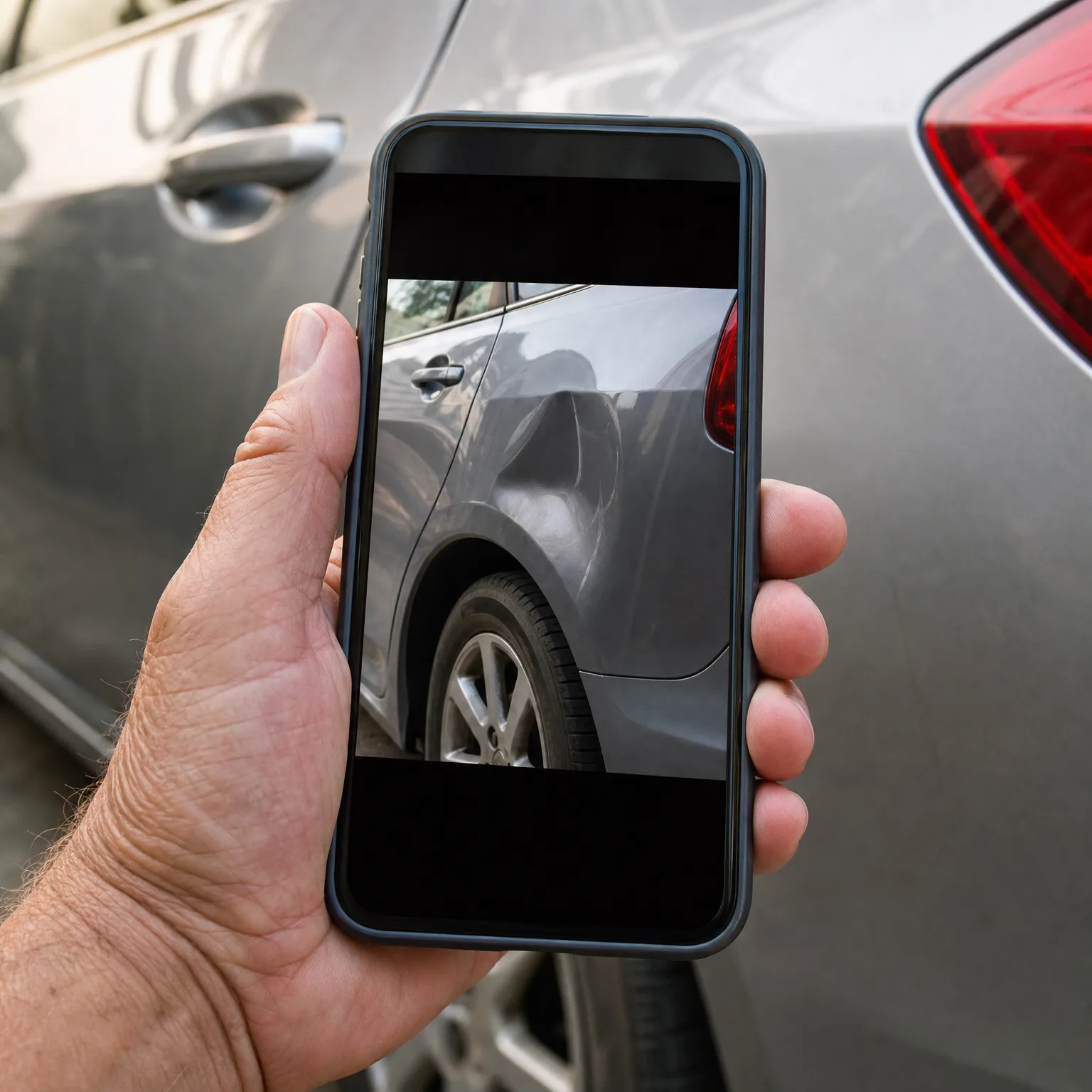
Most hail claims start with an inspection, either at a repair shop or with an adjuster who comes to look at the car directly. Hail damage can hide in small dents that are easy to miss, so a thorough inspection matters more than it seems like it should.
The payment covers the repair or the car's value, not anything extra like time off work to deal with it or a lower resale value after the repair. Have your policy number, the date of the storm, and photos of the damage ready when you call, and try to get the car inspected before any rain or more weather makes smaller dents harder to spot.
If your area had a widespread hailstorm, expect repair shops and adjusters to be busier than usual, so it may take longer than you'd like to get an appointment.

Hail coverage versus collision coverage
Hail damage coverage
This is part of comprehensive coverage and pays for damage from weather events like hail, without involving another driver or vehicle. It applies no matter who's at fault, because there isn't anyone at fault.
Collision coverage
This pays for damage from hitting another car or an object, or from your car rolling or flipping. It's a separate coverage with its own deductible, even though people often assume one covers the other.
If you're deciding whether to carry comprehensive coverage at all, think about hail and weather risk separately from collision risk, since dropping one doesn't affect the other.
Real situations
You come out of church after a Sunday service and find your car covered in small dents from a hailstorm that hit while you were inside.
This pays, since hail damage to a parked car is exactly what comprehensive coverage is for.
You're driving home at dusk on a county road and a deer runs into the side of your car.
This doesn't pay for that, hitting an animal falls under comprehensive coverage too, but it's a different kind of claim than hail.
A hailstorm hits while you're driving on the highway and you pull under an overpass, but the front end still takes some damage before you get there.
This pays for the hail damage itself, it doesn't matter that the car was moving when the storm hit.
Once you know whether you want to keep, add, or drop hail damage coverage, you're ready to compare quotes with that decision already made.
Questions people ask about this
Does filing a hail claim raise my rates?
It can, though weather-related claims are often treated more gently than at-fault claims since there's no driver error involved. Every insurer handles this differently, so it's worth asking directly how a comprehensive claim affects your specific policy. If you've gone many years without a claim, that history may also soften any increase.
Can I get hail damage fixed without filing a claim?
Yes, you can always pay out of pocket instead of filing, and some drivers choose this for minor dents to avoid any chance of a rate increase. Compare the repair cost to your deductible first, since if the repair costs less than your deductible, filing a claim doesn't make sense anyway. For paintless dent repair, a quick estimate can help you decide before you call your insurer.
Is hail damage considered a total loss often?
It can be, especially on newer cars with a lot of body panels and glass, since repair costs add up fast. Whether your car is declared a total loss depends on comparing the repair estimate to the car's value, not on hail damage being treated as special. An older car with lower value is more likely to be totaled by hail than a newer one.
Do I need hail coverage if I park in a garage most of the time?
You don't need it in the sense that it's required, but garage parking only helps when the car is actually inside during a storm. Many hailstorms happen during the day while you're out running errands or visiting family, so garage parking at home doesn't eliminate the risk. It can lower your exposure, but it doesn't remove it.
What's the difference between hail coverage and gap coverage?
Hail coverage pays for storm damage to your car, while gap coverage pays the difference between what you owe on a loan and what the car is worth if it's totaled. They solve different problems and many drivers carry both without realizing they're separate. If your car is paid off, gap coverage doesn't apply to you at all.