Hail Damage Coverage for Seniors in Minnesota
Hail damage coverage is part of comprehensive coverage, and it pays to repair or replace your car when hail dents, cracks, or shatters parts of it.
What it actually pays for
Covers
- Body panel dents Dents across the hood, roof, and trunk from hailstones get repaired or the panels get replaced.
- Cracked or shattered glass A windshield or window broken by hail is covered under the same comprehensive coverage.
- Paint damage If hail chips or cracks the paint down to the metal, repainting the damaged area is included.
- Mirrors and trim Side mirrors, trim pieces, and moldings cracked by hail are covered the same as the rest of the body.
- Total loss payout If the damage costs more to fix than the car is worth, you're paid the car's value instead of a repair bill.
Doesn't cover
- Mechanical problems from age A failing transmission or worn-out engine has nothing to do with hail and isn't part of this coverage.
- Interior water damage If a hailstorm breaks a window and rain gets in afterward, that follow-on water damage is often treated separately and may need a different coverage or a direct claim conversation.
- Damage from another driver If someone hits your car in a parking lot while you're sheltering from the storm, that's a liability claim against them, not a hail claim.
- Rental car while yours is fixed A rental car during repairs is only covered if you added rental reimbursement coverage separately.
- Cosmetic wear you had before the storm Existing dings, faded paint, or rust aren't suddenly covered because hail hit the car too.
For most older drivers still carrying comprehensive coverage, keeping hail coverage makes sense, but the math is worth doing once
Start with what the car is worth. If you're driving a car worth very little and it's paid off, a hailstorm might cost more to file a claim over than the car is worth fixing. In that case, the payout could be small enough that you'd have been fine covering it yourself.
If the car is newer, financed, or simply worth a real amount to you, hail coverage protects something substantial with very little effort on your part. A totaled windshield or a hood full of dents is expensive to fix out of pocket, and hail isn't something you can see coming or avoid.
Think about how much of a loss you could absorb from savings without it changing your month. Some drivers this age have the cushion to handle a repair bill without insurance and would rather skip the premium. Others would rather pay a steady amount every year than risk a surprise bill landing all at once.
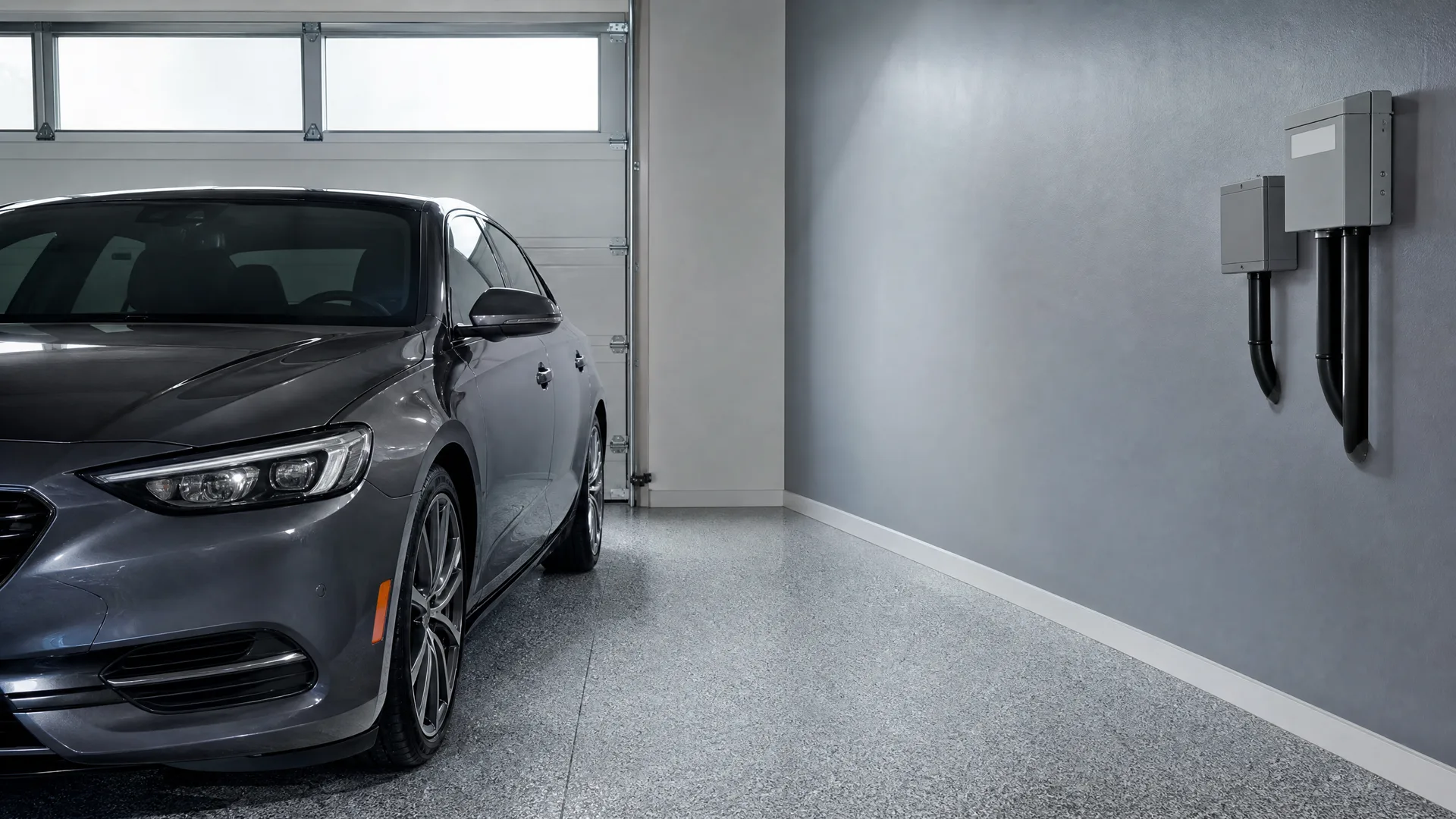
Where the car sits matters too. A car parked in a garage most nights is far less exposed than one that sits in an open driveway or a parking lot during the day. If your car is rarely exposed to weather, that shifts the math toward dropping or lowering this coverage. If it sits out often in a region that gets hail, keeping it is the safer bet.

What happens when you actually file a claim
Hail damage is covered under your deductible, so you pay that amount first and the coverage pays the rest, up to the car's value. After a bad storm, you'll want photos of the damage from a few angles and a sense of when it happened, since many claims follow the same storm and the date matters for the adjuster.
An adjuster or a body shop estimator will look at the car and count the dents, assess the glass, and check the paint. For a car with many small dents, repair shops sometimes use paintless dent repair, which pulls dents out without needing new paint, and that keeps costs down and your car looking close to original.
The payout covers the repair or the car's value if it's totaled, but it doesn't cover a rental car unless you added that separately, and it doesn't cover any mechanical issue that existed before the storm. Keep any paperwork from the shop, since insurers sometimes ask for it if a dispute comes up later about what hail caused versus what was already there.
If you file more than one claim over the years, some companies look at that history when you renew. It's worth asking your agent how your particular policy handles that before you decide whether a small claim is worth filing at all.
Hail coverage versus collision coverage
Comprehensive coverage
This is the category hail coverage falls under, and it pays for damage from events outside your control like hail, fire, falling branches, and animals. It doesn't involve another driver or a crash you caused.
Collision coverage
This pays for damage from an actual collision, like hitting a guardrail, another car, or a deer that runs into your path. It applies whether or not the accident was your fault.
If you're deciding which to drop as a car ages, comprehensive tends to be worth keeping longer since weather damage can happen even to a car that's rarely driven, while collision risk drops the less you're on the road.
Real situations
You're parked at church on a Sunday morning when a sudden hailstorm rolls through and leaves dents across the hood and roof of your car.
This pays, since hail damage while parked is exactly what comprehensive coverage is for.
A deer runs out in front of you on a county road at dusk and you can't stop in time before hitting it.
This doesn't pay for that, since an animal collision falls under comprehensive coverage too, but it's a separate kind of claim from hail damage specifically.
Your windshield cracks from a hailstorm, and the next day you notice the crack has spread across the glass while driving to a doctor's appointment.
This pays for the windshield, since the crack originated from the hail event even if it spread afterward.
Once you know whether you're keeping, adjusting, or dropping hail coverage, you can compare quotes with that decision already settled instead of guessing at what each policy includes.
Questions people ask about this
Does hail coverage go up after I file a claim?
It can, depending on your claim history and how your policy handles it. Some companies treat weather claims differently from at-fault claims since they're outside your control. Ask your agent directly how your specific policy responds before deciding whether to file for minor damage.
Can I get hail damage fixed without filing a claim?
Yes, you can pay for repairs yourself at any time instead of going through insurance. This often makes sense for minor dents on an older car where the repair cost is close to or less than your deductible. Get an estimate first so you know the real cost before deciding.
Will my insurance drop me for too many hail claims?
It's possible if claims become frequent, though a single weather-related claim rarely causes that on its own. Companies vary in how they weigh comprehensive claims against your overall history. Check your policy terms or ask your agent what their specific threshold looks like.
Does paintless dent repair count as a full repair for resale value?
Yes, when done well it restores the panel without leaving a record of bodywork, which can help if you sell the car later. It only works on certain types of dents where the paint itself isn't cracked. A shop can tell you after inspecting the damage whether your car qualifies.
Should I raise my deductible to lower the cost of this coverage?
That depends on how much of a repair bill you could comfortably pay yourself. A higher deductible usually lowers what you pay for the coverage overall, but it means a bigger bill out of pocket when hail hits. Weigh that against your savings and how often your car is exposed to weather.