Hail Damage Coverage for Seniors in Texas
Hail damage coverage, which falls under comprehensive coverage, pays to repair or replace your car when hail dents or cracks it, no matter who's at fault.
What hail coverage actually pays for
Covers
- Dents across the body Paintless dent repair or bodywork for the roof, hood and trunk gets covered.
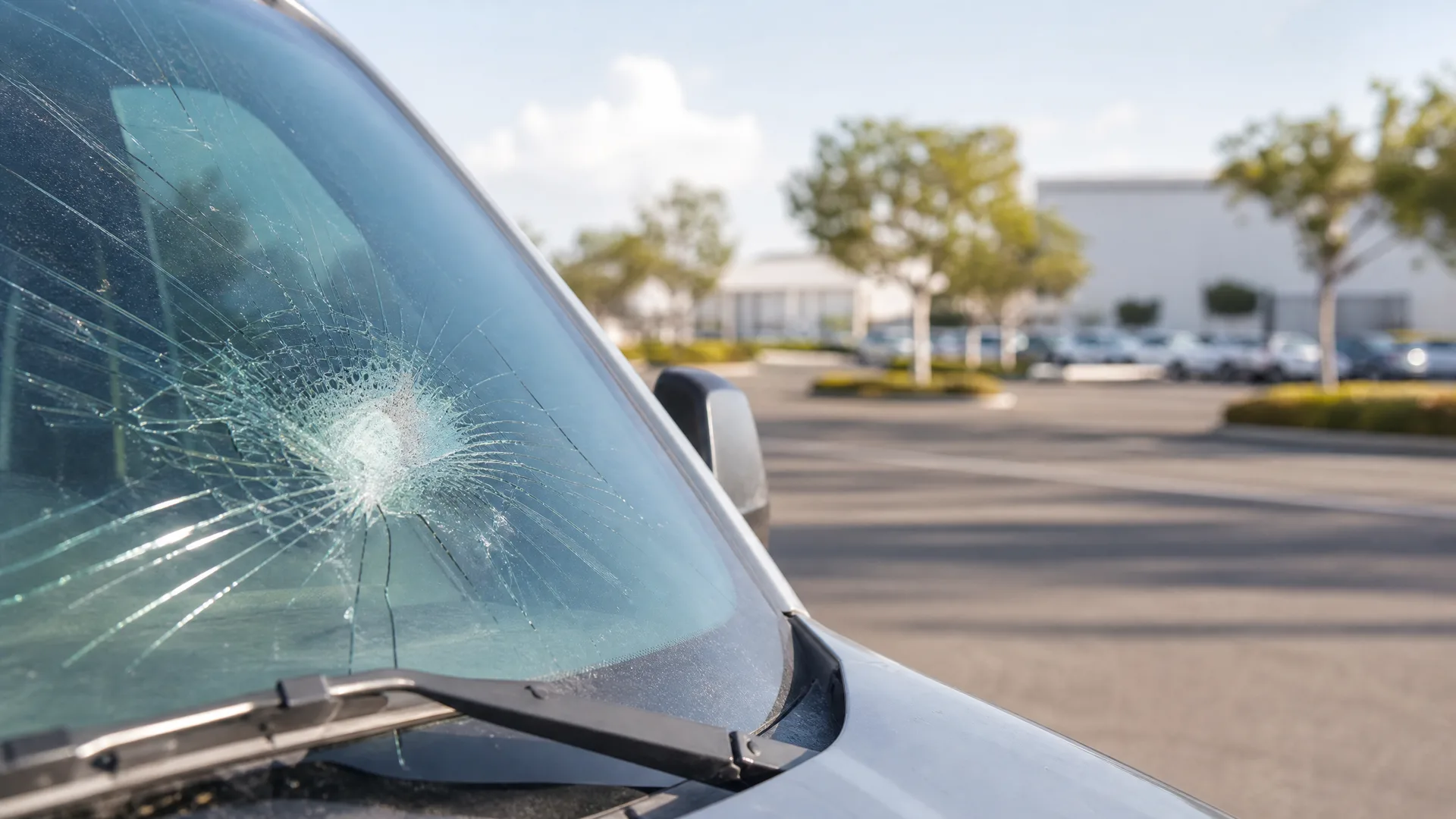
- Cracked or shattered glass A windshield or window broken by hail is treated the same as any other hail damage.
- Mirrors and trim Side mirrors, moldings and other exterior pieces cracked by hail are included.
- Total loss from hail If the damage costs more to fix than the car is worth, it pays out the car's value instead.
- A rental car while yours is in the shop If you added rental coverage to your policy, it helps cover a replacement car during repairs.
Doesn't cover
- Damage from driving in the storm If you hit something or lose control while driving during hail, that's collision coverage, not this.
- Interior damage from a broken window Water or wind damage to seats or electronics after hail cracks a window is usually handled as part of the same claim, but check how your policy treats it.
- Mechanical problems that show up later A part that fails weeks later from hidden hail damage needs to be tied back to the original claim or it won't be covered.
- Cosmetic wear you had before the storm Existing dents, rust or scratches don't become covered just because hail also hit the car.
- Any damage if you dropped comprehensive coverage Hail coverage only exists as part of comprehensive, so without it there's nothing to file.
For most older drivers in Texas, this coverage is worth keeping
Texas gets serious hail, and a car parked outside for years will likely take a hit eventually. That alone makes this different from coverage you might never use.
The real question is what your car is worth and whether you could cover a hail repair yourself. If the car is paid off and worth very little, a bad hailstorm might cost more to fix than the car is worth replacing, and you could decide to carry less coverage or none at all.
If you could comfortably pay for dent repair or a new windshield out of savings, dropping this coverage saves you money every year in exchange for carrying that risk yourself. If a surprise repair bill would strain your budget, keeping it is the safer trade.
Where the car sits matters too. A car kept in a garage most nights is less exposed than one parked on the street or in an open lot, and that's worth factoring in alongside how much you drive.
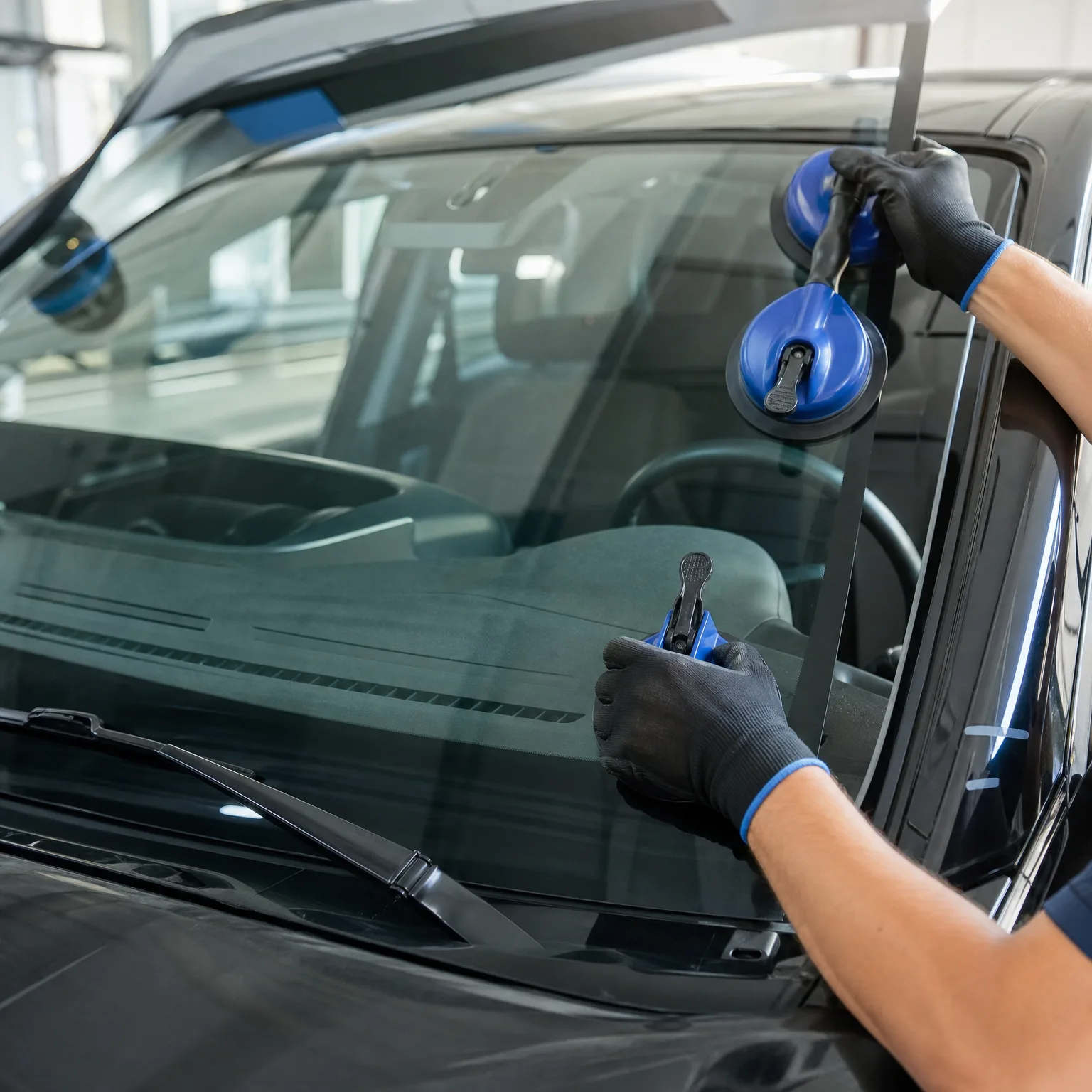
How a hail claim actually goes
You file a claim, an adjuster or appraiser looks at the car, and you pay your deductible before the payment kicks in. The payout covers the cost to repair the hail damage itself, using the shop's estimate or the insurer's own appraisal.
After a big regional hailstorm, expect it to take longer than usual, since shops and adjusters are often backed up handling many claims at once.
Have your policy details, photos of the damage, and the date of the storm ready when you call. If the car is declared a total loss, the payment is based on what the car was worth right before the storm, not what you paid for it originally.
Your rates generally aren't affected by a hail claim the way they might be after an at-fault accident, since hail isn't something you caused or could have avoided.
Hail coverage versus collision coverage
Comprehensive coverage
This covers damage from things that happen to your car when you're not driving it, or that aren't caused by a crash, like hail, falling branches, fire or theft. Hail damage falls under this coverage specifically.
Collision coverage
This covers damage from an actual collision, whether you hit another car, a guardrail, or an animal. It applies whether you caused the crash or someone else did.
If you're deciding between the two, think about whether your bigger worry is weather and theft or actual crashes, since most drivers end up wanting both rather than choosing one.
Real situations
You're parked at church on a Sunday morning and a sudden hailstorm leaves dozens of dents across the hood and roof.
This pays, since the car wasn't being driven and the damage came entirely from the hail.
A hailstorm hits while you're driving home on a county road, and you swerve and clip a mailbox trying to see through the hail.
The mailbox damage falls under collision coverage, not hail coverage, since it came from your driving, not the hail itself.
Months after a storm, you notice a rattle and a mechanic says a part was weakened by hail damage you never got checked out.
This likely doesn't pay, since the damage wasn't reported or tied to a claim when it happened.
Once you know whether you're keeping, adjusting or dropping hail coverage, you can compare quotes with that decision already settled.
Questions people ask about this
Does hail damage raise my insurance rates?
Usually not the way an at-fault accident would, since hail isn't something you caused. Insurers generally treat weather-related claims differently from claims where you're at fault. Check your own policy or ask your agent how claims are weighed, since practices vary.
Can I still get hail coverage on an older paid off car?
Yes, comprehensive coverage is generally available regardless of whether the car is paid off. The question is whether it makes financial sense once the car's value drops low enough that a payout would be small. At that point many people choose to drop it rather than being told they can't get it.
How do I know what my car is worth for a hail claim?
The payout is based on the car's value right before the damage happened, not what you originally paid. Insurers typically use current market data for similar cars in similar condition. You can also check comparable listings yourself to get a sense of the range.
Should I file a claim for minor hail dents or just leave them?
That depends on how much the repair would cost compared to your deductible and how much the dents bother you. Small cosmetic dents that don't affect the car's function are sometimes left alone, especially if the deductible would eat up most of the payment. It's a personal call based on the damage and your own comfort with the car's appearance.
Does covered parking actually lower what I pay for this coverage?
It can, since insurers often consider where a car is parked when they assess risk. A garage or covered carport reduces exposure to hail compared to street parking or an open lot. Ask your agent directly whether your parking situation is reflected in your current rate.