Comprehensive Coverage for Riot Damage
Comprehensive coverage pays to repair or replace your car if it's damaged by a riot, civil disturbance, or the vandalism and fire that often come with one.
What this coverage pays for
Covers
- Broken windows and glass If a crowd smashes your windshield or windows, comprehensive pays to replace them.
- Fire damage If your car is burned during a riot, whether it's a direct attack or a fire that spreads, this covers the repair or payout.
- Vandalism to the body or paint Keyed paint, dented panels, or spray paint from a disturbance are treated the same as any other vandalism claim.
- Looted or stolen contents and parts If wheels, a battery, or other parts are taken while the car sits unprotected, comprehensive can cover the loss.
- Damage from falling or thrown objects Bricks, rocks, or debris thrown during unrest are covered the same way a falling tree limb would be.
- Total loss if the car is destroyed If the damage costs more to fix than the car is worth, this coverage pays out its value instead.
Doesn't cover
- Your medical bills If you're hurt during an incident, that falls under health insurance or your auto policy's medical payments coverage, not comprehensive.
- Damage from a collision during unrest If your car is hit by another vehicle while fleeing or stuck in traffic, that's a collision claim, not comprehensive.
- Lost wages or time off work Comprehensive only pays for damage to the car itself, not for income you lose dealing with the aftermath.
- A rental car automatically You only get a replacement car while yours is repaired if you added rental reimbursement separately.
- Damage you could have reasonably avoided If you drove into a visibly dangerous area after warnings to stay away, an insurer may look closely at the claim.
- Items left in the car Personal belongings like a phone, bag, or equipment stolen from inside the car usually fall under homeowners or renters insurance, not auto.
Worth keeping for almost anyone who still owns the car outright or owes money on it
If your car is financed or leased, this coverage usually isn't optional, your lender requires it. The question is really about cars you own free and clear.
Think about what the car is worth today, not what you paid for it. If it's an older car worth a modest amount, a full loss is something many people could absorb themselves. If it's newer or worth more, paying for this coverage protects a much bigger number.
How much you drive matters less here than where the car spends its time. A car that sits in a shared lot, on a city street, or near areas where crowds gather carries more exposure than one tucked in a private garage every night. If you've moved somewhere quieter since you first bought this coverage, that's worth reconsidering.
Also weigh what a sudden repair bill would do to your budget. If dipping into savings for a major repair would be stressful or impossible, this coverage is doing real work for you, even in years you never use it.
How a claim actually works
You pay your deductible and the insurer covers the rest, up to what your car is worth. The amount you chose for your deductible when you set up the policy is the amount you pay first on any claim, whether it's a cracked windshield or a total loss.
After an incident, you'll file a claim and typically get an estimate from a shop the insurer approves or one you choose yourself. If the damage is extensive, an adjuster may inspect the car in person before approving repairs or declaring it a total loss.
If the car is declared a total loss, the payout is based on its market value right before the damage happened, not what you paid for it or what you'd need to replace it with something similar today.
Have your policy number, photos of the damage, and a police or incident report ready if one exists. Riot-related damage is often well documented by local authorities, which can make the claim move faster.
Comprehensive vs. collision coverage
Comprehensive coverage
This pays for damage that isn't caused by hitting another vehicle or object while driving, like vandalism, fire, falling objects, or theft. It's the coverage that applies to riot damage.
Collision coverage
This pays for damage from your car hitting something else, or something else hitting your car, regardless of fault. If your car was struck by another vehicle while unrest was happening, that's a collision claim.
If the damage came from the chaos around your car rather than a crash, comprehensive is what applies, and most people who want protection from unrest situations carry both.
Real situations
You parked downtown for a doctor's appointment and came back to find your windshield smashed and the car's paint scratched up during a protest that turned destructive.
This pays, since broken glass and vandalism are both covered under comprehensive.
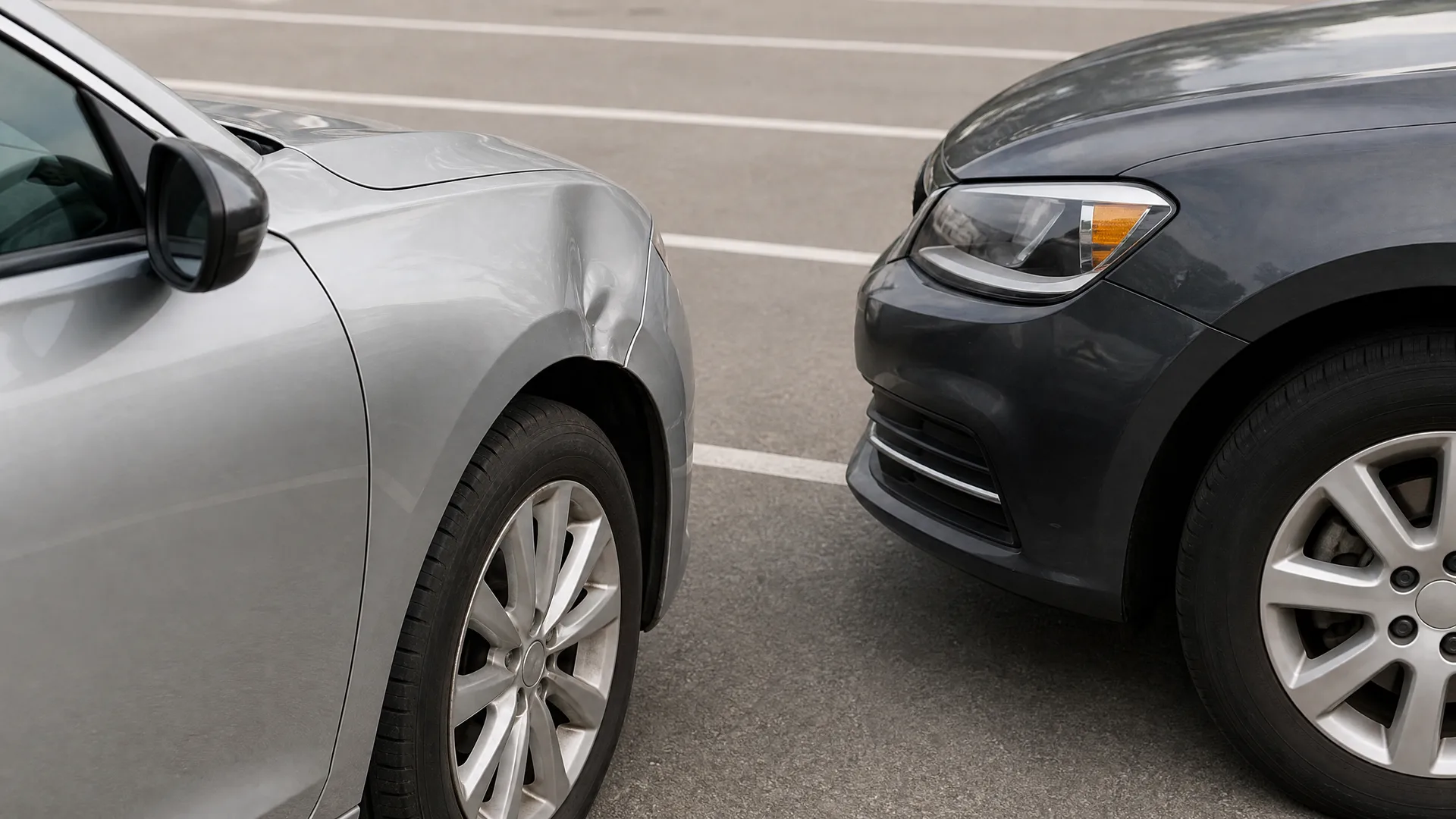
Your car was rear-ended by someone trying to flee the area while a disturbance broke out nearby.
This is a collision claim, not comprehensive, since the damage came from another vehicle hitting yours.
Your car was parked in your closed garage at home, several miles from where any unrest occurred.
This situation doesn't involve a claim at all, since the car was never exposed to damage.
Once you know whether you want to keep, add, or adjust this coverage, you're ready to compare quotes that reflect that choice.
Questions people ask about this
Does car insurance cover damage from protests?
Yes, if you carry comprehensive coverage, protest-related damage like broken windows or vandalism is covered. Without comprehensive, you'd have no coverage for that kind of damage. Check your policy's declarations page to see if you carry it.
Will my insurance rate go up if I file a riot damage claim?
It can, though insurers vary in how they treat claims that aren't your fault. Some weigh comprehensive claims differently than at-fault accidents. Ask your agent how a claim like this would affect your specific policy before you decide whether to file.
Is riot damage considered an act of god?
No, riots and civil disturbances are typically classified separately from natural events like storms or floods. They fall under the vandalism and malicious mischief part of comprehensive coverage instead. The distinction doesn't usually change whether you're covered, since both fall under comprehensive.
What if my car is stolen during a riot and never recovered?
This is treated as a theft claim under comprehensive coverage, and if the car isn't recovered, you'd be paid its market value. The process is similar to a total loss claim. You'll need to file a police report as part of the claim.
Can I be denied coverage if I was at the protest myself?
It depends on the circumstances and whether the insurer finds you knowingly put the car at risk. Simply being present when something unexpected happens usually doesn't affect a claim. If there's a dispute, ask your insurer directly how they're evaluating it.