Comprehensive Coverage for Earthquake Damage
Comprehensive coverage pays to repair or replace your car when an earthquake cracks the ground, drops something on it, or sets off a fire or flood that damages it.
What this coverage pays for
Covers
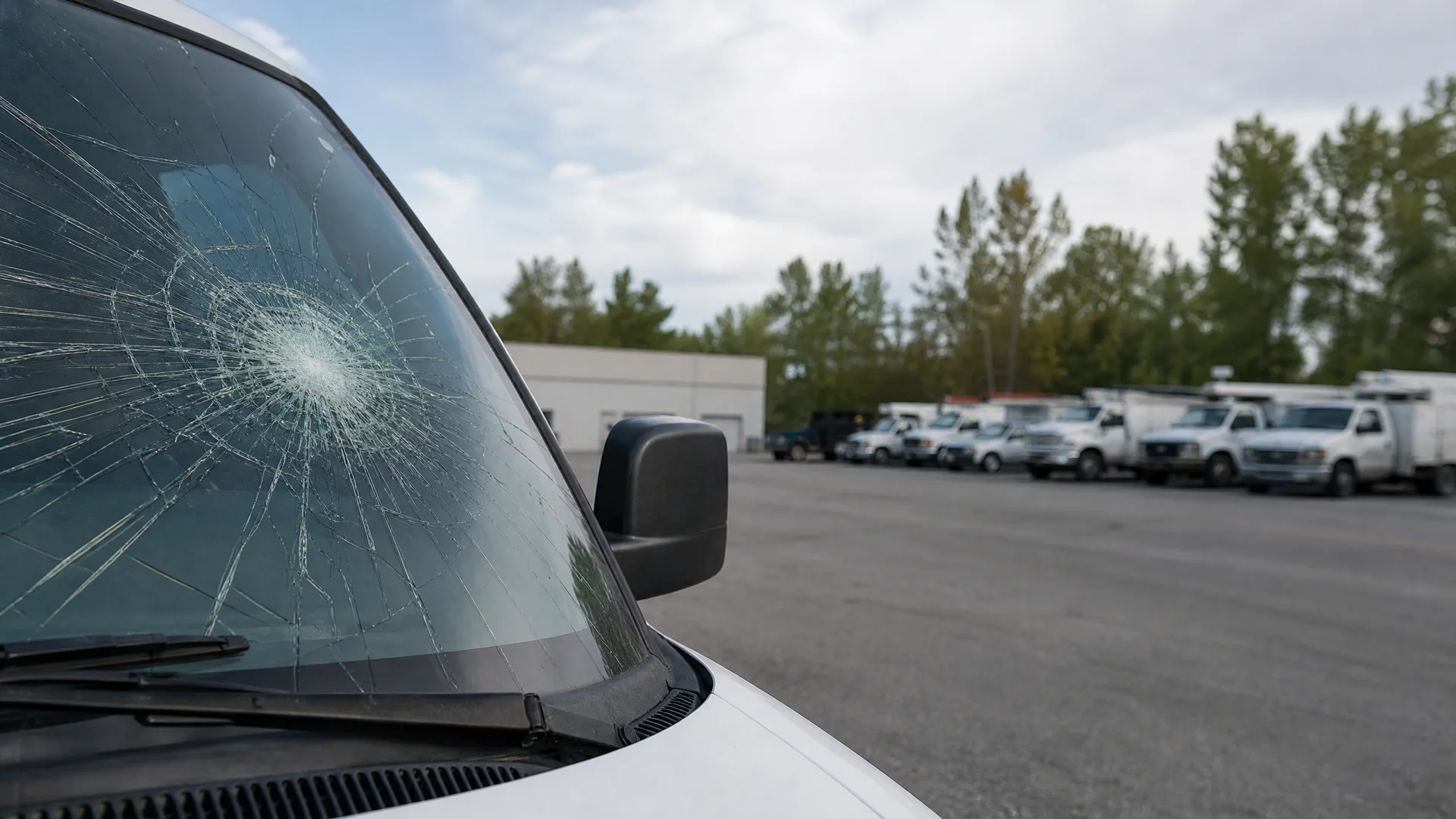
- Structural damage from shaking If the quake itself bends the frame, cracks the block, or breaks glass, repairs are covered up to the car's value.
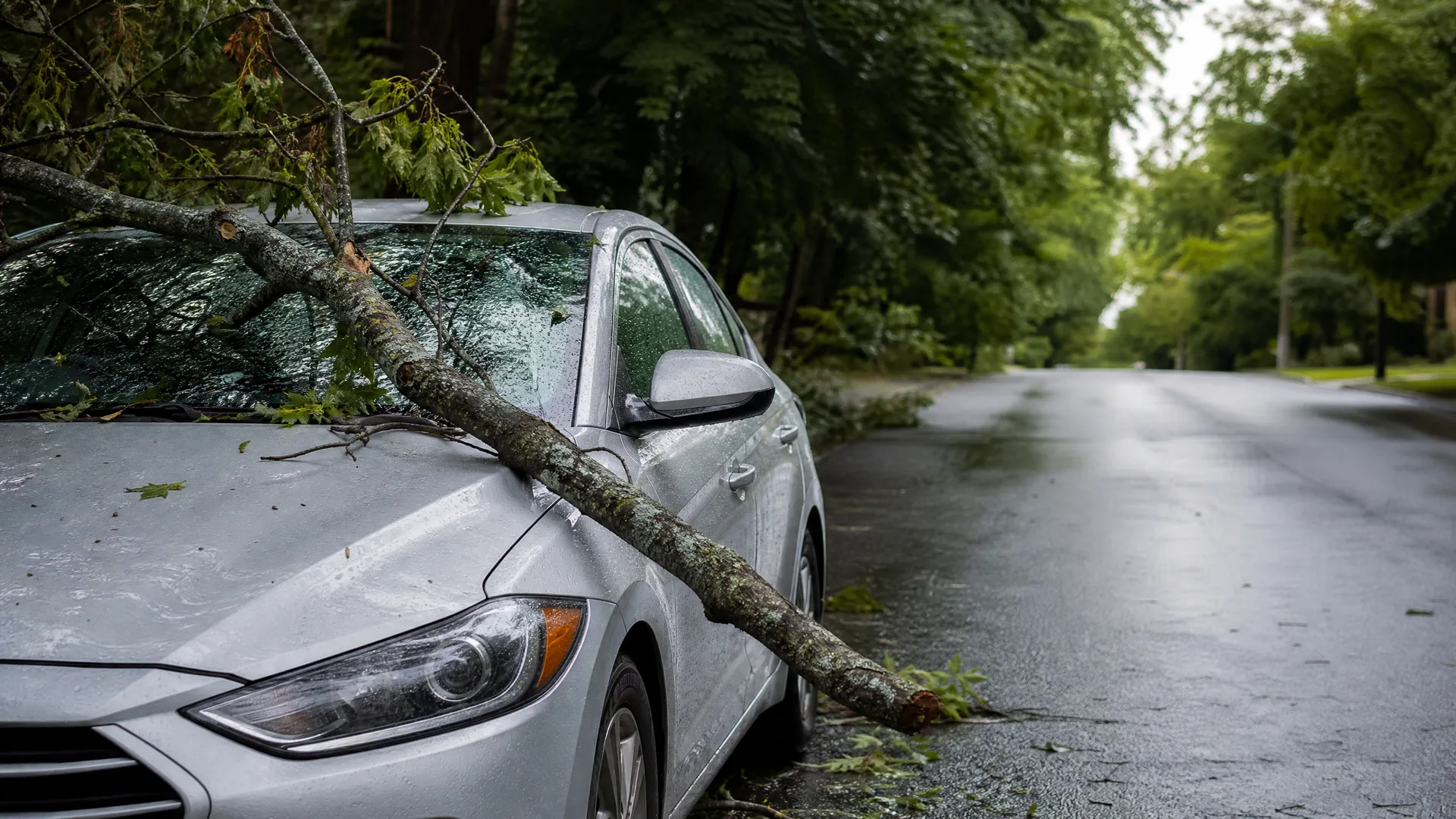
- Falling objects during the quake A chimney, tree, or part of a building that comes down on your car during or right after a quake is covered.
- Fire that follows the quake Earthquakes sometimes cause gas line breaks or electrical fires, and fire damage to your car is covered the same as any other fire.
- Flooding set off by the quake If a broken water main or dam floods your car as a direct result of the quake, that's covered too.
- Total loss payout If the car is damaged beyond repair, you're paid its actual value at the time, not what you paid for it originally.
- Towing after the damage Getting the car from where it was damaged to a shop or a safe location is part of the claim.
Doesn't cover
- Damage to your home This is a car coverage. Damage to your house, garage, or other property needs a separate earthquake policy or endorsement on your home insurance.
- Your injuries Medical costs from being hurt in the quake come from your health insurance or medical payments coverage on the auto policy, not this one.
- Mechanical breakdown unrelated to the quake If your car happens to break down around the same time but not because of the earthquake, that's not a covered event here.
- Loss of use or a rental car Unless you've separately added rental reimbursement, this coverage doesn't pay for a car to use while yours is repaired.
- Damage from your own driving during the chaos If you hit another car or an object while driving during or after the quake, that's a collision claim, not a comprehensive one.
- Depreciation on an older car If the car was already worth very little, the payout reflects that, no matter how extensive the quake damage is.
For most older drivers, it's worth keeping if you live somewhere quakes happen, but not worth adding just because of this one risk
Earthquake damage to a car specifically is rare even in active areas, and most people already carry comprehensive for more common things like hail, theft, and animal strikes. The earthquake protection comes along as part of that broader coverage rather than being something you buy on its own.
What matters more is whether comprehensive coverage overall still makes sense for your car. If the car is older and worth little, and you're not still paying it off, you may be better off covering a total loss yourself and dropping comprehensive entirely. If it's paid off but still worth a meaningful amount, keeping comprehensive, and with it this protection, is usually the cheaper path.
How much you drive and where the car sits matters less for this specific risk than for others, since an earthquake doesn't care if the car is parked in a garage or on the street. But if you live in a region with real seismic activity, that's a reason to double check this coverage is actually on your policy rather than assume it.
If a sudden repair bill or a total loss would strain your savings, that's the strongest reason to keep this coverage rather than drop it, regardless of the odds of a quake happening at all.
How a claim actually goes
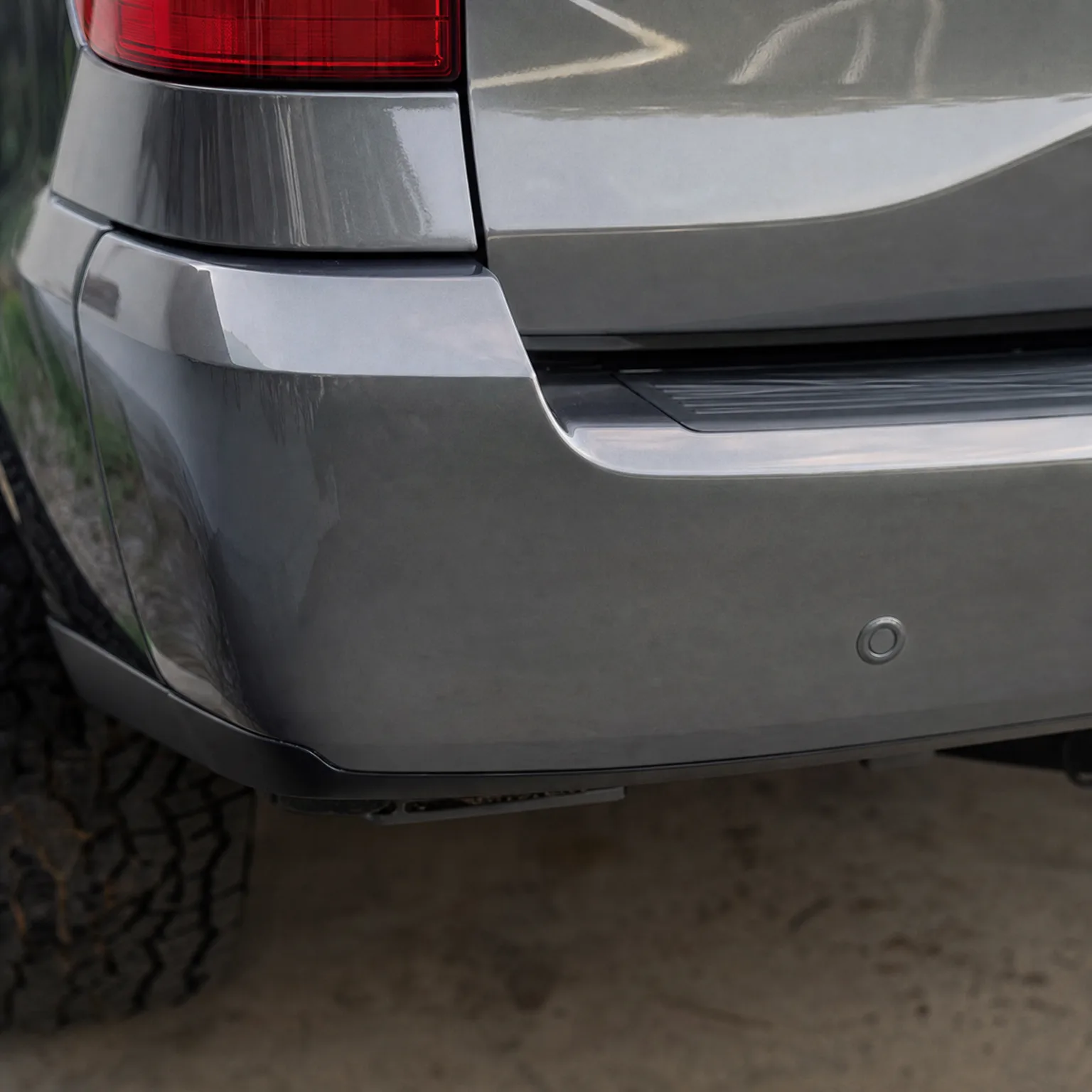
You pay your deductible first, and the insurer covers the rest up to the car's value. Because earthquake damage often overlaps with fire or falling debris, the adjuster will usually ask what caused the damage before anything else, since the cause determines whether it's a comprehensive claim at all.
You'll want photos of the damage as soon as it's safe, and if possible, some sense of what happened, whether something fell, whether there was fire or water involved. An adjuster will inspect the car or ask for estimates from a shop, and if the repair costs more than the car is worth, they'll declare it a total loss and pay out its value instead of paying for repairs.
The payout is based on what the car was worth right before the quake, not what you paid for it or what a new one costs. Have your registration, loan or title information, and any receipts for recent work done to the car ready, since all of that can affect the value they calculate.
Comprehensive coverage vs. collision coverage
Comprehensive coverage
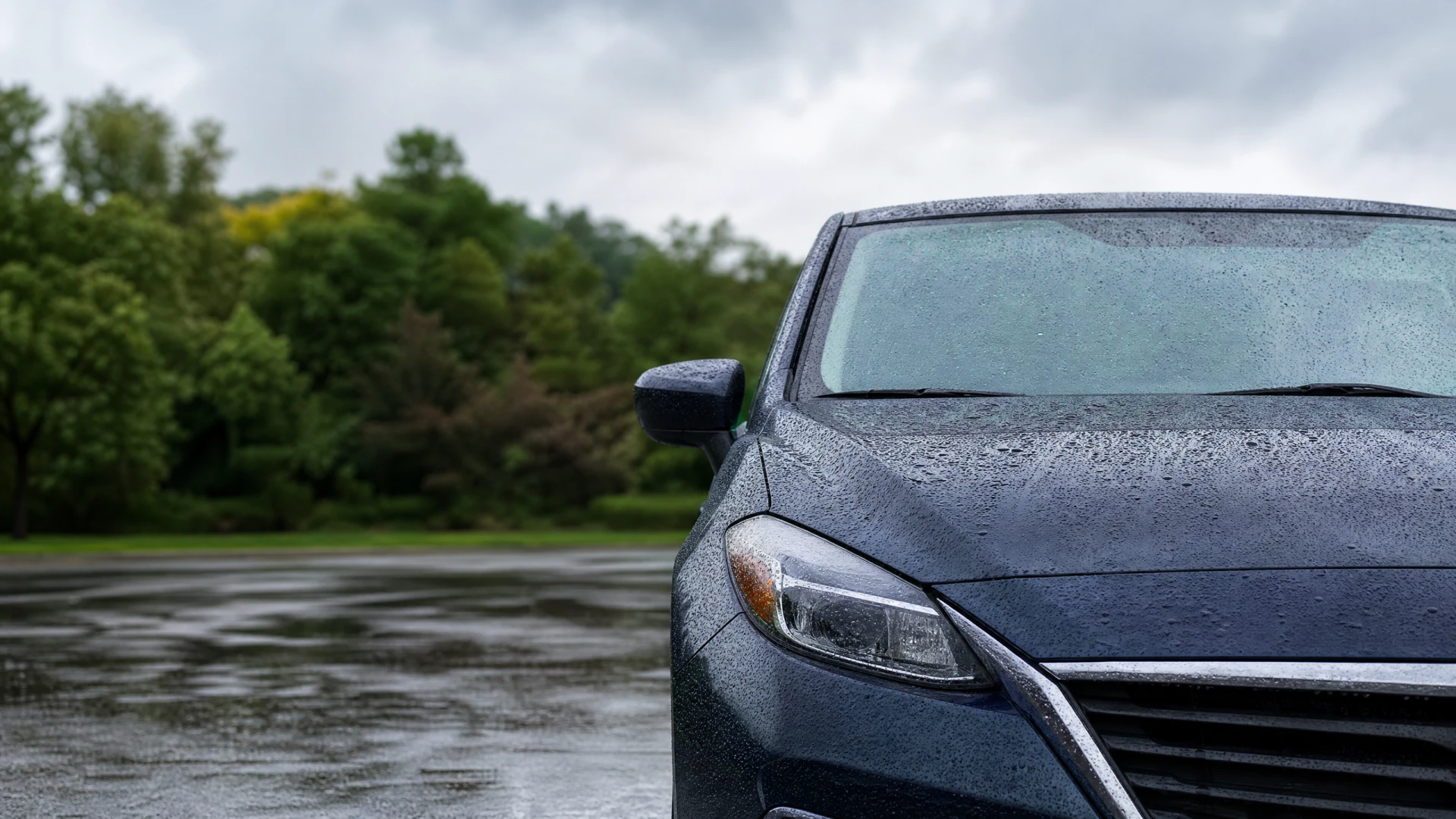
This pays for damage from events outside of driving, like weather, fire, falling objects, animals, and earthquakes. It's what responds when something happens to the car while it's just sitting there.
Collision coverage
This pays for damage from your car hitting something, or something hitting it, while you're driving, regardless of who's at fault. It's the coverage that applies if you hit a pole, another car, or a fence.
If you're deciding what to drop on an older car, think about them separately, since a car worth keeping safe from quakes and hail might still not be worth insuring against collision, and vice versa.
Real situations
You're parked at church on a Sunday morning when a minor quake hits and a chunk of the bell tower falls on your hood.
This pays, since it's a falling object connected directly to the earthquake.
A quake cracks a gas line near your house, and the resulting fire spreads to your car parked in the driveway.
This pays, since fire caused by the quake is treated the same as any other fire damage.
During the shaking, you panic and back into your neighbor's mailbox while trying to pull out of the driveway.
This doesn't pay, since that's damage from your own driving and falls under collision coverage instead.
Once you know whether you want to keep this coverage, adjust it, or drop it, you can compare quotes with that decision already made.
Questions people ask about this
Does regular car insurance cover earthquake damage automatically?
No, it's only covered if you carry comprehensive coverage, since liability-only policies don't cover damage to your own car at all. Check your declarations page for the word comprehensive to confirm you have it. If you only carry the state-required minimum, this protection isn't there.
What if my car is damaged by a landslide after an earthquake?
That's generally treated the same as the earthquake itself and covered under comprehensive. Landslides triggered by seismic activity fall under the same falling object or earth movement language insurers use. If the landslide happened for unrelated reasons, like heavy rain, it would likely still be comprehensive, just confirm with your policy wording.
Will my rates go up after an earthquake claim that isn't my fault?
Comprehensive claims typically affect rates less than at-fault collision claims, since insurers treat them as events outside your control. Rules vary by insurer and by state, so it's worth asking directly when you file. A single claim after decades of none usually has a smaller effect than people expect.
Can I add earthquake coverage separately if my policy excludes it?
Comprehensive coverage isn't usually sold with earthquake damage specifically excluded, since it's bundled into the broader coverage rather than itemized. If your policy somehow excludes it, that would be unusual, and you should ask your agent directly what the exclusion covers. This varies by state, so check your own policy to be sure.
Does this coverage pay if my car is damaged while I'm evacuating?
It depends on what actually caused the damage during the evacuation. If it's a falling object, fire, or flood connected to the quake, comprehensive pays. If it's a collision with another car or object while you're driving away, that falls under collision coverage instead.