Comprehensive Coverage for a Garage Fire
Comprehensive coverage pays to repair or replace your car if a fire in your garage damages or destroys it, no matter who caused the fire.
What a garage fire claim actually pays for
Covers
- Fire damage to the car Burned paint, melted trim, smoke damage to the interior, and heat damage to the engine or electronics are all included.
- Total loss payout If the car is destroyed, you're paid its value at the time of the fire rather than what you originally paid for it.
- Smoke and soot damage Even if the flames never reached the car, smoke that seeps into the upholstery, carpet, and vents is covered.
- Fire from an external source It doesn't matter if the fire started in the garage wiring, a neighbor's shed, or your own space heater, the cause doesn't change the payout.
- Related water or extinguisher damage Damage from the sprinklers or hoses used to put the fire out is treated the same as the fire damage itself.
Doesn't cover
- Damage to the garage itself The structure, your tools, and anything else stored in there fall under your homeowners or renters policy, not your car insurance.
- Injuries from the fire Medical costs for you or anyone else hurt in the fire are handled through health insurance or a liability claim, not this coverage.
- Your rental car while yours is repaired That only applies if you added rental reimbursement separately, it isn't automatic with comprehensive.
- Full replacement with a new car You're paid what the car was worth right before the fire, not the cost of buying a comparable new one.
- Fire damage if you dropped this coverage Without comprehensive on the policy, a garage fire is simply not paid for by your auto insurance at all.
For most older drivers who still have a garage, yes, it's worth keeping
The math here comes down to what your car is worth and what a full loss would cost you. If the car is paid off and worth a meaningful amount, comprehensive is what stands between a garage fire and you paying for a replacement car entirely out of pocket.
If you could easily cover the cost of replacing the car from savings, the coverage matters less. Some drivers in that position choose to drop comprehensive on an older car and self-insure instead, especially once the car's value has dropped a lot.
How much you drive doesn't really factor into this one. A garage fire can happen whether the car is driven daily or sits most of the week, since the risk lives in the garage and the wiring in it, not on the road.
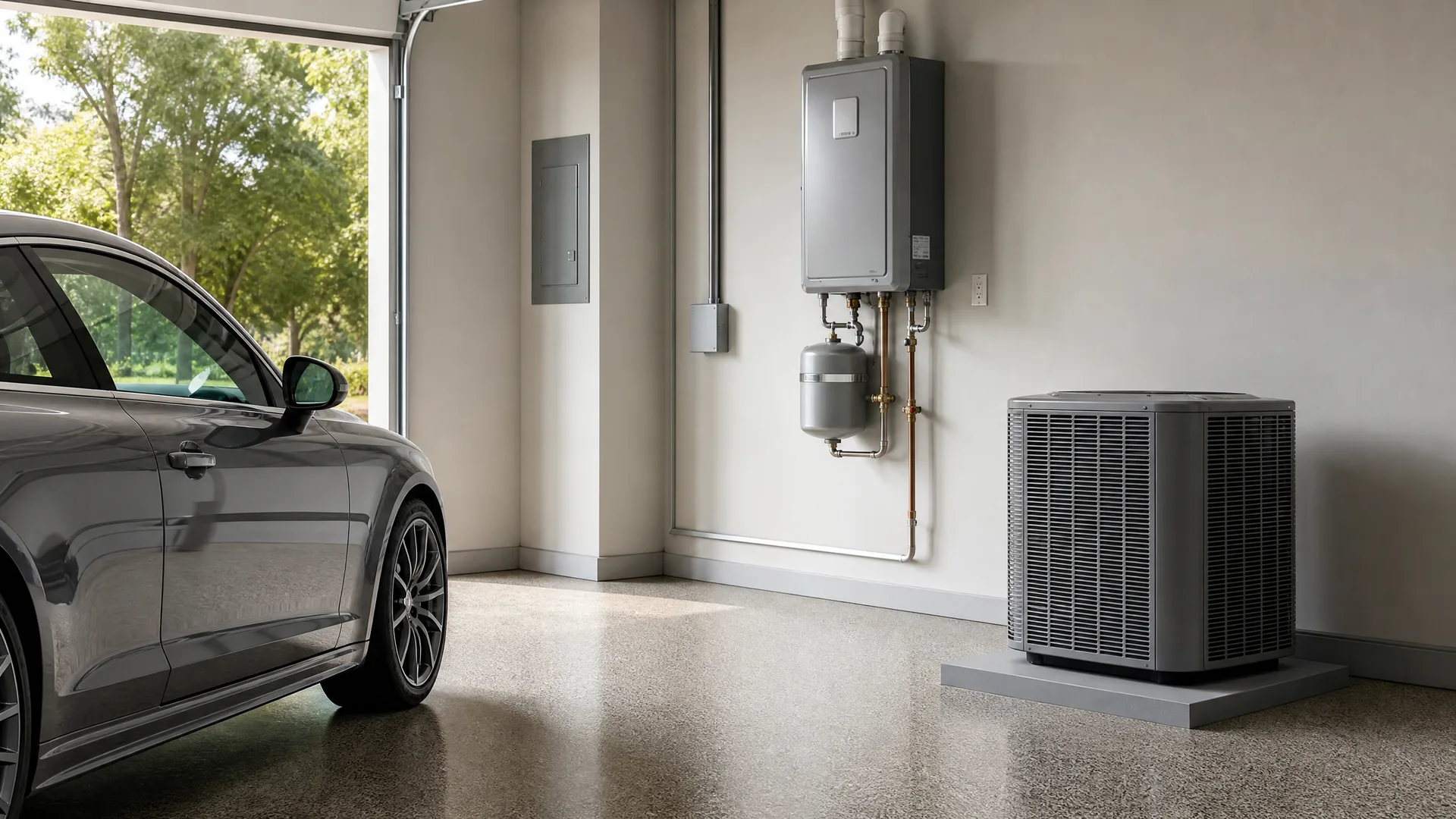
Where the car actually sits matters more than people think. A detached garage, an attached garage, or a shared parking structure all carry somewhat different fire risks, and it's worth picturing your own setup honestly rather than a generic one.
What happens if your garage actually catches fire
You'll pay your deductible first, and the insurer covers the rest up to the car's value. A higher deductible means a lower premium but more of the loss falls on you in a moment like this, so it's worth knowing that number on your policy rather than assuming it.
You report the fire, usually with help from the fire department's report, and an adjuster evaluates the car either in person or through photos. If the car is repairable, you'll get estimates from a shop. If it's a total loss, the insurer will tell you what they've determined the car was worth right before the fire.
The payout covers the car itself, not the garage, not your tools, and not anything else lost in the fire. Those go through a separate homeowners or renters claim, and you may be dealing with two insurers on the same event.
Have your registration, a sense of the car's mileage and condition before the fire, and any maintenance records handy. They help support the value the adjuster comes back with, especially if you plan to push back on a low estimate.
Comprehensive versus homeowners insurance
Comprehensive coverage
This covers damage to the car itself from fire, theft, weather, and similar events that aren't collisions. It's part of your auto policy and follows the car, not the building it's parked in.
Homeowners or renters insurance
This covers the structure of your home, including an attached or detached garage, along with your personal belongings stored inside it. It does not cover the car parked there.
If a garage fire damages both your car and the garage itself, you'll likely need to file with both your auto insurer and your home insurer to be made whole.
Real situations
An electrical fault in your detached garage starts a fire overnight and badly damages your car along with some stored boxes and a lawnmower.
Comprehensive pays for the car, while your homeowners policy covers the garage structure and the lawnmower.
You're driving home at dusk and hit a deer on a county road, causing serious damage to the front of your car.
This is a comprehensive claim too, since most policies treat animal collisions as comprehensive rather than collision.
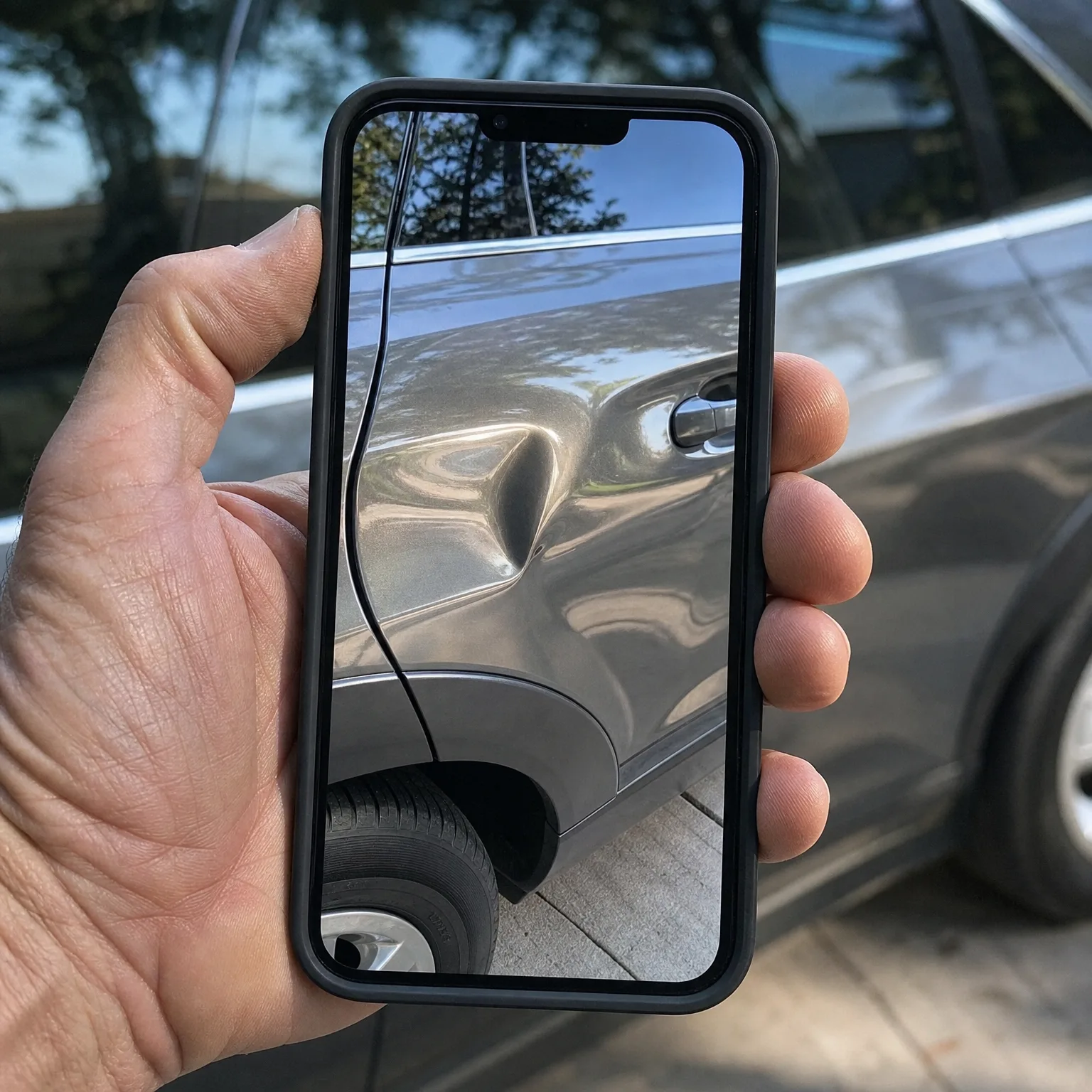
You back out of the garage too fast and clip the door frame, denting your rear panel.
This is a collision claim, not comprehensive, since it resulted from your own driving rather than an outside event.
Once you know whether you want comprehensive on this car and at what deductible, you're ready to compare quotes on that basis.
Questions people ask about this
Does comprehensive coverage cover a stolen car?
Yes, theft of the vehicle itself is one of the main things comprehensive coverage pays for. It also covers theft of parts, like a catalytic converter, and vandalism to the car. Check your policy for whether personal items left inside the car are excluded, since those usually aren't covered.
What is an actual cash value payout?
It's the amount your insurer says the car was worth right before it was damaged, factoring in its age, mileage, and condition. This is how comprehensive claims are paid out, rather than the price you originally paid for the car. If you disagree with the number, you can usually ask for the documentation behind it and provide your own comparable listings.
Can my insurer drop me after a comprehensive claim?
It's possible but less common than after an at-fault collision claim, since a garage fire typically isn't considered your fault. Policies and practices vary, so it's worth asking your agent directly how a comprehensive claim affects your renewal. A pattern of multiple claims over a short period is more likely to draw attention than a single fire claim.
Should I drop comprehensive on an older paid-off car?
It depends mainly on the car's current value and how easily you could replace it out of pocket. Once a car's value has dropped enough, the premium you'd pay for comprehensive can start to look large compared to what you'd actually collect in a claim. Many drivers reassess this every few years as the car ages rather than deciding once and forgetting it.
Does where I park affect my insurance rate?
It can, since insurers often ask whether a car is kept in a garage, a driveway, or on the street. Keeping a car in a garage is generally viewed as lower risk for theft and weather damage, which can influence pricing. This varies by insurer and by state, so it's worth confirming with your agent how your own parking situation is being factored in.